











Best Fish Oil for Dogs: The Vet-Approved Buying Guide
You're standing in the pet aisle with a bottle in one hand and your dog's health in mind. One label says “pure salmon oil,” another highlights “maximum omega-3,” and a third lists a large amount of total oil without clearly stating how much EPA or DHA it contains. Choosing the best fish oil for dogs shouldn't depend on the loudest packaging. It should depend on what your dog needs, how much active omega-3 the product delivers, and whether the oil is fresh and independently tested.
The most useful buying principle is simple: compare combined EPA and DHA, not the total volume of fish oil. Then check the source, delivery format, oxidation controls, contaminant testing, and suitability for your dog's health plan. The comparison below gives you a quick starting point before we examine each decision in detail.
| What to compare | Why it matters | What a careful buyer should look for |
|---|---|---|
| EPA and DHA content | These are the active marine omega-3 fatty acids used in canine nutrition | Exact milligrams of EPA and DHA per serving |
| Intended use | Joint support, skin support, and general maintenance may require different approaches | A product and dose selected with your veterinarian |
| Freshness and oxidation control | Fish oil can degrade when exposed to air, heat, or light | Expiration information, protective packaging, and oxidation testing |
| Purity verification | Marine oils may require screening for contaminants | Named third-party testing and contaminant documentation |
| Format | A supplement only helps if your dog consumes it consistently | Liquid, softgel, or chew suited to your dog's habits |
Table of Contents
- Why Choosing the Right Supplement Matters for Your Dog
- Understanding EPA and DHA for Canine Health
- Comparing Sources and Delivery Formats
- Navigating Purity, Testing, and Sustainability
- Matching Supplements to Specific Health Needs
- How PetScy Sets a New Standard in Canine Care
- Red Flags to Avoid When Shopping for Fish Oil
Why Choosing the Right Supplement Matters for Your Dog
Maya had already done what many conscientious owners do. Her golden retriever had started scratching more often, and she wanted to support his skin and joints before the problem became harder to manage. At the store, she found several bottles described as “premium,” “pure,” or “complete.” Yet one listed only salmon oil, another gave the total oil amount, and none made the decision feel straightforward.
The confusion wasn't caused by a lack of effort. Fish oil labels often emphasize the ingredient category instead of the active dose. “Fish oil” tells you where the supplement comes from, but it doesn't tell you how much EPA and DHA your dog receives. Two products with similar serving volumes can provide very different amounts of the fatty acids that matter most.

The label matters more than the front panel
A useful label-reading sequence is:
- Find the serving size: Identify whether the serving is measured by pump, teaspoon, capsule, or chew.
- Add EPA and DHA: Treat their combined amount as the active omega-3 dose.
- Check the intended use: A product for general nutrition may not provide the amount your veterinarian recommends for arthritis or inflammatory skin disease.
- Look for quality documentation: Exact potency, contaminant screening, and freshness controls are more meaningful than words such as “premium.”
Veterinary nutrition didn't arrive at this focus by accident. In a controlled 1998 canine study, serum EPA and DHA rose significantly by week one after fish oil feeding and remained higher after supplementation stopped, with EPA staying higher for three weeks and DHA for seven weeks according to the published study record. Earlier cardiac research in dogs also reported protective effects from purified omega-3 fatty acids in a model of fatal ventricular arrhythmias, including protection in 5 of 7 dogs with EPA, 6 of 8 with DHA, and 6 of 8 with alpha-linolenic acid, as detailed in that same research record.
Practical rule: Don't choose a bottle because it says “salmon oil.” Choose it because you can verify what your dog will actually receive.
Understanding EPA and DHA for Canine Health
Fish oil contains several fatty acids, but EPA, or eicosapentaenoic acid, and DHA, or docosahexaenoic acid, are the main figures to find on a canine supplement label. They're not interchangeable with the total oil amount, and they aren't equivalent to every plant-based omega-3.
Think of a bottle as a delivery truck. The total fish oil is the entire truck, while EPA and DHA are the useful packages inside it. A larger truck doesn't automatically carry more packages. Likewise, a capsule with more total oil may deliver less active omega-3 than a smaller, more concentrated serving.
Use the active-dose calculation
Start with the label's EPA value, then add the DHA value. For example, if a serving lists EPA and DHA separately, the combined figure is the number you compare across products. If the label gives only “omega-3” or “fish oil” without separate EPA and DHA amounts, you can't confidently calculate the active dose.
A 2023 canine study found that dogs fed fish oil for 4 weeks increased their Omega-3 Index from 1.35 ± 0.22% to 1.9 ± 0.35%, with p < 0.001, as reported in the open-access canine omega-3 study. The finding supports a practical buying lesson: a standardized fish-derived supplement can produce a measurable biomarker response, but the label must tell you what active fatty acids it supplies.
The same source describes a 2024 review in which omega-3 supplementation significantly improved the Omega-3 Index in all dogs evaluated and improved pain and quality-of-life scores in smaller dogs. These findings don't turn fish oil into a universal treatment, but they do reinforce why EPA and DHA deserve more attention than total oil volume.
Keep the dose tied to the dog
Veterinary guidance commonly uses body weight and the dog's health goal to determine combined EPA plus DHA. For therapeutic skin, allergy, or joint support, cited targets commonly fall within 50 to 220 mg/kg, while one canine osteoarthritis guide identifies about 100 mg/kg as a practical middle point. A CSU veterinary chart lists 310 mg/kg^0.75 per day as a maximum daily osteoarthritis dose for veterinarian calculations in its omega-3 osteoarthritis guidance.
Those figures aren't a reason to self-prescribe. Dogs differ in age, diagnosis, diet, medication use, and tolerance. Use them to understand why a standard capsule may be insufficient for a large dog, then ask your veterinarian to select the appropriate amount.
For broader background on marine omega-3s, health supplements at Vitamin Planet offers general human nutrition context, while this guide on whether omega-3 helps dogs with itching focuses on the canine skin question.
Comparing Sources and Delivery Formats
The source fish influences the oil's composition, sourcing story, and potential contaminant profile, but the species name alone doesn't prove quality. A salmon oil can be useful, yet a product from smaller fish may offer a different concentration or testing profile. The label's EPA and DHA figures, quality records, and freshness controls still decide whether the product is suitable.
Source comparison
| Source | Potential practical advantage | What to verify |
|---|---|---|
| Salmon | Familiar flavor that some dogs accept readily | Exact EPA and DHA amounts, origin, and testing |
| Anchovy or sardine | Small oily fish are commonly used for concentrated marine omega-3 oils | Named source, contaminant screening, and oxidation controls |
| Pollock | Can provide marine EPA and DHA in a pet-focused formula | Potency per serving and independent verification |
| Krill | Often marketed around its phospholipid presentation | Actual EPA and DHA content rather than absorption language alone |
The infographic below presents source and format comparisons. Treat its illustrative percentages as visual context, not as a substitute for a product's verified label.

Wild-caught and farmed fish also shouldn't be judged by a single slogan. A responsible choice depends on traceability, processing, contaminant controls, and whether the company explains its fishery or supplier standards. “Wild-caught” may be a useful sourcing detail, but it doesn't replace an EPA/DHA analysis or a certificate of testing.
Format comparison
Liquid oil works well for owners who can mix a measured amount into food. It lets you adjust the serving without hiding a capsule, but the bottle needs careful storage and the dog may reject a strong marine smell.
Softgels offer a tidy, premeasured format. They can suit dogs that swallow capsules with meals, although a medium or large dog may require several units to reach a veterinarian-selected therapeutic amount.
Chews can improve acceptance for dogs that refuse oil. Read the full ingredient panel, though, because a flavored chew may contain extra ingredients and may deliver less EPA and DHA than expected.
The most bioavailable format is not useful if your dog won't eat it. Select the form that supports consistent administration, then compare active omega-3 per serving within that format.
Navigating Purity, Testing, and Sustainability
A fish oil's quality depends on more than its EPA and DHA concentration. Marine oils can oxidize, and labels may not always provide enough information to confirm potency or freshness. Independent verification gives you a stronger basis for trust than words such as “pure,” “clean,” or “pharmaceutical grade.”
Look for a product that states the exact EPA and DHA milligrams, identifies the fish source, and explains who verifies the finished oil. Useful documentation may include contaminant screening for heavy metals and environmental pollutants, along with oxidation testing. The Journal of the American Veterinary Medical Association discussion of fish oil safety and dosing emphasizes that clinically meaningful EPA and DHA delivery must be considered alongside safety and appropriate intake.
Freshness is a safety issue
Omega-3 fats are vulnerable to air, light, and heat. As oxidation progresses, the oil can develop an unpleasant odor and lose the quality owners expected when they bought it. A strong fish smell doesn't prove rancidity, but a sharp, stale, paint-like, or unusually bitter odor should make you stop using the product and contact the manufacturer.
Check the packaging and storage directions. An opaque container, a secure closure, a clear expiration date, and instructions for refrigeration after opening all show that the company has considered exposure to oxygen and light. These details don't prove freshness by themselves, but missing information makes evaluation harder.
Recent evidence also raises an important long-term consideration. A 2025 analysis found inconsistency between label claims and measured nutrient or contaminant content in selected fish oil supplements, while research involving dogs reported lower alpha-tocopherol concentrations with higher EPA and DHA intake. The findings are summarized in the published nutrient and contaminant analysis. Ask your veterinarian whether antioxidant support or monitoring is appropriate, especially when using a higher dose for a chronic condition.
Sustainability belongs on the checklist
Choose companies that name the fishery or source region, explain their sustainability practices, and avoid vague claims that can't be checked. Responsible sourcing protects marine ecosystems, but it also encourages better traceability from fishery to finished supplement.
Matching Supplements to Specific Health Needs
The best fish oil for dogs depends on the problem you're trying to address. A dog with diagnosed osteoarthritis needs a different conversation from a healthy adult receiving nutritional support, and a dog with persistent itching needs an examination rather than a supplement-only plan.
For joints and mobility
The evidence is strongest for canine osteoarthritis. A meta-analysis covering 72 trials found clear analgesic benefit from omega-3-enriched diets and supplements in canine joint disease, according to the evidence review on fish oil and joint health. Fish oil should still be treated as an adjunct, not a replacement for weight management, exercise planning, pain control, or veterinary assessment.
For practical joint decisions, compare the combined EPA and DHA amount with the dose your veterinarian recommends. The relevant product may be a concentrated liquid or a formula that provides enough active omega-3 without requiring an unreasonable number of capsules.
For more context on choosing a broader approach, see this guide to supplements for joint pain in dogs.
If your dog has itchy skin, fish oil may support the skin barrier and help moderate inflammation, but dermatology evidence is more mixed. Allergies can involve parasites, infection, food sensitivity, environmental triggers, or more than one cause, so persistent scratching, ear problems, or paw licking deserves veterinary investigation.
Fish oil can support a treatment plan. It shouldn't hide the reason your dog is uncomfortable.
A dog using fish oil for general maintenance may need a simpler product-selection process. Choose a canine formula with transparent EPA and DHA amounts, confirm that it fits the diet and health history, and monitor tolerance. Dogs with a history of pancreatitis, bleeding problems, or medication interactions need individualized advice before supplementation.
The video below offers another visual explanation of how omega-3 nutrition may fit into a dog's broader wellness plan.
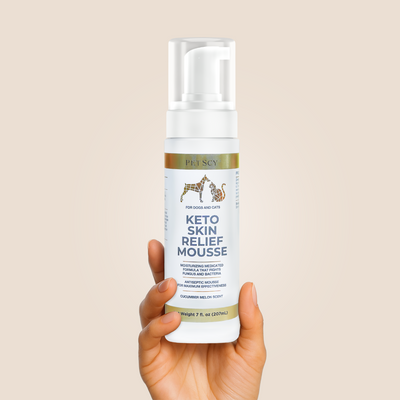
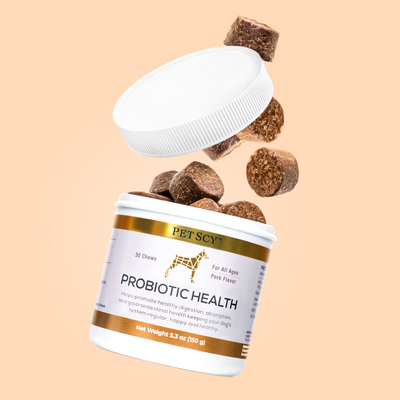
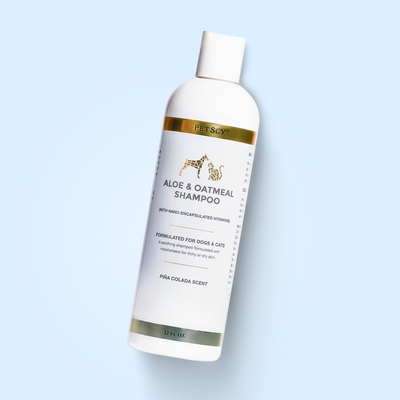
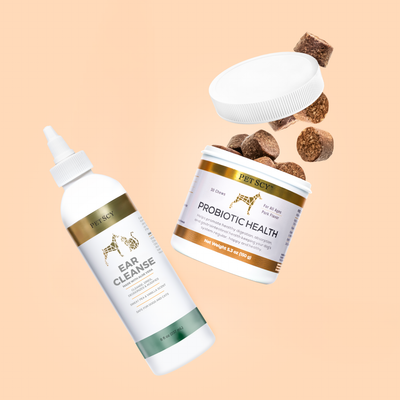
How PetScy Sets a New Standard in Canine Care
A supplement earns consideration when its formulation reflects the principles above. PetScy's Fish Oil is described as a veterinarian-formulated canine product using EPA and DHA from wild-caught Alaskan pollock and salmon. The product page also describes daily use, or use as recommended by a veterinarian, with the oil pumped over food at mealtime.

That format may suit owners who want to measure oil directly into a meal rather than administer multiple softgels. The important next step remains the same as with any product: review the current label for exact EPA and DHA amounts, serving guidance, storage directions, and available verification.
PetScy states that its products are made in the United States with globally sourced ingredients, and that the company references third-party testing and membership in the National Animal Supplement Council. Those details are useful quality signals, but owners should still match the product to the dog's diagnosis and ask a veterinarian about dose, medication interactions, and long-term use.
You can review the formula and administration details on the PetScy Fish Oil product page. Consider it one candidate in a label-based comparison, not a shortcut around individualized veterinary advice.
Red Flags to Avoid When Shopping for Fish Oil
A low-quality product can look impressive until you ask one specific question: How much EPA and DHA does my dog receive per serving? If the label doesn't answer that clearly, you can't compare the product with therapeutic guidance or calculate how many servings your dog needs.
Watch for these warning signs:
- Total oil without active amounts: A large fish oil figure is not enough if EPA and DHA are missing or combined into an unclear “omega-3” claim.
- Unidentified fish source: “Marine oil” or “fish oil” without a named source gives you less information about traceability.
- No independent testing: A company that doesn't explain potency verification or contaminant screening leaves important safety questions unanswered.
- No freshness information: Missing expiration details, poor storage instructions, or damaged packaging can increase uncertainty about oxidation.
- Therapeutic promises: Fish oil may support arthritis care and may modestly assist allergic skin management, but it isn't a stand-alone cure.
- Human-only additives: Never assume a human supplement is appropriate for a dog. Check every inactive ingredient and use a canine product when possible.
- Unmanageable serving requirements: A product that requires too many capsules or too much oil may reduce daily consistency, especially in larger dogs.
Start with your dog's health goal, confirm the combined EPA and DHA amount, and take the label to your veterinarian. Stop and seek advice if your dog develops persistent digestive upset, unusual bruising or bleeding, or other concerning changes after starting the supplement.
PetScy offers a veterinarian-formulated Fish Oil made with EPA and DHA from wild-caught Alaskan pollock and salmon, designed to be pumped over food as part of a daily routine. Visit PetScy to review the product details and compare its labeling, sourcing, and administration format with the criteria in this guide.