














How to Relieve Gas in a Dog: Home Remedies and Prevention
Your dog's stomach is making loud gurgling noises, they're pacing around the room, and the smell is unmistakable. In many cases, that's ordinary flatulence caused by swallowed air or bacterial fermentation. But a swollen abdomen and repeated retching can signal gastric dilatation-volvulus, or GDV, where waiting to try a home remedy can cost critical time.
The safest answer to how to relieve gas in a dog starts with triage. First decide whether your dog is comfortable and passing gas normally, or whether the abdomen and behavior suggest an emergency. Once dangerous signs are excluded, feeding management, gentle movement, and a careful diet review are more useful than internet shortcuts.
Table of Contents
- Recognizing Normal Gas Versus a Dangerous Emergency
- Immediate Steps to Ease Your Dog's Discomfort
- Adjusting Diet and Feeding Habits to Reduce Gas
- Building Long-Term Digestive Health
- Common Home Remedy Mistakes to Avoid
- When to Call the Vet About Canine Gas
Recognizing Normal Gas Versus a Dangerous Emergency
Occasional farting, intestinal noises, and mild bloating that settles are usually compatible with normal digestion. Dogs produce gastrointestinal gas by swallowing air, through bacterial fermentation during digestion, and through gas moving from the bloodstream into the intestinal tract, as explained in this veterinary guide to dogs and gas. Dogs that eat rapidly, feel nervous while eating, or have short, broad skulls may swallow more air.
The emergency concern is GDV, not just a bad smell. The stomach can become severely distended and twisted, restricting circulation and putting the dog into shock. Deep-chested dogs, including Great Danes and German Shepherds, face greater risk, and rapid eating or vigorous activity around meals can add concern. Any dog can develop the condition, however, so breed alone should never reassure you.
The signs that change the decision
Look at the whole dog, not just the amount of gas. Normal flatulence generally occurs with a dog that can settle, has a reasonably normal appetite, and doesn't appear painful. GDV may involve:
- Abdominal change: The belly looks enlarged or feels hard and tight.
- Unproductive retching: Your dog repeatedly tries to vomit but brings up nothing, or only froth.
- Circulation problems: Gums appear pale, the heart seems to race, or the dog becomes weak.
- Behavioral distress: Restlessness, severe discomfort, difficulty breathing, or collapse.
Emergency rule: A swollen abdomen combined with retching, weakness, pale gums, or collapse means emergency clinic, not massage, walking, food, or watchful waiting.

A quick triage check
In under a minute, ask whether the abdomen is enlarging, whether your dog is trying and failing to vomit, whether the gums are pale, and whether they can stand and settle. If any answer is concerning, leave for veterinary care and call ahead. Home treatment can't untwist a stomach or stabilize shock, and trying remedies first may delay lifesaving intervention.
Immediate Steps to Ease Your Dog's Discomfort
If your dog has mild gas, a soft abdomen, normal gum color, and no vomiting or collapse, keep the next steps simple. The purpose is to encourage normal gut movement without adding food, excitement, or swallowed air.
Start with a 10–15 minute slow walk, using the practical home-management guidance described in this veterinary-style discussion of a bloated stomach. Keep the pace relaxed. Don't run, play fetch, or push a dog that seems painful, weak, or increasingly distended. Stop immediately if the abdomen enlarges, retching begins, or your dog deteriorates.
A calm sequence for mild discomfort
- Remove excitement. Bring your dog indoors or to a quiet area and prevent vigorous activity.
- Offer water cautiously. Give small amounts rather than allowing frantic gulping. Don't force drinking.
- Pause food briefly if the belly is distended. Independent pet-care guidance describes withholding food for 2–4 hours when mild distension is present, but this isn't appropriate for every dog, especially puppies, diabetic dogs, or dogs with other medical conditions. Ask your veterinarian if you're uncertain.
- Try gentle positioning. Some dogs naturally stretch into a prayer position, with the front legs extended and the rear raised. Let your dog choose the position rather than forcing the body.
- Use only light touch. If your dog welcomes it, make slow, gentle circular strokes over the abdomen. Stop if they tense, guard the belly, cry, or move away.
- Reintroduce food carefully. Once comfortable, use a small meal rather than a large serving.
Plain simethicone is sometimes used for mild gas, but it only disperses gas bubbles and doesn't treat obstruction, inflammation, or GDV. Don't guess at a weight-based dose from a human label. Confirm the product and amount with your veterinary team first, particularly if your dog takes other medicines or has a swollen abdomen.

A short demonstration can help you judge whether a movement is gentle enough. Use it as general handling guidance, not as a substitute for emergency assessment.
Adjusting Diet and Feeding Habits to Reduce Gas
Diet is often the highest-yield place to investigate recurring flatulence. Fermentable ingredients, including beans, peas, soy, dairy, and high-fiber additives, can give intestinal bacteria more material to process. Poor digestibility can have a similar effect because more undigested food reaches the colon, where fermentation produces gas. Controlled canine research also linked lower oligosaccharide diets with less flatulence and emphasized the importance of digestibility and fermentable carbohydrate content, as described in the controlled study of canine flatulence and diet.
Don't change everything at once. Record the main food, treats, chews, supplements, table scraps, stool quality, and the timing of gas for several days. Then make one thoughtful change and observe the pattern. A sudden switch can disrupt digestion and make it impossible to tell which ingredient helped or harmed.
| High-Gas Ingredients | Low-Gas Alternatives |
|---|---|
| Soy-derived ingredients and beans | A complete diet with a simpler, well-tolerated formulation |
| Peas and highly fermentable legumes | Ingredients selected for digestibility by a veterinary nutrition professional |
| Dairy products | Non-dairy treats that your dog already tolerates |
| High-fiber additives and rich table scraps | Measured portions of the regular complete diet |
Feeding mechanics matter
A slow-feed bowl can reduce gulping for dogs that inhale meals. Splitting the daily ration into smaller, more frequent meals may also reduce swallowed air and prevent the stomach from receiving one large volume at once. For large or deep-chested dogs, ask your veterinarian about a feeding arrangement that fits the individual dog rather than assuming a raised bowl is automatically appropriate.
Treats are frequent hidden triggers. A dog may tolerate their main diet but react to cheese, fatty leftovers, training treats, dental chews, or a new supplement layered on top. For practical background on diet changes for bloating relief, focus on the principle of controlled changes, not on copying a generic menu.
When selecting a commercial food, prioritize a complete and balanced diet that your dog digests well. A veterinary professional can help decide whether a highly digestible, low-residue, limited-ingredient, or hydrolyzed formula fits the symptoms. This guide to selecting the right dog food can support the comparison, but persistent gas with diarrhea, vomiting, or weight loss needs diagnosis rather than endless food shopping.
Building Long-Term Digestive Health
Recurring gas usually improves when several small contributors are addressed together. A stable routine gives the digestive tract a consistent pattern, while a sudden series of food swaps, new treats, and untested supplements creates noise. Keep meals measured and predictable, and change food gradually so the intestinal microbes have time to adjust.
Daily moderate activity supports normal gut motility. It doesn't mean exercising a dog hard after meals. A calm walk at an appropriate time is preferable to intense running, especially for dogs prone to gulping food or showing abdominal discomfort.
Match supplements to the problem
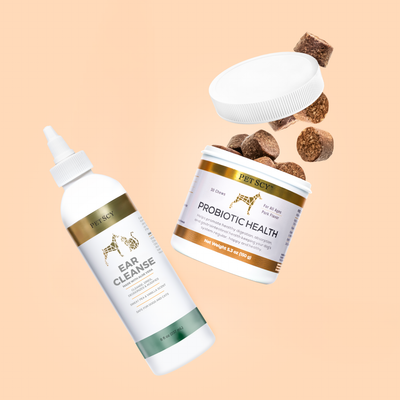
Probiotics may support intestinal balance, but choose products made for dogs and discuss them with your veterinarian when symptoms persist. Canine-specific strains such as Enterococcus faecium are used in veterinary digestive products. PetScy's Probiotic Health Chews are one option marketed for digestive support, including gas and loose stools, but a supplement shouldn't replace testing when a dog is unwell.
Digestive enzymes have a narrower role. Dogs with exocrine pancreatic insufficiency may need veterinarian-prescribed enzyme replacement because the underlying problem is inadequate digestion, not just an undesirable microbiome. Giving enzymes casually can distract from the need for an examination.
Prebiotic fibers such as pumpkin or inulin can help some dogs, yet fiber can worsen gas when the amount or type doesn't suit the individual. Introduce any fiber gradually and stop if stools loosen or fermentation increases. A neutral overview of plant-based approaches is available in this plant-based guide for gut health from NexiHerb LLC.
Stress also matters. Anxious eaters may swallow more air, and a calm feeding area can be as useful as a new bowl. Dental discomfort can affect chewing and eating behavior, so regular oral care and veterinary dental checks belong in the broader plan. For help recognizing when digestive support may be relevant, see these signs your dog may need probiotics.
Give a sensible plan time, unless symptoms worsen. Gut-health changes often take 3–6 weeks to become apparent, so judge progress by fewer episodes, better stools, comfortable meals, and stable weight rather than by one quiet day.

Common Home Remedy Mistakes to Avoid
Internet advice often confuses “natural” with “safe.” A remedy can be gentle in one situation and dangerous in another, particularly when an owner uses it to postpone care for a dog with abdominal pain.
Don't give human anti-gas products without veterinary guidance. Simethicone may be appropriate for selected mild cases, but the product, formulation, and dose matter, and symptom relief doesn't rule out obstruction or GDV. If dosing requires guesswork, call the clinic instead of estimating from a household medicine cabinet.
Skip these popular shortcuts
- Large amounts of yogurt or milk: Dairy can increase fermentation and gas, especially in dogs that don't digest lactose well.
- Essential oils: Concentrated oils can be toxic when swallowed or applied incorrectly. A “digestive” label doesn't make an oil safe for dogs.
- Baking soda: Adding it to water can disturb stomach chemistry and electrolyte balance. It isn't a reliable gas treatment.
- Sudden diet changes: A dramatic switch may create the digestive upset you're trying to solve. Change food deliberately and monitor the result.
- Routine charcoal: Charcoal can interfere with nutrient and medication absorption when used repeatedly. Reserve it for situations specifically directed by a veterinarian.

The practical standard is simple: mild gas with a comfortable dog may justify conservative care, but a remedy must never delay treatment for retching, a hard swollen abdomen, pale gums, collapse, or rapidly worsening behavior.
When to Call the Vet About Canine Gas
Call an emergency clinic immediately if gas comes with a distended or hard abdomen, repeated unproductive retching, severe restlessness, pale gums, sudden weakness, or collapse. Those signs can indicate GDV or another urgent abdominal disorder. Don't wait to see whether a walk, water, massage, or simethicone works.
For less dramatic symptoms, arrange a veterinary appointment when flatulence remains persistent despite careful diet and feeding adjustments, or when it occurs with vomiting, diarrhea, abdominal pain, appetite loss, lethargy, or weight loss. Chronic gas can accompany poor digestibility, parasites, inflammatory bowel disease, bacterial overgrowth, or pancreatic insufficiency, so repeated trial-and-error at home may postpone the right treatment.
Use this decision table
| Symptom or Scenario | Recommended Action |
|---|---|
| Occasional gas, comfortable behavior, normal appetite | Review food, treats, eating speed, and meal size |
| Repeated gas with loose stool or vomiting | Schedule a veterinary evaluation |
| Gas with weight loss, poor appetite, or lethargy | Contact your veterinarian promptly |
| Enlarging or hard abdomen with retching | Go to an emergency clinic immediately |
| Collapse, pale gums, or breathing difficulty | Treat as a life-threatening emergency |
At the appointment, bring a food and symptom log. Include meal times, treats, stool changes, vomiting, supplements, and remedies already tried. The veterinarian may review the diet, perform a physical examination, request fecal testing, or recommend imaging when bloat or another structural problem is suspected. The PetScy Help Center can also help you locate general product and support information, but it can't replace urgent veterinary care.
If your dog has recurring mild gas after emergency signs have been ruled out, visit PetScy to review veterinarian-formulated digestive support options such as Probiotic Health Chews. Pair any supplement with a feeding log and veterinary advice, especially when gas is persistent or accompanied by stool changes.