










Antiseptic Wipes for Dogs: Safe Uses, Ingredients, and Tips
You've got a dog who suddenly has a red paw, a smelly skin fold, or a patch that looks irritated, and the closest thing in reach is a wipe sitting on the counter. That moment is exactly where people get tripped up, because antiseptic wipes for dogs aren't all the same, and the label matters more than the packaging. The right wipe can help with localized hygiene, while the wrong one can dry skin out or hit a spot it shouldn't touch.
Table of Contents
- What Makes Antiseptic Wipes Different from Regular Grooming Wipes
- Common Active Ingredients and What Each One Does
- When to Reach for Wipes and When to Skip Them
- Matching the Active Ingredient to the Skin Problem
- How to Use Antiseptic Wipes Safely Step by Step
- How to Choose a Vet-Formulated Fragrance-Free Wipe
- Red Flags That Mean It Is Time for the Vet
- Frequently Asked Questions About Antiseptic Wipes for Dogs
What Makes Antiseptic Wipes Different from Regular Grooming Wipes
A dog may come in from a walk with muddy paws, a damp skin fold, or a patch that smells a little off, and each of those situations calls for a different kind of wipe. Antiseptic wipes for dogs are pre-moistened pads designed for short-contact skin cleaning. They give you a way to clean a small area without scrubbing the whole coat or guessing at a treatment plan.

What makes them different from regular grooming wipes
Regular grooming wipes mainly lift dirt and reduce odor. Medicated antiseptic wipes include active ingredients chosen to lower microbial load on the skin, so the ingredient panel matters more than the label on the front. A wipe that says “clean” may be fine for surface grime, while a wipe made for problem skin is built for a very different job.
That distinction is easier to see if you read the label like a vet tech would. The active ingredient tells you what the wipe is meant to do, while the other ingredients help the pad stay usable, comfortable, and stable on skin. Chlorhexidine is used as a local antiseptic because it has broad antimicrobial activity and a strong topical safety profile, and a review summarizing a clinical study reported no adverse effects during the course of the study (PMC review). That does not make every chlorhexidine wipe right for every dog, but it does explain why the ingredient shows up so often in veterinary products.
Single-use pads also have a practical advantage. They keep the product cleaner than a jar or cloth that gets dipped back in repeatedly, and they make it easier to treat one paw, one fold, or one irritated patch without moving debris around the rest of the coat. That matters when you are trying to clean a small area without spreading moisture or residue into places that do not need attention.
Practical rule: treat a wipe like a small first-aid tool for one area, not a universal cleaner for the whole dog.
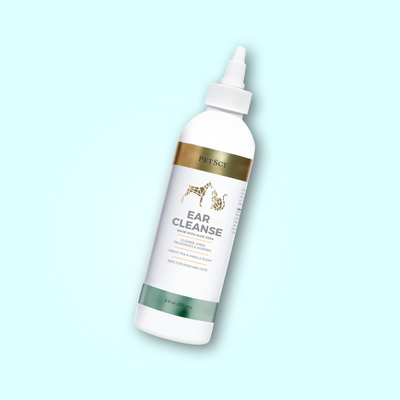
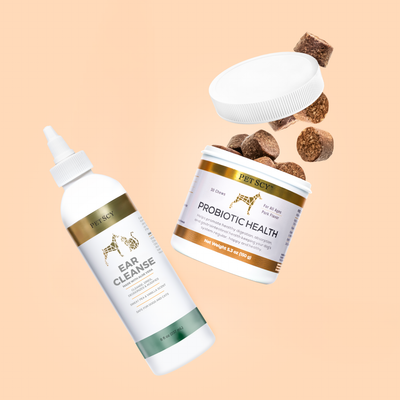
If you are trying to decide whether you need a general wipe, a medicated wipe, or a different ear or skin product, a targeted option like Ear Cleanse shows how topical products are often designed for one specific job rather than one catch-all use.
Common Active Ingredients and What Each One Does
A good wipe label tells you the job before you ever open the package. One formula may be aimed at bacteria on the skin, while another is built for yeast-prone areas or for simple surface cleaning. Reading that difference clearly helps you match the product to the problem instead of guessing from the front of the box.
The main ingredients you'll see
Chlorhexidine is the ingredient many dog owners notice first. It works on the skin surface as a local antiseptic, which is why it appears so often in veterinary products and in prescription-style formulas such as 2% chlorhexidine gluconate plus 1% ketoconazole in topical dog and cat wipes, including the DailyMed-labeled HexaChlor-K Wipes (DailyMed PDF). That pairing is meant for dermatologic problems that involve both bacteria and yeast.
Povidone-iodine is often used for short-contact cleaning of minor skin contamination. It is chosen when the goal is to clear the surface without leaving a heavy residue, especially around small areas that need a quick wipe.
Benzalkonium chloride is used for broad cleansing and antibacterial support. Owners may reach for it as a general antimicrobial wipe, but the ingredient still needs to fit the skin issue, not just the mess or odor.
Alcohol dries quickly, and that speed has a tradeoff. It can sting or over-dry irritated skin, so it tends to be a poor choice for sensitive areas, skin folds, or dogs whose skin barrier is already disrupted.
A wipe that feels stronger is not automatically a better match. On irritated skin, the gentlest formula that still fits the problem is usually the better choice.
How to read the label fast
Start with the active ingredient, then check the concentration and the intended use. A chlorhexidine-plus-ketoconazole wipe is a different tool from a general cleansing wipe, even when the packaging looks almost the same. If the label does not clearly tell you what the wipe is for, that is a sign to keep looking.
Other ingredients matter too, but for a different reason. They are the supporting cast: the part that helps the pad stay wet, stay stable, and feel less harsh on skin. Some formulas include skin-conditioning ingredients, which can make the wipe easier to use on a paw, fold, or irritated patch. Others are built more for cleaning power, which can be fine on one dog and too much on another.
That is why the ingredient list deserves a careful read. If you are choosing between a medicated wipe and a more general cleaner, a targeted product like Ear Cleanse shows how topical care is often designed for one specific job rather than one catch-all use.
When to Reach for Wipes and When to Skip Them
A dog can have one small spot that needs cleaning after a muddy walk, a minor scrape, or a damp fold that keeps trapping debris. In those moments, a wipe is a focused tool for one trouble spot. If the skin problem is spreading, deep, or clearly painful, save the wipe for later and look at the bigger problem first. A simple rule helps here, wipe for spot, bath for surface, vet for depth.
The situations where wipes fit
For minor wound cleaning, a veterinary antiseptic wipe can help keep the surrounding skin tidy, especially when the area is small and stable. It works best when you are cleaning surface debris around the problem, not trying to manage a wound that is opening up, swelling, or becoming more tender.
For hotspot-style irritation, wipes can help keep the edge clean while you arrange a vet visit. They can reduce the mess on the surface, but they do not take the place of treatment if the area is enlarging, wet, or causing obvious discomfort.
For yeast or fungal-prone skin, a chlorhexidine plus ketoconazole formula makes more sense because it addresses both bacterial load and yeast overgrowth. That is why a medicated wipe can fit recurring skin trouble better than a general cleaning pad. For routine paw and face cleaning, a gentler antimicrobial or cleansing wipe can remove grime from hard-to-bathe zones without turning a quick clean into a full bath routine.
The spots that benefit most are the ones that trap moisture and friction, paws, interdigital spaces, skin folds, armpits, and groin. Those areas are awkward for sprays and shampoos, and they are often where recurring irritation starts.
The situations where you should skip them
Use antiseptic wipes for surface cleanup, not as a substitute for a bath when the coat or skin needs wider treatment. Skip them on deep wounds, large raw areas, eyes, and mucous membranes unless a vet has specifically told you otherwise. If the problem looks more like a wound than a surface cleanup issue, the wipe is the wrong tool.
Some product categories also overlap with other topical routines. If you are comparing skin wipes with other care products and want a different example of a targeted topical format, PetScy's Keto Skin Wipes are positioned around antiseptic, antimicrobial, and antifungal use rather than routine grooming. For another example of a topical product made for a specific job, Ear Cleanse shows how some formulas are built for a narrower purpose than general cleansing.

Matching the Active Ingredient to the Skin Problem
Owners often ask for “the best wipe,” but that question skips the real decision. Start with the skin problem in front of you, then match the active ingredient to that job. A wipe for routine grime serves a different purpose than one meant for yeast-heavy skin, much like a kitchen sponge and a disinfecting cloth can both clean, but they are not built for the same mess.
A quick comparison of common formulas
| Active Ingredient | Best For | Avoid On | Typical Strength |
|---|---|---|---|
| Chlorhexidine only | Local antibacterial skin cleaning | Deep wounds, eyes, raw tissue | Antiseptic support for surface use |
| Chlorhexidine plus ketoconazole | Skin issues where yeast and bacteria may both matter | Simple routine cleaning when no skin problem is present | Common veterinary benchmark in topical wipes |
| Povidone-iodine | Short-contact wound cleaning | Sensitive or heavily irritated skin unless directed | Surface antiseptic use |
| Benzalkonium chloride | General antibacterial cleansing | Open, raw, or mucous-membrane areas | Broad cleansing support |
How to think about the tradeoffs
Chlorhexidine-only wipes are the classic antiseptic choice for localized skin support when you want one main active ingredient and no extra complexity. Chlorhexidine plus ketoconazole is more specific, because it addresses the mixed bacterial and yeast pattern that owners often see with recurring dermatitis. For that reason, a product like Keto Skin Travel Wipes fits problem skin better than plain paw dust, while PetScy's Keto Skin Wipes are positioned around antiseptic, antimicrobial, and antifungal use rather than routine grooming.
Povidone-iodine makes sense when the job is brief surface cleaning, but it is a poorer choice once the skin is already fragile or easily irritated. Benzalkonium chloride sits closer to general cleansing, which can be useful for surface care, but it does not replace a product chosen for the symptom pattern.
The mistake is buying by scent, packaging, or “all-purpose” claims. Read the active panel first, then ask whether the need is maintenance cleaning, bacterial support, or a wipe aimed at yeast-prone skin.
How to Use Antiseptic Wipes Safely Step by Step
A good wipe routine should feel calm, not improvised. If your dog tolerates handling, the process should be quick enough that the skin gets cleaned without turning the moment into a wrestling match. The point is contact, not scrubbing.

A simple routine that's easy to repeat
- Identify the exact area. Find the paw, fold, or patch that needs care, then keep the wipe limited to that zone.
- Brush off loose debris. Grit, hair, and dried mud can reduce contact, so clear the surface first.
- Wipe gently. Use light pressure and don't scrub, because friction can make irritated skin angrier.
- Let it sit briefly and air-dry. Short contact is the goal, and drying matters for skin comfort.
- Prevent licking until dry. One medicated wipe label specifically warns against licking while the skin is wet, which is a good general safety habit for topical care (Chewy product instructions).
Safety boundary: don't use antiseptic wipes on open wounds, cuts, raw skin, eyes, or mucous membranes unless your vet has directed you to.
What not to do
Don't soak the area. Don't keep re-wiping the same spot because it looks a little dirty. Don't layer wipes on top of a treatment plan you don't fully understand. These products are designed for short-contact cleaning, and overuse can make skin feel drier and more irritated instead of helping.
The cleanest wipe routine is usually the one your dog can tolerate without stress. If you're rewarded with calmer handling and a dry, comfortable paw afterward, you're using it the right way.
How to Choose a Vet-Formulated Fragrance-Free Wipe
A good wipe choice starts on the back label, because that is where the product explains what it can do. The front may signal comfort or convenience, but the ingredient panel tells you whether the wipe suits a dog with sensitive skin, recurring odor, or a routine clean-up after the park.
What to check before you buy
Look for a clear active ingredient and concentration. If the label does not say what is doing the work, you cannot match the wipe to the problem. A vet-formulated brand or an NASC-affiliated brand can be a helpful sign that the product follows a stronger quality framework, but the ingredient panel still deserves the final look.
Skip alcohol and fragrance. Alcohol can sting and dry skin, and fragrance can make already reactive skin harder to settle. For routine maintenance, a plain fragrance-free wipe is usually the calmer choice, especially for dogs that already scratch or lick at their paws.
Look for skin-conditioning excipients. Ingredients such as glycerin, aloe, lanolin, or propylene glycol help reduce drying and support comfort when wipes are used more than once. That matters because a wipe is not only cleaning the skin, it is also sitting on the skin long enough to affect how it feels afterward. If a formula cleans well but leaves the area tight, it may be too harsh for regular use.
Check the wipe size. Coverage matters more than many owners expect. A larger format, such as an extra-large 5-by-6-inch pad, makes it easier to clean bigger dogs or several spots without using multiple small pads (Petsmart product listing).
A quick buying filter
- Formula: fragrance-free and alcohol-free for sensitive dogs.
- Actives: clearly listed and matched to the skin issue.
- Comfort support: humectants or emollients included when possible.
- Size: large enough for the body area you clean.
- Use case: routine hygiene or problem-skin support, chosen with the ingredient panel in mind.
If you want a topical product example that stays in this read-the-label-first category, PetScy's Keto Skin Wipes show how a travel-oriented wipe format can be organized around a defined ingredient profile instead of a vague cleaning claim.
Red Flags That Mean It Is Time for the Vet
A wipe can handle surface dirt, mild residue, or a small irritated patch that stays local. Once the skin starts changing in a bigger way, you are looking at a medical problem that needs more than home cleaning.
Signs home care has hit its limit
Watch for spreading redness, hot spots that grow overnight, persistent odor, oozing, raw skin, swelling, fever, lethargy, or scratching that keeps your dog from resting. Those signs point away from simple surface grime and toward something that needs an exam.
A simple way to sort it out is to ask whether the area is staying the same or changing. If a patch is getting larger, wetter, warmer, or more painful, the issue is moving beyond routine hygiene. Repeated chlorhexidine use can also backfire if the skin is already fragile. Over-drying can worsen barrier disruption and itch, which makes owners think the wipe is helping when the skin is getting more irritated. That is the trap with treating every flare the same way.
Fridge rule: spread, ooze, swell, smell, these four mean vet, not wipe.
A quick decision card
Use a wipe for stable, minor irritation, routine paw maintenance, and localized skin cleanup.
Skip the wipe for deep wounds, eyes, raw tissue, and anything that seems more painful than superficial.
Choose the active ingredient by the skin problem, not by the box art.
Stop home care if the area spreads, weeps, swells, or smells stronger.
Call the vet when the pattern looks infected, not just dirty.
A first-time owner can use that card as a boundary check. If the problem is staying small and the skin looks mostly intact, a wipe may fit the job. If the skin is open, painful, or changing fast, the right next step is a vet visit.
That leaves one last question for a lot of first-time owners, and it usually comes up right after a walk or bath, when the paw still looks a little rough and you're wondering whether a wipe is enough.
Frequently Asked Questions About Antiseptic Wipes for Dogs
A cracked paw pad can leave owners second-guessing every step. A wipe may still have a place, but only on the healthy skin around the crack and only after a vet has ruled out a deeper infection inside the pad. If the crack is open or painful, the wipe does not solve the problem.
Hot spots raise a similar question because they can look like simple irritation at first. Wipes may be used at the edge of the area while you arrange a vet visit, but a hot spot that is spreading or weeping needs proper treatment rather than more wiping. The wipe can support cleanup, yet it cannot replace care for inflamed skin that is actively worsening.
Daily wiping for routine hygiene can help in small doses, as long as the skin tolerates it. Too much wiping can dry the skin and disturb the barrier, so frequent use should stay gentle and may need to alternate with plain water or a conditioning wipe. The goal is maintaining skin comfort through gentle, balanced care.
Human antiseptic wipes are a poor backup for dogs in most cases. Many contain ingredients that are too harsh for canine skin or are not labeled for dogs at all, so a clean damp cloth is usually the safer short-term option while you call your vet. Human skin products often address a different problem than the one your dog is having.