









10 Best Anti Itch for Dogs: Vet-Approved Relief in 2026
Your dog is scratching again, and you're probably doing the same mental loop you did last night. Is it fleas, food, pollen, dry skin, or something bigger. Often, the best anti itch for dogs isn't always one product, it's the right mix of relief, skin support, and, when needed, vet care.
That's especially true because canine itch is often chronic, not casual. In a 2026 global survey summary, 1 in 3 U.S. dogs with allergic skin disease were reported as severe, 49% were moderate, and 67% were between 1 and 6 years old. The same source also noted that 36% of U.S. veterinarians switched therapies within the previous year, and owners most often stopped antipruritic products because they weren't effective enough or were too expensive, which tells you what really matters over time, sustained relief, tolerability, and practical cost in a problem that keeps coming back (MSD Animal Health fact sheet).
Before you chase another random spray or chew, start with the underlying cause. Veterinary guidance emphasizes that treatment should begin by identifying and eliminating the source, whether that's fleas, allergies, or infection, and acute flares often need bathing plus prescription therapy rather than a single OTC fix (dog itch and allergy management overview). For a broader shampoo-focused starting point, you can also compare the finding the right dog shampoo guide.
Table of Contents
- 1. PetScy Itch Relief Chews
- 2. Apoquel Oclacitinib Zoetis
- 3. Cytopoint Lokivetmab Zoetis
- 4. Zenrelia Ilunocitinib Elanco
- 5. Befrena Tirnovetmab Elanco
- 6. Atopica Cyclosporine Elanco
- 7. PetScy Aloe and Oatmeal Shampoo
- 8. Douxo S3 Calm Shampoo and Mousse Ceva
- 9. ZYMOX Topical Spray With 1% Hydrocortisone
- 10. Veterinary Formula Clinical Care Hot Spot and Itch Relief Shampoo
- Top 10 Dog Anti‑Itch Treatments Compared
- Building a Complete Itch-Relief Plan for Your Dog
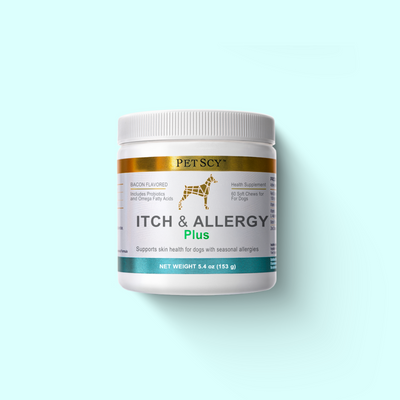
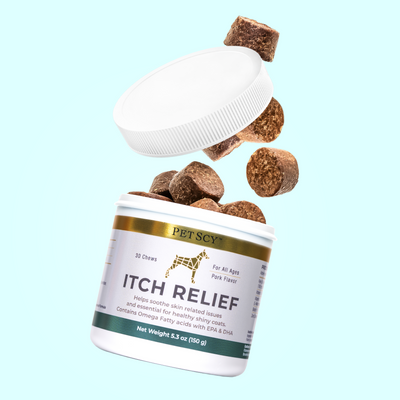
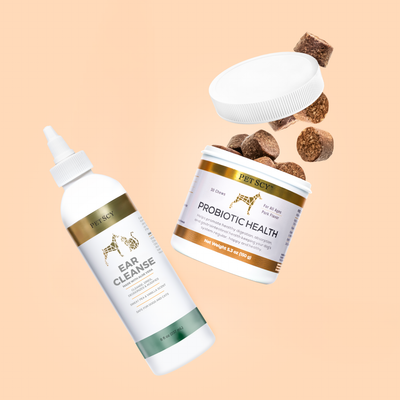
1. PetScy Itch Relief Chews
PetScy's Itch Relief Chews make sense as a first foundation when the itching is recurring, seasonal, or tied to dry, irritated skin. I like this kind of approach for dogs that need daily support, because chronic itch rarely improves with a one-time fix, it improves when skin resilience gets better over time. PetScy positions the chew as a skin-first option for allergy-prone dogs, and that fits the fact that many itchy dogs need sustained support, not just a quick quieting of symptoms.

The strongest part of this format is convenience. A chew is easier to keep going than a powder, and consistency matters when you're managing an itch cycle that keeps returning after walks, yard time, or seasonal shifts. PetScy also highlights omega-3 support, which is the kind of internal care that pairs well with topical routines rather than competing with them.
Why it works better as a foundation than a rescue product
The trade-off is simple. Chews are useful for support, but they're not an instant stop button for a dog that's red, raw, or very uncomfortable. If your dog is already chewing paws nonstop or waking up at night, a chew alone may be too gentle. That's where a veterinarian can help decide whether you need topical therapy, prescription medication, or both.
Practical rule: if the itch is mild to moderate and recurring, start with a daily internal support plan, then layer topical care. If the dog is actively miserable, don't wait for a supplement to do the job alone.
PetScy also publishes helpful practical guidance on getting started with chew routines in its itch chew tips, which is useful if you're trying to stay consistent without overcomplicating the routine. For dogs with fish sensitivities or severe allergic disease, this won't be the whole answer, but it can be a strong starting point in a broader plan. It's the kind of product that helps most when you think long-term, not when you're trying to suppress a flare in one afternoon.
2. Apoquel Oclacitinib Zoetis
When itching is intense, Apoquel is one of the better-known prescription options because it's built for allergic itch control, not general skin comfort. The draw here is speed and flexibility, especially if your dog needs an oral option and your veterinarian wants a non-steroidal choice. Zoetis offers it as a prescription medication, and the product's role is very different from a shampoo or supplement, it's for dogs that need more direct itch control under veterinary oversight (Zoetis Apoquel).

A randomized, blinded, placebo-controlled trial of oclacitinib in dogs with allergic dermatitis reported a 29.5% reduction in pruritus within 24 hours, compared with 6.5% with placebo, and by day 14 the reduction reached 67% versus 3.9% for placebo. The study also found efficacy was significantly better than placebo at every measured time point (oclacitinib trial). That's the kind of evidence that matters when a dog is scratching hard enough to damage the skin.
Where Apoquel fits, and where it doesn't
Apoquel is best for dogs who need a veterinary prescription and rapid relief, but it's not a casual OTC trial. It's also not the right answer for every age group, since the product is for dogs 12 months and older. Cost can become a real issue in larger dogs over long periods, so it's worth discussing whether your veterinarian wants it as a bridge, a maintenance drug, or part of a rotation with other therapies.
Good fit: allergic itch that needs fast oral control.
Poor fit: very young dogs, dogs with unclear diagnoses, or cases where the root cause hasn't been addressed yet.
I'd also keep this in mind, an oral prescription can calm the itch while you still work on fleas, infection, food trials, or barrier repair. That's not a weakness, it's the point. For many families, Apoquel is the difference between a dog that keeps tearing up the skin and one that finally settles enough for the rest of the plan to work.
3. Cytopoint Lokivetmab Zoetis
Cytopoint fits a different kind of household, the one that wants infrequent dosing and clinic-administered treatment. It's a monoclonal antibody injection that targets IL-31, a key itch signal, so it's not a steroid and not a classic systemic immunosuppressant. Zoetis positions it as a long-acting option for allergic pruritus, and that makes it especially attractive for dogs who struggle with daily pills or for owners who prefer a schedule measured in weeks, not hours (Zoetis Cytopoint).
In practice, the appeal is convenience plus targeted action. Many dogs do well with the idea of one clinic visit followed by a stretch of relief, and that can be easier to live with than dosing every day. The product is typically discussed as lasting about 4 to 8 weeks, which is why it often shows up in long-term itch control conversations.
The trade-off is access, not just efficacy
Cytopoint requires a clinic visit and injection every time you use it. That matters if your dog hates the vet or if travel is hard, and it also means the treatment plan depends on what your clinic stocks and recommends. Owners often talk about cost variability because it can shift with dog size and clinic pricing, so the “best” choice here is often as much about logistics as biology.
Controlled evidence matters here because allergic dogs don't just need something that sounds good, they need relief that lasts long enough to matter. A treatment that quiets itch for a few days and then fades can still leave you stuck in the same cycle. Cytopoint's strength is that it can bridge that gap without daily dosing.
Best for: owners who want infrequent dosing and dogs that tolerate injections well.
Not ideal for: families trying to avoid clinic visits or wanting an at-home-only protocol.
This is the kind of product I'd look at when a dog is otherwise manageable but keeps relapsing despite topical care and environmental control. It's also a good example of why the best anti itch for dogs is not always a chew or shampoo. Sometimes the right answer is a biologic that lets the skin finally calm down long enough for the rest of the plan to work.
4. Zenrelia Ilunocitinib Elanco
Zenrelia is another prescription oral option, and it matters because some dogs and households do better with a once-daily tablet than an injectable biologic or a different oral medication. Elanco describes it as a JAK inhibitor approved for allergic dermatitis and atopic dermatitis in dogs 12 months and older, which places it in the same serious-treatment category as other prescription itch medicines, not the supplement aisle (Elanco Zenrelia).

The practical advantage is straightforward, daily dosing can be easier to build into a routine than a more complex protocol. For many owners, that matters more than the pharmacy label language. If a dog eats breakfast predictably, a once-a-day pill can be much easier than trying to time multiple topical steps and weekly baths.
Why the safety discussion matters here
Prescription itch drugs always deserve a vet conversation about context, not just symptom suppression. Elanco's product information notes that vaccination timing may need to be considered because the medication can blunt vaccine response, so this is one of those moments where your vet's schedule matters as much as the tablet itself. That's not a reason to avoid it automatically, but it is a reason to treat it as a managed therapy.
The other reality is that a prescription oral doesn't solve everything alone. If the underlying cause is fleas, infection, or food sensitivity, the dog may keep cycling between better and worse. A good response to Zenrelia still needs skin care, parasite prevention, and a plan for the original trigger.
Use case: a dog that needs daily prescription control and does well with oral medication.
Watch point: this is not an “if it helps, keep guessing” product, vet oversight is part of the value.
If Apoquel is a familiar name in the itch world, Zenrelia belongs in the same discussion as a modern oral option that gives veterinarians another route to tailor care. For families trying to balance practicality and performance, that flexibility can matter a lot.
5. Befrena Tirnovetmab Elanco
Befrena is interesting because it broadens the biologic options for dogs who need clinic-based itch relief. Elanco markets it as a monoclonal antibody injection that targets itch signaling, with onset reported within 24 hours and dosing approximately every 6 to 8 weeks, which makes it a long-interval option for dogs with allergic pruritus (Elanco Befrena).
What stands out here is the simplicity of the schedule. Owners who struggle with daily pill compliance often do better when the clinic handles dosing, because there's less room for missed doses or accidental double-dosing. That convenience is especially valuable in dogs whose itch is predictable but persistent.
The upside is convenience, the downside is dependence on the clinic
This is not an at-home product, so the owner's job shifts from administering treatment to maintaining appointments and monitoring response. That can be a good thing if your dog is hard to medicate or if you want to avoid a daily drug routine. It can be less convenient if your schedule is already packed or your clinic is far away.
Newer biologics also tend to raise practical questions about availability and price. Those details vary by clinic, and the product may not be the first line for every itchy dog. In a stubborn case, though, it can be the option that finally breaks the cycle after simpler measures have failed.
Best for: dogs with allergic itch that need long-acting, clinic-administered relief.
Less ideal for: households looking for a low-cost, fully at-home plan.
A biologic like Befrena is most useful when you already know the dog's itch is recurring and allergy-related, not when the diagnosis is still a mystery. That's the key difference between symptom suppression and a real plan. The best results usually come when the injection is paired with skin-barrier care and the right diagnosis, not when it's used as a stand-alone guess.
6. Atopica Cyclosporine Elanco
Atopica is the slower-burn prescription option on this list, and that's not a flaw, it's part of how cyclosporine works. It's an oral immunomodulator used for clinical signs of atopic dermatitis, and veterinarians often think of it as a maintenance tool rather than a quick rescue. Elanco's formulation is meant for long-term dermatology management, which suits dogs whose itch keeps coming back even after the flare settles (Elanco Atopica).
The biggest difference from the faster prescription options is timing. Atopica often takes weeks to reach maximal benefit, so it's not the thing you reach for when a dog is in a bad flare tonight. It becomes more valuable when the goal is steady control and the vet wants a steroid-sparing path.
Why some dogs stay on it long term
Some dogs need a maintenance framework that doesn't rely on repeated emergency interventions. Atopica can serve that role, especially if the dog has ongoing allergic skin disease and other approaches haven't been enough. In long-running cases, that matters because the cost of uncontrolled scratching isn't just discomfort, it's skin damage, infection risk, and a household that never gets a break.
The downside is that the waiting period can frustrate owners who expected a fast fix. GI upset can happen, and some dogs need monitoring or bridging therapy while the medication ramps up. That's why this product fits best in a plan, not as a lone experiment.
Use it when: you need long-term control and your vet wants a non-steroidal maintenance strategy.
Skip it as a first guess if: you need immediate itch relief tonight.
Atopica earns its place because chronic atopic dermatitis often needs more than quick symptom relief. It needs a drug that keeps the inflammation from rebuilding every week. For the right dog, that slower approach is exactly what keeps life stable.
7. PetScy Aloe and Oatmeal Shampoo
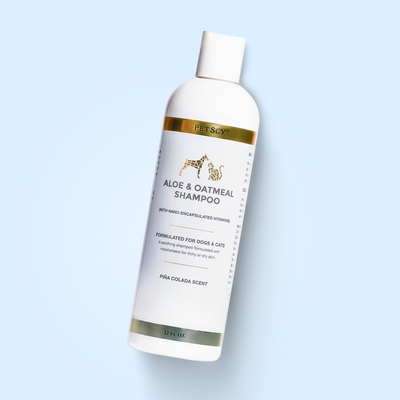
If the skin is dry, irritated, and reacting to everything, a good shampoo can do more than people expect. PetScy's Aloe and Oatmeal Shampoo is built for gentle cleansing and moisture support, which is why it belongs in the regular care category rather than the emergency-only pile. It's the kind of product I'd reach for when the coat needs calming, the skin needs hydration, and you want a soap-free routine that doesn't strip things worse (PetScy Aloe and Oatmeal Shampoo).

Topical care becomes more than a side note. Independent guidance on dry-skin itch notes that moisturizers, oatmeal baths, and soothing topicals can be especially helpful in dry climates and winter months, when low humidity and indoor heat worsen dryness (dry skin and itch guidance). That's a real distinction, because not every itchy dog is primarily dealing with allergy chemistry, some are dealing with barrier damage that makes everything sting.
Why bathing helps more than many owners expect
Bathing can remove allergens from the coat, calm irritation, and make the next step in the routine work better. That doesn't mean every dog enjoys the process. It does mean a thoughtful shampoo can be one of the easiest ways to interrupt the itch-scratch cycle before it becomes a bigger wound problem.
PetScy's guidance on coat care also pairs well with this kind of routine, especially if your dog's skin reacts to poor grooming or infrequent bathing. You can review that approach in the company's tips to keep your dog's coat looking great, which is helpful if you're trying to keep the routine gentle and consistent. For dogs with dry, flaky skin and mild seasonal itch, a shampoo like this can be one of the smartest low-drama tools you own.
8. Douxo S3 Calm Shampoo and Mousse Ceva
Douxo S3 Calm is a supportive skin-care system rather than a standalone cure, and that's exactly why it works for many itchy dogs. Ceva built it around the Ophytrium complex to soothe sensitive skin and support the skin barrier and microbiome, which makes it especially useful as part of a multi-step regimen. The best thing about it is flexibility, you can use the shampoo after a bath or the leave-on mousse between baths (Douxo S3 Calm Shampoo).
This is the kind of product I'd pair with veterinary-directed therapy when the skin needs a lot of maintenance but not every flare needs a prescription rescue. It's also a practical fit for dogs who tolerate topical care better than pills. Leave-on mousse matters because some owners can manage that more easily than full baths every time the skin acts up.
Good supportive care, not a solo answer
The limitation is obvious once you've lived through a bad flare. Supportive topical care helps, but moderate to severe atopic dermatitis usually needs more than soothing ingredients. If the dog is inflamed, infected, or chewing raw spots, this product can support the plan but probably can't carry it by itself.
That's why the best use case is regular, consistent support between vet visits. When skin gets irritated easily, a leave-on product can reduce the gap between baths and help preserve the progress you've already made. It's useful, practical, and often underestimated because it doesn't look dramatic on the shelf.
Best for: ongoing maintenance, sensitive skin, and combination plans.
Not enough alone for: significant allergic dermatitis with redness, sores, or major itch.
For a lot of families, this is the middle ground that keeps a dog comfortable without overmedicating. It's not flashy, but it helps keep the skin barrier from falling apart again.
9. ZYMOX Topical Spray With 1% Hydrocortisone
Sometimes the problem is local, a hot spot, a small itchy patch, or a flare that needs spot control. ZYMOX Topical Spray with 1% Hydrocortisone is built for that situation. It combines the LP3 enzyme system with a topical steroid, and the brand positions it as a non-stinging, alcohol-free spray for targeted use on flare-ups (ZYMOX Topical Spray).
This kind of product matters because many dogs don't need a full-body strategy every time they scratch. Sometimes they need one irritated area calmed quickly so they can stop reopening it. A localized spray is useful when the dog has a hot spot but doesn't need a heavy daily systemic medication.
Know the limit of spot treatment
The steroid content is exactly why this should stay targeted and short-term unless your veterinarian says otherwise. It's not the best choice for large-area or long-term continuous use, and it isn't meant for deep wounds or sensitive locations like the eyes. That trade-off is normal, a product that works fast in one place may be the wrong tool for long-term broad use.
What I like about spot sprays is how practical they are. They're easy to keep around for flare-ups, and they can help prevent a small problem from becoming a bigger one if you catch it early. That's valuable for dogs that get seasonal hot spots or lick one area raw after a walk.
Use it for: localized flare-ups and hot spots.
Avoid it for: whole-body long-term management without vet guidance.
For owners trying to build a home kit, this is one of the smarter tools to keep on hand. It won't solve the root cause, but it can buy you time and reduce the damage while you address what's triggering the itch.
10. Veterinary Formula Clinical Care Hot Spot and Itch Relief Shampoo
This shampoo is for the owner who wants something practical, accessible, and easy to fold into routine care. Veterinary Formula Clinical Care Hot Spot and Itch Relief Shampoo combines lidocaine, hydrocortisone, and colloidal oatmeal, which gives it a straightforward role in calming inflamed, itchy skin while supporting the epidermal barrier (Veterinary Formula shampoo).
The appeal here is that it's a straightforward at-home option for hot spots and seasonal flares. Used as directed, it fits nicely into a bathing routine and can help calm a dog that's itchy enough to keep licking but not necessarily in crisis. It's also the sort of product that many owners can buy without a lot of friction, which matters when you need to act before the skin gets worse.
A useful budget option, with a real caveat
The main limitation is the same one you see with other steroid-containing topicals. You can't treat every itch as a shampoo problem, and you shouldn't keep using a steroid product forever just because it helps in the short term. Dogs that need repeated courses should be evaluated by a veterinarian so you don't miss infection, parasites, or an ongoing allergic trigger.
Still, this is a useful bridge product. It can help when the skin is inflamed, the dog needs a bath anyway, and you want a familiar, no-nonsense formula that doesn't require a clinic visit. The contact time during bathing can be a hassle, but for many dogs it's worth the effort.
Best for: seasonal flare management and hot spots at home.
Not the answer for: deep, chronic, or unexplained itching that keeps returning.
If you're building a home shelf of practical itch tools, this is one of the more accessible choices. It won't replace a diagnosis, but it can make the dog much more comfortable while you work on the bigger picture.
Top 10 Dog Anti‑Itch Treatments Compared
| Product | Primary benefit | Form & key features (✨) | Effectiveness & speed (★) | Convenience (dosage/frequency) | Value & audience (💰 / 👥) |
|---|---|---|---|---|---|
| 🏆 PetScy Itch Relief Chews | Soothes seasonal itch, hydrates skin | Chewable; high EPA/DHA; vet‑formulated; made in USA ✨ | ★★★★, gradual (weeks) | Daily chew; subscription available | 💰 Moderate/subscription · 👥 Mild–moderate allergy dogs |
| Apoquel (oclacitinib), Zoetis | Rapid control of allergic itch | Oral JAK inhibitor tablets; weight‑based dosing ✨ | ★★★★★, fast onset (hours–days) | Daily or as prescribed; prescription | 💰 Higher, Rx · 👥 Moderate–severe itch; vet‑managed |
| Cytopoint (lokivetmab), Zoetis | Targets itch cytokine IL‑31 | Clinic injection monoclonal antibody ✨ | ★★★★★, relief ~24 hrs; lasts 4–8 wks | Single injection every 4–8 weeks (clinic) | 💰 Variable/clinic · 👥 Owners wanting infrequent dosing |
| Zenrelia (ilunocitinib), Elanco | Oral JAK inhibitor for atopic/allergic dermatitis | Once‑daily oral tablet; FDA‑approved ✨ | ★★★★★, rapid relief | Daily oral dosing; prescription | 💰 Moderate (label dose) · 👥 Dogs 12+ months; vet‑overseen |
| Befrena (tirnovetmab), Elanco | Biologic IL‑31 blocker for pruritus | In‑clinic monoclonal injection; long‑acting ✨ | ★★★★★, ~24 hrs onset; ~6–8 wks duration | Clinic visit every 6–8 weeks | 💰 Variable/new product · 👥 Alternative biologic candidates |
| Atopica (cyclosporine), Elanco | Immunomodulator for atopic dermatitis | Oral cyclosporine capsules; steroid‑sparing ✨ | ★★★★, slower onset (weeks) | Daily dosing; may taper long‑term | 💰 Moderate · 👥 Long‑term maintenance patients |
| PetScy Aloe & Oatmeal Shampoo | Soothes & hydrates irritated skin | Gentle, soap‑free shampoo; aloe & oatmeal ✨ | ★★★★, immediate soothing; supportive | Bath routine (2x as needed) | 💰 Good value · 👥 Sensitive/scratchy skin dogs |
| Douxo S3 Calm Shampoo & Mousse (Ceva) | Soothing topical support; barrier & microbiome care | Shampoo + leave‑on mousse; Ophytrium complex ✨ | ★★★★, supportive (weeks) | Bath + leave‑on mousse between baths | 💰 Moderate · 👥 Supportive care alongside vet therapy |
| ZYMOX Topical Spray w/1% Hydrocortisone | Spot treatment for hot spots & flare‑ups | Enzyme system + 1% hydrocortisone spray ✨ | ★★★★, quick spot relief | Topical as needed; label cautions | 💰 Moderate · 👥 Localized hot‑spot treatment |
| Veterinary Formula Clinical Care Hot Spot Shampoo | Medicated relief for hot spots & inflamed skin | Lidocaine + hydrocortisone + oatmeal ✨ | ★★★, effective for flare management | Bath with contact time; 2x weekly typical | 💰 Budget‑friendly · 👥 Owners needing affordable medicated option |
Building a Complete Itch-Relief Plan for Your Dog
Finding the right product is only part of the job. The dogs that do best usually get a multi-modal plan, meaning one product calms the itch, another supports the skin barrier, and a veterinarian helps decide whether the underlying cause needs prescription treatment. That approach lines up with the reality of canine skin disease, which is often chronic and often stubborn rather than simple.
For many dogs, the best routine starts with an internal foundation, then adds topical support. A chew like PetScy's Itch Relief Chews can help with daily resilience, while a soothing shampoo such as PetScy Aloe and Oatmeal Shampoo or Douxo S3 Calm can help clean the coat, remove allergens, and support the skin barrier. For localized flares, a spot spray like ZYMOX Topical Spray with 1% Hydrocortisone can keep a hot spot from escalating.
The bigger lesson is that itch doesn't always mean the same problem. Some dogs need allergy control, some need moisture and barrier repair, and some need prescription medication because the inflammation is already too intense for OTC care. Veterinary sources are clear that treatment should start by identifying and eliminating the cause, and in acute flares, bathing plus prescription anti-inflammatory or anti-pruritic therapy may be needed rather than a single product (canine itchy skin management overview).
A practical home routine also matters. Regular brushing helps remove dander and allergens, bathing keeps the coat cleaner, and wiping paws after outdoor exposure lowers the amount of pollen and debris your dog brings back inside. Those steps sound small, but they often decide whether a dog stays mildly itchy or slides into a bigger flare. In dry months or dry climates, gentle moisturizers and oatmeal-based care can be especially useful because barrier damage can be part of the problem, not just allergy exposure (dry skin guidance).
See your veterinarian if the scratching is constant, the skin is red or painful, you notice odor or discharge, or home care isn't moving the needle. If your dog is one of the many chronic itch cases that keeps cycling through new products, the fastest path forward is a diagnosis and a layered plan, not another guess. The right combination can restore comfort, protect the skin, and make the whole house feel calmer again.
PetScy builds vet-formulated products for the same real-world problems covered here, from Itch Relief Chews for daily skin support to Aloe & Oatmeal Shampoo for gentle topical care. If your dog's itching keeps coming back, visit PetScy to explore skin-support products that fit into a practical, vet-minded routine.