









Best Conditioner for Dogs Dry Skin: 2026 Guide
You notice the flakes before your dog does. White specks collect on the bed, your dog scratches just before dawn, and a coat that used to feel smooth now looks dull and rough. It's natural to reach for conditioner for dogs with dry skin, but the right product depends on what's causing the dryness.
Mild environmental dryness may respond well to a gentle rinse or leave-on formula. A damaged skin barrier, allergy, infection, or another medical problem needs a more targeted plan. The safest approach is to identify the pattern first, then choose the conditioner format and ingredients that fit it.
Table of Contents
- What Dry Skin Really Looks Like on a Dog
- Why Dog Skin Gets Dry in the First Place
- Key Ingredients That Help
- Rinse-Out vs Leave-In vs Topical Mousse
- How to Apply Conditioner for the Best Results
- When Conditioner Is Not Enough and You Need a Vet
- Choosing the Right Product and Quick Answers
What Dry Skin Really Looks Like on a Dog
Milo's owner first noticed the problem on the couch. Fine flakes appeared where he slept, and he scratched during the early morning when the house was quiet. His coat looked dusty rather than glossy, but his skin wasn't red, smelly, or sore.
That pattern can fit mild dryness, especially after indoor heating, a recent bath, or exposure to dry weather. Simple dryness usually looks like light flaking, a slightly rough coat, and occasional scratching. Your dog should otherwise seem comfortable, with normal energy and no obvious skin damage.
A different pattern deserves more caution. Allergies, infection, parasites, and other dermatologic conditions can cause persistent itch, redness, greasy or sticky scale, odor, hair loss, or repeated licking. Dry skin may also appear alongside broader health problems, including endocrine disease. Conditioner can soften flakes and make the coat look better while leaving the cause untouched.
A quick home check
Part the coat in several places, especially along the back, belly, armpits, paws, and behind the ears. Look at the skin rather than judging the coat alone.
- Check the color: Healthy-looking skin may vary by breed and pigmentation, but new redness, swelling, crusts, or raw patches are warning signs.
- Notice the smell: A persistent unpleasant odor from the skin or ears is more concerning than ordinary post-bath dog smell.
- Watch the scratching: Occasional scratching is different from repeated bouts that interrupt rest, play, or sleep.
- Feel the coat: Dryness often makes fur feel coarse or brittle. Greasy, clumped, or waxy fur points toward a different problem.
- Look for hair changes: Bald spots, sudden thinning, or broken hair shouldn't be treated as a cosmetic issue.
Practical rule: Conditioner is reasonable for recent, mild flaking when the skin looks calm. If the skin is inflamed, painful, smelly, or losing hair, contact your veterinarian before adding more grooming products.
Canine atopic dermatitis is commonly estimated at 3–15% prevalence, and a U.S. study of 31,484 dogs seen at 52 veterinary practices reported atopic or allergic dermatitis in 4.7% of dogs (veterinary review and study summary). Those figures don't diagnose your dog, but they show why “dry skin” can sometimes be part of an allergic skin pattern rather than a moisture problem alone.
Why Dog Skin Gets Dry in the First Place
A dog can develop flakes after a dry winter, a hot bath, or a change in grooming products. That does not always mean the skin needs more moisture on its surface. The first question is whether the outer barrier is temporarily dry or has become weakened and needs targeted lipid, including ceramide, support.
The outer skin layer functions like a brick wall: skin cells are the bricks, while lipids such as ceramides act as the mortar between them. When that mortar stays organized, the barrier helps retain water and keep irritants out.
If the barrier weakens, water escapes more readily and the skin can become flaky and reactive. Allergens and irritants may also pass through more easily. Research on canine atopic dermatitis connects impaired barrier function with increased transepidermal water loss, or TEWL, along with xerosis, flaking, and greater allergen penetration (canine atopic dermatitis review).

The common triggers
Dry air can draw moisture from exposed skin, especially during heating seasons or in arid climates. A rinse-out conditioner may smooth the coat, while a leave-on product or mousse can offer more contact time when the barrier needs extra support.
Bathing practices matter too. Frequent bathing, very warm water, harsh cleansers, or poor product choices can remove surface lipids and leave skin feeling tight. A gentle shampoo routine should come first, followed by the conditioner format that matches the problem.
Allergies cause inflammation that can disrupt the barrier. Environmental allergens, food reactions, and flea allergy may lead to scratching and licking, which further injure the skin. Conditioner can improve comfort, but it cannot replace allergy management.
Nutrition, inherited tendencies, and endocrine disorders can also affect skin and coat quality. These causes do not respond to one topical routine, so recurring or severe dryness warrants veterinary assessment.
Conditioner mainly supports water loss, surface roughness, and barrier support. For simple environmental dryness, that may be enough. Suspected barrier dysfunction may call for ceramide-focused care, while inflamed, painful, smelly, or hair-losing skin needs a veterinarian rather than more conditioner.
Key Ingredients That Help
Read a conditioner label by function rather than by its most appealing botanical name. A useful canine formula may draw water into the outer skin, slow moisture loss, replace barrier lipids, or calm mild surface irritation. The right combination depends on whether your dog has simple environmental dryness or a weaker skin barrier.
Humectants, such as glycerin and propylene glycol, bind water in the outer skin layer. A controlled canine study found that a moisturizer containing glycerol and propylene glycol supported recovery after experimental barrier disruption, with lower TEWL and improved epidermal structure at treated sites (controlled moisturizer study).
Ceramides and other lipids help restore the spaces between skin cells, much like mortar supports a brick wall. Canine skin-equivalent research found greater ceramide content in treated samples, 51.7±1.3 compared with 41.6±1.4 in untreated controls, together with a thicker epidermis and denser stratum corneum (canine lipid supplementation research). This makes lipid-focused care more relevant for recurring dryness or suspected barrier dysfunction than for a coat that feels rough after one bath.
Occlusives form a light surface layer that slows water escape. They may suit dry elbows, noses, or other limited areas, although a heavy formula can weigh down the coat and encourage licking. Colloidal oatmeal or aloe may ease mild irritation, but neither should conceal infection, open sores, or significant inflammation.
For practical guidance on reading conditioner labels, see this explanation of how to pick conditioner ingredients. Human hair products still do not belong on dogs without veterinary guidance, but these functional categories can clarify what a canine product is designed to do.
| Ingredient type | Examples | What it does | Best for |
|---|---|---|---|
| Humectants | Glycerin, propylene glycol | Binds water in the outer skin layer | Flaking and mild dehydration |
| Occlusives | Balm-like emollients, protective oils | Slows moisture escape from the surface | Localized rough elbows, paws, or nose |
| Ceramides and lipids | Ceramides, lipid blends | Supports the barrier structure between skin cells | Recurrent dryness and barrier dysfunction |
| Soothing agents | Oatmeal, aloe | Helps calm surface irritation | Mild sensitivity and post-bath discomfort |
Choose a dog-specific, fragrance-light formula with a clear purpose. If the skin is smelly, painful, losing hair, or affected by suspected yeast, bacterial disease, or significant allergy, conditioner alone is unlikely to address the cause. Ask your veterinarian whether medicated treatment or targeted barrier support belongs in the plan.
Rinse-Out vs Leave-In vs Topical Mousse
The best format depends on where the problem appears and how your dog tolerates grooming.
A rinse-out conditioner suits a full bath. Apply it through the coat, work it toward the skin, allow the product to sit according to its label, and rinse thoroughly. This is a practical choice for a dog with general coat dryness, tangles, or rough fur after routine washing.
A leave-in spray works between baths. It's lighter, easier to distribute through a damp coat, and useful for detangling or maintaining comfort when another full bath would be unnecessary. It can suit a short-haired urban dog who gets dry after frequent cleaning, or a double-coated retriever whose coat needs conditioning without repeated shampooing.
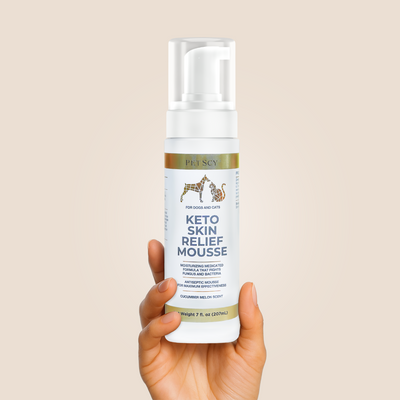
A topical mousse makes more sense for targeted areas. It can be spread over elbows, small dry patches, or sensitive regions without coating the entire dog. PetScy's Keto Skin Relief Mousse is described as a topical option for dry, itchy skin that hydrates and soothes irritated areas. Follow the product directions and avoid applying any formula to damaged skin unless your veterinarian approves it.

Match the format to the dog
- Short-haired dog with mild, widespread dryness: Start with a gentle rinse-out conditioner during the normal bath routine.
- Double-coated dog with rough fur between baths: Use a light leave-in spray on a damp coat, then brush through carefully.
- Paw-licking allergy dog: Don't assume the paws are merely dry. Ask a vet about the allergy pattern, then use a targeted product only if it fits the care plan.
- Senior dog with thin or fragile skin: Choose a mild, easy-to-spread leave-on formula and use gentle handling. Avoid aggressive scrubbing and stop if the skin looks sore.
Veterinary dermatology guidance recommends applying leave-on conditioners within 1 hour after drying to help reduce TEWL, since bathing can strip surface lipids (veterinary dermatology guidance). That timing makes a leave-on product particularly useful after a bath, while mousse is convenient when only a few areas need attention.
How to Apply Conditioner for the Best Results
A dry, tangled coat can prevent conditioner from reaching the places that need it. Begin with a dry-coat brush-out, using a slicker brush and comb suited to your dog's coat. Remove loose hair and surface debris before water tightens the tangles. This also gives you a clearer view of the skin.
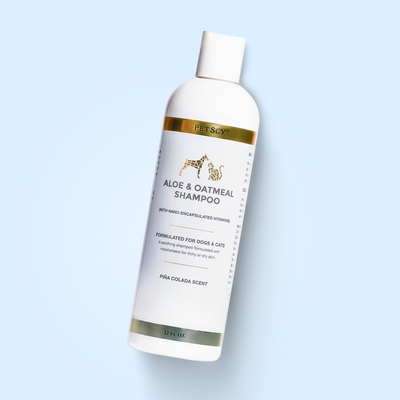
Wet the coat thoroughly with comfortably warm water. If appropriate for your dog, use a moisturizing dog shampoo such as PetScy Aloe & Oatmeal Shampoo. Work the cleanser gently down to the skin, rinse until the water runs clear, and keep products away from the eyes and ear canals.

A practical bath sequence
- Brush before bathing. Wet tangles are harder to remove, and brushing helps you inspect the skin.
- Clean gently. Choose a canine shampoo that fits the skin concern, never a human cleanser.
- Dilute when the label allows it. Adding water can help spread a rinse-out conditioner evenly. Follow the manufacturer's directions.
- Apply to damp, not dripping, fur. Press out excess water, then work conditioner through the coat and toward the skin, concentrating on visibly dry areas.
- Allow contact time. Follow the label. Some rinse-out products need several minutes to coat and soften the fur and skin.
- Rinse completely. Leftover residue may irritate the skin or leave the coat greasy.
For a leave-on product, towel dry until the coat is damp rather than soaked. Apply it within 1 hour after drying, the timing described in veterinary dermatology guidance for reducing TEWL (post-drying leave-on guidance). Leave-on products stay on the coat, while rinse-out formulas must be removed. Avoid combining several unfamiliar formulas during one bath.
A dog with simple environmental dryness may need conditioning only within its usual bath routine. Barrier dysfunction can require a different schedule or a targeted ceramide-containing product, but applying conditioner more often does not automatically improve the skin. Follow the label, watch the coat and skin response, and seek veterinary advice when the problem persists.
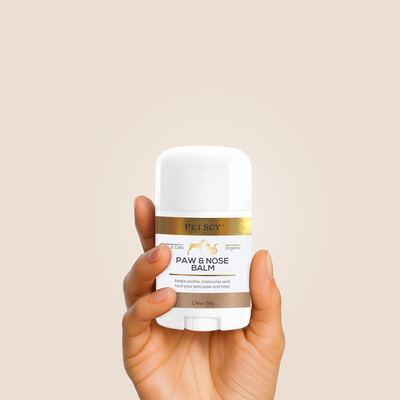
Dogs that dislike baths may tolerate a small amount of mousse or balm on suitable areas, such as paws, elbows, or the nose. Use this approach only when the skin is not raw and the dog cannot immediately ingest the product.
A short demonstration can show how brushing, handling, and product distribution work together:
When Conditioner Is Not Enough and You Need a Vet
Conditioner is appropriate for mild, recent dryness when your dog's skin looks calm. It isn't a treatment for every flaky or itchy coat. A cosmetic product may temporarily soften scale while an infection, allergy, parasite problem, or endocrine disorder continues underneath.
Book a veterinary appointment if you see any of the following:
- Hot spots: Raw, inflamed, or painful patches can worsen quickly.
- Hair loss: Bald areas, sudden thinning, or excessive coat change need evaluation.
- Persistent odor: A strong smell from the skin or ears can accompany yeast or bacterial overgrowth.
- Recurrent ear problems: Head shaking, repeated infections, or dark discharge may connect with an allergic skin pattern.
- Inflamed paws: Redness, swelling, chewing, and constant licking shouldn't be dismissed as dry pads.
- Sores or scabs: Open wounds, crusts, and scratch marks indicate skin damage.

Intense itch that disrupts sleep is another reason to call. So is dandruff that keeps returning despite a gentle routine. Independent pet-care guidance recommends veterinary assessment for severe itch, dandruff, redness, recurrent irritation, and signs that may reflect allergies, infection, or another dermatologic disease (dog conditioner and skin-care guidance).
The vet may need to examine skin cells, check for parasites, assess allergies, or investigate broader health changes. Treatment could involve a medicated shampoo, allergy control, parasite prevention, or another therapy. A conditioner can remain useful as supportive care, but only after it fits the diagnosis.
A useful decision rule: Try gentle conditioning for mild, environment-linked dryness. If the problem is severe, recurrent, spreading, or unchanged after a short trial of consistent care, stop buying more cosmetic products and arrange an examination.
For general itch-care context, PetScy's guide to the best anti-itch options for dogs can help you organize questions for your veterinarian. It shouldn't replace a diagnosis when warning signs are present.
Choosing the Right Product and Quick Answers
Start with the label, then match the product to your dog's skin and routine. A well-chosen conditioner should be made specifically for dogs, use a gentle formulation, and explain whether it's intended for rinsing, leave-on use, or spot application.
A buying checklist
- Dog-specific formulation: Human conditioners may not suit canine skin or licking behavior.
- pH-conscious design: Choose a formula made for dogs rather than relying on a human product.
- Gentle cleansing and conditioning: Sulfate-free, fragrance-light options may be preferable for sensitive dogs, especially when the skin is already reactive.
- Barrier-oriented ingredients: Glycerin, propylene glycol, ceramides, lipids, oatmeal, and aloe each serve different roles.
- Clear directions: The label should state dilution, contact time, rinse requirements, and suitable application areas.
- Quality controls: Look for transparent manufacturing information, testing practices, and a satisfaction policy.
- Format that fits your routine: Rinse-out supports bath day, leave-in helps between baths, and mousse targets limited areas.
The category is also moving toward pH-balanced, sulfate-free, ingredient-conscious, and probiotic or prebiotic-enriched grooming products, with greater emphasis on skin-barrier health and preventive routines (pet-grooming trend coverage). Treat those features as selection clues, not proof that a product will suit every dog.
Questions owners ask before checkout
How long should results take?
A mild, recent case may feel less rough after a few careful grooming sessions, but visible improvement depends on the trigger and the condition of the barrier. If flaking or itch persists, worsens, or returns quickly, ask your veterinarian rather than increasing product use.
Is conditioner safe for puppies?
Use only a product whose label allows puppy use, and avoid fragranced or complicated formulas unless your veterinarian recommends them. Puppies can have skin disease too, so persistent itch, redness, odor, or hair loss needs professional attention.
Can conditioner be used with medicated shampoo?
Sometimes, but the order and product choice matter. Ask your veterinarian whether a conditioner could reduce contact with the medicated product or interfere with the treatment plan. Follow the medicated shampoo's instructions first.
Does an oily coat need conditioner?
Oiliness doesn't automatically mean the skin is well hydrated. An oily coat can accompany inflammation, yeast, or buildup, so choose a conditioner only after identifying the cause. A heavy occlusive may worsen the feel of an already greasy coat.
A complete routine includes more than a bottle. Keep the diet appropriate, discuss omega-3 support with your veterinarian, brush according to coat type, and avoid bathing more often than your dog's skin requires. Conditioner is one tool for protecting the outer barrier, not a substitute for finding out why the barrier became unstable.
PetScy offers veterinarian-formulated topical care, including Aloe & Oatmeal Shampoo for hydrating skin and coat care and products designed for dry or irritated areas. Visit PetScy to compare options and choose a routine that matches your dog's actual skin needs.