









Dog Ear Cleaner Solution: A Practical Owner's Guide
You're sitting on the sofa after a walk or a swim when your dog starts shaking their head. You lift the ear flap and notice a little wax, a damp smell, or more debris than usual. The natural reaction is to reach for a dog ear cleaner solution and start flushing, but ear care works best when you first decide whether cleaning is appropriate at all.
A dog's ears don't need to be sterile. They need to stay comfortable, reasonably dry, and balanced. The right product and technique can help remove loosened wax and moisture, while unnecessary or forceful cleaning can irritate an otherwise healthy ear. This guide will help you tell the difference.
Table of Contents
- Why Dog Ears Need Cleaning in the First Place
- What's Actually Inside a Dog Ear Cleaner Solution
- Does Every Dog Really Need Routine Ear Cleaning
- How to Clean a Dog's Ears Step by Step
- DIY Homemade Solution Versus Commercial Cleaner
- Choosing a Vet-Formulated Ear Cleaner That Works
- Red Flags That Mean Stop Cleaning and Call the Vet
- A Simple Routine You Can Actually Stick To
Why Dog Ears Need Cleaning in the First Place
A retriever comes home from a lake and spends the evening shaking their head. Water has entered the outer ear, and the ear flap is still holding the area close to the canal opening. In a dog whose ears already trap wax or have a history of inflammation, that damp environment can encourage microbial overgrowth and discomfort.
A canine ear canal is longer and more angular than a human ear canal. Its shape can hold moisture, cerumen, plant material, and skin debris, especially when the ear flap reduces airflow. A cleaner is a liquid product intended to loosen cerumen, help remove debris, reduce excess moisture, and support a healthier local environment. It isn't a cure-all, and it shouldn't replace examination when infection is possible.

A common problem, not a niche concern
Otitis externa, inflammation of the external ear canal, is a frequent veterinary problem. Veterinary literature reports prevalence in dogs at roughly 10.2% to 13%, with individual datasets reporting different levels, including 14.4% in one large veterinary sample and 7.3% in primary-care settings. A review summarized the condition as affecting 1 in 7 dogs seen in veterinary practice (Today's Veterinary Practice).
Those figures don't mean every dog needs regular flushing. They show why owners encounter ear-care products so often. The product addresses a recurring clinical problem, particularly for dogs with floppy ears, substantial hair around the canal, frequent water exposure, or underlying allergies.
A spaniel that swims regularly may need a different plan from a terrier with dry, well-ventilated ears. The same bottle may also be used differently for preventive maintenance and for treatment support after a veterinarian has diagnosed otitis. Routine cosmetic cleaning and therapeutic cleaning are not the same task.
What's Actually Inside a Dog Ear Cleaner Solution
Read an ear-cleaner label as a description of the job the liquid performs. Most products combine ingredients that loosen wax, reduce moisture, alter the canal environment, or limit unwanted microbes. No single ingredient makes a product appropriate for every dog, particularly when the eardrum's condition is unknown.
The main ingredient families
Ceruminolytics work on wax and oily debris. Squalene, docusate sodium, and gentle surfactants help break up material so it can be wiped away. Think of a surfactant as a mild dish soap for wax, although a dog-specific formula should be designed for delicate ear tissue rather than kitchen grease.
Drying agents and astringents help reduce lingering moisture. Salicylic acid and lactic acid may appear in ear cleaners, while some products contain small amounts of isopropyl alcohol. Alcohol can be irritating in inflamed ears, so the label and veterinary advice matter more than the ingredient name alone.
Antiseptic or microbiome-sparing components are intended to discourage unwanted organisms without treating the ear as though every microbe must be eliminated. Depending on the formulation, examples may include low-concentration chlorhexidine, boric acid, stabilized silver, or probiotic blends. If you want more background on a bacterial organism associated with ear disease, this Pseudomonas aeruginosa guide offers useful context, but it isn't a substitute for a veterinary diagnosis.
| Ingredient Family | What It Does | Example Ingredients |
|---|---|---|
| Ceruminolytics | Loosens wax and oily debris for easier removal | Squalene, docusate sodium, gentle surfactants |
| Drying agents and astringents | Helps reduce retained moisture | Salicylic acid, lactic acid, small amounts of isopropyl alcohol |
| Antiseptic components | Discourages selected unwanted microbes | Low-concentration chlorhexidine, boric acid, stabilized silver |
| Microbiome-supporting components | Aims to limit disruption of the ear's local microbial community | Probiotic blends, carefully selected low-residue ingredients |
Liquid, oil, foam, and pH
Water-based cleaners spread readily through the canal and are often useful when the goal is to loosen and lift debris. Oil-based products may soften thick, dry material, while foams can offer a lighter application for dogs that dislike a large volume of liquid. The best format depends on the ear's condition and the product's instructions.
pH also matters because the canine ear has its own chemical environment. A dog-specific formulation should be designed with that environment in mind rather than copied from a household skin product. A cleaner should support removal and comfort, not create a new source of irritation.
Does Every Dog Really Need Routine Ear Cleaning
No. Many healthy dogs don't need a weekly ear-cleaning ritual. The PDSA guidance on cleaning a dog's ears says most dogs don't need regular cleaning, while Cornell describes maintenance cleaning as potentially occurring every 1 to 2 weeks for some dogs and treatment cleaning as potentially reaching daily use at the beginning under veterinary direction.
That difference is important. A dog with clean, dry ears and no odor may need observation rather than intervention. Repeated flushing can remove protective oils and irritate the canal, which may create the very sensitivity an owner hoped to prevent.
Which dogs may need a tailored plan
Routine or event-based cleaning may be reasonable when a veterinarian recommends it for a dog that:
- Swims often: Water exposure can leave the canal damp, particularly under a close-fitting ear flap.
- Has floppy ears: Reduced ventilation can make moisture and debris harder to clear.
- Has confirmed allergies: Allergy-related inflammation can make the ears more vulnerable to recurring problems. Owners can review the broader relationship between itching and ear symptoms in this guide to whether your dog may have allergies.
- Works or hunts outdoors: Dirt, grass seeds, and muddy conditions can increase the amount of material around the ear.
- Has a previous otitis history: A veterinarian may recommend maintenance cleaning as part of a broader prevention plan.
The underserved question is often, “How often is too often?” There isn't one safe calendar for every dog. Ear type, swimming, allergies, past infections, product choice, and the dog's response all change the answer.

Practical rule: Clean because there is a reason, such as veterinary advice, visible debris, or a known exposure. Don't clean simply because a weekly reminder appeared on your calendar.
How to Clean a Dog's Ears Step by Step
Choose a quiet room and place everything within reach before handling the ear. Prepare a dog-specific cleaner recommended by your veterinary team, cotton balls or soft gauze, a towel, and treats. Let the bottle reach room temperature. Cold liquid can make some dogs resist.
Begin by checking the ear. Lift the flap gently and examine the visible folds and canal opening. Stop before applying anything if the ear looks very red or swollen, feels painful, bleeds, or has strong-smelling or unusual discharge. Cleaning an inflamed ear can worsen discomfort and delay the examination it needs.

The cleaning sequence
- Lift the flap gently. Hold the ear flap near its tip or upper edge without pulling. This opens the entrance and helps you see where the solution should go.
- Apply the solution as directed. Position the bottle opening near the canal entrance. Do not force the tip inside or press it against the tissue. Use enough cleaner to coat the canal, following the label or your veterinary team's instructions.
- Massage the ear base. Massage the base with your fingers for about 15 to 30 seconds, according to veterinary guidance. A soft squelching sound can mean the liquid is moving through loosened debris. Keep the pressure gentle, especially if your dog reacts.
- Let your dog shake. Move back and allow the dog to shake their head. This helps bring loosened material toward the outer ear. A towel can protect nearby furniture and make the cleanup easier.
- Wipe what you can reach. Use cotton or gauze on the pinna, folds, and visible outer canal. Do not chase debris deeper into the ear, and never insert cotton swabs. They can push material inward or injure delicate structures.
- Finish calmly. Wipe moisture from the reachable outer area, offer a treat, and end the session if your dog becomes distressed. A brief, cooperative session is safer than repeated applications during a struggle.
Cornell's guidance includes filling the canal, massaging its base, and wiping loosened debris with cotton balls. The right cleaning frequency still depends on the individual dog. A microbiome-sparing approach means using a suitable cleaner only when there is a reason, rather than repeatedly stripping a healthy ear on a fixed schedule.
If you want to see the movement before trying it, the video below illustrates the sequence. It does not replace an examination or hands-on instruction from your veterinary team.
DIY Homemade Solution Versus Commercial Cleaner
A homemade rinse can sound gentler because the ingredients are familiar. In practice, diluted vinegar, hydrogen peroxide, alcohol, and other kitchen or household mixtures can vary in strength, pH, cleanliness, and irritation potential. Hydrogen peroxide is particularly unsuitable for inflamed or damaged ear tissue, and a homemade mixture can make a painful ear feel worse while delaying diagnosis.
A commercial product isn't automatically right just because it comes in a bottle. It should be intended for dogs, carry clear directions, and match the reason you're cleaning. For general discussion of proposed home approaches, this overview of natural ear infection alternatives can help explain why “natural” doesn't necessarily mean safe or effective.
| Factor | DIY Homemade Solution | Commercial Vet-Formulated Cleaner |
|---|---|---|
| Concentration | Can vary between batches and measuring methods | Designed around a stated formulation |
| pH | May not suit canine ear tissue | Developed for the intended species and use |
| Preservation | May lack a controlled preservative system | Usually packaged with a defined stability approach |
| Clinical role | May soothe or rinse in limited situations, but doesn't diagnose infection | Can support cleaning when selected for the dog's needs |
| Decision standard | Appropriate only for a known-healthy ear with veterinary approval | Generally the safer default for owner-led maintenance |
A narrow exception may exist for a simple saline rinse after exposure in a healthy adult dog, but only when your veterinarian has approved that approach. For most owners, a labeled commercial cleaner is the more consistent choice.
Don't use antiseptic wipes for dogs as a substitute for a liquid ear cleaner unless the product specifically says it is suitable for the ear and your veterinarian agrees. Wipes can be useful on external skin, but the canal requires different handling.
Choosing a Vet-Formulated Ear Cleaner That Works
“Vet-formulated” should communicate more than attractive packaging. Look for a product that identifies the dog as the intended species, provides complete ingredient information, explains how to apply it, and makes a clear distinction between cleaning and treatment. A veterinary recommendation is especially important when the dog has a history of recurrent otitis, pain, or suspected eardrum damage.
Start with the job you need the product to do. A dog that swims may need a formula with drying support, while a dog with heavy wax may need a ceruminolytic. A dog with recurrent problems may require a clinician-selected antimicrobial or antifungal plan rather than a general maintenance wash.
Read beyond the front label
Chronic ear disease can involve biofilm, a sticky protective layer that helps microbial communities remain attached to a surface. A cleaner designed to address biofilm is trying to do more than make the ear look clean. It may help loosen the material that shelters organisms, but in-vitro antibiofilm activity isn't the same as curing a dog's infection.
Microbiome preservation is another emerging consideration. A 2025 PMC study reported that one ceruminolytic cleaner had a positive impact on ear microbiota, including increased fungal diversity and preservation of the microbiota after use (PMC study on ear microbiota). A microbiome-sparing product aims to reduce unwanted disruption rather than sterilize the canal. That is a more careful goal than “deep cleaning” alone.
Use this short buying screen:
- Purpose: Does the product match wax, moisture, recurring disease, or simple maintenance?
- Transparency: Are the active and supporting ingredients clearly listed?
- Tolerance: Does the formula avoid vague claims and unnecessarily harsh solvents for sensitive ears?
- Instructions: Does it explain how much to use, how often, and when to stop?
- Veterinary fit: Has your veterinarian confirmed it is suitable for this dog?
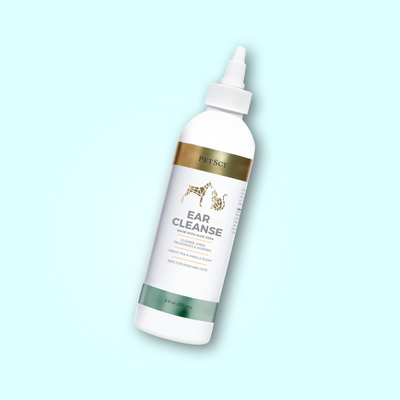
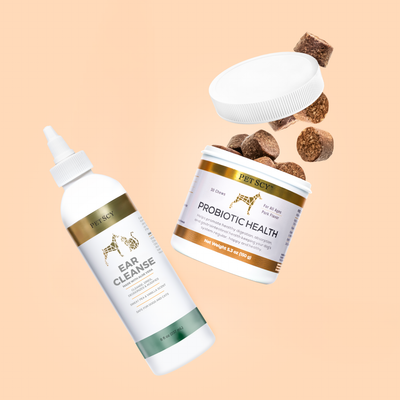
For additional practical guidance about when to use ear drops for dogs, review the distinction between cleaning products and medication. PetScy's Ear Cleanse product is one dog ear-care option described for at-home cleansing and support for itchy or irritated ears. It should still be used according to its directions and your veterinarian's advice when symptoms suggest disease.

Red Flags That Mean Stop Cleaning and Call the Vet
Home cleaning is for appropriate maintenance, not for guessing at the cause of ear pain. Stop immediately if your dog yelps, cries, pulls away sharply, or becomes increasingly distressed when you touch the ear. Pain can indicate active inflammation, injury, a foreign body, or a problem deeper in the ear.
Arrange veterinary care promptly if you notice:
- Persistent head tilt: A continuing tilt can signal more than a dirty outer canal.
- Balance changes: Loss of balance, unusual stumbling, or rapid eye movements need urgent attention.
- Marked swelling: Swelling that narrows or closes the canal shouldn't be flushed at home.
- Painful ear flaps: Hot, swollen, or very tender pinnae need examination.
- Abnormal discharge: Yellow, green, black-grainy, bloody, or foul-smelling material is not a routine cleaning cue.
- Escalating behavior: Repeated pawing, crying, intense scratching, or vigorous head shaking means the ear may be painful.
Recent swimming followed by sudden discomfort deserves particular caution. Water exposure may be the event that drew attention to an existing problem, rather than the complete cause.
A cleaner can't confirm that the eardrum is intact. If infection or injury is possible, a veterinarian should decide what enters the canal and whether cleaning belongs before treatment.
Don't keep flushing because debris continues to appear. Repeated attempts can increase irritation, drive material farther inward, or remove medication that needs to remain in place. Before the appointment, note when symptoms began, whether swimming or bathing preceded them, the discharge's color and odor, and how your dog reacted during handling.
A veterinary visit within 24 hours is more important than finding a stronger product when pain, discharge, swelling, or neurological signs are present. Early examination also helps separate otitis from mites, a foreign object, allergy-related inflammation, or another condition.
A Simple Routine You Can Actually Stick To
Use a three-part routine instead of a fixed cleaning calendar.
Weekly look and listen: Observe your dog's normal ear appearance and behavior. Note new odor, visible debris, increased head shaking, scratching, or sensitivity. A quiet, comfortable ear may need no product.
Monthly inspection: Lift each flap in good light and check the canal opening for warmth, redness, moisture, or buildup. You're not trying to inspect beyond what you can see safely. The purpose is to notice a change before the dog develops obvious discomfort.
Session-based cleaning: Clean after a relevant trigger, such as swimming, a muddy trail walk, or confirmed surface debris, but only if the ear looks comfortable and your veterinarian has approved the approach. A dog with recurrent otitis may need a more specific plan, including maintenance intervals that differ from ordinary grooming.
Record what is normal for your dog. A small amount of pale wax may be ordinary for one dog and a sign of change for another. The aim is microbiome balance and comfort, not sterility.
Ear cleaning is a conditional skill, not a universal habit. Inspect first, choose a suitable dog ear cleaner solution, use a gentle technique, and stop when the ear or your dog tells you something is wrong.
PetScy offers veterinarian-formulated topical care products, including Ear Cleanse for at-home ear hygiene and support for itchy or irritated ears. Visit PetScy to review the ear-care option and choose a routine that fits your dog's needs, while involving your veterinarian whenever pain, discharge, or recurring symptoms appear.