










Double Coat Dog Brush: A Practical Buying Guide
You've got a double-coated dog, a brush that seemed fine at the store, and now the sofa still looks like a fur field after every grooming session. That's the usual first mistake, buying a brush by shape or price instead of by what it reaches inside the coat. A double coat dog brush has to do one job well, get through the top layer, pull loose undercoat, and leave the protective coat intact.
| Brush Type | Primary Job | Undercoat Reach | Topcoat Impact | Best For |
|---|---|---|---|---|
| Slicker Brush | Detangling and lifting surface dead hair | Moderate | Gentle when used lightly | Dense coats, light mats, finishing work |
| Undercoat Rake | Pulling loose undercoat | Strong | Minimal if used correctly | Heavy shedders, thick coats |
| Deshedding Tool | Removing loose undercoat fast | Strong, but can be harsh | Can damage topcoat if misused | Seasonal coat release, experienced hands |
| Pin Brush | Surface grooming and smoothing | Low | Very light | Finishing, some longer double coats |
Table of Contents
- Why the Right Brush Matters for Double-Coated Dogs
- How a Double Coat Works
- Brush Types Compared Side by Side
- Materials, Pin Length, and Build Quality
- Safe Brushing Technique Step by Step
- How Often to Brush Through the Year
- Brushing Versus Shaving in Hot Weather
- Situational Picks and a Simple Care Routine
Why the Right Brush Matters for Double-Coated Dogs
The first sign you bought the wrong brush is usually not subtle. You brush for ten minutes, the top looks neat, and then you run your hand over the coat and pull out another handful of loose fur. Or worse, your dog starts twisting away because the tool is dragging on the skin instead of working through the coat.
That's because a double coat isn't one uniform layer. It's built to protect the dog, not make brushing easy. A brush that only polishes the surface leaves the undercoat sitting there, and that's where the shedding, matting, and scratchy discomfort keep building.
What a bad brush does in real life
Cheap or mismatched brushes tend to do one of three things. They skim over the coat and miss the undercoat, they snag and irritate the skin, or they pull healthy hair instead of loose hair. None of those outcomes helps a dog like a Husky, German Shepherd, Collie, Retriever, or Corgi feel cleaner or shed less around the house.
Practical rule: if the brush makes the dog tense up, you're probably using the wrong tool or too much pressure.
The right brush choice matters because double-coated dogs don't just need grooming, they need a tool that fits the job on that day. Heavy shedding, sensitive skin, and a dense ruff around the neck all change what “best” looks like. That's why the smart answer isn't one universal brush, it's a brush matched to coat depth and coat condition.
How a Double Coat Works
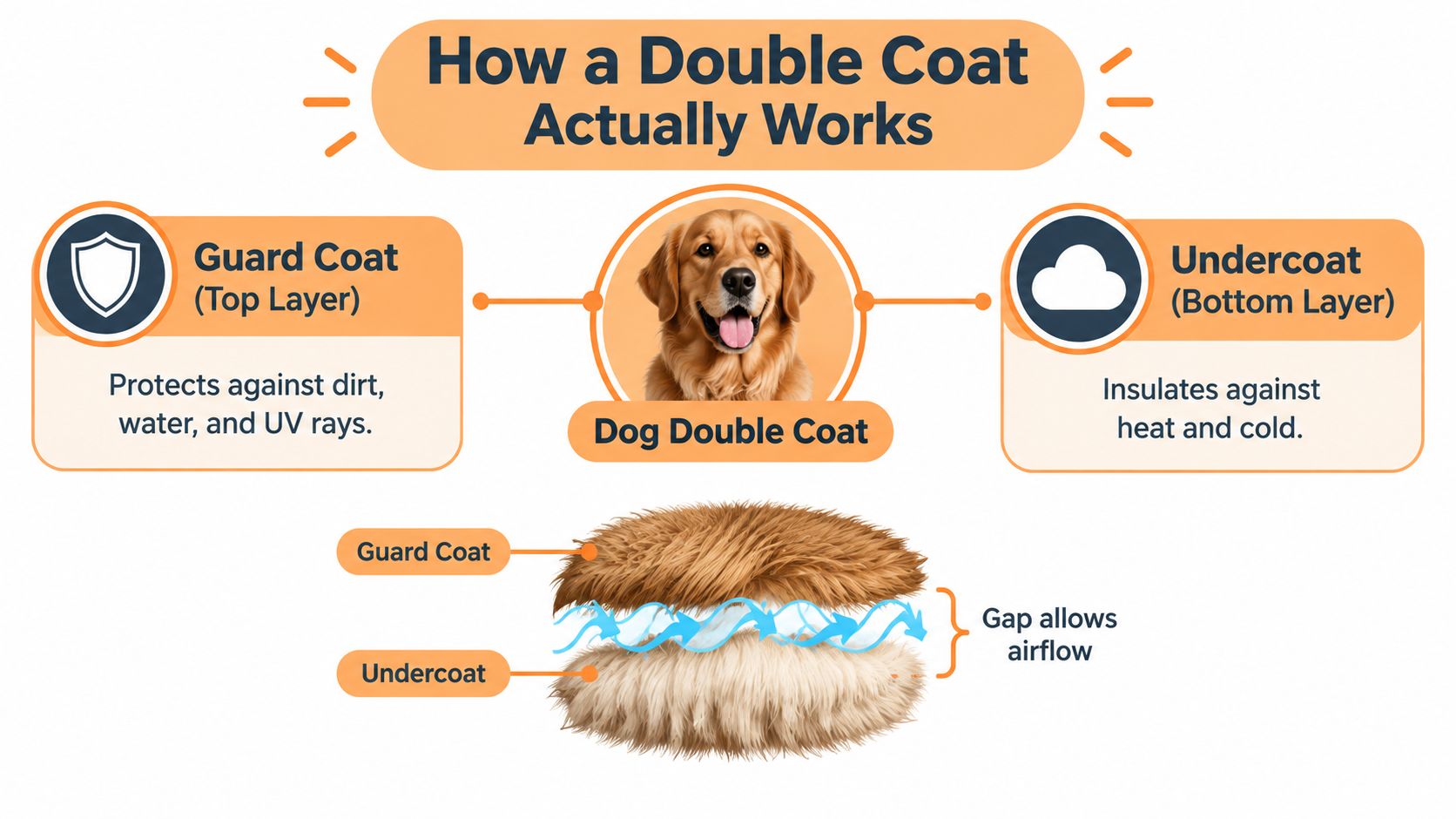
A double coat has two jobs split across two layers. The outer guard coat is coarse and protective. The softer, denser undercoat sits underneath and traps insulating air close to the body, which is why a healthy double coat does more than look fluffy. OMIA's reference on double coats describes this structure clearly.
That layer split is why one brush rarely does everything. A tool that smooths the topcoat may never reach the loose fur underneath, while a deeper-reaching tool can be too aggressive if you use it like a scrub brush. The coat needs different treatment depending on which layer is loose, tangled, or packed down.
Read the coat, not just the breed name
Some breeds fit the pattern immediately. German Shepherds, Huskies, Collies, Retrievers, and Corgis are classic examples of dense double coats, but the test that matters is what's under your hand. If the coat feels plush at the base and the top layer resists shallow brushing, you need an undercoat-aware tool, not a casual surface brush.
Season matters too. Many double-coated dogs shed heavily as the coat changes, and some dogs blow the coat about twice a year, according to the OMIA reference above. During those periods, the undercoat becomes the main problem. The brush work isn't finished until it reaches that loose layer, and the right routine usually pairs grooming with skin care, good nutrition, and any topical support your vet recommends. A healthy coat starts with the coat and the skin underneath it.
Simple test: if a comb cannot pass from skin to guard hairs without snagging, the brush hasn't done the actual job yet.
Brush Types Compared Side by Side
A double-coated dog needs the right tool for the layer in front of you. A slicker brush, undercoat rake, deshedding tool, and pin brush each solve a different problem, and mixing them up wastes time and irritates skin. Owners usually blame the dog for resisting, but the actual issue is the wrong brush for the coat.
| Brush Type | What It Does Best | What It Doesn't Do Well | Skin Safety | Best Fit |
|---|---|---|---|---|
| Slicker Brush | Lifts loose hair, loosens tangles, smooths dense areas | Doesn't always reach deep undercoat alone | Good if used gently | Most double coats, especially around the ruff and feathering |
| Undercoat Rake | Reaches into the dense layer and pulls loose undercoat | Not a finishing brush, not ideal for surface shine | Good when tooth length matches coat depth | Heavy shedders, thicker double coats |
| Deshedding Tool | Removes loose undercoat quickly | Can be harsh on the topcoat if used carelessly | Mixed, depends on handling | Owners who know how to use it correctly |
| Pin Brush | Light surface grooming and coat smoothing | Weak undercoat removal | Usually mild | Finishing, less dense double coats, sensitive handling |
A slicker brush is the safest all-purpose choice for many homes. Its angled wire pins loosen dead hair and detangle without needing heavy pressure, which is why Chewy's guide to brushing a dog recommends it for regular grooming. Use it on the outer coat, around the ruff, and in feathered areas where mats start first.
An undercoat rake goes deeper. Its longer teeth reach the insulating layer and pull out loose undercoat that a slicker brush leaves behind. Use it on thick, packed coats, especially during heavy shedding, but match the tooth length to the coat depth. A rake that is too aggressive turns grooming into scraping.
A deshedding tool works fast, and that speed is the trap. It can clear a lot of loose fur, but careless use can strip too much from the topcoat and irritate skin. Keep it for dogs that tolerate it well and for spots where the coat is shedding out.
A pin brush is the lightest option here. It smooths the surface and helps with daily upkeep, but it will not pull much from a dense undercoat. I reach for it on less packed coats, on sensitive dogs, or as a finishing step after the heavy shedding work is done.
Materials, Pin Length, and Build Quality
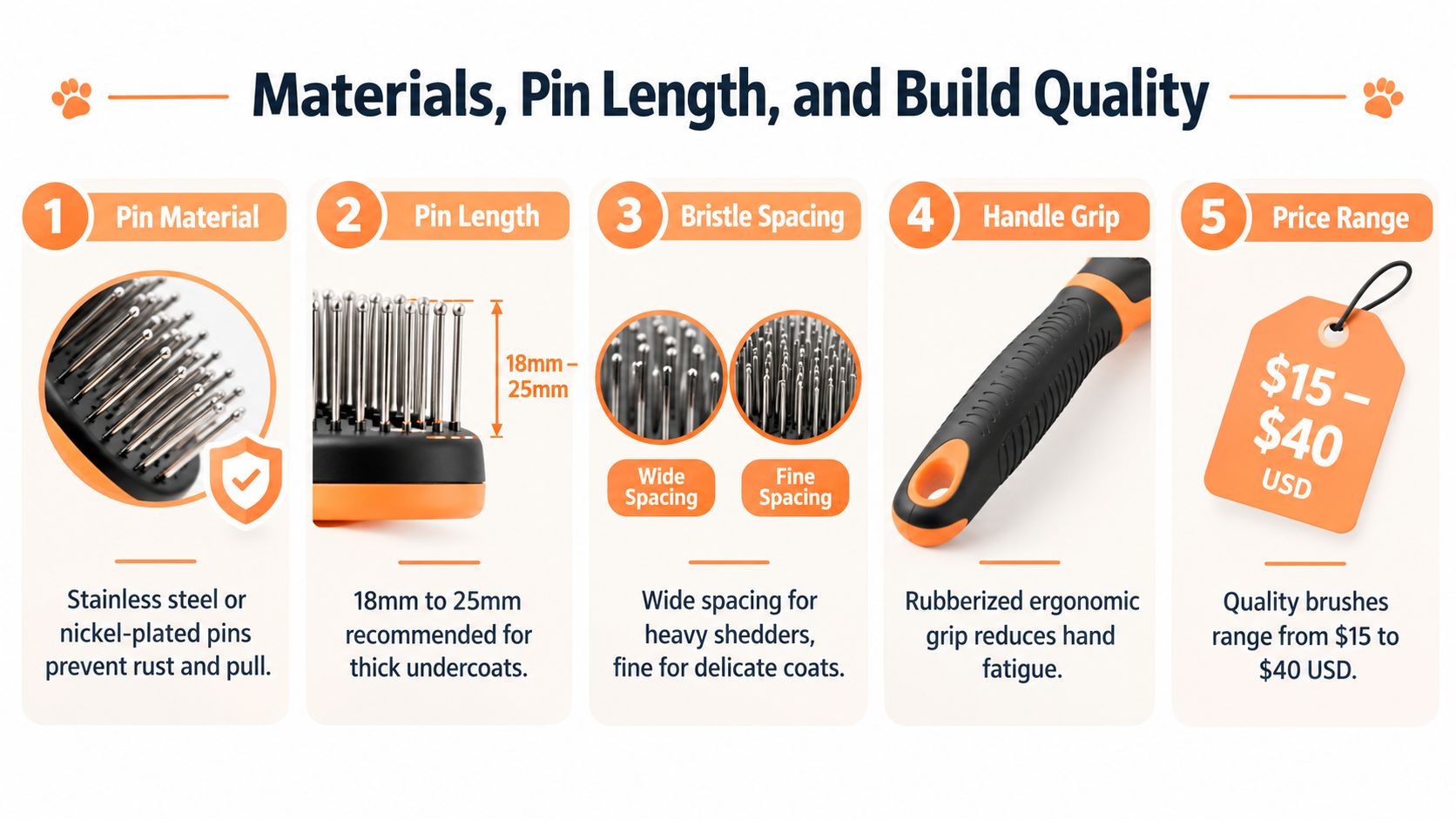
A brush can still be a poor choice if the build is weak. Flimsy pins, a head that twists under pressure, or a handle that slips in your palm make grooming harder and rougher on the dog. Double-coat brushing works best when the tool gives you control, because control protects the coat and the skin.
Start with pin length. Short pins may feel gentle, but on a deep coat they often stop at the surface. Longer teeth reach farther into packed fur, which matters on thick coats that mat or compact around the ruff, chest, and rear.
Spacing and finish matter just as much. Wider spacing moves through heavier fur more easily, while tighter spacing can work better on finer areas. The tips should feel smooth, not scratchy, and the head should stay firm when you press it lightly. A rubberized grip is worth more than flashy packaging, because a long grooming session will expose every weak point in the handle.
Sharp pin tips are a bad sign. If the ends catch on your own skin in the store, they will feel worse on a dog. Flexy heads make pressure hard to control over joints and thin skin. Rattling pins usually point to weak assembly, and weak assembly does not hold up. Tiny handles also punish your hand fast.
Material choice should match the coat in front of you, not the label on the box. A deeper tool suits dogs with loose undercoat and packed areas. A softer tool gives better surface control on dogs with lighter coats or sensitive skin. For dogs with skin issues, pair the right brush with a calmer grooming routine and the topical or nutritional care your vet recommends, because healthy skin sheds better than irritated skin.
Safe Brushing Technique Step by Step
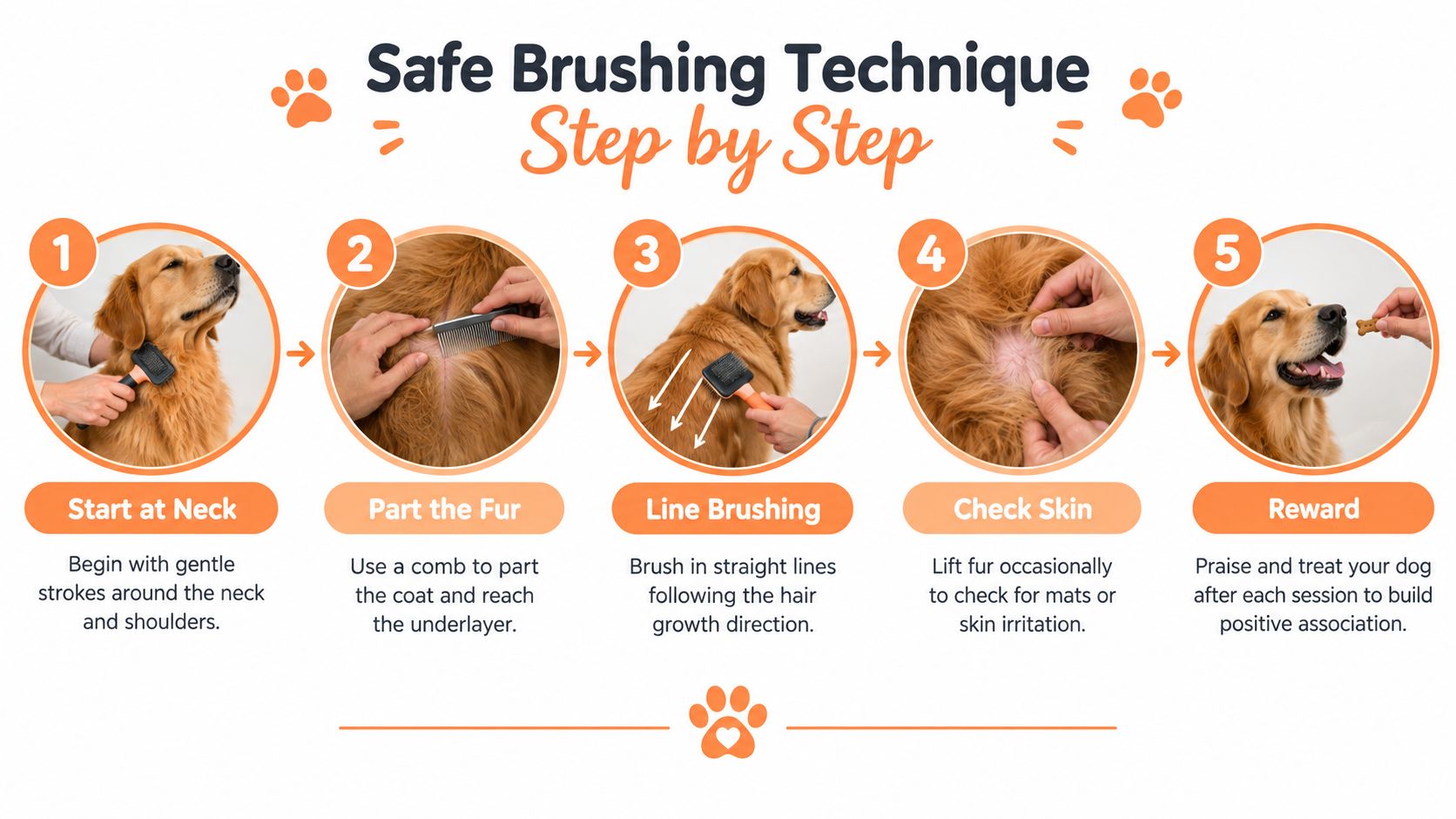
The safest technique is slow, sectional, and boring in the best way. Start with the neck and shoulders, because most dogs tolerate that area better than the hindquarters, then work in small sections instead of dragging the brush across the whole body. If you rush, you polish the topcoat and leave the undercoat untouched.
Use line brushing, not surface sweeping
Part the coat into small sections and brush from the skin outward. That's the method that clears loose undercoat instead of just stroking the top layer. The concrete benchmark is simple, keep going until a comb can pass from skin to guard hairs with no snagging CNN Underscored's brushing guide.
Work with the direction of hair growth and keep the pressure moderate. If you hit the same skin spot over and over, you invite brush burn, especially in thinly coated areas. The ruff, britches, and the area behind the ears usually need the most careful sectioning because those spots hide loose fur and tiny tangles.
Stop early if you see redness, flinching, broken guard hairs, or a coat that suddenly starts shedding in clumps of short snapped hair instead of loose fluff.
A metal comb is the final check, not a decoration. If the comb catches, the brush work isn't finished yet. If the skin looks calm and the comb moves cleanly, you've done the job correctly.
For owners who are also managing flaky skin, the brushing session should stay gentle and consistent, not aggressive. This guide on dog dandruff is a useful companion if you're trying to sort out whether the coat issue is just shedding or something skin-related.
How Often to Brush Through the Year
The standard weekly advice is only the starting point. The American Kennel Club recommends weekly brushing as a baseline for double-coated dogs, and that's fine for quiet periods. During heavy shedding, brushing a few times a week or even daily makes more sense, because the loose undercoat has to come out before it mats and drifts through the house AKC grooming guidance.
Let the coat cycle set the schedule
Spring and other coat-release periods change the workload fast. In many dogs, the undercoat loosens in a major wave, and the brush needs to be used more often until the loose layer is gone. That's true whether the dog lives in a cold climate or a warm one, because climate, indoor living, age, and health all affect shedding patterns.
A Husky in a cold region and a Golden Retriever in a warmer home won't always follow the same calendar. Some dogs shed more continuously in warm climates, so a rigid “just brush once a week in spring” plan misses the reality of the coat. Use the baseline as a floor, then increase frequency when the coat tells you to.
Practical workload rule
- Light maintenance weeks: one thorough session can be enough if the coat is calm and the comb test passes easily.
- Heavy shed weeks: expect several shorter sessions, because pulling everything out at once usually irritates the dog.
- Dense coat areas: the ruff, thighs, and chest often need more attention than the back.
The point isn't to chase a calendar. It's to keep loose undercoat from building up until the dog feels itchy and the house starts looking like a shedding museum.
Brushing Versus Shaving in Hot Weather
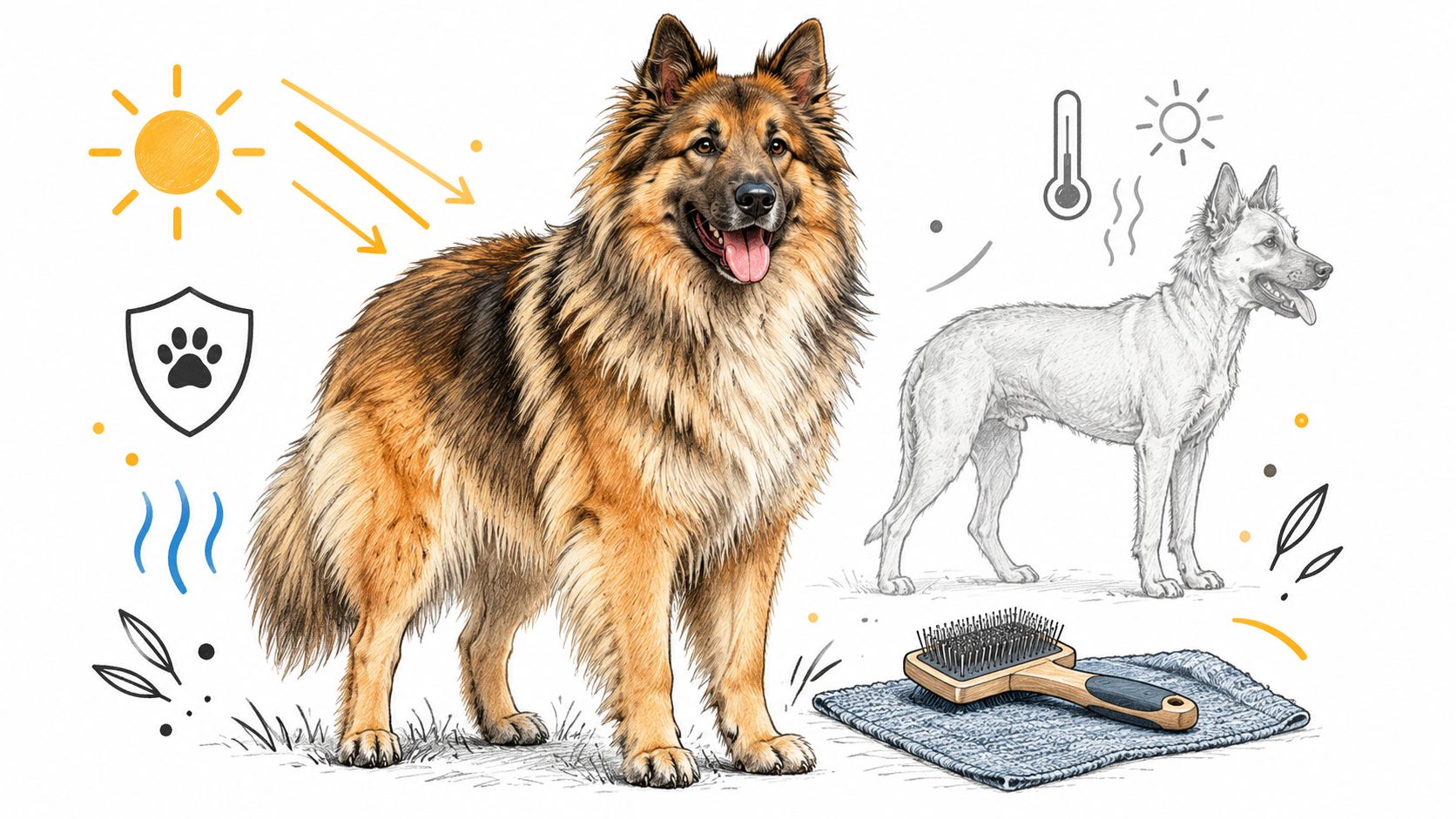
Shaving is not the default solution for a hot double-coated dog. The undercoat traps insulating air, and the outer coat helps protect against sunburn and insects. The American Kennel Club also warns that shaving can disrupt that protection, let the undercoat outgrow the slower guard hairs, and contribute to abnormal regrowth or follicle damage AKC on shaving double coats.
Use the right triage
If the coat is full of loose hair, brush or professionally de-shed it. If the coat is densely matted, the skin looks irritated, or you can't reach the skin cleanly, stop treating it like a brush problem and bring in a groomer or vet. Mats trap heat and moisture, and those need more than casual grooming.
If your dog is heavily panting at rest, weak, or visibly distressed, that's not a grooming issue. That's a possible heat emergency, and brushing won't fix it. Move the dog to shade, cool them appropriately, and get help.
Warm regions also change the schedule. Some dogs shed more often and more evenly through the year, so owners in hot climates need to watch coat condition instead of waiting for a neat spring and fall cycle.
For summer safety beyond brushing, this heat-focused guide is worth reading if you're trying to separate comfort grooming from actual heat risk.
Situational Picks and a Simple Care Routine
If you're a first-time owner, start with a slicker brush and a metal comb. That pairing gives you enough reach for regular upkeep without jumping straight to a harsh deshedding blade. If your dog blows coat hard, add an undercoat rake and use it for the deep work first.
For a senior dog or one with sensitive skin, keep the pressure light and the sessions short. A brush that feels “powerful” to you is usually the wrong brush for a dog that flinches or has thinly coated spots. For mats behind the ears and in the britches, section carefully and don't try to bulldoze through.
If your main battle is fur on furniture, brush more often during shed cycles instead of waiting for a full grooming day. If you're also managing skin support, hydration, or bath-time care, build the routine around gentle cleansing, coat support, and the dog's comfort rather than one aggressive weekly blitz. Top Cleaners' pet cleaning advice is useful if you're also trying to keep the house itself under control while you stay ahead of shedding.
A sensible routine looks like this, brush, comb-check, clean the tool, and store it dry. Replace brushes that have bent pins or loose heads, because worn tools stop reaching properly and start irritating skin. If the coat keeps matting or the skin looks unhappy, stop treating it as a brush problem and get help. This coat-care guide is a good follow-up if you want a simple maintenance rhythm that supports a healthy coat all year.
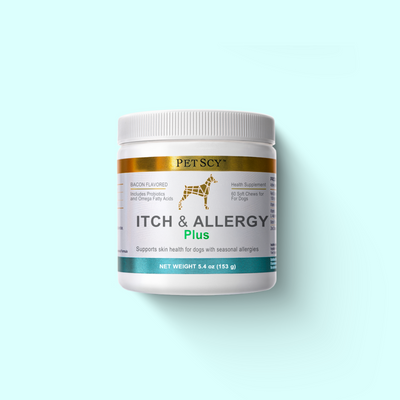
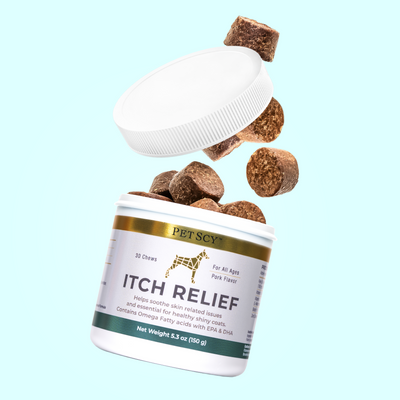
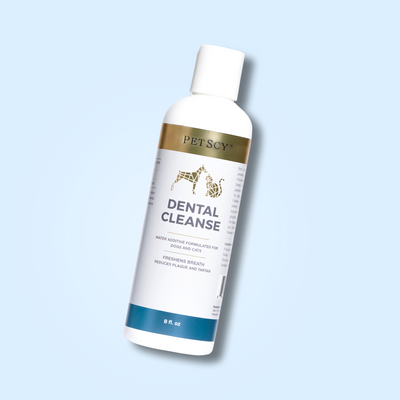
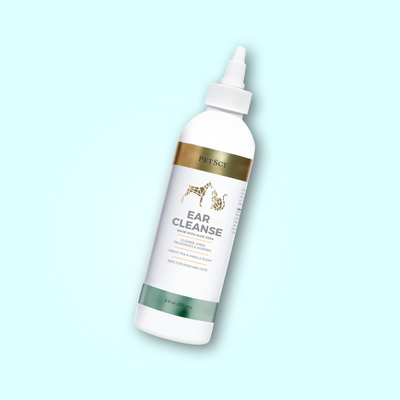
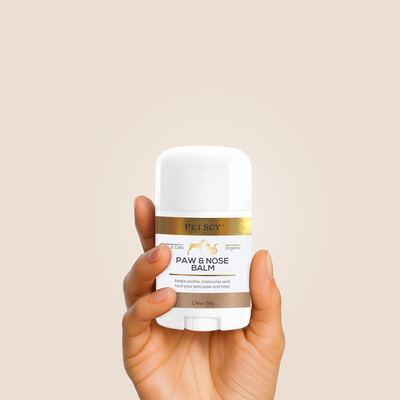
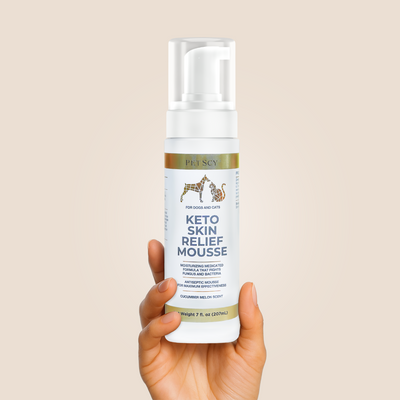
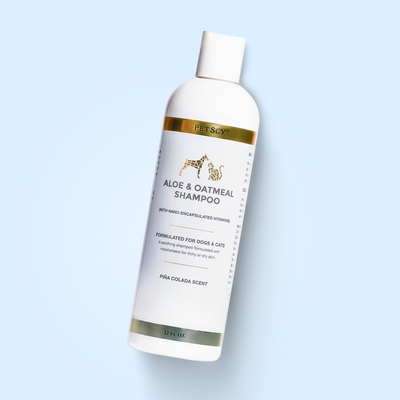
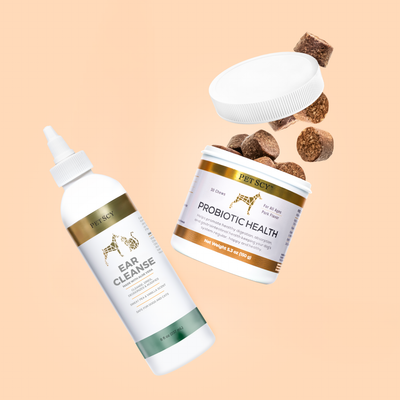
If you want a cleaner, calmer coat routine, PetScy has skin and coat support products that pair well with good grooming habits. Visit PetScy to explore options that can fit into a brushing, bathing, and skin-care routine for your dog.