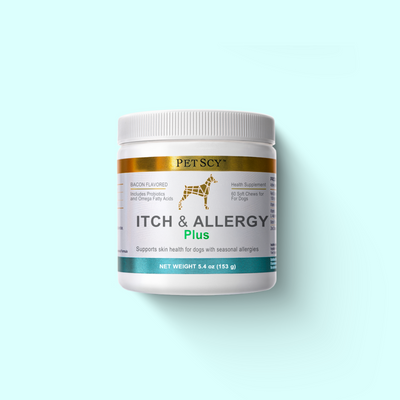








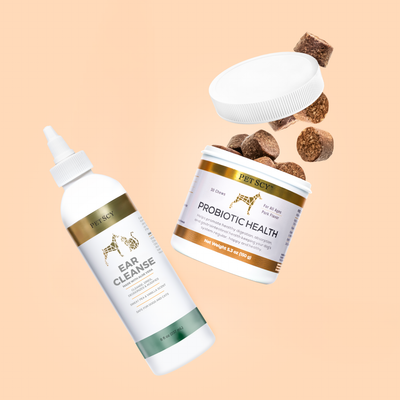


Itch & Allergy Plus Chews — Probiotics & Skin Support for Allergy Relief.
By dawn, your dog may already have crossed the kitchen twice, stopped to work at one ear, chewed both front paws, and rubbed a pink belly against the cool floor. You notice the saliva-stained fur between the toes and wonder whether another supplement, shampoo, or prescription is the answer.
Seasonal itch can come from environmental triggers such as pollen, grasses, dust mites, and flea saliva. The resulting scratch cycle can damage the skin, invite secondary problems, and make a mild trigger feel like a daily crisis. Itch & Allergy Plus Chews, probiotics & skin support for allergy relief are designed as a maintenance layer for this pattern, not as an instant cure. The practical question is what that layer can reasonably do, and where veterinary diagnosis or treatment must take over.
Table of Contents
- When the Spring Itch Starts
- What's Inside an Itch & Allergy Plus Chew
- How Probiotics and Skin Nutrients Target Allergy Itch
- What the Evidence Actually Shows
- How to Use the Chews Day to Day
- Comparing Chews With Topicals and Prescription Options
- Safety, Side Effects, and Smart Buying Tips
- FAQs and the Bottom Line
When the Spring Itch Starts
The dog in this scene may look healthy at breakfast, then spend the afternoon licking paws and rubbing the face on the carpet. Environmental allergens can activate an overreactive immune response, while repeated scratching weakens the skin's protective surface. Flea control matters too, because even limited exposure to flea saliva can aggravate an already sensitive dog.
An oral chew that combines probiotics with skin-support nutrients is intended for repeated, everyday support. The proposed logic is two-sided: probiotic ingredients may help regulate gut-associated immune signaling, while nutrients such as omega-3 fatty acids may support the skin barrier. Neither role works like a fast itch blocker, and neither should replace an examination when the skin is raw, infected, or suddenly worse.

The pattern matters more than the label
A dog that licks paws during pollen season may need a different plan from a dog with year-round ear infections, a dog reacting to a food ingredient, or a dog carrying fleas. Owners can compare the timing of itching with outdoor exposure, grooming, diet changes, and missed parasite prevention, but that observation doesn't identify the cause by itself.
Use a consistent flea-control plan and inspect the home and yard as part of the response. If you're looking for lower-chemical yard-care ideas, treating your yard for fleas naturally can provide a starting point for thinking about environmental management.
Practical rule: A chew makes the most sense as a steady support tool for a diagnosed or strongly suspected recurring pattern, not as a substitute for finding out why the dog is itchy.
For a plain-language checklist of common signs, see whether your dog has allergies. Seek veterinary help sooner if you see open sores, hot spots, strong odor, discharge, marked hair loss, or intense discomfort.
What's Inside an Itch & Allergy Plus Chew
Read the ingredient panel by function rather than by marketing language. A long list can look impressive, but each component should have a clear job and a clearly stated amount or strain identity.
Probiotic ingredients
The first group may include named organisms from Lactobacillus or Bifidobacterium families, although the exact formula must be confirmed on the current product label. Look for the full strain designation when available, not only a broad species name. A credible label should also state the colony-forming unit count, explain whether that count is guaranteed through the expiration date, and provide storage guidance that protects viability.
Probiotics aren't interchangeable. The canine evidence concerns particular organisms, doses, and durations, so “contains probiotics” isn't enough to predict an allergy response. A chew can still be useful for daily delivery if your dog accepts it, but the label should let you judge what you're providing.
Skin and barrier nutrients
Omega-3 fatty acids, especially EPA and DHA, are included to support inflammatory balance and skin structure. Biotin and zinc are commonly used for normal keratin and coat maintenance, while formulas may also include quercetin, colostrum, or plant-derived ingredients for additional immune or antioxidant support. Their presence doesn't prove that the complete chew will control itching, particularly if the amounts aren't disclosed.
Format and acceptance
The soft-chew matrix usually contains a flavor base, binders, stabilizers, and palatants. Those ingredients affect whether a dog will take the product consistently, and consistency matters more than an impressive label if the intended use is daily.
| Group | Key ingredients | Primary job |
|---|---|---|
| Probiotic support | Named probiotic strains, CFUs, possible prebiotic fibers | Support gut microbial balance and gut-associated immune signaling |
| Skin support | Omega-3 fatty acids, biotin, zinc | Support inflammatory balance, coat condition, and the skin barrier |
| Additional support | Quercetin, colostrum, or botanical ingredients when included | Add proposed immune or antioxidant support, with evidence varying by ingredient |
| Chew format | Flavor base, binders, stabilizers, palatants | Improve texture, shelf stability, and daily acceptance |
How Probiotics and Skin Nutrients Target Allergy Itch
The gut-skin axis describes a plausible connection between intestinal microbial activity and immune behavior elsewhere in the body. In simple terms, the gut helps train and regulate immune responses, while the skin acts as the physical boundary that meets environmental triggers. If gut signaling and the skin barrier both need support, a combined formula has a coherent biological rationale.
Probiotic strains may influence immune communication and microbial byproducts, including short-chain fatty acids. Those pathways could help reduce an overly reactive inflammatory tone, but the mechanism shouldn't be confused with a guaranteed clinical result. A dog may have a well-designed probiotic formula and still need flea control, topical care, dietary investigation, or prescription treatment.
On the skin side, EPA and DHA can become part of cell membranes and influence the production of inflammatory mediators. Zinc and biotin support normal skin-cell and keratin processes. Quercetin is often included for its proposed histamine-modulating role, but ingredient-level plausibility is weaker than proof that a particular finished chew reliably stops canine itch.

A calmer signal and a stronger barrier
The intended sequence is straightforward:
- Gut support: A selected probiotic strain may influence microbial balance and immune communication.
- Immune modulation: Less reactive signaling could reduce the intensity of inflammatory responses to some triggers.
- Skin support: Barrier nutrients may help the skin recover from repeated licking and scratching.
- Practical outcome: Some dogs may experience a lower itch burden or better resilience, while others may show little change.
The clinical trial evidence summarized in the canine literature supports sustained use more than a brief course. One randomized controlled trial reported that clinical signs could improve after about 2 weeks and persist through 10 weeks, with gut microbiome changes observed by week 10; separate experimental work reported reduced clinical severity after 16 weeks of daily probiotic administration. These findings support a gradual, strain-specific hypothesis rather than immediate relief. The companion-dog trial and related experimental work are discussed in this veterinary review.
For another plain-language explanation of the question owners ask most often, read whether probiotics help dogs stop scratching.
What the Evidence Actually Shows
The strongest recent conclusion is cautious. A 2025 systematic review and meta-analysis found no statistically significant overall improvement in standard canine atopic dermatitis outcomes with probiotics. CADESI-4 severity scores were unchanged overall at P=0.08, and PVAS itch scores were unchanged at P=0.85, even though individual trials generally moved toward lower scores. Read the systematic review and meta-analysis.
That distinction matters. A plausible mechanism and a few encouraging trials don't establish “probiotics” as one uniform treatment category. Strain selection, dose, duration, the dog's underlying disease, concurrent medication, and secondary infection can all affect the result.
Match the claim to the evidence
The most defensible position is adjunctive support. A probiotic-inclusive chew may produce a modest improvement in some dogs, but it shouldn't be marketed or understood as reliable remission therapy. The recent synthesis included 5 in-vivo studies and found no statistically significant improvement in CADESI-4 or PVAS outcomes overall. The evidence gap is summarized in this review.
| Claim | Evidence strength | Sensible interpretation |
|---|---|---|
| Supports gut microbial balance | Mechanistically plausible, with clinical research that varies by strain | A reasonable supportive role, not a guaranteed allergy treatment |
| Modulates immune signaling | Plausible and supported by selected studies | May contribute to a calmer response in some dogs |
| Soothes established skin allergy directly | Inconsistent overall clinical evidence | Don't expect a chew to replace anti-itch treatment or diagnosis |
Environmental atopy and food allergy also require different thinking. Gut and skin support may fit into a broader plan for seasonal or environmental sensitivity, but a suspected food allergy calls for a veterinary elimination-diet process rather than relying on a chew to identify or remove the trigger.
The buying question to keep: Ask whether the product is being offered as support alongside care, or as a promise that it can solve the disease alone.
A fair trial should involve daily administration, a stable routine, careful observation, and a willingness to stop or escalate if the dog worsens. If the dog is uncomfortable now, don't delay effective veterinary treatment while waiting for a supplement to work.
How to Use the Chews Day to Day
Start before the season becomes difficult if your veterinarian agrees, rather than waiting until the dog is already chewing the paws raw. Introducing one new supplement at a time makes it easier to tell whether stool changes, food reactions, or skin changes relate to the chew or to another recent adjustment.
Give the product according to its current label. Many dogs accept a soft chew with a meal, and food may make the routine easier for sensitive stomachs, but don't assume that a larger serving works faster. If your dog is selective, break the chew into a familiar feeding routine only if the label allows it, and avoid hiding it in a food your dog must later avoid during a diet trial.
A simple observation routine
Record the baseline before starting. You don't need a complex spreadsheet, but note:
- Itch behavior: Count the main daily episodes of paw licking, face rubbing, or ear scratching.
- Skin appearance: Look for redness, odor, moisture, scabs, and coat changes.
- Digestion: Watch stool consistency, gas, appetite, and vomiting.
- Other products: List medications, shampoos, treats, and supplements so changes don't blur together.
The first 2 to 4 weeks are useful for checking tolerance and early trends, not for declaring success or failure. The clinical research described earlier included longer observation, and a practical owner trial may need 8 to 12 weeks of consistent use before judging a gradual support product. That doesn't mean you should continue through a clear adverse reaction or worsening infection.
Store the container sealed in a cool, dry place away from heat, moisture, and direct sunlight. If you miss a serving, resume the normal schedule rather than doubling up, unless your veterinarian gives different instructions. Pause and seek advice if loose stool persists, vomiting appears, the dog develops facial swelling or hives, or the skin becomes more inflamed.
Comparing Chews With Topicals and Prescription Options
Each option answers a different problem. A medicated shampoo or wipe acts at the skin surface, an antihistamine may help selected dogs, and veterinary prescriptions can target established itch and inflammation more directly. A chew works more slowly and usually belongs underneath those tools as a supportive layer, if it fits the diagnosis.
| Option | Speed of relief | Evidence strength | Typical monthly cost | Best role |
|---|---|---|---|---|
| Probiotic and skin-support chew | Gradual, if effective | Inconsistent for canine atopic dermatitis overall | Varies by product and serving size | Daily adjunct for selected dogs |
| Medicated shampoo or wipes | Local support can begin with use | Depends on active ingredient and condition | Varies by product and frequency | Surface cleansing, barrier care, and support for affected areas |
| Antihistamine | Variable and often limited | Dog-specific response varies | Varies by medication and veterinary guidance | Selected mild cases under veterinary advice |
| Prescription allergy treatment | Often faster and more targeted | Stronger clinical role for diagnosed disease | Varies by drug, dog, and veterinary plan | Significant or persistent itch requiring disease control |
A topical can be especially useful when the dog has dirty paws, localized irritation, or a damaged skin surface. It won't address every driver of itch, but it can reduce the burden on the skin while a broader plan is assessed. Prescription options may be appropriate when the dog is losing sleep, creating wounds, developing hot spots, or suffering repeated ear and skin infections.
Food allergy deserves separate handling. A chew may provide general support, but it can't replace a properly managed elimination diet or confirm that a food ingredient is responsible.
Use this guide to anti-itch options for dogs to organize questions for your veterinarian. The key is not choosing the most “natural” or most aggressive option in isolation. It's choosing the tool that matches the speed, severity, location, and suspected cause of the problem.
Safety, Side Effects, and Smart Buying Tips
A healthy adult dog may tolerate a probiotic chew well, but tolerance isn't the same as guaranteed safety for every animal. The most likely early issues are temporary loose stool or mild gas as the digestive system adjusts. A dog with sensitivity to poultry, beef, fish, or another animal-derived palatant can also react to the chew base, even when the advertised active ingredients seem suitable.
Ask your veterinarian before starting a new supplement if your dog is a puppy under 12 weeks, pregnant or nursing, taking immunosuppressants, living with a chronic illness, dealing with an active infection, or recently completed antibiotics. The same caution applies when a dog has a complicated medication schedule or a history of food reactions.
Stop, check, and compare
Pause the product and call your veterinary team for significant vomiting, persistent diarrhea, facial swelling, hives, breathing changes, marked lethargy, or a rapidly worsening skin flare. Don't interpret a worsening reaction as evidence that the chew is “working.”
At checkout, examine the practical details:
- Label clarity: Look for named strains, serving amounts, ingredients, and a guaranteed CFU statement where applicable.
- Freshness: Confirm the expiration or freshness information and keep the lot number for your records.
- Packaging: Check whether the bag or container is sealed against moisture and whether storage instructions are specific.
- Purchase terms: Review subscription pricing, one-time ordering, bundle terms, shipping timing, and the 30-day satisfaction guarantee stated for the product.
- Calories and overlap: Include chew calories in the daily diet and check whether other supplements duplicate vitamins, minerals, oils, or botanicals.
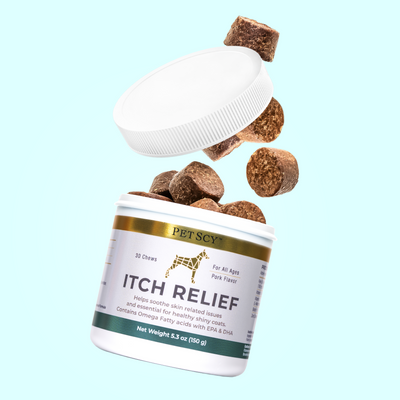
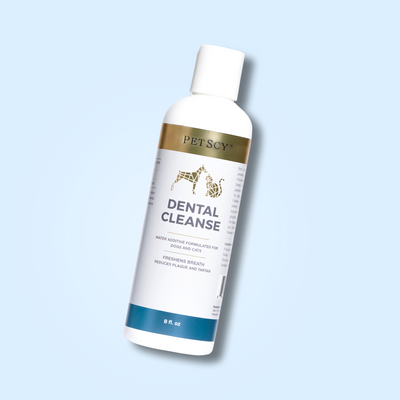
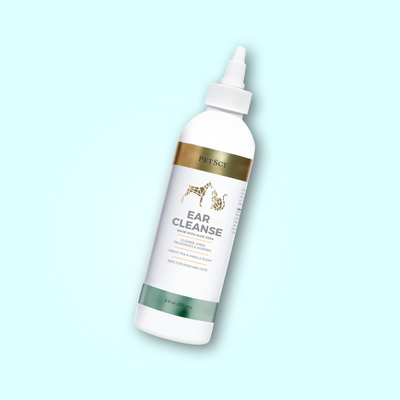
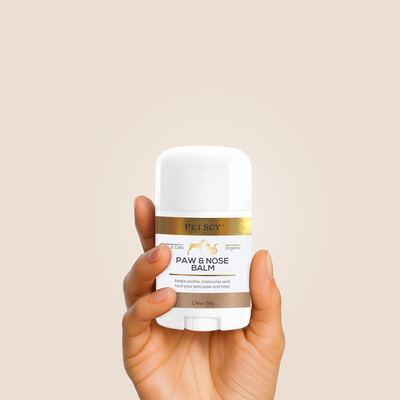
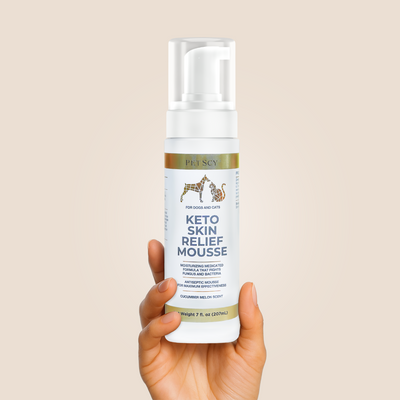
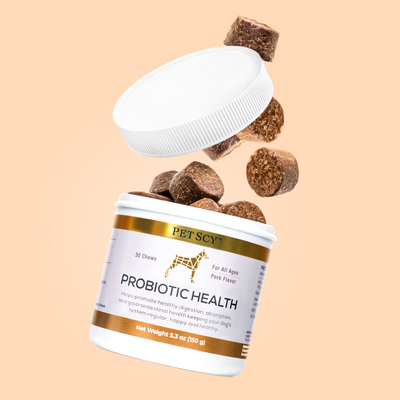
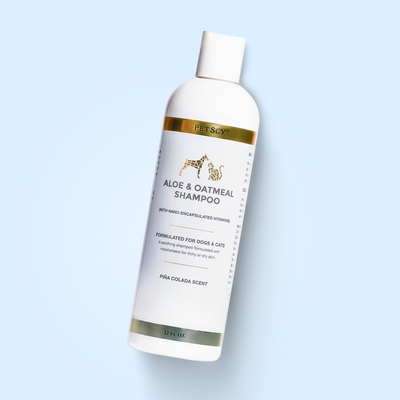
PetScy offers Itch & Allergy Plus Chews alongside topical and omega-3 products, so owners can evaluate whether a chew, a topical, or a broader routine fits the dog's needs. The product choice should still follow the label and, for dogs with medical conditions, veterinary guidance.

FAQs and the Bottom Line
How long might results take?
Some clinical signs in research appeared after about 2 weeks, but that doesn't mean every dog will respond on that schedule. Use the early period to assess tolerance and trends, then judge a gradual support product over a consistent longer trial, often 8 to 12 weeks, unless your veterinarian recommends another plan or the dog worsens.
Do the chews help food allergies?
They may offer general support, but they don't replace an elimination diet. Environmental allergy support and food-allergy diagnosis are different tasks, and a chew can't identify the offending food.
Can I combine them with other PetScy supplements?
Combining products may be reasonable for some healthy dogs, but check overlapping ingredients, total treat calories, and your veterinarian's advice. Introducing products separately and staggering changes can make it easier to spot digestive or skin reactions.
What if the chew doesn't work?
Revisit the diagnosis rather than just adding more supplements. Ask your veterinarian to reassess fleas, infection, environmental triggers, food reaction, and the need for prescription options such as Apoquel or Cytopoint.
The clearest decision is this: Itch & Allergy Plus Chews are a reasonable support layer for mild, recurring seasonal itch in an otherwise healthy dog, especially when paired with parasite control, gentle bathing, appropriate nutrition, and observation. They aren't a standalone answer for severe, infected, sudden-onset, or unexplained skin disease. The recent evidence supports possible modest benefit in some dogs, not dependable remission from probiotics as a class.
If your dog has recurring seasonal itching, review the ingredient panel and choose a routine you can follow consistently, then discuss it with your veterinarian if the signs are persistent or severe. Visit PetScy to compare its allergy chews, fish oil, and topical skin-support options for a more complete daily care plan.