









LubriSyn for Dogs: A Practical Owner Guide
Most advice about LubriSyn for dogs starts with “joint supplements are harmless, so it's worth trying.” That's too shallow. LubriSyn isn't just another glucosamine-and-chondroitin chew, and its active ingredient, hyaluronic acid, has a plausible role in joint lubrication. But the strongest canine evidence for hyaluronan involves injections into the joint, not an oral liquid.
That distinction matters. LubriSyn may be a reasonable adjunct for some dogs, but it shouldn't replace diagnosis, weight control, omega-3 supplementation, pain medication when appropriate, or a broader mobility plan. If your dog is stiff, limping, struggling to rise, or avoiding stairs, treat the supplement as one decision inside a ranked evidence hierarchy, not as a hopeful purchase.
Table of Contents
- Why LubriSyn Deserves a Closer Look
- What LubriSyn Actually Is
- What the Evidence Actually Shows
- Dosing and How to Give It
- Safety and Possible Side Effects
- How LubriSyn Compares to Other Joint Options
- Talking to Your Veterinarian About LubriSyn
- Putting It All Together
Why LubriSyn Deserves a Closer Look
Many products get grouped under the phrase “glucosamine for dogs,” even when their formulas and evidence differ substantially. LubriSyn is built around hyaluronic acid, or HA, rather than relying on glucosamine and chondroitin as its central story. That makes it a different product category, even if retailers place it beside familiar joint supplements.
Hyaluronic acid is a glycosaminoglycan, a molecule naturally found in synovial fluid. In a healthy joint, synovial fluid helps surfaces glide and cushions movement. The biological idea behind HA supplementation is straightforward: provide material associated with lubrication and joint cushioning, then hope the body can use it where it matters.
The problem is that biological plausibility isn't the same as proven clinical benefit. A molecule can perform an important job inside a joint while an oral supplement fails to deliver enough of that molecule to the synovial tissues. That's why the key question isn't whether HA belongs in joint fluid. It does. The harder question is whether oral HA reaches a dog's joints in an effective form and concentration.
Don't treat all joint supplements as interchangeable
A glucosamine-chondroitin product, an omega-3 supplement, an anti-inflammatory medication, and an oral HA liquid work through different proposed pathways and have different levels of evidence. Owners who treat them as interchangeable may spend months switching products without measuring whether the dog's pain or mobility has changed.
The available evidence also argues against assuming that every supplement has the same value. A 2017 evidence review found that glucosamine and chondroitin weren't consistently proven as reliable pain-management options in dogs with osteoarthritis. The authors said their benefits could neither be confirmed nor denied, although one included trial reported improvements only after extended supplementation, with the strongest pain effects later in the treatment period. The veterinary evidence review also reported no adverse effects among dogs receiving those supplements.
LubriSyn deserves a closer look because it's based on a specific molecule with a specific mechanism. It also deserves scrutiny for the same reason. The right standard isn't “does the ingredient sound useful?” It's “does this oral product improve an observable outcome for this dog?”
What LubriSyn Actually Is
LubriSyn for dogs is an oral liquid joint supplement centered on high-molecular-weight hyaluronic acid, listed in the formulation as sodium hyaluronate. The product FAQ states that a daily dose provides 75 mg of HA, while the formulation lists 25 mg of sodium hyaluronate per teaspoon, or 5 mL. Its weight-based dosing information and formulation were cited earlier, so this section does not repeat that source link.
Hyaluronic acid is a key compound in synovial fluid, giving it the slippery quality that lets cartilage surfaces glide past each other. It also contributes to the fluid's cushioning role as joints handle normal mechanical stress. That biological rationale explains why HA appears in joint products, but it does not prove that an oral supplement will relieve a dog's arthritis.

Why molecular size and delivery matter
The product emphasizes high-molecular-weight HA. Molecular weight can affect how hyaluronan behaves in tissues and fluids, so the label detail is relevant. It still leaves the main question unanswered: what reaches the dog's joint after oral dosing?
An injected HA product is placed directly into or around the joint environment. An oral liquid must pass through the digestive tract first. Some of the material may be broken down, absorbed, or processed before it can influence synovial tissues. Canine evidence has not firmly established that oral HA survives this route and produces a consistent clinical effect in osteoarthritis.
LubriSyn therefore belongs in the “plausible but less established” tier of joint care. Its lubrication-based rationale is reasonable, yet oral delivery cannot be assumed to reproduce the effect of an injection. Owners should rank it below better-studied strategies, including veterinary-guided multimodal care and appropriate omega-3 use, rather than treating it as a standalone fix.
What the label tells you, and what it doesn't
The label gives a weight-based amount and may recommend an initial period at a higher dose. It does not promise that a dog with advanced arthritis will become comfortable, rebuild lost muscle, or avoid disease progression.
Use the formulation as a starting point, then track observable outcomes. Ask whether your dog rises more easily, walks farther, or settles comfortably after activity. Bring those observations to the veterinarian and stop judging the product by a general “joint support” claim.
What the Evidence Actually Shows
The strongest independent canine evidence for hyaluronan involves intra-articular treatment, not oral LubriSyn. In a randomized controlled trial of dogs with naturally occurring osteoarthritis, injected high-molecular-weight hyaluronan improved functional measures. Symmetry and deviation indices improved from 30 to 180 days, while pain scores improved from 90 to 180 days. Radiographic progression still occurred in both groups. The published veterinary trial supports functional and pain benefits when hyaluronan is delivered directly into the joint. It does not prove that an oral liquid produces the same result.
That delivery difference sets the evidence limit. An injection puts the compound in the intended joint environment. Oral HA must pass through digestion and reach synovial tissues at an effective concentration. A review of the evidence found that oral HA may affect biomarkers, while consistent clinical benefit for canine osteoarthritis remains unproven.

The broader supplement evidence is uneven
LubriSyn makes more sense as one option in a ranked care plan than as a standalone fix. A 2022 systematic review and meta-analysis of canine and feline osteoarthritis found a clear analgesic benefit for omega-3 products. The same review found a “very marked non-effect” from chondroitin-glucosamine products for pain control and recommended against using them for osteoarthritis pain management. The systematic review and meta-analysis supports a practical rule: evaluate each supplement by its evidence, not by the broad label of joint support.
The review also described a randomized, placebo-controlled canine study of a mixed nutraceutical formula. It enrolled 40 dogs for 60 days and reported significant improvement in veterinarian and owner assessments, with no adverse effects. That finding does not establish that every combination product works, but it shows that a multi-ingredient formula can perform differently from glucosamine-chondroitin alone.
Evidence rule: A positive study of injected HA, omega-3s, or a mixed nutraceutical formula cannot prove that oral LubriSyn will produce the same result.
LubriSyn has a biologically reasonable rationale, but limited and mixed oral canine evidence. Rank it below veterinary-guided multimodal care and appropriate omega-3 use. If you try it, judge it by changes in comfort and movement, then review those observations with your veterinarian.
Dosing and How to Give It
Follow the product's current label and your veterinarian's instructions rather than copying a dose from another dog. LubriSyn's pet formulation provides 25 mg of sodium hyaluronate per teaspoon, or 5 mL, and the listed daily amount is scaled by body weight. The product FAQ also states that a daily dose provides 75 mg of HA. The manufacturer's dosing information is the appropriate reference if the bottle and online instructions differ.
The label commonly uses two phases. Owners may start with a doubled initial amount, often described as a loading period, before reducing to the regular maintenance amount. Don't extend that higher amount or increase the maintenance dose without veterinary guidance, particularly if your dog has other health conditions or takes medication.
| Dog Weight | Approximate Daily Dose | Notes |
|---|---|---|
| Small dogs | Use the product's weight-based label amount | Measure carefully and follow the initial loading instructions |
| Medium dogs | Use the product's weight-based label amount | Maintenance follows the label's starting period |
| Large dogs | Use the product's weight-based label amount | Ask the veterinarian whether the labeled amount fits the dog's condition |
Mix the measured liquid into food if your dog accepts it that way. Keep administration consistent, because irregular dosing makes it harder to tell whether the product is helping. If you miss a dose, don't automatically double the next one. Resume the normal schedule unless your veterinarian tells you otherwise.
Don't judge the product after a few days. The 2017 evidence review found that the signal in one glucosamine-chondroitin trial emerged over weeks rather than days, with maximal pain effects observed later in the supplementation period. That finding doesn't prove LubriSyn will follow the same timeline, but it supports a sensible evaluation period rather than an immediate verdict. For practical expectations about joint supplements, see this guide to how long dog joint supplements may take to work.
Safety and Possible Side Effects
Available literature suggests that oral HA is generally well tolerated in dogs, and the evidence summarized above reported no adverse effects among dogs receiving the supplements studied. That's reassuring, but it isn't a guarantee of long-term safety for every dog using LubriSyn at label doses. Product-specific safety data across large canine populations remains limited.
Start with the label amount, use a proper measuring spoon or syringe if supplied, and observe your dog after introducing the product. A liquid can be easier to administer than a concentrated tablet, but “natural” doesn't mean risk-free. Dogs can react to inactive ingredients, flavorings, or changes in their feeding routine.
Stop and call the veterinarian if you see
- Digestive changes: Vomiting, persistent diarrhea, or a marked appetite change deserves attention, especially if it starts soon after the product is introduced.
- Mobility deterioration: New lameness, sudden reluctance to walk, or a sharp decline shouldn't be written off as a supplement adjustment.
- Possible medication concerns: Tell the veterinarian about LubriSyn if your dog takes an NSAID or other medication. The vet can decide whether the combination fits the dog's medical history.
- A pattern that worsens: If symptoms continue or progress despite consistent use, stop treating the bottle as the main plan and arrange an examination.
A flare of osteoarthritis may happen at the same time as a new supplement, so timing alone doesn't prove causation. Your veterinarian can help distinguish a product reaction from disease progression, another injury, gastrointestinal illness, or an unrelated problem.
Safety practice: Record the date you start LubriSyn, the amount given, other medications, appetite, stool quality, and mobility. A short daily log is more useful than trying to reconstruct changes from memory.
How LubriSyn Compares to Other Joint Options
LubriSyn makes the most sense when you rank options by purpose and evidence instead of asking which supplement is “best.” A dog with confirmed osteoarthritis may need pain control, weight management, controlled exercise, rehabilitation, and selected supplements. No single bottle covers all of those needs.

A practical evidence ranking
First, build the foundation. Weight management and appropriate activity belong at the center of care. Excess body weight increases the physical demand placed on painful joints, while carefully controlled movement can help preserve function. A veterinarian or rehabilitation professional can tailor activity to the dog's diagnosis and current tolerance.
Next, consider omega-3s. The 2022 systematic review found a clear analgesic benefit for omega-3 products in canine and feline osteoarthritis. That gives omega-3 supplementation a stronger pain-related evidence position than chondroitin-glucosamine products in the reviewed literature. Product quality and dose still matter, so ask the vet to help choose a formulation.
For active pain, veterinary medication is more dependable. NSAIDs can provide meaningful pain relief, but they require veterinary oversight because the dog's health status, medication history, and monitoring needs matter. A supplement shouldn't delay appropriate treatment for a dog that's struggling.
Multimodal care often beats supplement swapping. Rehabilitation exercises, environmental changes, controlled walks, and veterinary pain management address different parts of the problem. The mixed nutraceutical study described earlier also suggests that formulas shouldn't be assumed equivalent just because they all use the word “joint.”
Glucosamine and chondroitin sit lower than their reputation suggests. The evidence is inconsistent, and the 2022 review found a marked lack of pain-control effect for those products. That doesn't mean every dog will fail to respond, but it does mean owners should demand a measurable reason to continue.
Oral HA, including LubriSyn, is plausible but not proven as a standalone answer. It may fit a dog whose owner wants to add a low-risk adjunct after discussing the evidence gap with a veterinarian. For another perspective on choosing joint support, read what may be the best supplement for joint pain in dogs.
Talking to Your Veterinarian About LubriSyn
Bring information, not just the bottle. Your veterinarian can make a better decision when they know what changed, when it changed, and what else your dog receives.
Before the appointment, gather:
- A current medication list: Include prescriptions, supplements, treats with active ingredients, and recent changes.
- A symptom timeline: Note stiffness after rest, difficulty rising, reluctance on stairs, changes in walking distance, and good or bad days.
- A short gait video: Record your dog walking on a flat surface and getting up from rest. Home videos often capture problems that don't appear during a brief clinic visit.
- Specific treatment goals: Decide whether success means easier rising, longer walks, less limping, better sleep, or more willingness to play.

Ask direct questions:
- “Does my dog's pattern fit osteoarthritis, or should we investigate another cause?”
- “Does oral HA make sense for this stage of disease?”
- “Would omega-3s, rehabilitation, weight reduction, or an NSAID address the main problem more effectively?”
- “Can LubriSyn be combined safely with the current plan?”
- “What specific change should count as a response?”
- “When should we stop if there's no meaningful improvement?”
A veterinarian who's cautious about oral HA isn't necessarily saying the product is dangerous. They may be distinguishing the limited oral evidence from the stronger evidence for direct joint delivery and from better-supported pain-management approaches.
Set a review point instead of continuing indefinitely by default. After a consistent trial, compare your dog's mobility log and videos with the baseline. If there's no clear improvement in comfort or activity, ask whether the money and effort would be better directed toward another part of the care plan. For broader medication questions, consult this guide to joint medications for dogs.
Putting It All Together
LubriSyn is a specific oral HA product with a reasonable biological rationale and an incomplete evidence base. It isn't equivalent to injected hyaluronan, and it shouldn't be marketed in your mind as a cure for arthritis or a substitute for pain control.
Start with a veterinary diagnosis. Then address the fundamentals, including body condition, safe exercise, home surfaces, rehabilitation, and appropriate pain management. Omega-3s have a clearer analgesic signal than glucosamine-chondroitin products in the cited review, while oral HA may be considered as an adjunct when expectations remain realistic.
Judge LubriSyn by function, not by testimonials. “Joint support” is a broad phrase. A more useful question is whether your dog rises more easily, walks more comfortably, rests better, or resumes an activity they previously avoided. Customer reviews can describe real experiences, but anecdotes can't establish that the product caused the improvement or that it will work for your dog.
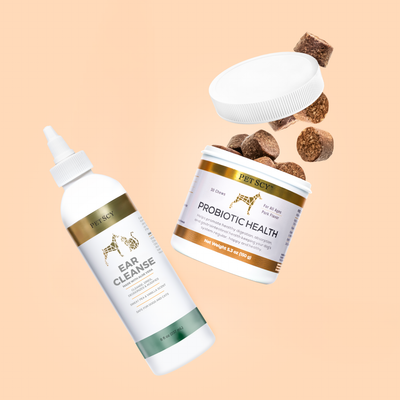
PetScy offers veterinarian-formulated canine products, including Longevity Joint & Immune Chews containing hyaluronic acid and green-lipped mussel, as well as fish oil with omega-3 EPA and DHA. If you're comparing options for a broader mobility plan, visit PetScy, then review any supplement choice with your veterinarian before starting it.