









Plaque Powder for Dogs: A Vet-Informed Guide
You lean in for a familiar greeting, your dog tilts their head toward you, and a sharp odor stops the cuddle short. Maybe you've also noticed yellowing along the gum line, or your veterinarian mentioned early tartar during a routine examination. Those signs often prompt owners to search for plaque powder for dogs, especially when daily toothbrushing hasn't worked in real life.
The appeal is practical. A powder can travel easily, mix into a regular meal, and avoid the struggle of holding a reluctant dog's mouth open. It can suit a picky dog that rejects dental chews, or a multi-dog household where brushing one mouth is manageable but brushing several isn't. The important question isn't whether every plaque powder “works” in the abstract. It's which ingredient has evidence for which job, and where that product belongs alongside brushing, wipes, water additives, veterinary examinations, and professional cleaning.
Table of Contents
- Why Owners Start Looking Into Plaque Powder
- What Plaque Is and Why It Matters
- How Plaque Powder Works at the Ingredient Level
- How to Use Plaque Powder in a Daily Routine
- Plaque Powder vs Wipes, Water Additives, and Brushing
- What Plaque Powder Cannot Fix on Its Own
- Safety, Ingredients to Avoid, and When to Call the Vet
- Building a Realistic Long-Term Dental Routine
Why Owners Start Looking Into Plaque Powder
Bad breath is often the first signal owners notice because it reaches them before visible dental changes do. A dog may still eat normally, play normally, and welcome a face-to-face greeting while plaque accumulates around the gum line. By the time yellow or brown tartar is obvious, the mouth may have been dealing with a longer-running maintenance problem.
The scale of canine periodontal disease explains why home care deserves attention. In a UK primary-care analysis of 22,333 dogs across 784 clinics, the one-year recorded prevalence was 12.52%, and periodontal disease was the most commonly diagnosed disorder in that dataset, as reported in the VetCompass periodontal disease analysis. Reviews using anesthetized examinations have reported much higher prevalence, ranging from 44% to 100%, which suggests that routine records can underdetect disease.
Why powder feels achievable
Many owners arrive at powder after trying the “ideal” routine and finding that it doesn't fit their household.
- The toothbrush battle: A dog may clamp their jaw, turn away, or become anxious as soon as the brush appears.
- The rejected chew: Some dogs won't eat dental chews, while others have dietary restrictions that make chew selection difficult.
- The multi-dog problem: A short meal-time routine can be easier to repeat for several dogs than individual mouth handling.
- The travel problem: A scoopable product is simple to pack when a brush, paste, and cooperative dog aren't available.
A powder still needs consistent use, sensible dosing, and realistic expectations. It's best viewed as a low-effort daily support, not a replacement for every other form of dental care. For a broader foundation before choosing a product, review this guide to dog dental hygiene.
What Plaque Is and Why It Matters
A dog can finish a meal with teeth that look clean, while a thin bacterial film is already developing along the gumline. Plaque is a bacterial biofilm, a soft, sticky community attached to tooth surfaces. It is not leftover food, and it is different from tartar. That difference determines what a daily powder can reasonably support.
Fresh plaque behaves like residue on a kitchen counter: a damp cloth can disturb it before it dries. Repeated buildup can harden into a scale that needs far more force to remove. Plaque is the soft film. Tartar, also called calculus, is the mineralized deposit that grips the tooth.

The progression from film to calculus
The change happens in stages:
- Plaque forms after eating. Bacteria attach to enamel and begin building a biofilm.
- The biofilm matures. It becomes thicker and more organized, so casual chewing or rinsing may not disrupt it.
- Minerals harden the deposit. Salivary minerals transform soft plaque into tartar that adheres firmly to the tooth.
A powder, wipe, or water additive is intended for the early, soft stage. Once tartar is established, these products cannot reliably dissolve it or reach deposits below the gumline. A veterinary dental procedure, typically performed under anesthesia with mechanical scaling, is needed to assess and remove hardened deposits safely.
That is why ingredient choice should start with the job being asked of it: daily plaque control, limiting recurrence after a professional cleaning, or supporting fresher breath. Consistent canine oral-care powder trials have reported reductions in supragingival plaque and calculus, including one trial that reported a 20% reduction in overall plaque and an 18% reduction in calculus versus controls, as described in the oral-care powder trial. For a plain-language comparison of plaque and tartar, see these Mouthology oral health tips.
Practical rule: Visible tartar is yesterday's plaque made hard. Powder is aimed at the new plaque forming today.
How Plaque Powder Works at the Ingredient Level
A label reading “dental support” doesn't tell you enough. Evaluate the formula by the job each ingredient is supposed to perform. The strongest framework separates antimicrobial activity, plaque-maturation interference, and compliance support.
Antimicrobial ingredients, such as chlorhexidine and some zinc salts, are intended to reduce or suppress bacteria involved in early biofilm development. Beagle-dog research found that 0.2% chlorhexidine significantly reduced plaque and gingivitis, while a chlorhexidine chew lowered plaque accumulation without improving calculus reduction. That distinction is important. An antimicrobial effect can slow early plaque formation, but it shouldn't be described as a tool that scrapes away hardened deposits. The canine chlorhexidine evidence is discussed in this Journal of Dental Research study.
Read the formula by function
Plaque-maturation interference is a different strategy. Ingredients such as sodium tripolyphosphate and certain hexametaphosphate compounds can bind salivary calcium, leaving less calcium available to mineralize soft plaque. Brown-algae ingredients may also influence oral metabolic pathways associated with plaque and calculus development, supporting a non-antibiotic maintenance approach.
Other label ingredients may help a dog accept the product, but that isn't the same as proving dental efficacy. Kelp, brewer's yeast, and bone meal can affect taste, texture, or mixing behavior. Herbal blends and “natural breath fresheners” may reduce perceived odor or cover it temporarily without demonstrating meaningful biofilm control in dogs.
| Ingredient Class | Mechanism | Example Active Ingredients | Evidence Strength |
|---|---|---|---|
| Antimicrobial | Suppresses bacteria involved in early biofilm formation | Chlorhexidine, selected zinc salts | Canine evidence exists for some specific actives, but the formulation and dose matter |
| Plaque-maturation interference | Limits mineral availability for hardening soft plaque | Sodium tripolyphosphate, selected hexametaphosphate compounds | Mechanistically plausible, with product-specific support rather than interchangeable proof |
| Brown algae and related marine ingredients | May alter oral metabolic pathways linked with plaque and calculus | Ascophyllum nodosum, brown algae | Randomized canine data support selected formulations |
| Compliance and carrier ingredients | Improves taste, texture, mixing, or acceptance | Kelp, brewer's yeast, bone meal | Supports daily use, but isn't proof of plaque reduction |
| Odor-focused blends | Masks or changes breath odor | Herbal blends, “natural fresheners” | Don't assume breath masking equals biofilm control |
A randomized canine trial found that Ascophyllum nodosum reduced plaque, calculus, and gingival bleeding with daily administration, while the broader evidence emphasizes maintenance after professional prophylaxis rather than reversal of established periodontal disease. That makes the Supplement Facts panel more useful than a front-label promise. Look for a named active, a clear amount, and a stated purpose.
How to Use Plaque Powder in a Daily Routine
Start with the dog, not the scoop. Weigh your dog and follow the product's weight bracket exactly. Some formulas use a serving range such as one scoop per 10 to 20 pounds, but that range isn't universal, so the package directions must control.
Mix the measured powder into the moist portion of the main meal. Moist food helps the powder bind to the meal instead of collecting at the bottom of a dry bowl. If your dog eats kibble, adding a small amount of an appropriate moist food can improve distribution, provided the change fits the dog's diet.
A routine that survives busy days
Give the powder with the meal your dog reliably finishes. The most important benefit of a “largest meal” isn't a special chemical timing effect. It's compliance. A full serving that your dog consumes is more useful than a carefully planned serving left behind in the bowl.
Use it every day rather than treating it as an occasional breath freshener. Plaque continues to form, so intermittent use leaves long gaps in the maintenance plan. Don't double the serving because you're impatient with the result. Follow the label, introduce a new formula thoughtfully, and assess the mouth over a meaningful period rather than judging it after a single meal.

A simple sequence works well:
- Measure: Confirm body weight and use the label's serving bracket.
- Mix: Blend the powder into moist food or a portion of the meal.
- Serve: Feed it with the meal your dog reliably completes.
- Monitor: Track breath, gum color, appetite, and visible deposits without expecting old tartar to disappear.
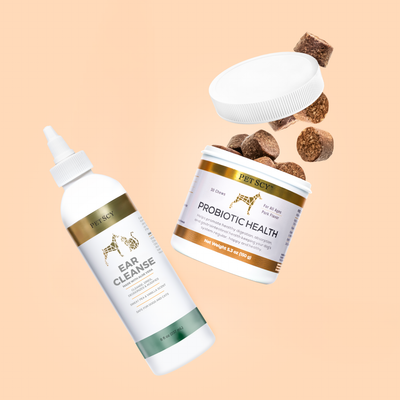
For owners comparing a ready-to-use option, PetScy's dental powder is designed to be added to food daily. Whatever product you choose, consistency and ingredient transparency matter more than a dramatic front-label promise.
Plaque Powder vs Wipes, Water Additives, and Brushing
The right comparison isn't “which product is best?” It's “which method can this dog tolerate often enough to matter?” Brushing provides direct mechanical disruption. Wipes provide contact-based cleaning. Water additives add a low-effort chemical support to drinking water. Plaque powder offers a measured daily dose through food.
| Method | Plaque Reduction | Tartar Impact | Ease of Use | Best Fit |
|---|---|---|---|---|
| Toothbrushing | Directly disrupts plaque where the brush reaches | Doesn't remove established tartar | Hardest for resistant dogs | Dogs that tolerate mouth handling |
| Dental wipes | Wipes surface debris through contact | Limited effect on hardened deposits | Easier than brushing for some dogs | Dogs that reject a brush but allow facial handling |
| Water additives | Delivers diluted oral-support ingredients through drinking | Little or no mechanical action | Very easy, but intake and dosing can vary | Multi-dog homes or owners needing an adjunct |
| Plaque powder | Supports daily plaque control through a measured meal dose | Helps slow new buildup, not remove established tartar | Easy for dogs that eat reliably | Dogs that resist mouth handling |
Match the method to the failure point
A brush is the reference standard for mechanical plaque removal, but a method that never happens has no practical value. Wipes can work well for a dog that tolerates a finger near the teeth but refuses a toothbrush. They're less suitable for a dog that won't allow any mouth contact.
Water additives create almost no handling conflict, though they don't physically scrub tooth surfaces. In a multi-dog home, they can add broad support, but owners may have less control over how much each dog drinks. For families interested in water-related household games after finishing the care routine, The Dog House Max Win is a separate entertainment resource, not a dental-care method.
Powder sits between direct cleaning and passive support. It's more measurable than adding an unspecified amount to shared water, but it still depends on the dog eating the complete meal. A sensible pairing is brushing plus powder, or wipes plus powder when brushing isn't realistic. For odor-focused questions, this guide to a dog breath freshener can help owners separate breath support from treatment of dental disease.
What Plaque Powder Cannot Fix on Its Own
A powder can support maintenance, but it can't reset a diseased mouth. The strongest evidence for canine oral powders comes from daily use after professional prophylaxis, when the teeth have already been cleaned and the formula is helping slow plaque regrowth. A 2026 review described this post-cleaning role as the best-supported use, rather than reversal of established periodontal disease, as summarized in the canine periodontal-care review.
That distinction changes how owners should interpret visible tartar. Hardened calculus won't be brushed away by a powder, and it won't safely disappear because a supplement changes the oral environment. Veterinary professionals need to remove established deposits mechanically, assess the teeth, and inspect areas that home products can't reach.
Problems a scoop can't diagnose
Powder also can't reach periodontal pockets below the gum line. Disease in those deeper tissues can progress while the visible tooth surface appears only mildly discolored. It won't reverse bone loss, repair a loose tooth, or reliably resolve established gingivitis.
Owners who skip professional care may still see useful maintenance benefits, such as slower plaque accumulation or less noticeable odor, but those improvements don't prove that disease has stopped. A dog can have a more pleasant breath and still need treatment.
A daily powder is a maintenance tool. It isn't a dental cleaning, an anesthesia-free tartar remover, or a substitute for a veterinary examination.
Schedule regular veterinary dental assessments even when the home routine is disciplined. Your veterinarian can decide whether the mouth is suitable for maintenance or needs professional treatment first.
Safety, Ingredients to Avoid, and When to Call the Vet
Treat dental powder like any other supplement. “Natural” doesn't automatically mean safe for every dog, and a dog's existing conditions, medications, age, and diet can change the risk assessment.
Check the ingredient panel carefully. Xylitol should never be present, even in trace amounts, because it can be dangerous to dogs. Use caution with concentrated essential oils and excessive zinc, and don't assume that a long ingredient list signals a stronger formula. A clearly named active with a defined purpose is easier to evaluate than a proprietary blend that gives no useful detail.
Ask before adding a new formula
Speak with your veterinarian before starting a new oral supplement if your dog has kidney, liver, or pancreatic disease. The same caution applies to senior dogs taking NSAIDs, antibiotics, seizure medication, or other long-term prescriptions. Some antimicrobial ingredients may affect gut flora or alter how other substances are absorbed, and your veterinarian can review the complete product against the dog's medical history.
Introduce the product according to its label and observe appetite and stool quality. Keep the container, lot or batch information, and ingredient panel available if a reaction occurs. For older dogs, your veterinarian may also decide whether baseline laboratory testing is appropriate before adding any new supplement.
Know when powder isn't the next step
Arrange a veterinary examination if you notice:
- Persistent odor: Breath remains strongly unpleasant after consistent use and appropriate observation.
- Inflamed gums: Gums look red, swollen, or bleed with gentle contact.
- Loose teeth: A tooth moves, changes position, or appears painful.
- Mouth discomfort: Your dog paws at the mouth, drools unusually, or avoids being touched.
- Eating changes: Appetite drops, chewing changes, or hard food becomes difficult.
Monthly photographs of the gum line can help you notice gradual change, but photographs don't replace an examination. If the mouth looks painful, don't keep increasing the dose while waiting for a cosmetic improvement.
Building a Realistic Long-Term Dental Routine
The most workable routine layers methods instead of asking one product to do everything. Brushing supplies direct mechanical action, powder supplies a repeatable daily support through food, and appropriate chews or toys can add engagement and limited abrasion. Each layer has a different job.
A practical framework looks like this:
- Primary mechanical care: Brush as often as your dog will calmly tolerate, building the habit gradually rather than forcing a long session.
- Daily chemical support: Mix plaque powder into the main meal every day, using the product's weight-based directions.
- Additional engagement: Offer veterinarian-approved dental chews or toys when they're appropriate for the dog's size, chewing style, and health status.
- Household adjunct: Consider a water additive when it helps a multi-dog household maintain a consistent baseline, but don't treat it as a substitute for direct cleaning.
Make the plan sustainable
Start a new powder after a professional cleaning when your veterinarian says the mouth is ready for maintenance. That clean starting point makes it easier to judge whether plaque returns more slowly. Professional cleaning intervals should be individualized. Breed, mouth shape, age, prior disease, and home-care consistency all influence the schedule, so your veterinarian should determine whether examinations need to be more frequent.
Small and brachycephalic dogs often deserve closer attention because crowded teeth and shorter facial structures can make home cleaning harder. Don't wait for a strong odor to restart care. Put the scoop beside the food container, keep the brush accessible, and record changes with occasional photographs.

The core positioning remains simple: plaque powder is the easiest daily input, not a stand-in for brushing or veterinary intervention. Choose the ingredient class according to the job you need, use it consistently, and have persistent symptoms evaluated instead of trying to solve them with a larger scoop.
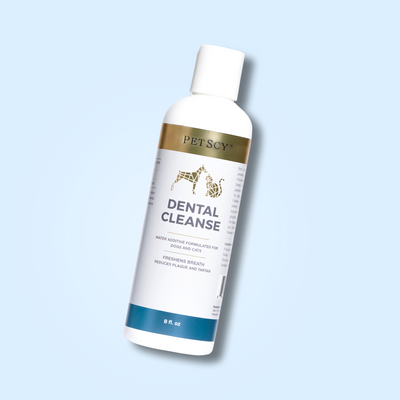
PetScy offers veterinarian-formulated dental powder, dental finger wipes, and a dental water additive for different levels of daily canine oral care. Visit PetScy to compare those options and choose the routine your dog is most likely to accept consistently.