












Best Senior Dog Joint Supplements: A 2026 Guide
Most senior dog owners are told to start with glucosamine and chondroitin. That advice sounds sensible because these ingredients are associated with cartilage and joint structure, but the strongest independent review doesn't support them as a reliably effective treatment for osteoarthritis pain. A 2022 systematic review and meta-analysis found strong evidence of non-effect for glucosamine-chondroitin nutraceuticals in dogs and cats with osteoarthritis, while omega-3 products beneficially modulated pain (systematic review and meta-analysis).
That doesn't mean every supplement is useless, or that a dog already taking glucosamine must stop immediately. It means senior dog joint supplements deserve the same scrutiny as any other health intervention. The ingredient, its dose, the product's quality, your dog's diagnosis, and the way you measure progress all matter more than a familiar label.
The need is substantial. In a large Dog Aging Project analysis, 40% of adult dogs received some type of joint supplement, and 70% of dogs with a veterinarian-diagnosed osteoarthritis diagnosis received at least one (Dog Aging Project analysis). For an older, larger, or previously overweight dog, daily mobility support may be reasonable, but supplements work best as one layer of a broader plan.
Table of Contents
- Why the Most Popular Joint Supplement May Not Help Your Dog
- Breaking Down the Major Joint Supplement Ingredients
- How to Choose the Right Supplement for Your Senior Dog
- Building a Complete Joint Care Plan Beyond Supplements
- Setting Realistic Timelines and Tracking Mobility Progress
- Choosing Between Chews, Oils, and Powder Formats
- Verifying Quality and Safety Before You Buy
Why the Most Popular Joint Supplement May Not Help Your Dog
Glucosamine-chondroitin became the default recommendation because its biological theory sounds persuasive. Glucosamine contributes to molecules found in cartilage and joint fluid, while chondroitin is associated with cartilage structure and water retention. A plausible mechanism, however, does not guarantee meaningful pain relief for a living dog with established osteoarthritis.
The review evidence is unusually direct. A 2022 systematic review and meta-analysis found strong evidence of non-effect for glucosamine-chondroitin products used for pain management in canine and feline osteoarthritis. The authors concluded that these nutraceuticals should not be prescribed for OA pain management in dogs or cats, while omega-3 products beneficially modulated pain (evidence review).
That conclusion changes how I read a supplement label. Glucosamine or chondroitin is not automatic proof of clinical value. I look for the rest of the formula, clearly disclosed amounts, and a credible anti-inflammatory component. I also separate support for joint structure from evidence that a dog will move more comfortably.
Why omega-3 deserves priority
Marine omega-3 fatty acids, particularly EPA and DHA, have a stronger rationale for osteoarthritis support because they can influence inflammatory signaling. The review identified omega-3 products as beneficially modulating pain, making an EPA/DHA-rich formula more defensible than one built almost entirely around cartilage-focused ingredients.
Some newer products combine multiple active ingredients instead of relying on one traditional compound. A randomized canine osteoarthritis study reported measurable mobility benefits from certain multi-ingredient or UC-II-containing formulas within about four weeks, including an activity change of up to 10% by six weeks in one controlled study (randomized canine osteoarthritis study). Those findings do not establish that every combination works. They do show why outcomes matter more than a familiar ingredient list.
Clinical perspective: A supplement can be safe, popular, and theoretically logical without reliably treating pain.
Use a product with a clearly disclosed omega-3 component or a multi-ingredient formula supported by objective mobility research. Track baseline activity, stiffness after rest, willingness to climb or walk, and changes in those measures over several weeks. If mobility does not improve, reassess the product rather than continuing indefinitely. Significant pain still warrants a veterinary examination and may require prescription treatment alongside any supplement.
Breaking Down the Major Joint Supplement Ingredients
A senior dog supplement can list many appealing compounds, but ingredient count does not establish usefulness. Dose, formulation, product quality, and canine evidence matter more than a crowded label.
Glucosamine and chondroitin
Verdict: low priority as standalone pain support. Their proposed roles in cartilage and joint-fluid biology are reasonable, yet the available systematic review found that glucosamine-chondroitin nutraceuticals did not reliably affect osteoarthritis pain in dogs and cats. I would not choose a product only because these ingredients appear prominently on the package.
MSM
Verdict: plausible adjunct, limited canine-specific certainty. MSM is included for proposed anti-inflammatory and antioxidant effects. Evidence for senior-dog osteoarthritis remains less persuasive than the support for marine EPA and DHA. It may fit a broader formula, but should not draw attention away from ingredients with stronger independent evidence.
Marine omega-3 fatty acids
Verdict: the ingredient category I prioritize first. Look for clearly stated EPA and DHA amounts, not only “fish oil” or “omega-3s.” Disclosure makes products easier to compare and clarifies whether the formula contains a meaningful active component. The evidence review identified omega-3 products as beneficially modulating pain, giving this category the clearest evidence-based role among common supplement ingredients.
A transparent label matters more than a familiar ingredient name.
Turmeric and green-lipped mussel
Verdict: optional additions that require scrutiny. Botanical and marine ingredients may provide useful anti-inflammatory compounds, but extraction method, standardization, dose, and quality vary between products. “Contains turmeric” reveals little unless the label identifies its form and amount. Green-lipped mussel products deserve the same examination, particularly when the label does not explain how much active material is provided.
UC-II and collagen peptides
Verdict: promising, but still emerging. Controlled research has reported measurable mobility benefits with certain UC-II-containing products. A recent review also described preliminary evidence of reduced lameness with collagen hydrolysates. A 2024 randomized study of bioactive collagen peptides reported efficacy using objective parameters, although consumer guidance still gives limited attention to which candidates work best and how large their effects are (collagen hydrolysate review).

Hyaluronic acid and other supportive compounds may appear in the same formula, but they should not replace the fundamentals. Check actual quantities rather than judging a product by its ingredient list.
Owners comparing traditional ingredients with broader mobility support can review Lubrisyn for dogs for product-specific context. Discuss any new supplement with a veterinarian when the dog has another disease or receives medication.
The practical hierarchy is clear: EPA and DHA first, evidence-supported multi-ingredient or collagen options next, and glucosamine-chondroitin as a cautious optional component rather than the gold standard.
How to Choose the Right Supplement for Your Senior Dog
Choose for the dog in front of you, not for the most familiar ingredient on the label. A mildly stiff small dog may need a different approach from a large dog that struggles to rise, has carried excess weight, or takes medication.
The Dog Aging Project findings found that dogs receiving joint supplements were more likely to be older, larger, or ever overweight. These characteristics do not diagnose osteoarthritis, but they support a proper mobility assessment before starting a product.
Use a four-part decision check
- Size and weight history: Check current body condition and previous weight gain. A larger frame and excess weight can increase joint load, so weight history belongs in the supplement discussion.
- Current mobility: Distinguish mild stiffness from loss of function. Taking longer to stand is different from avoiding stairs, refusing the car, or failing to finish a familiar walk. Record the specific change rather than relying on a general impression.
- Existing conditions: Review kidney, liver, gastrointestinal, endocrine, bleeding, and heart concerns with your veterinarian. Ingredients may interact with medication or complicate treatment even when they appear gentle on their own.
- Current diet: Confirm whether the food already supplies omega-3s or other joint-support ingredients. This prevents unnecessary overlap and added calories.
Read the label like a clinician
Look for the guaranteed analysis, serving instructions, lot identification, expiration date, and quantity of each ingredient. A proprietary blend that gives only a combined total prevents you from judging whether the active components are provided at meaningful amounts.
Treat claims such as “rebuilds cartilage” or “reverses arthritis” as warning signs. Established osteoarthritis involves more than a nutrient shortage. Supplements can support a mobility plan, but they do not cure the disease.
Practical rule: If you cannot identify the active dose, manufacturing standards, and monitoring plan, the product has not passed a complete review.
Introduce one meaningful change at a time when possible. Track rising from rest, stair use, willingness to walk, and recovery after activity. Reassess those observations with your veterinarian rather than adding several products and guessing which one helped.
Daily logistics matter. If your senior dog struggles to enter a vehicle for appointments, guidance on transporting older pets safely may reduce strain and anxiety during necessary care. Discuss any new supplement with your veterinarian when another disease or medication is involved.
Building a Complete Joint Care Plan Beyond Supplements
A chew can't correct every reason a dog becomes stiff. Osteoarthritis may involve cartilage loss, inflammation, muscle weakness, altered movement, excess body weight, and pain that requires treatment beyond nutritional support. The most defensible role for senior dog joint supplements is therefore multimodal care, not replacement therapy.
Weight management often deserves attention before owners add another product. An overweight dog places greater mechanical demand on painful joints, so a veterinarian-guided nutrition plan can complement supplementation. The goal isn't rapid restriction. It's a sustainable body-condition strategy that preserves muscle while reducing unnecessary load.
Controlled movement is equally important. Complete rest often causes deconditioning, while uncontrolled running and jumping can provoke setbacks. Short, regular leash walks, gentle strengthening, and water-based exercise may be appropriate for some dogs, but the right level depends on the diagnosis and pain status.
Layer the plan around the dog's limitations
- Nutrition: Use a complete diet that supports an appropriate body condition, then add a supplement with a clear purpose.
- Exercise: Favor predictable, low-impact movement over occasional bursts of intense activity.
- Physical rehabilitation: Ask whether a veterinary rehabilitation professional can assess gait, muscle loss, balance, and range of motion.
- Home changes: Non-slip flooring, ramps, an orthopedic bed, and easier access to food and water can reduce daily strain.
- Veterinary pain control: If stiffness limits normal behavior, prescription analgesia may be necessary. Supplements don't act as quickly or as powerfully as prescription NSAIDs in many painful dogs.
A 2018 UK VetCompass study estimated annual period prevalence of appendicular osteoarthritis at 2.5% in primary-care practice, translating to around 200,000 affected dogs per year in a UK population of roughly 8 million dogs (UK VetCompass osteoarthritis study). That primary-care figure doesn't capture every affected dog, but it illustrates why owners shouldn't wait for a supplement to solve visible disability.
Know when the supplement has reached its limit
A new limp, painful reaction to touch, sudden reluctance to walk, or loss of hind-limb control needs veterinary assessment. These signs may reflect osteoarthritis, but they can also indicate spinal disease, injury, infection, or another condition requiring a different response.
The best plan is layered and adjustable. Start with safe foundations, measure the response, and escalate when comfort or function remains poor.

Setting Realistic Timelines and Tracking Mobility Progress
A supplement should earn its place through measurable improvement, not hopeful impressions. Glucosamine-chondroitin has not produced consistent objective gait or activity benefits in canine osteoarthritis studies over the usual trial period. Some multi-ingredient or UC-II formulas may show mobility changes sooner, but neither result justifies judging a product after only a few days. Use a practical guide to dog joint supplement timelines alongside your veterinarian's advice.
Record a baseline before changing the routine. Repeat the same observations under similar conditions, since “seems better” can reflect expectations, weather, or an unusually easy day.
Track function, not enthusiasm
Choose a few behaviors that reflect your dog's daily comfort:
- Rising: Record how readily your dog stands after resting.
- Stairs and jumping: Note whether your dog approaches, hesitates, or refuses.
- Walk tolerance: Track the duration and pace of ordinary walks.
- Play and interaction: Note interest in toys, greetings, and movement around the home.
- Recovery: Observe stiffness later that day and the following morning.
Film a short walk, turn, or rise from the same angle each time. Video gives your veterinarian a more reliable comparison than memory and may show a subtle limp that disappears during an appointment.
Use a six-to-twelve-week decision window
Give a suitable supplement consistent use for at least 6 to 12 weeks before assessing objective mobility, unless side effects occur or your veterinarian recommends stopping sooner. Review the notes weekly, rather than letting one unusually good or bad day determine the decision.
Measurement beats memory: Record the behavior your dog struggles with, then look for repeated functional change rather than a hopeful impression.
Contact your veterinarian sooner if pain worsens, your dog stops eating or walking normally, develops a new limp, cries out, or shows neurological changes. If the baseline problem remains unchanged after the review period, do not keep adding products. Recheck the diagnosis, body condition, exercise plan, medication needs, and whether imaging or rehabilitation could clarify the next step.
Consistency matters, followed by an honest decision based on function. A supplement that produces no meaningful change after a fair trial may not be the right tool for that dog.
Choosing Between Chews, Oils, and Powder Formats
A well-supported formula is ineffective if your dog refuses it. Format affects adherence, dose accuracy, storage, calories, and whether the routine remains practical when an older dog develops dental discomfort or becomes selective about food.
| Format | Main advantage | Main trade-off |
|---|---|---|
| Soft chews | Convenient and often easy to give | May add calories, fillers, or chewing difficulty |
| Liquid oil | Direct delivery of marine EPA and DHA | Needs careful storage and dosing |
| Powder | Mixes into meals and suits some custom diets | Can be messy and less precise for small dogs |
Soft chews work for dogs that reliably accept treats. Check the calorie contribution, especially if your dog has a history of excess weight. A pleasant taste does not demonstrate efficacy. The label should state the amounts of active ingredients clearly.
Liquid fish oil is practical when EPA and DHA are the priority. Measure each dose consistently, follow storage instructions, and discard the product if it develops a rancid odor or causes digestive intolerance. Labels listing only total fish oil make meaningful dose comparisons difficult because they do not separate EPA from DHA.
Powder suits dogs eating wet food or home-prepared meals, as long as it disperses evenly. Small dogs may need particularly careful measuring because minor dose differences have greater practical significance. Use the supplied scoop accurately, or ask your veterinarian whether an oral syringe is appropriate for that product.
Choose the format your household can administer every day. Preferences can change, so a rejected chew may be replaced with powder mixed into a familiar meal or an oil discussed with your veterinarian. Dental discomfort is a reason to avoid forcing a hard or sticky product.
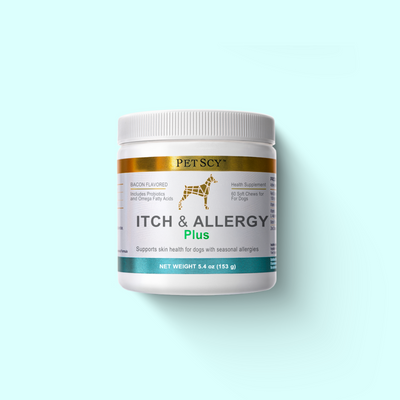
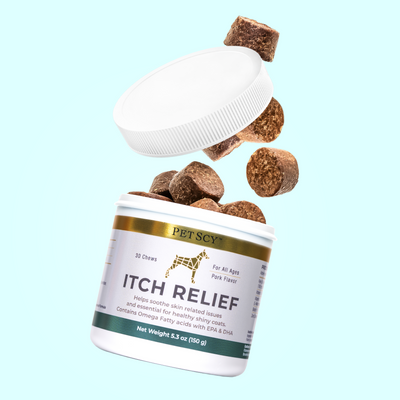
Owners comparing chew-based routines can review PetScy's joint care chews, then check the ingredient quantities, calorie contribution, and suitability for their individual dog. Format determines whether the plan is sustainable. Mobility results determine whether the formula deserves to continue.
Verifying Quality and Safety Before You Buy
Quality control matters because pet supplements don't undergo the same approval pathway as prescription pharmaceuticals. A reputable product should make its ingredient amounts, manufacturer information, lot number, expiration date, and quality-testing approach easy to find.
Third-party testing is more meaningful when a company explains what it tests and how results relate to the finished product. For marine-derived ingredients, ask about contaminant and heavy-metal screening. For all supplements, look for manufacturing practices that support identity, purity, consistency, and appropriate storage.
Membership in the National Animal Supplement Council can indicate participation in industry quality standards, but it isn't a substitute for reading the label or asking your veterinarian. Be cautious with proprietary blends, missing lot details, unsupported disease-treatment promises, and products that make certainty sound stronger than the evidence.
Senior dogs often take several medicines, so keep a complete list of supplements and prescriptions. If your dog develops vomiting, diarrhea, appetite loss, unusual bruising, or another new symptom, stop and seek veterinary advice rather than assuming the reaction is harmless. For owners researching medication information separately, a guide to metoclopramide uses and side effects may help explain why drug-specific questions belong with a veterinarian.
PetScy offers veterinarian-formulated canine supplements including Longevity Joint & Immune Chews and fish oil with EPA and DHA, giving owners options to discuss alongside a measured mobility plan. Visit PetScy to review the joint-support range, product details, and subscription options, then speak with your veterinarian before adding a new supplement to your senior dog's routine.