










Bad Breath & Tartar — Improves Breath & Reduces Plaque via Daily Care.
Your dog yawns beside you, leans in for a morning cuddle, and you catch it immediately: the breath is stronger than yesterday. You lift the lip and find a yellow-brown line along the teeth. It's tempting to reach for a dental chew and call the problem solved, but bad breath and tartar often require a more careful first question: is this a home-care issue, or is periodontal disease already present?
Daily care can improve breath and slow new plaque accumulation, especially when brushing is done consistently. It can't safely remove established tartar below the gumline, repair a broken tooth, or treat an infected mouth. The practical approach is triage first, then a routine your dog can tolerate every day.
Table of Contents
- Why Dog Breath Turns Bad and Tartar Builds So Fast
- What Daily Care Can Realistically Improve
- Your Daily Brushing and Wipe Routine That Actually Sticks
- How to Use Water Additives Powders and Chews Correctly
- Diet Chew Safety and Age Specific Tips for Lasting Results
- Troubleshooting Common Setbacks and Keeping Breath Fresh Long Term
Why Dog Breath Turns Bad and Tartar Builds So Fast
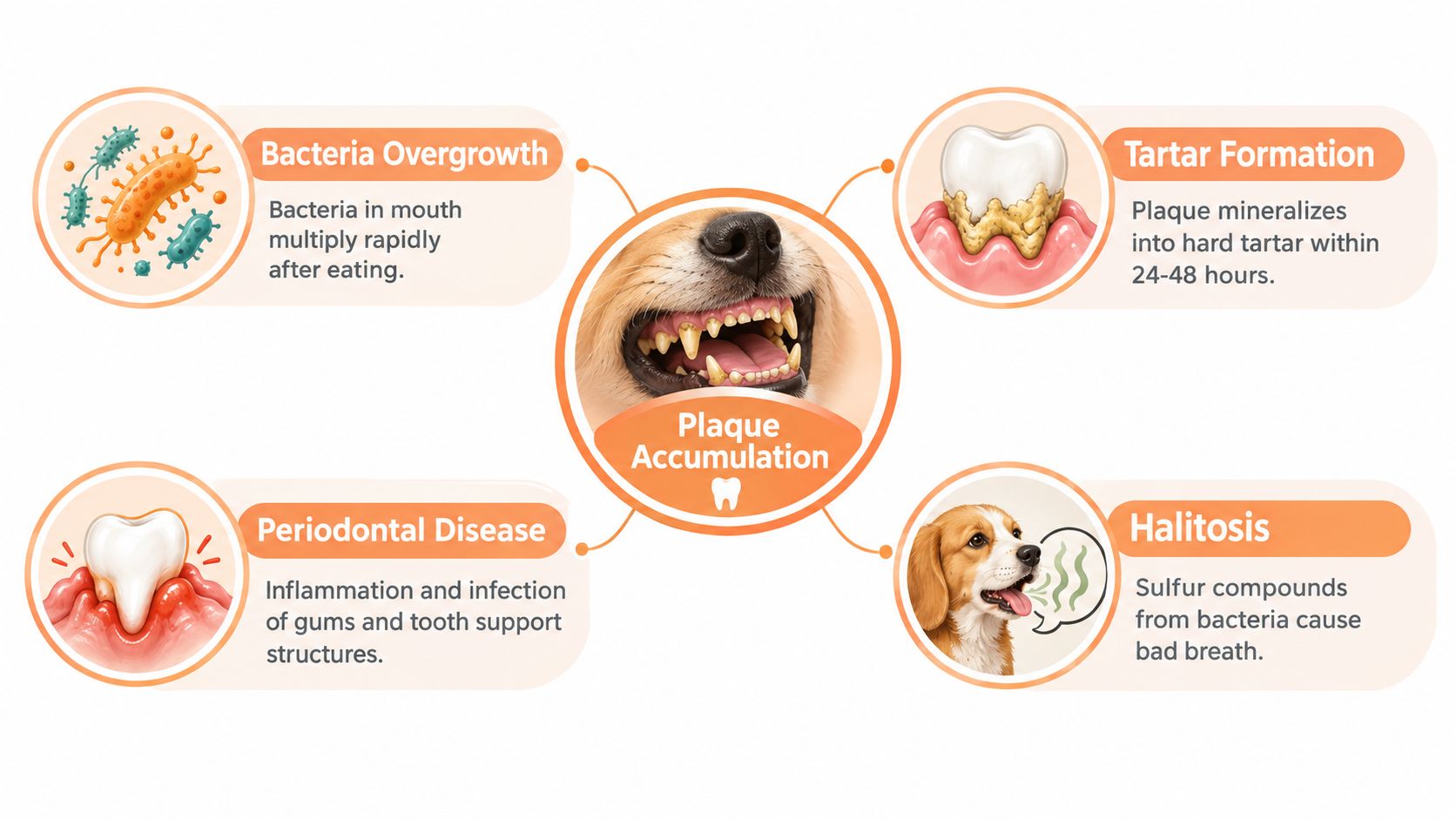
Bad breath and tartar usually begin with the same upstream problem, plaque. Plaque is a sticky bacterial film that forms on tooth surfaces. If it remains in place, it can irritate the gums, contribute to tartar formation, and create the conditions associated with gingivitis, periodontal disease, and unpleasant odor. A veterinary review describes canine periodontal disease as a major long-running oral health problem, with published prevalence estimates ranging from 44% to 63.6% in dogs overall, rising to 84% in dogs aged 3 years or older. Some small-breed populations, including poodles over 4 years old, have reached 100% in reported estimates (2022 review of canine periodontal disease).
That's why a small dog with “just a little” breath can deserve closer attention than the owner expects. Small mouths may make daily tooth cleaning more difficult, and older dogs have had more time for plaque-related disease to develop. The visible brown deposit is only part of the picture. Disease can also affect areas beneath the gumline, where a home brush, wipe, powder, or water additive can't fully assess or treat the problem.
Use odor as a triage clue
A temporary smell after scavenging or eating something unusual isn't the same as persistent foul breath. Odor that returns every day, especially with visible deposits, red gums, drooling, pawing at the mouth, reluctance to eat, dropping food, chewing on one side, loose teeth, or obvious discomfort, should move a veterinary exam ahead of a new home-care product.
Bleeding also deserves judgment rather than dismissal. A small amount of irritation during an early, gentle routine can reflect inflamed gums, but repeated or spontaneous bleeding may indicate disease that needs professional assessment. Don't scrape hard tartar at home. Sharp tools can injure the gums and leave the underlying problem untouched.
Triage rule: Daily care is preventive and supportive. It isn't a substitute for diagnosing periodontal disease, painful teeth, oral infection, or a problem outside the mouth.
If you're researching professional equipment or clinic-level approaches, the Evo Dyne Products dental solutions resource offers context on ultrasonic dental cleaning machines. For a dog with persistent odor or suspicious oral signs, the useful next step is still a veterinary examination, not DIY scaling.
What Daily Care Can Realistically Improve
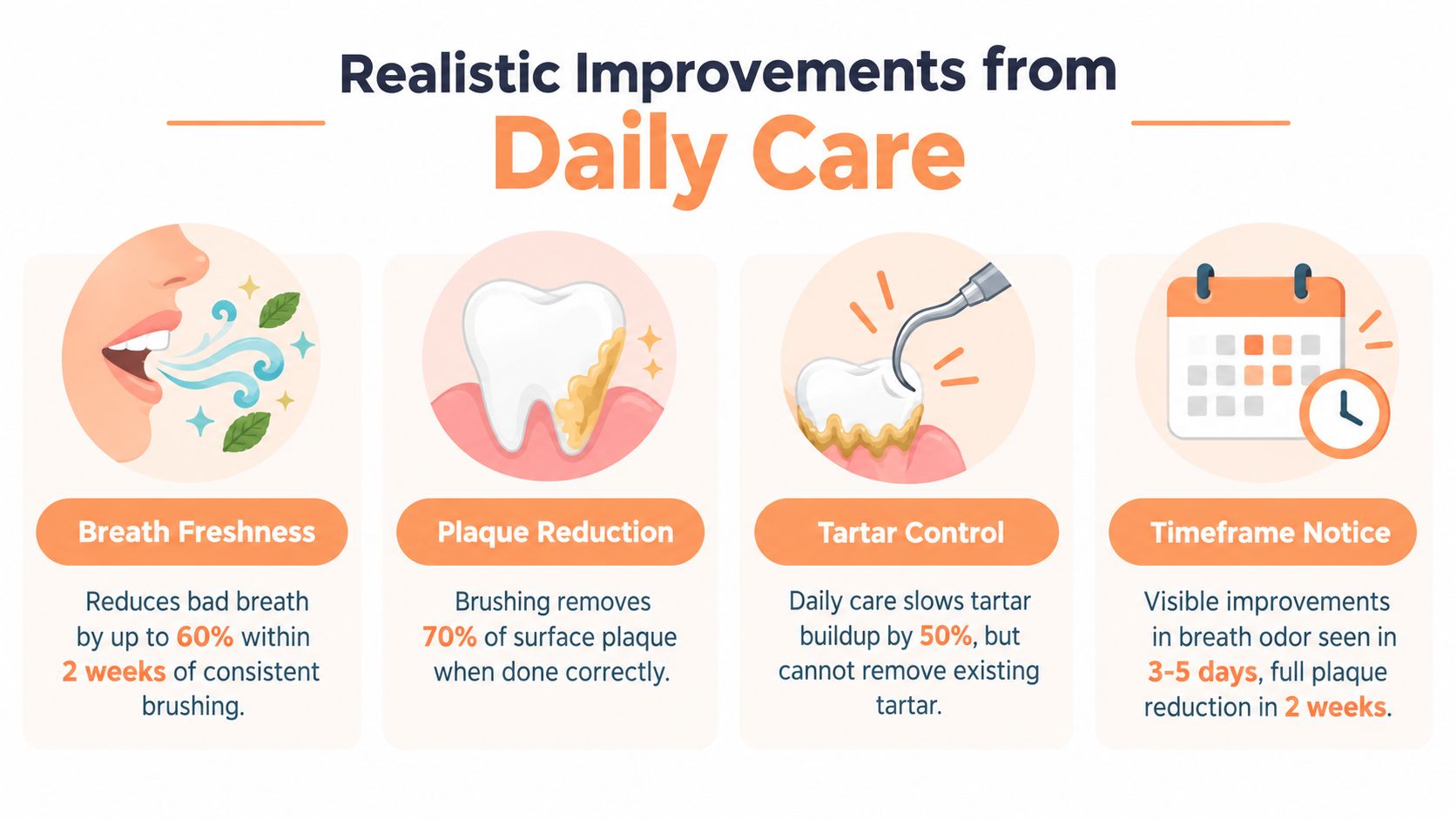
Daily care works by interrupting plaque before it matures and contributes to harder deposits. The key word is daily. A long brushing session once in a while may feel productive, but it gives plaque time to accumulate between efforts. Repetition keeps the bacterial film disrupted and makes it easier to maintain the gumline.
Controlled canine studies support that pattern. In one 24-hour study, a single dental treat significantly reduced breath volatile sulfur compounds and all measured plaque bacterial counts compared with placebo. Another adult-dog trial found that chew treatments lowered plaque thickness, calculus scores, and halitosis compared with control dogs (reviewed canine dental evidence).
The results become more useful when you look at the measured time frames. In a 2021 adult-dog study, dogs fed dental chews had lower halitosis and lower plaque and calculus measures than control dogs. On day 27, reported halitosis readings were around 55.4 to 58.6 parts per billion, compared with 110 parts per billion in controls (2021 adult-dog dental chew study). In a separate 60-day trial, daily dental-chew use reduced calculus by 26.6%, plaque by 14.2%, gingivitis by 0.99%, and malodor by 46.71%. Halimeter readings fell from 136.93 ppb on day 0 to 66.33 ppb by day 60 in that trial (controlled 60-day dental chew trial).
Frequency matters more than dramatic effort
Brushing every day or every other day significantly outperformed weekly or biweekly brushing in a randomized, blinded 28-day study. The authors recommended daily brushing, and they found no oral tissue lacerations or other injuries when the routine was performed properly (randomized canine brushing study).
That evidence supports a realistic promise: daily care can make breath fresher, reduce the amount of soft plaque available to mineralize, and help limit new tartar buildup. It won't dissolve established calculus or reverse advanced periodontal disease. Product results also vary, so a lower odor reading with one chew or additive shouldn't be treated as proof that every dental product works equally well.
For owners adding a powder to meals, the PetScy guide to plaque powder for dogs can help explain where a powder fits. Think of it as support for a routine, not permission to skip mechanical cleaning.
Your Daily Brushing and Wipe Routine That Actually Sticks
The most effective home routine is usually short, calm, and repeated often. Start with the outside surfaces of the upper teeth, where plaque commonly collects, then work toward the gumline without forcing the mouth open. Your dog doesn't need a dramatic scrub. Your dog needs a predictable experience that can happen again tomorrow.
Build cooperation before brushing
Let your dog investigate the brush and veterinary-formulated toothpaste first. Put a small amount on your finger, allow a taste, and reward relaxed behavior. Over several sessions, touch the lip, touch a tooth, and then move the finger along a few teeth. Only introduce the brush once your dog accepts that contact.
Use toothpaste made for dogs. Human toothpaste may contain ingredients that aren't appropriate for canine ingestion, and dogs don't reliably spit and rinse as people do. Choose a soft-bristled pet toothbrush, a small brush that fits comfortably, or a finger brush if you can control pressure safely.
Position your dog beside you rather than holding the muzzle tightly from the front. For a small dog, sitting on the floor with the dog between your legs may provide gentle stability. For a larger dog, stand beside the shoulder and lift the lip with one hand while the other hand guides the brush.
Keep the motion gentle and focused
Brush with small movements along the outer tooth surfaces, especially where the teeth meet the gums. Aim for a brief session at first, then gradually cover more teeth. Daily brushing is ideal, while every-other-day brushing is still substantially more useful than leaving the routine until the weekend, based on the controlled brushing evidence cited earlier.
Finger wipes can help owners who aren't ready for a brush or need a low-friction option between brushings. Use a textured PetScy Dental Finger Wipe gently across the accessible tooth surfaces and gumline. A wipe can remove surface debris, but it usually provides less thorough mechanical contact than a properly used toothbrush.
Try habit stacking. Brush after the evening walk, after you put away the dinner bowl, or during the same quiet part of your bedtime routine. Keep the brush in a visible place, and stop while your dog is still calm rather than pushing through resistance.
Practical routine: Touch, reward, brush briefly, praise, and stop. A cooperative short session is more valuable than a stressful attempt that makes tomorrow's care harder.
Puppies may need gradual handling while they learn the routine, particularly during teething. Seniors with painful gums, loose teeth, heavy tartar, or a sudden change in tolerance should be examined before you increase brushing pressure. Never continue through clear pain, persistent bleeding, or defensive behavior that suggests discomfort.
How to Use Water Additives Powders and Chews Correctly
Supplemental tools can make daily care easier, but they don't all do the same job. Brushing physically disrupts plaque. Water additives and powders support the oral environment, while chews may provide a combination of chewing action and product-specific ingredients. The correct choice depends on what your dog accepts and what your routine can sustain.
A controlled 6-week clinical trial found that daily brushing was more than three times as effective at controlling plaque accumulation as a daily dental chew or prescription dental diet. The chew and diet groups weren't significantly different from each other (blinded canine dental-product trial). That comparison doesn't make chews useless. It clarifies their role. A chew can support plaque control when a dog won't tolerate brushing, but it shouldn't be presented as an equivalent replacement.
Match the tool to the household
Use a water additive according to its label and add it to fresh drinking water as directed. Don't make the solution stronger because the breath problem seems severe. If your dog drinks less after you add it, discontinue it and ask your veterinary team about alternatives.
Mix a dental powder into the appropriate meal according to the product directions. Consistency matters more than piling several products into one bowl. Watch for digestive upset, changes in appetite, or refusal to eat, and separate any new product introduction from other changes so you can identify the cause if your dog reacts.
Offer a dental chew only when your dog is supervised and can chew it appropriately. Select a size and texture suited to the dog, follow the package guidance, and account for the chew's calories in the daily feeding plan.
| Product Type | Best For | How to Use Daily | Limitation to Know |
|---|---|---|---|
| Water additive | Dogs that resist direct mouth handling | Add the labeled amount to fresh drinking water | It doesn't physically scrub plaque from every tooth |
| Dental powder | Owners who can maintain a meal-based routine | Mix the directed serving into food consistently | It isn't a replacement for brushing or a veterinary exam |
| Dental chew | Dogs that enjoy supervised chewing | Offer the appropriate chew according to label directions | Chews were less effective than daily brushing for plaque control in the cited head-to-head trial |
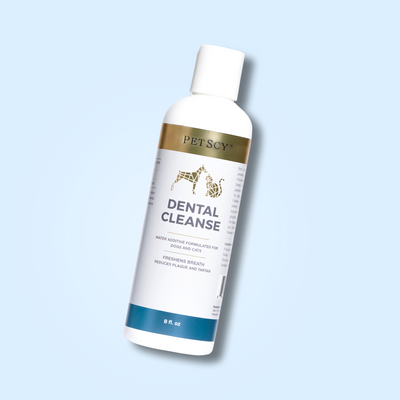
For more guidance on odor-focused support, see this dog breath freshener guide. PetScy's Dental Cleanse, a water additive, and Dental Powder, a daily oral-care supplement, are examples of tools that can be used as adjuncts to mechanical home care. Keep the claim narrow: they're options for supporting breath and plaque-management routines, not treatments for established periodontal disease.
Diet Chew Safety and Age Specific Tips for Lasting Results
Food texture can influence how much residue remains on teeth, but diet alone shouldn't carry the entire dental plan. Soft foods, treats, and sticky leftovers may leave more material on tooth surfaces, while a dog that scavenges can develop a sudden odor from something it ate. A balanced diet, controlled treats, access to clean water, and regular mouth checks support the brushing routine without pretending to replace it.
Chew selection deserves more caution than the packaging often suggests. A chew that's too hard can fracture teeth, while a small or poorly matched item can create a choking risk. Avoid giving objects that don't yield at all under reasonable pressure, supervise chewing, and remove a chew when it becomes small enough to swallow or when pieces begin breaking away.
Adjust the plan across life stages
Puppies need mouth-handling practice and patience. Teething can make the gums sensitive, so use gentle contact and avoid turning brushing into a struggle. The early goal is cooperation, not a perfect cleaning session.
Adult dogs can usually follow a steady maintenance routine built around brushing, with a wipe or supplemental product when useful. An active adult that enjoys chewing may accept a dental chew, but enthusiasm doesn't prove that the chew reaches every tooth or controls plaque as effectively as brushing.
Senior dogs often need a more careful starting point. Existing tartar, gum recession, missing teeth, oral masses, and painful areas can make a previously tolerant dog resist handling. Have a veterinarian assess those changes before choosing a stronger chew or brushing more firmly. Professional cleaning may be needed to address established calculus, followed by home care to slow its return.
Dogs with small mouths, crowded teeth, or a history of dental disease may need closer professional monitoring. Home care helps preserve the results between veterinary visits, but it can't inspect below the gumline or decide whether a tooth needs treatment. Schedule an exam when odor persists, worsens, or appears with eating changes, swelling, bleeding, drooling, or mouth sensitivity.
Troubleshooting Common Setbacks and Keeping Breath Fresh Long Term
Most routines fail because they ask too much too soon. If your dog refuses the brush, go back to lip lifts and finger touches, reward calmness, and shorten the session. A wipe may be a practical bridge, but keep working toward brushing if your dog can safely tolerate it.
If breath worsens despite consistent care, stop treating the smell as a simple hygiene problem. Check for gum inflammation, a damaged tooth, food trapped in the mouth, or other changes, then arrange a veterinary assessment. Persistent odor can signal disease that a water additive, powder, wipe, or chew won't resolve.
A simple weekly rhythm keeps the plan visible:
- Brush consistently: Make brushing the foundation and aim for daily care, or every other day when that's the routine your dog can reliably tolerate.
- Use wipes strategically: Wipe accessible surfaces on days when a full brush isn't practical, without treating the wipe as equivalent to brushing.
- Add one support tool: Choose a water additive, powder, or supervised chew based on acceptance and safety instead of stacking products automatically.
- Inspect the mouth: Look for changes in gum color, swelling, bleeding, broken teeth, heavy deposits, drooling, or reluctance to eat.
- Record concerns: Note when odor changes and share that timeline at the next veterinary visit.
Long-term rule: Fresher breath is a useful sign, but it isn't proof that every part of the mouth is healthy.
Tartar that won't budge needs professional attention. Don't scrape it with household tools, and don't keep increasing pressure when gums bleed or your dog pulls away. Start today with a calm lip lift and a brief touch, build the habit this week, and bring any warning signs to your veterinarian before expanding the routine.
PetScy offers daily dental-care options including Dental Cleanse, Dental Powder, and Dental Finger Wipes to support breath freshness and plaque management alongside brushing. Visit PetScy to choose a practical tool for your dog's routine, then use it consistently and arrange a veterinary exam if odor or oral discomfort persists.