












Fish Oil for Dogs Benefits: A Complete Owner Guide
A Labrador keeps scratching the sofa, while an older retriever pauses halfway up the stairs. You search for an answer and find fish oil recommended for nearly everything, from itchy skin and a dull coat to arthritis and senior brain health. The bottle looks simple enough, but the useful questions are less simple: which omega-3s matter, how much does a dog need, how long should you wait, and what can fish oil realistically change?
Fish oil can be a sensible part of a veterinary care plan, especially for chronic skin and joint concerns. It isn't a cure-all, and the label's total oil weight tells you much less than the amount of EPA and DHA, the marine omega-3 fatty acids linked to the outcomes owners care about.
Table of Contents
- Why Dog Owners Are Adding Fish Oil Right Now
- How EPA and DHA Actually Work Inside a Dog's Body
- Four Proven Benefits Ranked by Strength of Evidence
- Dosing, Onset, and the 16-Week Response Window
- Choosing a Quality Fish Oil for Your Dog
- Side Effects, Drug Interactions, and the More-Is-Better Trap
- Vet-Formulated Checklist and When to Call Your Vet
- Bringing It All Together for Your Dog
Why Dog Owners Are Adding Fish Oil Right Now
The owner of a persistently itchy dog usually notices the problem in ordinary moments. The dog scratches during a television programme, licks between the toes at bedtime, or rubs its face against the carpet. A senior dog presents a different worry. The walk gets shorter, the jump into the car disappears, and stairs become a negotiation.
Fish oil enters both conversations because it offers a practical way to add EPA and DHA to the diet. Owners often look for help with pruritus, dry skin, coat quality, stiffness, mobility, heart health, or age-related cognitive change. Veterinary recommendations and supplement marketing have made omega-3s familiar, but familiarity hasn't made product labels or dosing instructions clearer.
The strongest reason to be careful is that these goals aren't equally well supported. Research in dogs provides a more useful picture than a blanket promise of “anti-inflammatory support.” Skin and joint outcomes have more direct clinical evidence, while heart and cognitive claims remain more dependent on the individual condition, formulation, and treatment plan.
A practical starting point: don't ask whether fish oil is good for dogs in the abstract. Ask which outcome you're targeting, whether EPA and DHA are listed separately, and how you'll judge change at home.
This guide ranks the claims into four evidence tiers: stronger support, moderate support, promising but preliminary support, and uncertain or overstated claims. It also addresses the details many benefits articles skip, including dose calculation, product freshness, tolerance, and when a vet should approve supplementation first.
How EPA and DHA Actually Work Inside a Dog's Body
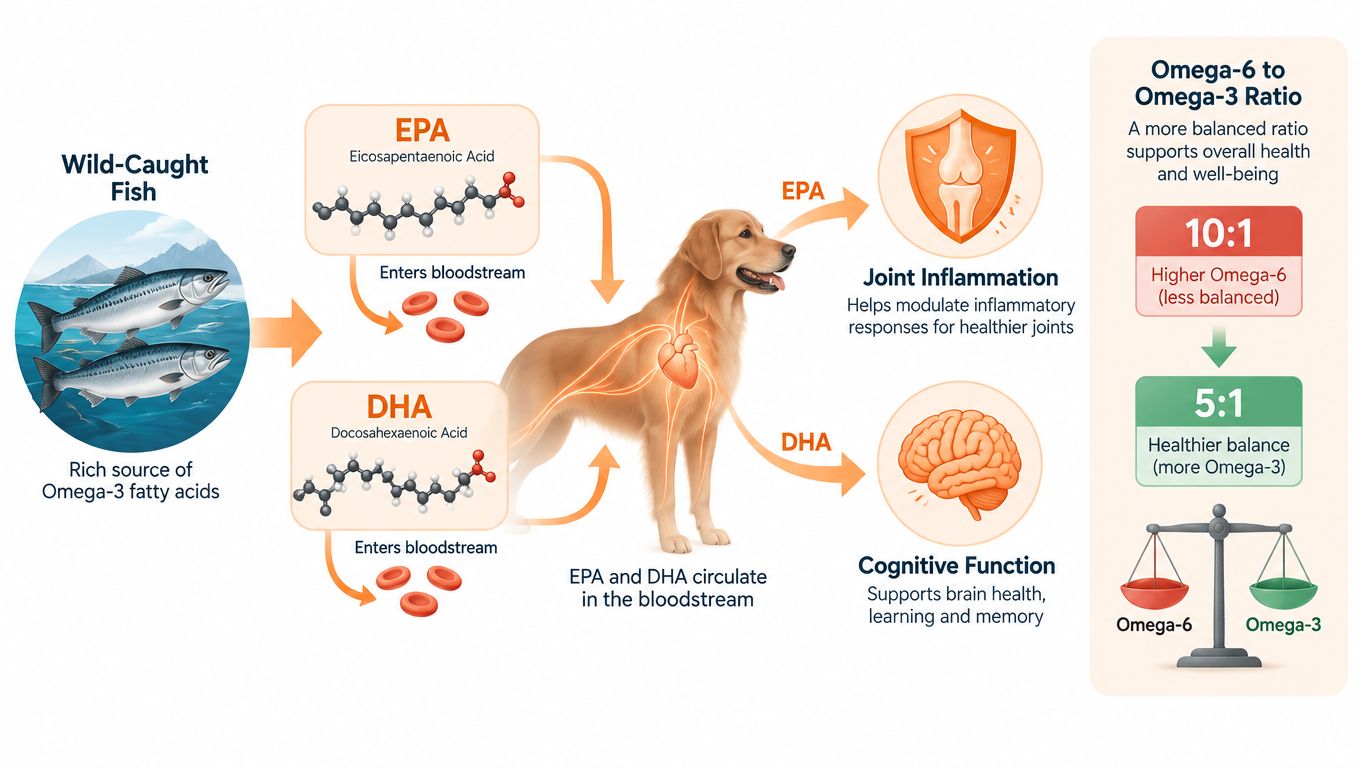
Fish oil isn't valuable because the bottle says “omega-3.” Its relevant ingredients are mainly EPA, or eicosapentaenoic acid, and DHA, or docosahexaenoic acid. Plant oils may contain ALA, but a dog doesn't receive the same direct supply of EPA and DHA from an ALA-based product.
A useful analogy is a thermostat. Dietary fats provide building material and signalling inputs. Omega-6 fatty acids can contribute to inflammatory signalling through arachidonic acid, while EPA can compete within related pathways and support the production of mediators involved in resolving inflammation. The result isn't an off switch for inflammation. It's a possible shift in the balance and intensity of some signals.
DHA has a different emphasis. It is incorporated into cell membranes, including those in neural and retinal tissue, where membrane structure affects communication and signalling. That biological role explains why DHA is discussed in relation to brain, vision, and nervous-system support, but a plausible mechanism isn't the same as proof that every older dog will become sharper after taking a supplement.
The omega-3 content on a label matters more than the total quantity of oil. A bottle can contain a generous volume of fish oil while providing a comparatively modest amount of EPA plus DHA. Read the label as a formulation document, not as a shopper's badge. Look for the separate milligrams of EPA and DHA per serving, then calculate the daily intake for your dog's body weight.
For owners focused on itching, the practical distinction is especially important because omega-3 support works alongside diagnosis and treatment. Fleas, infection, atopy, food reactions, and contact irritation can all produce similar signs. A useful companion resource is this guide to omega-3 and itching in dogs, but persistent or severe skin disease still needs veterinary assessment.
Four Proven Benefits Ranked by Strength of Evidence
Not every fish oil claim deserves the same confidence. The most defensible approach is to rank outcomes by direct canine evidence and describe what an owner might notice.
Skin and coat support
Evidence strength: stronger for selected inflammatory skin problems. Veterinary research has reported improvements in itching, self-trauma, alopecia, and coat character in dogs with pruritic conditions after EPA and DHA supplementation. A multicenter trial also found that omega-3-fortified food changed serum fatty acids and reduced arachidonic acid compared with control at several follow-up points, supporting a biological shift rather than a purely cosmetic effect. The veterinary trial report on omega-3s and canine skin disease provides the relevant clinical context.
At home, realistic signs include less scratching, less licking, reduced self-trauma, and improved coat texture. Fish oil won't identify the cause of itching or replace parasite control, infection treatment, or an elimination diet when those are needed.
Joint comfort and mobility
Evidence strength: moderate to strong for osteoarthritis support. In a randomized placebo-controlled trial of 77 client-owned dogs, fish oil produced a 5.6% improvement in mean peak vertical force over 90 days, compared with 0.4% in the control group. Eighty-two percent of dogs in the fish-oil group improved in weight-bearing, compared with 38% in the control group, as reported in the canine osteoarthritis trial.
An owner may notice easier rising, more willingness to walk, or improved weight shifting. Fish oil doesn't rebuild damaged cartilage, and a dog with pain still needs a proper mobility plan.
Heart support
Evidence strength: moderate in specific cardiac contexts, with important limits. EPA and DHA may support cardiac health through effects on lipid metabolism, cell membranes, and inflammatory signalling. However, fish oil shouldn't be presented as a general treatment for heart disease, and evidence for major long-term outcomes in dogs is not equally established across conditions.
A dog with diagnosed cardiac disease needs a veterinary plan that may include medication, diet, weight management, and monitoring. Fish oil can be considered as an adjunct, not as a replacement for prescribed care.
Cognitive support
Evidence strength: promising but preliminary. DHA has a clear biological role in neural membranes, and cognitive support is a reasonable area for research. The available evidence doesn't justify promising that a supplement will reverse established cognitive decline or produce a predictable personality change in every senior dog.
| Benefit | Evidence strength | Key findings | Typical time to see results |
|---|---|---|---|
| Skin and coat | Stronger for selected inflammatory skin problems | Itching, self-trauma, alopecia, and coat character may improve with EPA and DHA support | Usually gradual, over weeks to months |
| Osteoarthritis | Moderate to strong | Improved weight-bearing and force production have been reported in controlled research | Gradual, with progress tracked alongside mobility |
| Heart support | Moderate in selected cases | Biologically plausible and supported for some cardiac uses, but not a universal treatment | Depends on the diagnosis and treatment plan |
| Cognitive support | Preliminary | DHA and EPA may support neural health, but clinical expectations should remain cautious | Long-term observation, not an instant response |
Dosing, Onset, and the 16-Week Response Window
Dose fish oil by combined EPA plus DHA, not by the number of teaspoons, capsules, or chews alone. Two products can deliver very different amounts of active omega-3 even when their serving sizes look similar.
One 2024 study involving client-owned dogs from five veterinary clinics used approximately 68 ± 19 mg of EPA plus DHA per kilogram of body weight per day for 16 weeks. The dogs' Omega-3 Index increased from 1.4% ± 1.0% to 3.3% ± 1.1%, and pain scores fell by 38% in small dogs and 30% in medium dogs. These results appear in the NIH and PMC canine omega-3 study. That research provides a useful clinical benchmark, not an automatic prescription for every dog.
| Dog weight | Maintenance dose, EPA plus DHA | Therapeutic dose, EPA plus DHA | Typical pumps or chews per day |
|---|---|---|---|
| Any weight | Must be calculated from the product label and the dog's diet | Set with a veterinarian for a diagnosed condition | Depends on the EPA and DHA supplied per pump or chew |
| Small dog | Individualized by body weight | Veterinary direction is especially important | Don't estimate from capsule size |
| Medium dog | Individualized by body weight | Match the clinical target, not the total oil volume | Divide the daily amount with meals if needed |
| Large dog | Individualized by body weight | Confirm the target before increasing the serving | Use the label's EPA plus DHA total |
Clinical responses are gradual. Skin and coat changes may take sustained feeding, while joint comfort should be judged by mobility patterns rather than by a single energetic day. Keep a simple record of scratching, paw licking, coat condition, rising, stairs, walking distance, appetite, and stool quality.
The fish oil dosage chart for dogs can help you organise the calculation, but a therapeutic amount should be confirmed with your vet. Higher intake isn't automatically better. Recent work has raised concerns about dose-related effects on antioxidant status, including lower alpha-tocopherol at the highest intake studied, so the full diet matters.
Choosing a Quality Fish Oil for Your Dog
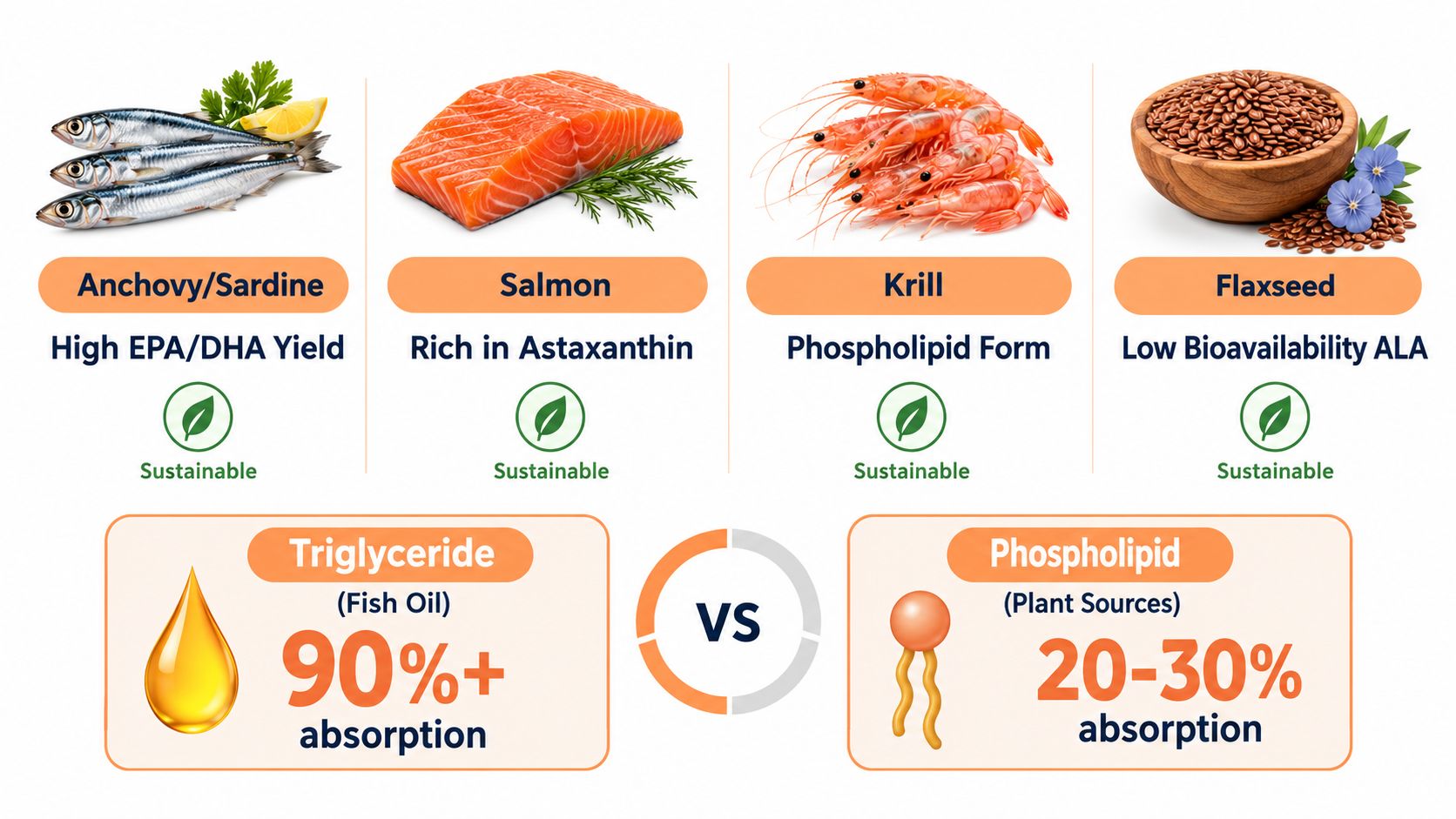
Start with the source, then inspect the chemistry. Wild-caught small fish such as anchovy, sardine, and pollock are commonly used because they can provide marine EPA and DHA without relying on a vague “fish blend.” Salmon oil can also supply marine omega-3s and may be appealing to dogs, while krill oil differs in its lipid form and overall composition. Plant-based flaxseed oil provides ALA, which isn't the same direct EPA and DHA supply as marine oil.
The form matters, but the label's active content matters more than a fashionable ingredient description. Triglyceride-based fish oils and phospholipid-based marine oils have different structures. A product still needs to state how much EPA and DHA it provides, because “rich in omega-3” doesn't tell you the dose that reaches the bowl.
Label checkpoints that deserve attention
- Active ingredients: EPA and DHA should be listed separately from total fish oil.
- Purity testing: Look for credible third-party verification, such as IFOS or GOED documentation where applicable.
- Oxidation testing: Peroxide and anisidine values help indicate whether the oil has degraded.
- Contaminant results: Heavy-metal, dioxin, and PCB testing should be available or clearly explained.
- Antioxidant protection: Mixed tocopherols or another suitable antioxidant can help protect the oil during storage.
- Traceability: A named species and fishing location provide more useful information than “marine oil.”
- Sustainability: Certifications such as MSC or Friends of the Sea can help owners assess fishery practices.
- Storage instructions: A tightly sealed, light-protected container and sensible refrigeration guidance matter because oil quality can decline after opening.
A fish oil can be nutritionally appropriate and still be a poor purchase if it hides EPA and DHA, offers no freshness information, or smells strongly rancid. The dog fish oil selection guide is useful when comparing those label details rather than choosing by bottle size.
Side Effects, Drug Interactions, and the More-Is-Better Trap
Most owners notice tolerance problems before they see anything dramatic. Fishy breath, softer stools, reduced appetite, or digestive upset can mean the serving is too large, the oil doesn't suit the dog, or the product has deteriorated. Introduce it with food and monitor the response rather than increasing the amount because the dog hasn't shown an immediate change.
Fish oil can also affect bleeding tendency, which matters before surgery and in dogs with bleeding disorders. Extra caution is sensible for dogs receiving anticoagulants, non-steroidal anti-inflammatory drugs, or corticosteroids. The interaction risk depends on the medication, dose, diagnosis, and the dog's wider health, so a vet should review the plan rather than an owner making a guess from a supplement label.
The more-is-better trap: a higher serving doesn't guarantee a stronger clinical effect. It can increase digestive problems and create unwanted nutrient trade-offs without addressing the underlying condition.
High-dose supplementation can also increase the diet's need for antioxidant protection. Recent canine research has highlighted a possible reduction in alpha-tocopherol at the highest EPA and DHA intake studied, which is one reason a veterinarian should evaluate the whole food, especially when a dog already eats a therapeutic diet or receives several supplements.
Stop the supplement and contact your veterinary practice if your dog develops persistent vomiting, diarrhoea, unusual bruising, bleeding, marked lethargy, or a sudden decline. Don't use fish oil to delay an examination for pain, severe itching, weight loss, or repeated gastrointestinal signs.
Vet-Formulated Checklist and When to Call Your Vet
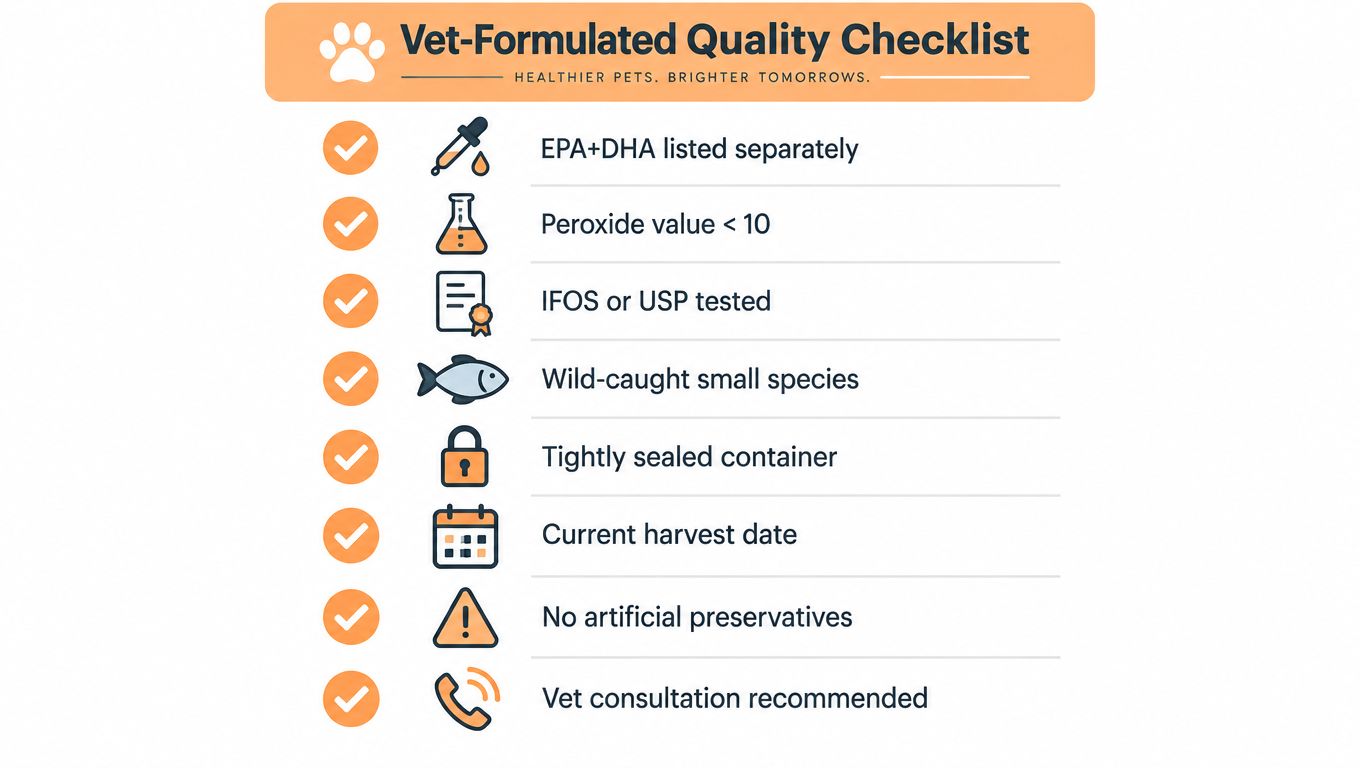
A good label should answer practical questions without making you hunt through marketing language. Use this checklist before adding any marine oil to the bowl:
- EPA and DHA listed separately: This lets you calculate the active omega-3 intake.
- Freshness information available: Peroxide and anisidine results provide insight into oxidation.
- Independent testing identified: IFOS, USP, NASC-related quality practices, or comparable documentation can add useful verification.
- Species and source named: “Wild-caught pollock” tells you more than an unnamed fish blend.
- Contaminant screening explained: Look for published results or a clear certificate covering heavy metals and other relevant contaminants.
- Antioxidant protection included: Mixed tocopherols or another stated antioxidant can help limit oxidation.
- Sustainability information provided: MSC or Friends of the Sea certification can help you assess sourcing.
- Manufacturing details accessible: The company should make it possible to understand where and how the product is made.
The wild-caught Alaskan pollock and salmon oil offered by PetScy can serve as a worked example when you apply this checklist. Compare its stated EPA and DHA amounts, sourcing information, testing references, storage instructions, and antioxidant details with competing products. The point isn't to choose a bottle because of a single claim. It's to choose an oil whose active content and quality controls are visible.
Ask your vet before the first dose if your dog takes anticoagulants, NSAIDs, or steroids; has pancreatitis, fat-sensitive gastrointestinal disease, a bleeding disorder, or planned surgery; is under 12 weeks old; or eats a therapeutic diet. Veterinary guidance is also important when the dog already receives several supplements, because the combined formulation can matter more than any single ingredient.
Fish oil should support a treatment plan, not replace one. A dog with osteoarthritis may still need pain control and weight management. A dog with itchy skin may need parasite prevention or allergy treatment. A dog with heart disease needs diagnosis and monitoring.
Bringing It All Together for Your Dog
The useful fish oil decision fits into a short sequence:
- Match the dose to body weight using EPA plus DHA. Don't calculate from total oil, pump volume, or the number of chews alone.
- Choose a product with visible quality information. Named species, freshness testing, contaminant screening, and storage guidance matter.
- Set a realistic target. Skin and joint support have the clearest practical case. Heart and cognitive benefits may be relevant, but they shouldn't carry the same certainty.
- Track the dog, not the advertising. Watch coat condition, scratching, mobility, appetite, and stool quality over sustained daily use.
- Keep the vet involved when health risks are present. Medication, surgery, digestive disease, bleeding concerns, and therapeutic diets all change the decision.
Fish oil works best as a steady adjunct for a chronic concern, not as a quick fix for an acute problem. A well-sourced product may support skin comfort and mobility, but it won't reverse established joint damage or substitute for prescription treatment.
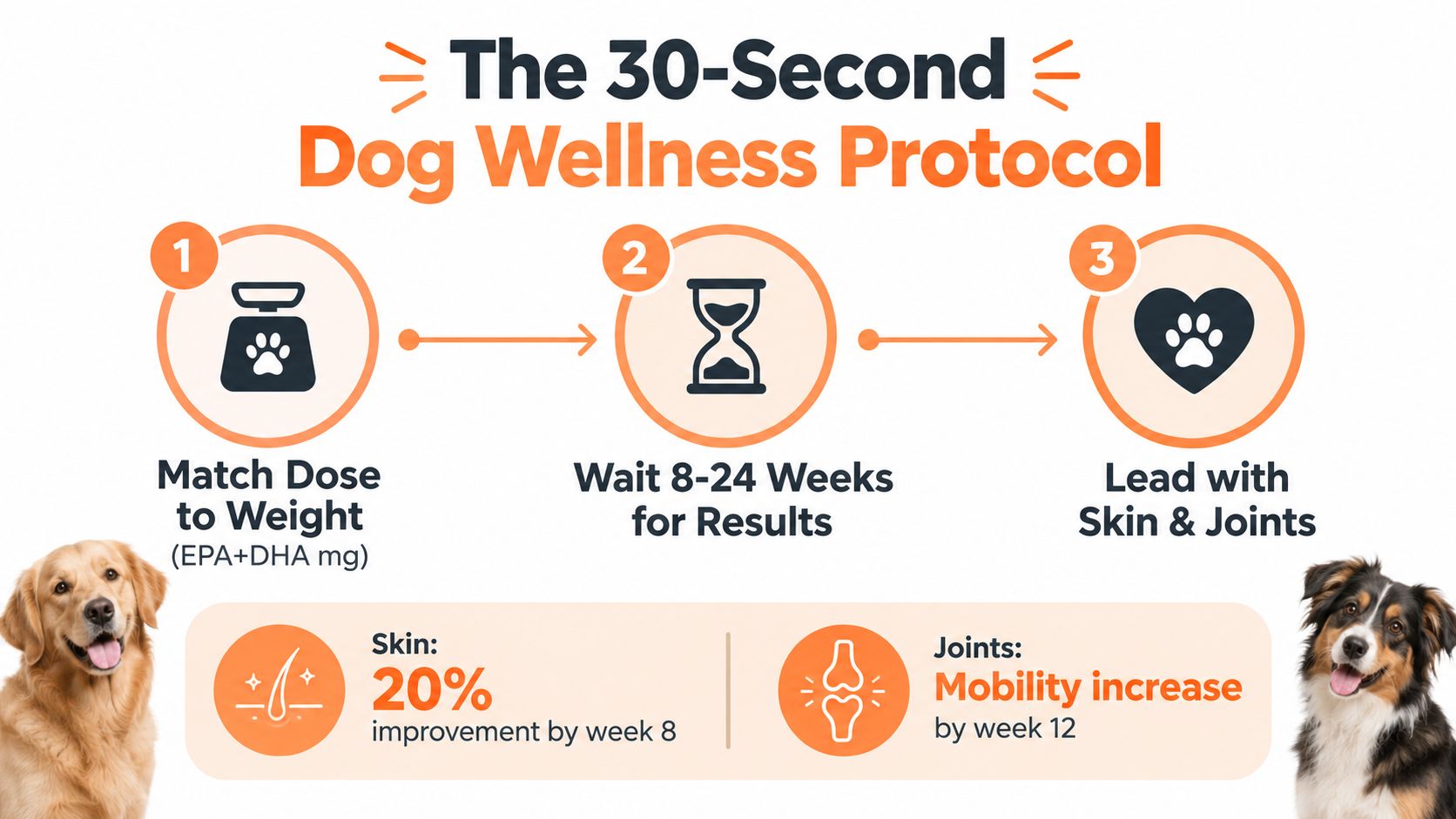
Write this on the fridge: source verified, EPA and DHA calculated, vet looped in when needed, and patient monitoring over the coming months. If the coat worsens, stools loosen, itching continues, or mobility declines, reassess the whole plan instead of just adding more oil.
If you're looking for a clearly labelled marine omega-3 option for your dog's skin, coat, joints, and wider wellness routine, PetScy offers veterinarian-formulated supplements, including fish oil made with wild-caught Alaskan pollock and salmon. Review the EPA and DHA serving information with your veterinarian, then choose a consistent daily routine that you can monitor at home.