










Is My Dog Too Thin Signs Causes and What to Do
You're stroking your dog's sides and suddenly noticing ribs that seem more prominent than before. The question arrives quickly: is my dog too thin, or are you seeing a naturally lean shape, a short coat, or the body of a fit dog?
Don't decide from one glance or one scale reading. A calm check of the ribs, waist, abdominal tuck, muscle, appetite, energy, and weight trend gives you a much better answer. Body condition scoring is useful because two dogs with the same body weight can carry very different amounts of fat and muscle.
The aim isn't to make every dog look soft or rounded. A healthy dog can be lean. The concern is a dog with too little fat or muscle, especially when the change is recent, continues over time, or comes with digestive or energy changes.
Table of Contents
- How to Tell Quickly If Your Dog Looks Too Thin
- Hands On Body Condition Check for Ribs Waist and Muscle
- When Visible Ribs Are Normal and When They Are Not
- Common Reasons Dogs Lose Weight or Stay Skinny
- Vet Visit Triggers and What Diagnosis Usually Involves
- Safe Feeding and Support Plan to Help Your Dog Gain
- Simple Monitoring Routine That Keeps Weight On Track
How to Tell Quickly If Your Dog Looks Too Thin
Start with your dog standing naturally on a firm surface. Don't judge the body while they're curled up, stretching, or twisting, because posture can make the waist and ribs look more dramatic than they are.
Run both flat hands gently over the ribcage. You should be able to find the ribs without pressing hard, but they should have a light covering rather than feeling sharp and unpadded. Then look from above. A healthy dog generally has a visible waist behind the ribcage, while a very thin dog may have an extremely narrow waist with the spine or hip bones standing out.
From the side, look for an abdominal tuck. Some upward slope behind the ribs is normal. A steep, sharply hollowed tuck combined with prominent ribs, spine, hips, and reduced muscle is more concerning than a single visible rib.
First decision: visible ribs alone don't diagnose underweight. Rib feel, waist shape, muscle coverage, recent change, and your dog's overall health matter together.
Breed and coat can mislead you. A sighthound may look angular at an appropriate condition, while a thick-coated dog may hide a gradual loss of fat or muscle. Puppies, senior dogs, and highly active dogs also need individual assessment rather than comparison with a stockier adult dog.
If your dog looks lean but is bright, active, eating normally, and maintaining a stable body condition, arrange a routine discussion with your veterinarian rather than rushing to add food. If bones are becoming more prominent, muscle is disappearing, or your dog is weak, vomiting, having diarrhea, eating differently, or drinking and urinating more, contact your veterinarian promptly.
Hands On Body Condition Check for Ribs Waist and Muscle
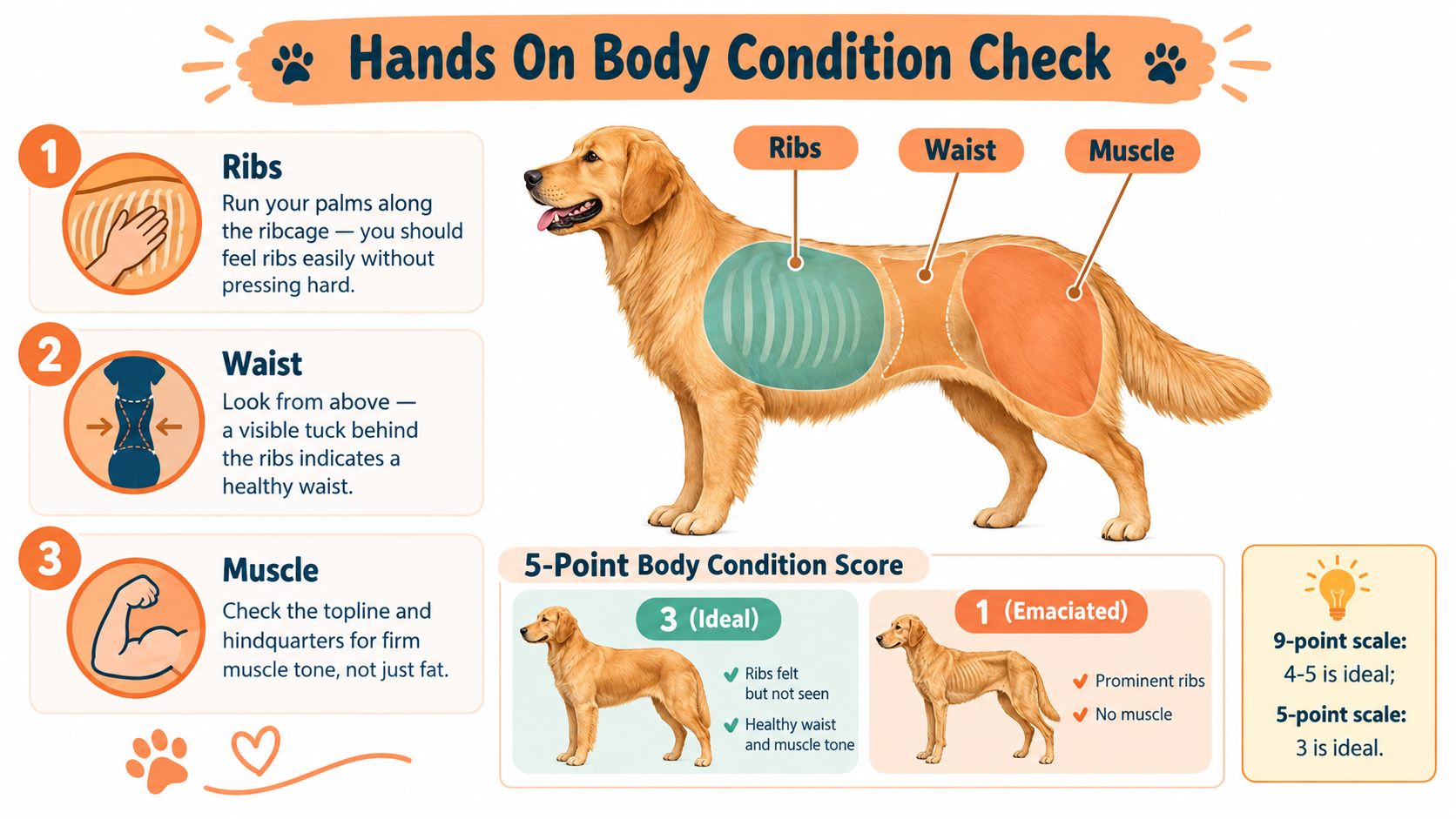
A practical home assessment takes about a minute and uses your eyes, hands, and a written record. Veterinary teams commonly use either a 9-point Body Condition Score or a 5-point scale. On the 9-point system, 4 to 5 is generally ideal. On the 5-point system, 3 is ideal. The Merck Veterinary Manual's nutrition guidance explains both systems and their limits.
Start with the ribcage
Place your palms on either side of the chest and move from the shoulders toward the abdomen. Ideal ribs feel easy to find with a thin, smooth covering. If they feel like sharp ridges with little padding, your dog may be below the ideal range. In a very thin dog, individual ribs may be visible without movement or strong lighting.
For a long-haired dog, separate the coat with your fingers and rely more on palpation than appearance. Don't press so hard that you create a false impression of low fat coverage.
Check the waist and abdominal tuck
Look down from above while your dog stands. The chest should be broader than the waist, with a visible narrowing behind the ribs. From the side, the abdomen should rise toward the hind legs. An exaggerated waist and steep tuck can indicate insufficient reserves, although naturally deep-chested or lean breeds may show a more angular outline.
Feel for muscle, not just fat
Run your fingers along the topline beside the spine, over the hips, and across the thighs. Healthy muscle feels firm and smoothly filled. A ridge-like spine, hollow areas beside the backbone, or thinning over the hips and hindquarters deserves attention even when the ribs don't look dramatic.
Record the body weight, BCS, and Muscle Condition Score on the same date. The WSAVA nutrition assessment guidelines emphasize that weight alone is insufficient and that declining muscle can point to protein-energy deficiency or disease.
During the check, keep fresh water available, particularly after walks or travel. A practical option for carrying water is to compare stainless steel dog bottle features when choosing equipment for outings.
When Visible Ribs Are Normal and When They Are Not
A fit sighthound can have a narrow waist, a deep tuck, and ribs that are easier to see than those of a broad-chested retriever. That outline may be normal if the dog has firm muscle, steady energy, a normal appetite, and a stable weight trend.
A growing dog can also look temporarily gangly as the frame changes. An endurance or working dog may stay lean because activity uses more energy. Conversely, a heavy coat can make a dog appear comfortably covered while hands reveal a bony spine, reduced hindquarter muscle, or sharply prominent hips.
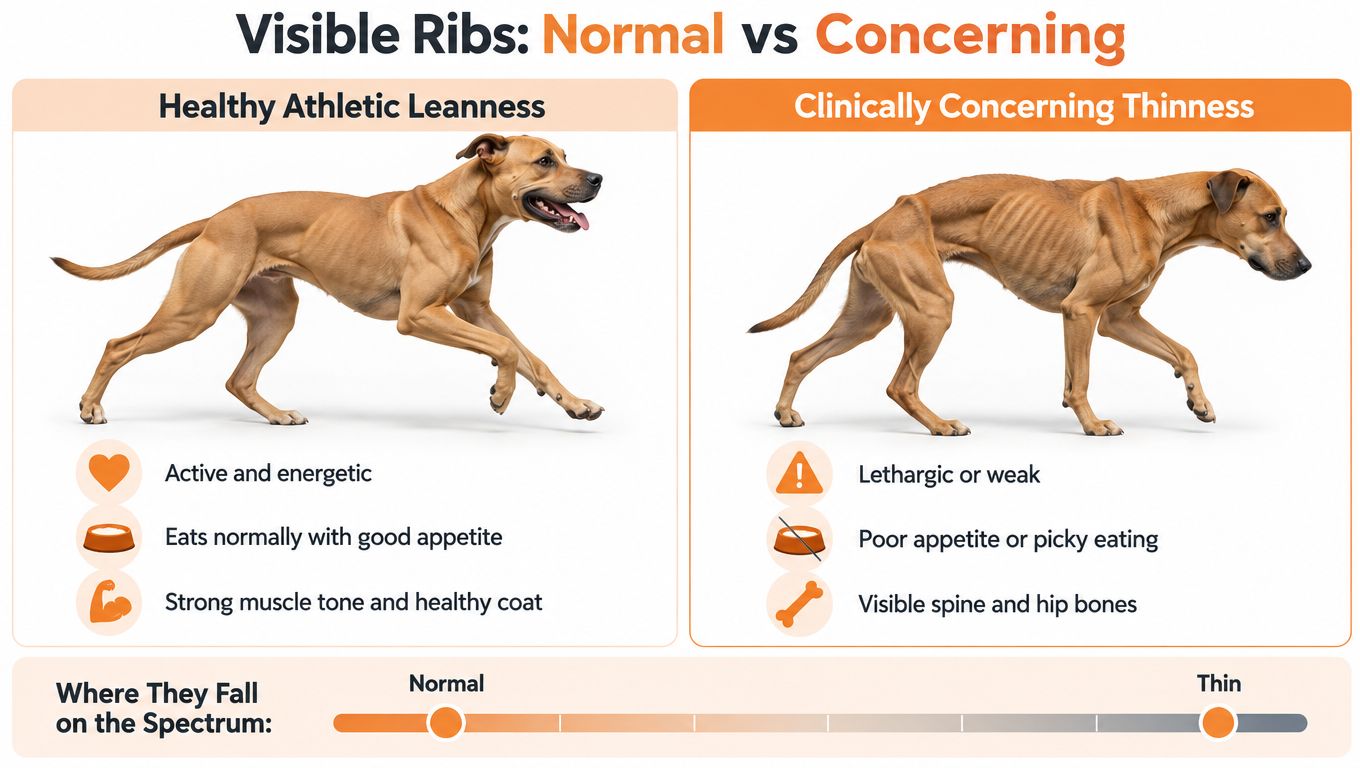
The more worrying pattern is not "I can see a rib." It's visible bones plus poor muscle coverage or a downward weight trend. A dog that once looked athletic but now has a hollow topline and weaker thighs needs a different response from a naturally slender dog that has looked the same for years.
Breed comparisons can't settle the question. Analysis of records from 1.1 million dogs found wide differences in obesity probability between breeds, which shows why body shape and size shouldn't be applied uniformly (Cornell's canine obesity and weight-loss guidance). Use breed context to interpret the check, not to dismiss a clear change.
Ask yourself three questions: Has the shape changed, has muscle changed, and has behavior changed? A stable, energetic, muscular lean dog may need observation. A dog becoming angular, weak, or hollowed out needs veterinary assessment.
Common Reasons Dogs Lose Weight or Stay Skinny
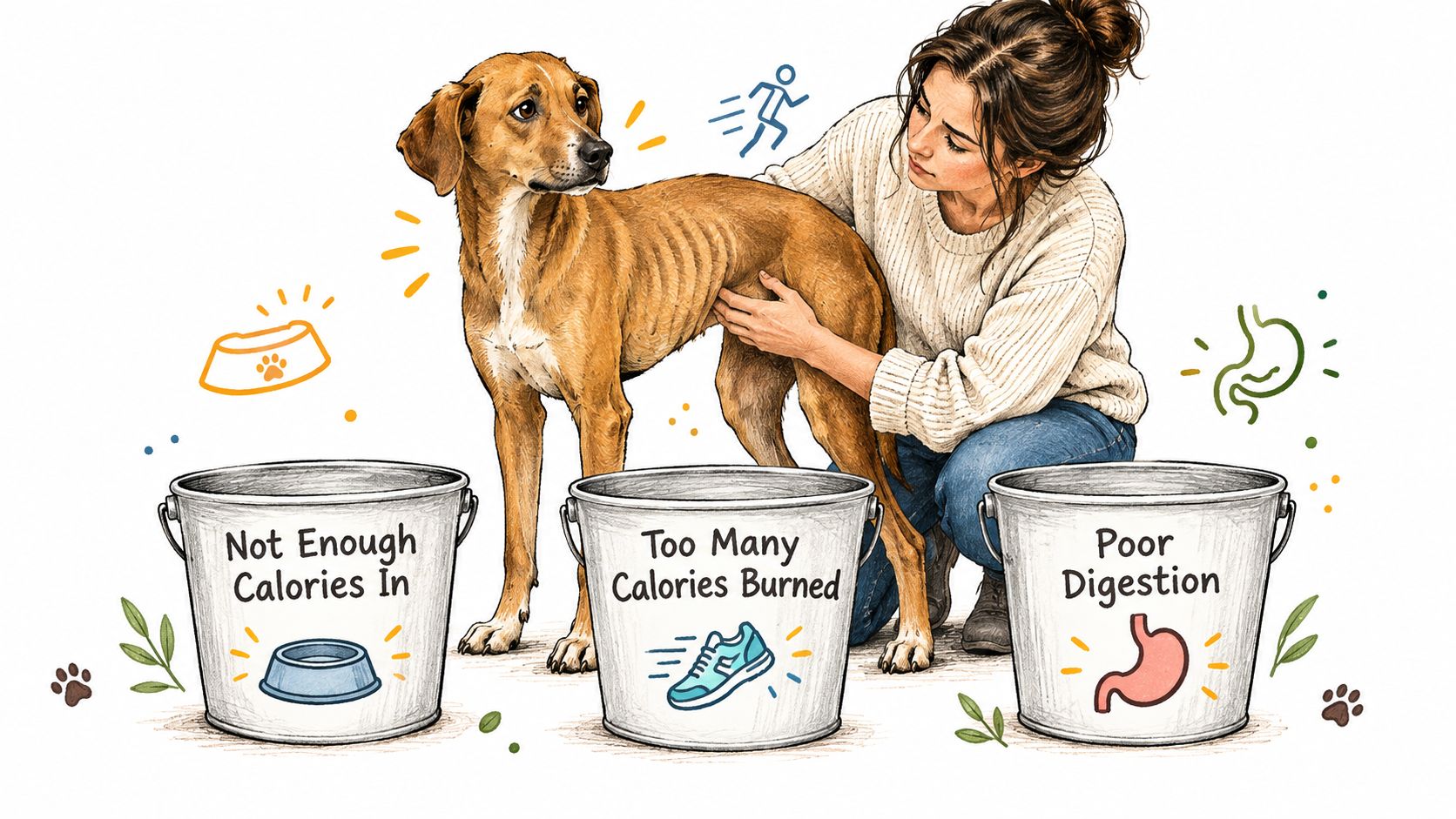
Weight loss usually falls into a few practical categories. Your dog may not be taking in enough energy, may be using more energy than expected, or may be unable to digest, absorb, or use nutrients properly.
Not enough intake
Some dogs receive smaller portions than their current needs, particularly after a change in activity, life stage, or household routine. Food quality or an unsuitable diet can also contribute. Reduced appetite may come from stress, illness, medication effects, dental pain, or discomfort while chewing.
Difficulty swallowing can limit intake even when a dog approaches the bowl. Regurgitation, vomiting, or repeated refusal of meals provides a stronger clue than body shape alone.
Higher energy use
A dog may burn more energy through intense exercise, working activity, recovery, or prolonged cold exposure. A portion that previously maintained weight may no longer meet current needs.
Look at the whole routine. Longer walks, training, running, nursing, outdoor living, or restlessness can change energy demand. If your dog eats well but steadily becomes thinner, don't assume the answer is a bigger bowl.
Poor digestion, absorption, or increased demand
Persistent diarrhea, abnormal stool, parasites, impaired digestion, and poor nutrient absorption can prevent the body from using food effectively. Illnesses that increase metabolic demand can also cause loss despite a normal appetite.
Track appetite, stool quality, vomiting, energy, coat changes, thirst, and urination. Owners looking for general diet guidance can also review food choices for dogs with sensitive stomachs, but persistent signs still require a veterinary examination.
The key pattern is normal eating with continued thinning. That combination can point away from simple underfeeding and toward a medical cause, so adding treats may delay the help your dog needs.
Vet Visit Triggers and What Diagnosis Usually Involves
A dog that loses more than 10% of normal body weight without an explanation such as dehydration or fluid loss has reached a clinically significant threshold, according to VCA's guidance on abnormal weight loss in dogs. For example, a dog that normally weighs 20 kilograms and falls below 18 kilograms has crossed that threshold, even if the loss happened gradually.
Book a prompt appointment if your dog is steadily losing weight, has visible bones with muscle wasting, eats normally while becoming thinner, or develops weakness, vomiting, diarrhea, appetite changes, or increased thirst and urination.
Watch at home versus see your vet soon
| Situation | Action | Why it matters |
|---|---|---|
| Stable lean shape, normal energy, normal appetite, and firm muscle | Record weight and BCS, then arrange routine guidance | Natural conformation may explain the appearance, but a professional baseline is useful |
| Ribs are sharper, waist is narrowing, or muscle is declining | Contact your veterinarian soon | A changing body condition can reflect inadequate intake or illness |
| Ongoing weight loss, weakness, vomiting, diarrhea, or appetite change | Seek prompt veterinary assessment | Multiple systems may be involved, and feeding more may not address the cause |
| Increased thirst and urination with weight loss | Contact your veterinarian promptly | The combination needs medical investigation |
Bring a short history. Note recent weights, food and treats, portion sizes, appetite, stool, vomiting, parasite prevention, medications, activity, dental concerns, and photos from earlier months.
At the visit, the veterinarian may assess BCS and muscle condition, examine the mouth and body, review the diet, and recommend tests such as stool analysis or bloodwork. The exact workup depends on the history and examination. Supplements can support a confirmed nutritional plan, but they can't replace finding a treatable cause.
Safe Feeding and Support Plan to Help Your Dog Gain
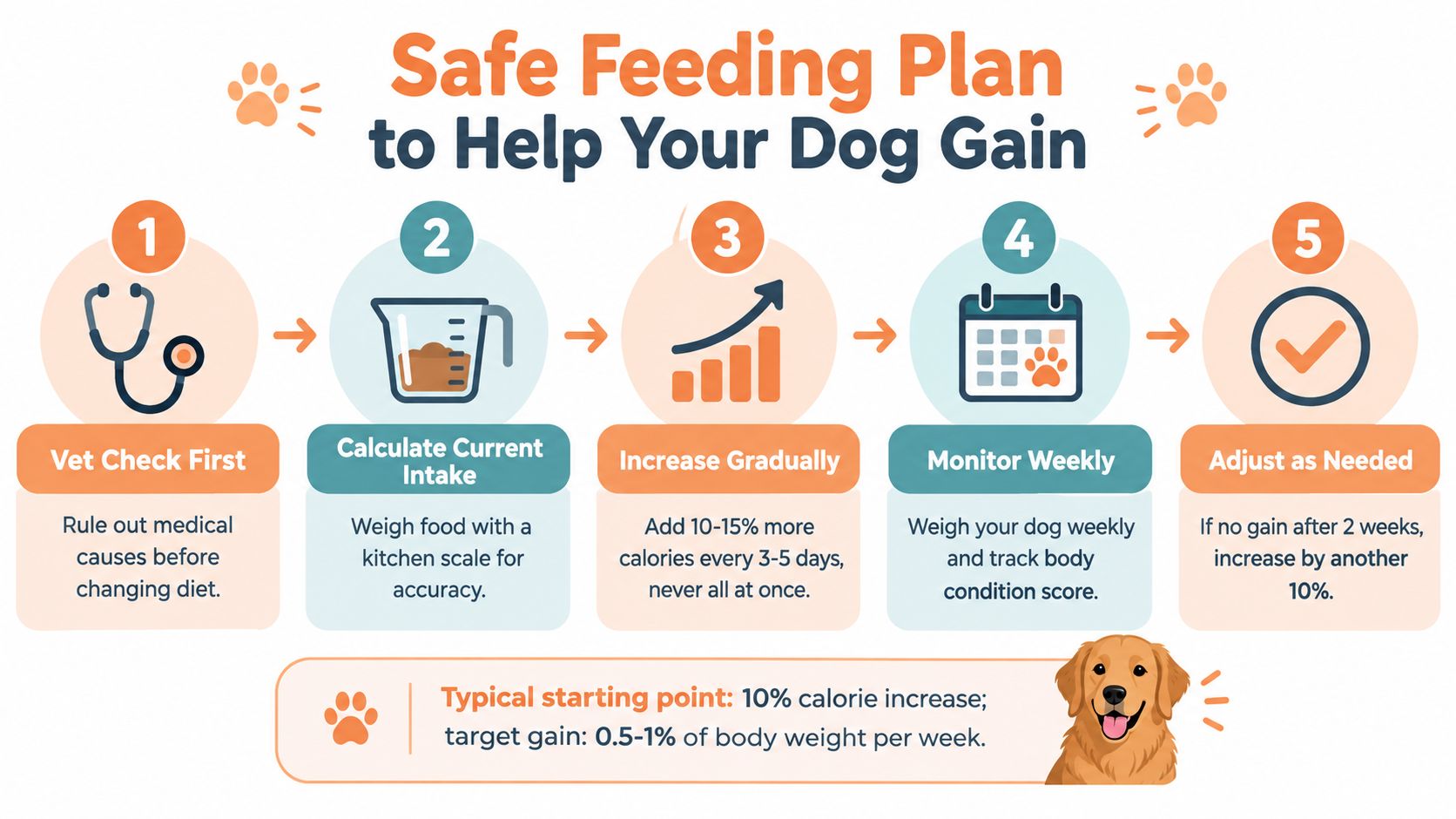
Don't begin with a dramatic food increase unless your veterinarian directs it. First confirm whether the dog needs weight gain, identify the desired condition, and check for medical problems. Rapid overfeeding can worsen digestive upset and makes it harder to tell whether the underlying issue is improving.
Build the plan around complete nutrition
Use a complete, balanced diet appropriate for your dog's life stage and medical needs. Measure every meal rather than estimating by eye, and include treats, chews, toppers, and table food in the daily record.
If your veterinarian has ruled out illness, a gradual adjustment may be appropriate. Smaller, more frequent meals can improve tolerance for dogs that struggle with large portions. Warming food slightly or adding a veterinarian-approved topper may improve palatability, but avoid turning every meal into a changing recipe.
A guide to selecting the right dog food can help organize questions about ingredients and diet suitability. It shouldn't replace an individualized recommendation for a dog with ongoing weight loss, diarrhea, vomiting, or a diagnosed condition.
Protect digestion while condition improves
Keep water available and maintain a predictable feeding schedule. Ask your veterinarian whether parasite testing, dental treatment, omega-3 supplementation, or probiotic support is appropriate. Activity may need temporary adjustment if the dog is weak or losing muscle, while complete inactivity can also reduce conditioning.
Recheck weight, BCS, muscle, appetite, and stool rather than focusing only on the bowl. If the dog doesn't respond as expected, stop increasing food blindly and return to the veterinarian for reassessment.
Simple Monitoring Routine That Keeps Weight On Track
Choose one consistent weighing routine, such as the same scale and similar time of day. Record body weight, BCS, muscle over the spine and thighs, appetite, stool, activity, and the amount fed.
Take side and overhead photos under similar conditions. A photo can reveal a gradual change that daily observation misses, while your hands can detect muscle loss beneath a thick coat.
Keep the target in view: once ribs are easy to feel, the waist is visible, and muscle is stable, the goal is maintenance, not continued gain.
For treats or human-food ingredients, record the exact amount and check nutrition before sharing. For example, sliced turkey breast per 100g can help you estimate what a small addition contributes, but any extra food should fit the complete daily plan.
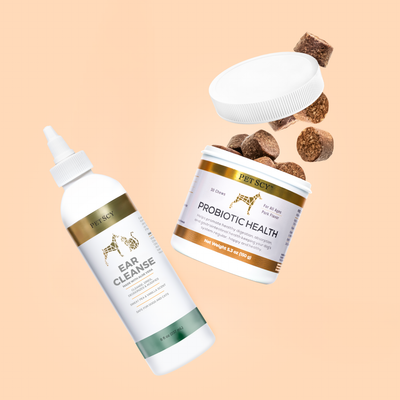
If stool quality is inconsistent, discuss probiotic supplements for digestive balance with your veterinarian rather than using them to postpone an examination. Celebrate steady condition, good energy, and maintained muscle. If weight falls again, appetite changes, or the waist and bones become more prominent, share your records with the veterinary team.
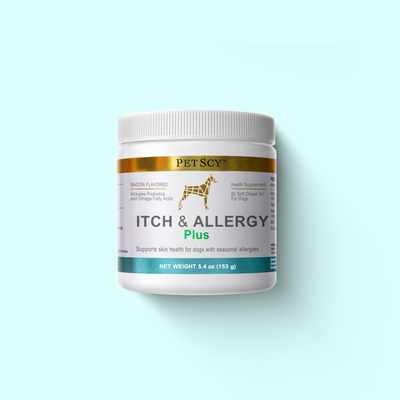
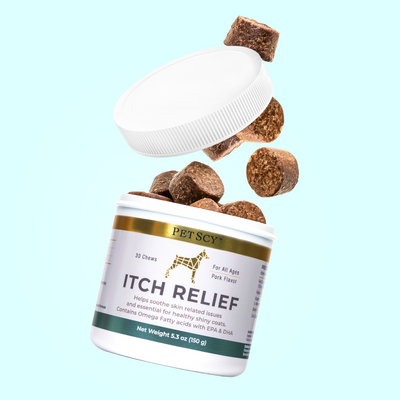
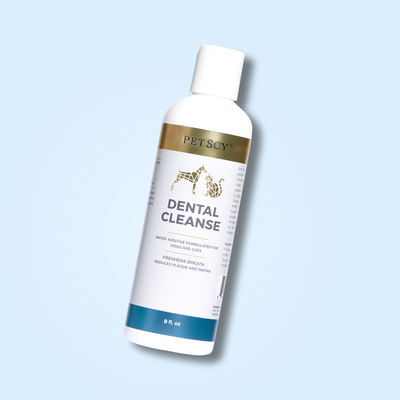
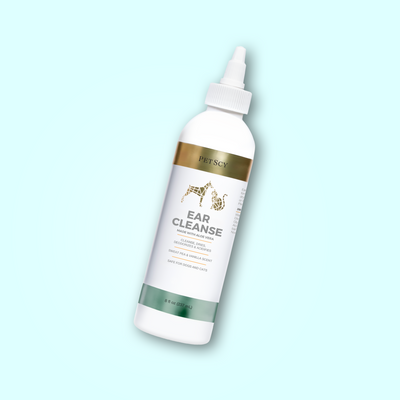
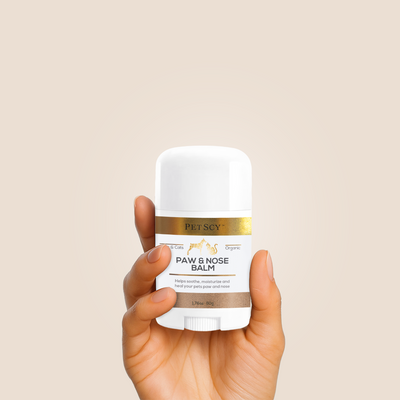
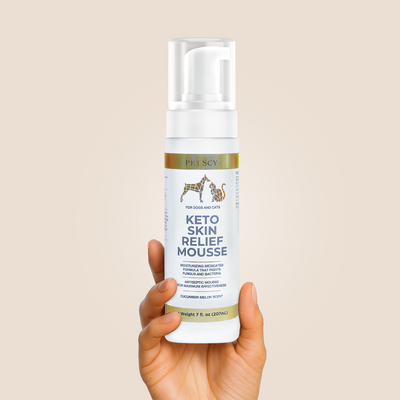
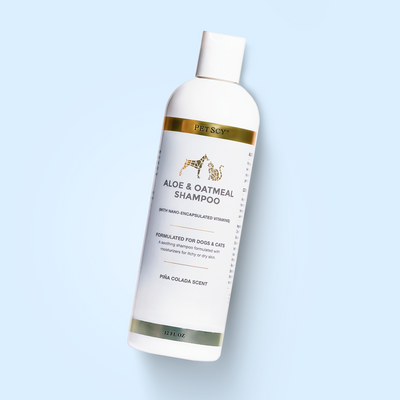
PetScy offers veterinarian-formulated supplements and topical care products for dogs, including digestive, skin, coat, dental, joint, and immune support. Visit PetScy to explore options that can complement a veterinary-led plan for your dog's overall care.