







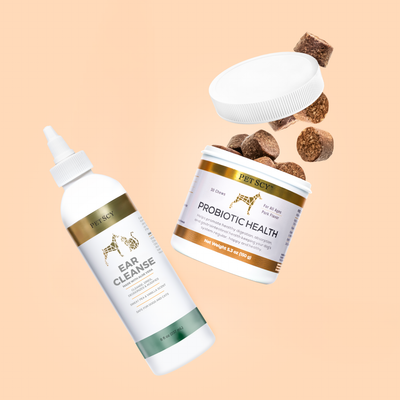


Itch Relief Chews — Gentle Formula Targeting Itch and Irritation.
At 2 a.m., your dog starts scratching again. You hear the nails against the skin, then the licking, paw chewing, or ear rubbing that keeps both of you awake. A soft chew promising gentle itch relief can look like an easy answer, but the important question is whether your dog needs daily skin support, or whether the scratching signals fleas, infection, food allergy, or a condition that needs veterinary diagnosis first.
Table of Contents
- Why Your Dog Cannot Stop Scratching
- The Science Behind the Scratch-Itch Cycle
- How Itch Relief Chews Work on Multiple Pathways
- What the Clinical Evidence Shows
- Where Chews Fit Among Other Itch Treatments
- How to Evaluate an Itch Relief Chew Before You Buy
- Building a Practical Itch Management Plan for Your Dog
Why Your Dog Cannot Stop Scratching
Your dog may start with one itchy spot, then scratch, lick, chew, or rub it repeatedly. Pruritus, the medical term for itch, describes a symptom rather than a diagnosis. Allergic skin disease, parasites, dryness, irritation, infection, or several causes together can produce the same visible behavior. A chew marketed for itch relief may support the skin, but it cannot identify which trigger is driving the scratching.
The problem is common in veterinary practice. A 2018 UK sentinel study found that pruritus accounted for 3.8% of all dog consultations, while another UK report recorded 6.5% of canine consultations for pruritus. In a U.S. multi-practice study of 31,484 dogs with skin problems, atopic or allergic dermatitis was diagnosed in 4.7% of dogs. Broader veterinary dermatology sources also report pruritus in 25% to 40% of dermatologic canine cases. These figures are summarized in the UK veterinary pruritus report.

Why recurring itch needs a different mindset
An occasional scratch may follow minor irritation. Repeated scratching, licking, chewing, or rubbing suggests a continuing problem that can injure the skin and create opportunities for secondary infection. As inflammation builds, ordinary contact with an allergen or irritant may provoke a stronger response. The behavior can therefore continue even after the original trigger becomes less obvious.
Age may offer context, but it does not establish the cause. A 2026 global market report summarized veterinarian feedback indicating that 81% of affected dogs globally are between 1 and 6 years old, with 20% under 11 months. In the U.S. subset, 67% of dogs with allergic skin disease were between 1 and 6 years old, while 14% were under 11 months. The report is available through this MSD Animal Health itch fact sheet.
Practical rule: A chew can provide supportive skin care within a longer plan. Persistent or worsening itch calls for an effort to find the cause before relying on supplementation.
Fleas deserve attention even when you cannot find one in the coat. Consistent control for the dog and home may be needed, and owners investigating a suspected infestation can consult this guide to flea control for Crown Point homes. Raw skin, strong odor, painful ears, oozing areas, or nonstop scratching are reasons to contact a veterinarian. Those signs call for examination and treatment, not a supplement trial alone.
The Science Behind the Scratch-Itch Cycle
Healthy skin acts like a protective wall. It helps keep moisture in and blocks allergens, microbes, and other irritants from reaching deeper tissues. When that wall becomes dry, inflamed, or damaged, the protective layers work less effectively.
The scratch-itch cycle often follows a repeating path:
- The barrier weakens. Allergens, pests, dryness, or mechanical damage disturb the outer skin.
- Irritants enter more easily. Allergens and microbes can reach tissue that was previously better protected.
- Inflammatory signals increase. The immune system responds to the intrusion.
- Nerves send an itch message. Your dog feels an urge to scratch, lick, or chew.
- Scratching causes more damage. Broken skin allows further irritation, restarting the cycle.

Why the skin barrier matters
Think of the outer skin like a windshield with tiny cracks. Rain and grit can get through those cracks more easily than they can through an intact surface. In canine skin, epidermal lipids and ceramides help maintain that protective structure, while transepidermal water loss describes moisture escaping through the skin.
Polyunsaturated fatty acids may increase epidermal lipid content, improve ceramide production, and reduce transepidermal water loss. That can limit irritant penetration and reduce the downstream inflammatory signaling associated with licking and scratching, according to a veterinary clinical evaluation of skin-barrier support. The same source also notes that PUFA supplementation may reduce prescription anti-inflammatory dose burden in some dogs, which supports using it as an adjunct rather than a cure. You can review the veterinary clinical evaluation of PUFA skin support.
The biology explains why a product that only makes a dog feel temporarily calmer may not solve the underlying pattern. A useful formula should fit into a broader plan that supports the barrier, addresses inflammation, and leaves room for diagnosis when the skin doesn't improve.
How Itch Relief Chews Work on Multiple Pathways
A quality chew shouldn't be judged by a long ingredient list alone. Start by asking what each active ingredient is intended to do, whether the label gives a meaningful amount, and whether the proposed benefit matches the likely cause of your dog's itch.

Marine omega-3s
EPA and DHA from marine sources are among the more technically relevant ingredients for allergic skin support. They participate in inflammatory regulation and may help support the skin barrier. Review-level evidence in dogs with atopic dermatitis links EPA and DHA supplementation with reduced pruritus and improved skin barrier function, but benefits generally emerge over several weeks, not immediately. The evidence is discussed in this review of fatty-acid supplementation in canine atopic dermatitis.
The label should identify the amounts of EPA and DHA rather than listing only a broad “fish oil” quantity. The source also matters for freshness, purity, and responsible sourcing.
Probiotics and immune support
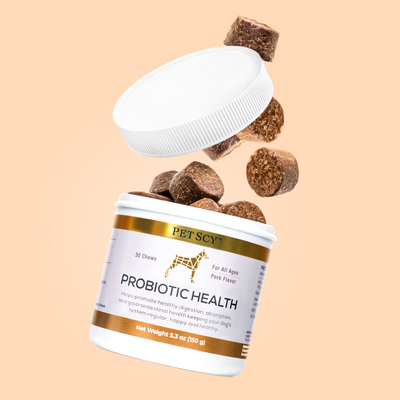
Probiotics are often included because the gut and immune system interact, but their role in canine itch remains less certain than marketing language suggests. They may be reasonable in a broader wellness formula, yet a probiotic blend shouldn't be treated as proof that a chew will resolve allergic dermatitis.
Some formulas also include vitamins, plant compounds, or other skin-supporting ingredients. Their presence may make sense in a complete formulation, but “natural” doesn't automatically mean effective, safe for every dog, or appropriate during an active flare.
Soothing ingredients and expectations
A chew can provide convenient daily support, especially for dogs that resist topical care. It can't disinfect an infected ear, remove fleas, diagnose a food allergy, or replace prescription treatment when inflammation is substantial.
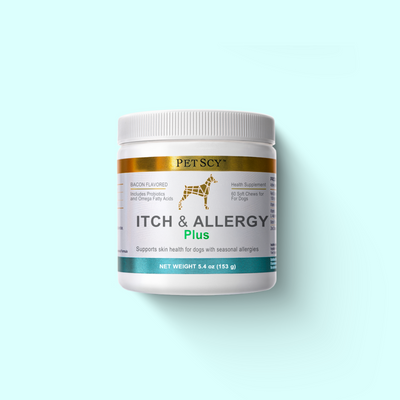
For owners comparing products, PetScy's Itch and Allergy Plus Chews are one example of a supplement positioned around probiotic and skin support. Evaluate any product by its ingredient transparency and role in your dog's complete care plan, not by the product format alone.
What the Clinical Evidence Shows
If a dog keeps scratching despite starting a chew, that does not automatically mean the product failed. Marketing often presents itch chews as quick, dependable answers, while clinical evidence supports a narrower role. Some dogs may improve when a chew supports a diagnosed management plan, but results vary. Supplements generally function as adjuncts rather than stand-alone solutions.
Time also matters. Omega-3-related benefits usually take several weeks to become apparent. Controlled canine studies summarized in the literature have reported measurable itch reduction. One trial found pruritus satisfactorily controlled in 44.4% of atopic dogs within 7 to 21 days on a specified omega-6 to omega-3 ratio. Signs returned after withdrawal and improved again after the supplement was reinstated. The finding, described in the review of canine fatty-acid interventions, does not guarantee the same result from every chew or for every dog.
What the probiotic evidence means
Probiotic claims require careful reading. A 2025 systematic-review summary reported that probiotic benefits weren't statistically significant in pooled canine atopic dermatitis outcomes, while older guideline reviews found no clear evidence that one particular oral supplement combination outperforms others. The evidence review of probiotics for canine skin disease discusses those findings.
That conclusion does not make every probiotic product useless. It means a probiotic label alone cannot establish reliable treatment for allergic itch. Ask whether the formula has a plausible purpose for your dog and whether a veterinarian has ruled out problems that supplements cannot address, such as parasites, infection, or another underlying cause.
A trial needs a decision point
Recent research remains mixed. One 2024 randomized trial reported greater owner-assessed improvement by week 2 and more dogs reaching normal pruritus by week 4. Another 2025 trial reported a 20% reduction in scratching at day 28. Other pooled analyses found no significant overall effect, so there is no universally reliable timetable for deciding whether a chew has helped. The review of canine itch supplement evidence examines this uncertainty.
Evidence-based expectation: Give a supplement enough time to reveal a pattern, while avoiding delays to diagnosis if your dog is uncomfortable or the skin is worsening.
For a practical discussion of the omega-3 question, read whether omega-3 helps dogs with itching, then discuss dose and suitability with your veterinarian.
Where Chews Fit Among Other Itch Treatments
Itch relief chews occupy a modest but useful place in canine skin care. They suit dogs with mild, recurring discomfort, dogs receiving maintenance support after diagnosis, or owners looking for a convenient addition while a veterinary plan takes effect. They aren't interchangeable with treatments aimed at a specific cause.
| Treatment Type | Speed of Relief | Best For | Key Limitation |
|---|---|---|---|
| Itch relief chew | Usually gradual | Daily barrier and inflammatory support | Response varies and it may not address the cause |
| Prescription anti-inflammatory therapy | Often faster | Significant allergic inflammation or flares | Requires veterinary assessment and monitoring |
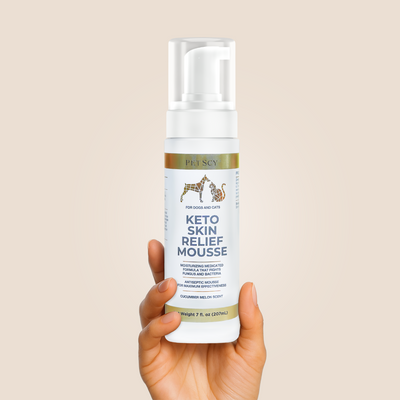
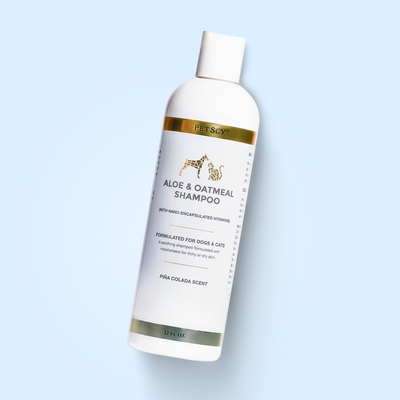
| Topical shampoo, mousse, or wipes | Can soothe surface irritation | Allergen removal, dryness, and localized care | May be difficult to apply consistently or inadequate alone |
| Flea prevention and home control | Depends on the trigger and exposure | Suspected flea-related itch | Must be consistent and doesn't treat unrelated allergies |
| Elimination diet trial | Gradual and diagnostic | Suspected food-related disease | Strict adherence is essential and veterinary guidance helps |
| Environmental management | Gradual, trigger-dependent | Dogs affected by recurring outdoor or household irritants | Avoidance is rarely complete |
When prescription treatment comes first
Raw or oozing skin, painful ears, strong odor, widespread redness, hair loss, or relentless scratching should move veterinary assessment ahead of supplement shopping. Secondary bacterial or yeast problems can keep a dog itchy even when the original trigger was an allergy.
Prescription options may be appropriate when inflammation is moderate or severe, when a dog can't sleep, or when the skin is being injured. A veterinarian can decide whether the dog needs targeted medication, topical therapy, parasite control, diagnostic testing, or a combination.
The value of layered care
Topical care can remove irritants from the coat and support damaged skin directly. Parasite prevention matters when fleas are possible, while a properly managed dietary trial may help clarify whether food is involved. Environmental measures can reduce exposure, but they rarely eliminate every trigger.
A chew can fit alongside these measures. It may be particularly practical for ongoing support because owners can give it consistently, but convenience shouldn't turn into false reassurance. If symptoms worsen during the trial, stop treating the chew as the main intervention and seek veterinary advice.
How to Evaluate an Itch Relief Chew Before You Buy
A soft texture and appealing flavor tell you very little about a supplement's quality. Before buying, inspect the label, the company's quality controls, and the evidence behind the claims.

Start with the label
Look for named ingredients and their amounts. A proprietary blend that combines many compounds without individual dosages makes it difficult to compare products or understand what your dog is receiving.
For an omega-3 formula, check whether the label identifies EPA and DHA, not only total fish oil. Ask whether the fish source is described, whether freshness and purity are tested, and whether the manufacturer can provide documentation.
Check the quality trail
Third-party testing can help verify purity and potency. A Certificate of Analysis is more useful than a vague statement that a product is tested, because it provides documentation tied to a batch or product specification.
Manufacturing standards matter as well. Look for production under Good Manufacturing Practices, clear contact information, storage instructions, lot identification, and an expiration date. Membership in an industry organization such as the National Animal Supplement Council can indicate adherence to relevant quality standards, though it doesn't prove that a chew will work for every dog.
Label test: If you can't identify the active ingredient, its amount, and the manufacturer's quality documentation, you can't judge the product's clinical value confidently.
Treat guarantees as a shopping safeguard
A money-back guarantee can reduce purchase risk, but it isn't clinical evidence. It may be helpful if your dog refuses the chew or shows no meaningful improvement, yet the guarantee shouldn't influence you to delay a veterinary workup.
Pet owners who want a closer look at verification practices can review this guide to third-party testing for product verification. Whatever brand you choose, introduce the product according to its label and monitor for digestive upset, intolerance, or a change in symptoms.
Building a Practical Itch Management Plan for Your Dog
Your dog scratches after a new shampoo, licks one paw after walks, or wakes at night rubbing its ears. Those patterns point to different questions, so a useful plan starts with the dog rather than the product. Record the dog's age, affected areas, timing, possible seasonal pattern, and any diagnosis involving allergies, parasites, infection, or another condition.
Itch is common in veterinary patients, and some dogs need ongoing management rather than a brief response to one chew. A supplement may support comfort, but marketing language can make that role sound larger than clinical evidence supports. Treat a chew like one tool in a repair kit, not like a test that identifies the cause.
Use a simple decision path
- Mild, occasional itch: Review recent grooming, outdoor exposure, and environmental changes. Confirm parasite prevention, then ask your veterinarian whether a gentle chew and topical routine fit the situation.
- Recurring seasonal itch: Track scratching, paw licking, and ear rubbing across the year. A daily supplement may support the plan, while repeated flares still warrant veterinary guidance.
- Persistent or worsening itch: Arrange an appointment before depending on a chew. Skin sores, odor, discharge, painful ears, or intense licking can accompany infection or another condition.
- Known allergic disease: Use a chew as an adjunct only if your veterinarian agrees. Keep prescribed treatment, parasite prevention, diet, and topical care consistent so you can judge its contribution.
Measure comfort rather than guessing
Set a defined review point, commonly 4 to 8 weeks, and follow the label and veterinary advice. Record scratching episodes, paw licking, sleep disruption, ear rubbing, redness, coat changes, and digestive reactions. Improvement should mean observable comfort, not just a claim on the package.
Change one nonurgent intervention at a time when possible. Starting a chew, new food, medicated shampoo, and prescription together may improve symptoms while leaving you unable to identify what helped. If your dog worsens, seek veterinary care promptly instead of extending the trial.
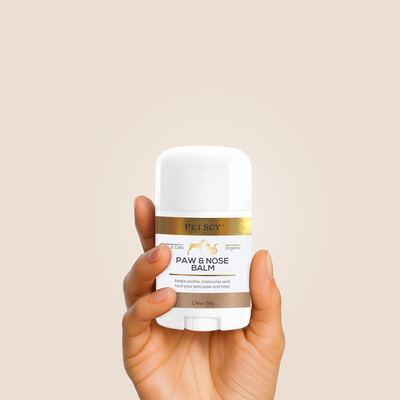
Paw licking can reflect moisture, outdoor exposure, dryness, or surface irritation. A paw protector for dogs may suit paw-focused care, but persistent licking still calls for diagnosis rather than repeated product changes.
A gentle formula targeting itch and irritation is most appropriate when the pattern is mild, the likely causes are understood, and expectations remain realistic. Veterinary diagnostics should come first when itch is severe, chronic, recurrent, or unexplained.
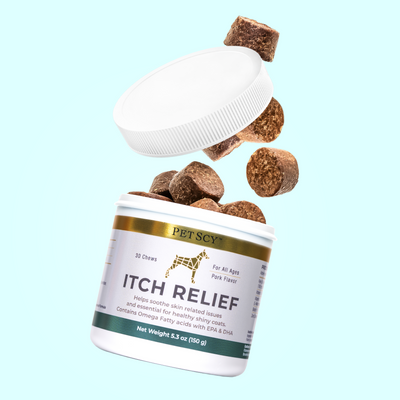
PetScy offers veterinarian-formulated supplements and topical care for dogs, including Itch Relief Chews and products for broader skin and allergy support. Visit PetScy to compare available options, review ingredient information, and choose a product that fits your dog's care plan.