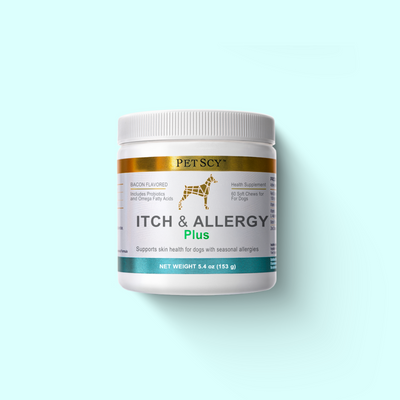
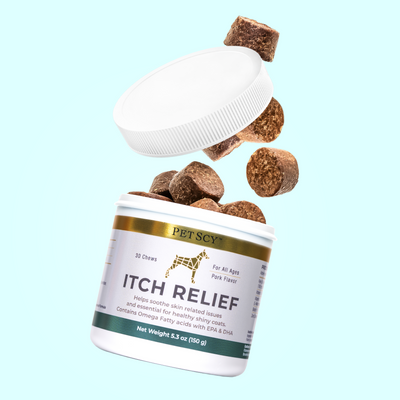


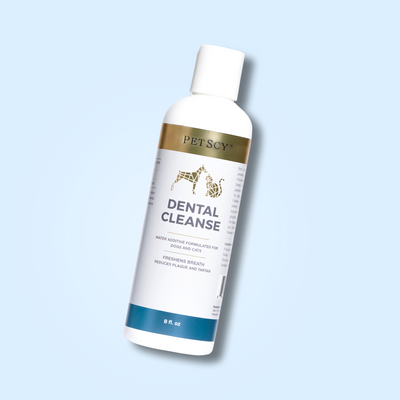


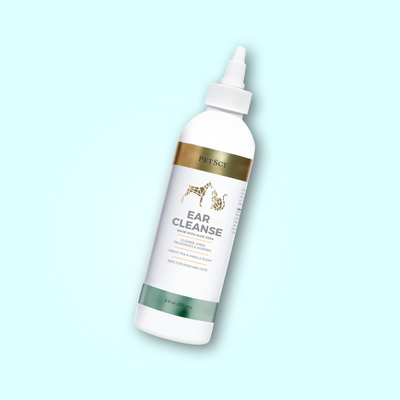

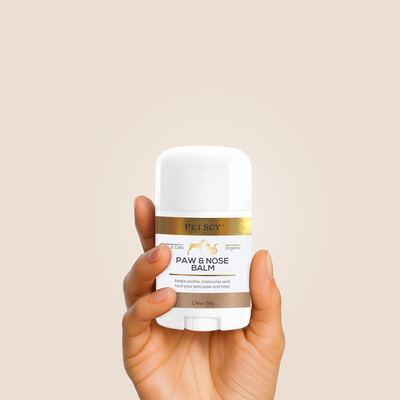
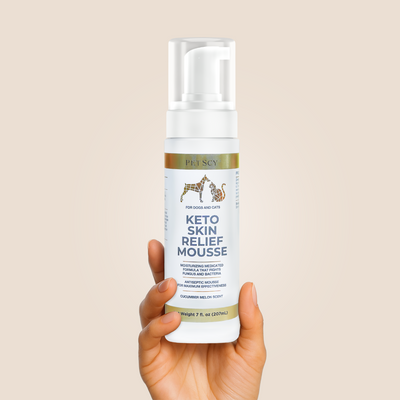

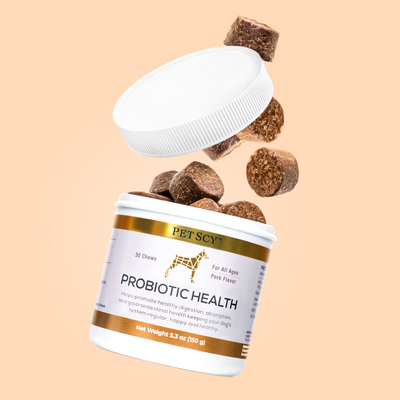
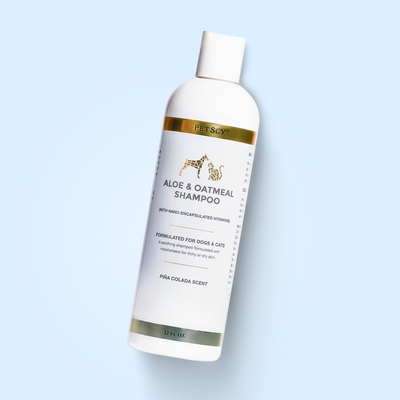




Third-party Tested for Product Verification.
You're standing in the pet aisle comparing two joint chews. One says “veterinarian formulated.” The other displays a “third-party tested” badge. The prices are similar, your dog needs support, and both packages sound reassuring. The difficult part is knowing whether either phrase tells you what's inside the container.
Third-party tested for product verification should mean more than a polished seal or a sentence on a product page. It should point to an independent laboratory checking the finished product against defined requirements. For a canine supplement or topical, that usually means asking whether the product contains the labeled ingredients, whether the active ingredients are present at the stated strength, and whether relevant contaminants are below acceptable limits.
Product labels and marketing claims don't independently prove quality. A market survey comparing supplier self-declaration with independent certification found dangerous faults in 17% of self-declared products, compared with fewer than 1% of third-party certified products, while several tested categories recorded 0% critical failures among third-party certified items (market survey on independent certification and product faults). The lesson for dog owners is simple: an outside check can reveal a meaningful difference between what a manufacturer says and what a product contains.
Table of Contents
- Why Dog Owners Are Hearing About Third-Party Testing
- What Third-Party Testing Is Actually Supposed to Verify
- Testing Versus Certification and Batch-by-Batch Verification
- The Four Lab Tests Behind a Solid COA
- How to Read and Verify a Certificate of Analysis
- Red Flags and Marketing Shortcuts to Watch For
- Your Consumer Checklist and Questions for Any Brand
Why Dog Owners Are Hearing About Third-Party Testing
Dog supplements and topical products occupy a complicated space. Manufacturers are responsible for producing safe products and accurate labels, but owners often encounter broad claims without seeing the laboratory evidence behind them. Terms such as “quality tested,” “premium ingredients,” and “veterinarian formulated” can describe a product's positioning, but they don't necessarily identify who checked the finished batch or what the laboratory measured.
A third-party test introduces separation. Instead of relying only on the manufacturer's own inspection, an independent laboratory examines a sample using defined analytical methods. That separation helps reduce the conflict that exists when the same company formulates a product, chooses the testing process, interprets the results, and publishes the claim.

The promise behind the phrase
A useful verification program should answer three practical questions:
- Is the ingredient present? Identity testing checks whether a labeled ingredient is in the product.
- Is the amount accurate? Potency testing measures the strength of relevant active ingredients.
- Is the product acceptably clean? Contaminant testing looks for risks such as heavy metals, microbes, residual solvents, and other product-specific hazards.
For example, an omega-3 product should have evidence connected to its stated EPA and DHA content. A probiotic chew should have a defined approach to microbial quality, while an ear cleanser or skin-care product may need testing suited to its formula, packaging, and expected shelf life.
U.S. dietary supplement rules provide a useful quality-control reference. 21 CFR Part 111 requires manufacturers to establish specifications for identity, purity, strength, composition, and contamination limits, then verify that finished batches meet those specifications through testing or examination (FDA guide to current good manufacturing practice for dietary supplements). For dog owners, the important idea is that verification should relate to the finished product, not just a supplier's promise about a raw ingredient.
A veterinarian-formulated label can still provide useful formulation context, but it answers a different question from an independent COA. You can review how formulation language fits into a broader product-quality discussion in PetScy's overview of veterinarian-formulated and science-backed products. You can also consult this 3rd party tested research peptide guide for a broader explanation of how third-party testing claims should be evaluated across product categories.
What Third-Party Testing Is Actually Supposed to Verify
A credible lab review usually starts with identity, potency, and contamination status. These controls work together. A product can contain the correct ingredient but too little of it, or it can contain the right active ingredient alongside an unacceptable contaminant.

Identity comes first
Identity testing confirms that the material in the chew, capsule, liquid, or topical is what the label says. Consider a turmeric joint product. A laboratory may need to verify the presence of the intended turmeric or curcuminoid material rather than accepting a supplier document or assuming that a similarly colored powder has the same composition.
The same principle applies to glucosamine, botanical extracts, fish oil, probiotic strains, and active topical ingredients. A product can look correct and still fail an identity check if an ingredient was substituted, diluted, degraded, or mishandled.
Potency connects the test to the label
Potency testing measures the amount or strength of an active ingredient. For a fish oil soft chew, the relevant question isn't just whether fish oil is present. The report should identify how the laboratory measured the stated EPA and DHA amounts and whether the result meets the product's specification.
Analytical tools can vary by compound. Chromatographic and spectrometric techniques, including HPLC and mass spectrometry, are commonly used for identity and potency work. The method matters because a vague statement such as “tested for purity” doesn't tell you whether the laboratory measured the ingredient that matters to your dog's intended use.
Contaminant screening protects the finished product
Contamination testing looks for substances that shouldn't be there. Depending on the formula, a laboratory may screen for lead, arsenic, cadmium, mercury, microbial contamination, residual solvents, pesticides, allergens, or banned substances.
A turmeric chew may require heavy-metal and pesticide attention because plant ingredients can carry sourcing-related risks. A probiotic product needs microbial controls appropriate to the formula. A credible report should name the test panel, method, units, and result rather than merely displaying a pass claim.
Practical rule: “Third-party tested” is useful only when you can identify what was tested, how it was tested, and which product lot produced the result.
Testing Versus Certification and Batch-by-Batch Verification
The phrase third-party tested can describe different levels of oversight. A one-time laboratory analysis may examine a formula or a particular sample, but it doesn't automatically prove that later production lots received the same review. Certification generally adds an outside organization's standards, audits, and continuing checks. Batch-by-batch verification goes further by tying testing evidence to each production lot.
| One-Time Test | Certification | Batch-by-Batch Verification | |
|---|---|---|---|
| Scope | A laboratory analyzes a defined sample or formula. | An outside body evaluates the product and aspects of the quality system against a published standard. | Each production lot receives testing linked to that specific finished batch. |
| Frequency | May happen once or at an unspecified interval. | Ongoing status depends on the certifier's program requirements. | Testing is performed for every production lot under the brand's stated program. |
| Consumer transparency | Evidence may be limited to a general claim or single report. | The certification body may publish a seal, standard, or status listing. | The owner can request a COA that matches the lot number on the package. |
| Typical evidence | A lab report for a sample, sometimes without lot context. | Certification status, audit information, labeling review, and program documentation. | A current, lot-specific COA with methods, specifications, and results. |
Certification and testing should not be treated as interchangeable. Independent guidance distinguishes a one-time analysis from certification that can include label review, contaminant screening, manufacturing oversight, and continuing status checks (explanation of third-party testing and certification differences).
The National Animal Supplement Council is another example of a quality-system signal, but membership or a quality seal doesn't prove efficacy. NASC-related oversight can involve quality-system audits and random product testing, while it doesn't require efficacy studies proving that every product works as claimed.
For a closer look at that distinction in the canine supplement context, review PetScy's explanation of NASC membership and industry quality standards. The strongest purchasing signal is usually a combination of an identifiable certification or quality system and current, lot-specific testing.
The Four Lab Tests Behind a Solid COA
A Certificate of Analysis, or COA, is only as useful as the information it contains. For canine supplements and topicals, four broad testing categories help explain whether the finished product matches its intended specifications.

Potency checks the active amount
For an omega-3 fish oil, potency testing should address the product's stated EPA and DHA content. The report may show the target specification, the measured result, the units, and whether the lot passed. That information is more meaningful than a front-label phrase such as “rich in omega-3s,” because it connects the claim to a measured result.
Potency also matters for joint chews, calming products, and other formulas with named active ingredients. If the product lists a particular amount of an ingredient per chew, the COA should make clear whether the laboratory tested the finished dosage form or only an incoming raw material.
Contaminant testing targets product-specific hazards
A turmeric joint chew may need screens for heavy metals such as lead, arsenic, cadmium, and mercury, along with pesticides or other risks relevant to the ingredients. Fish oils may call for attention to oxidation and contaminants associated with marine sourcing. The correct panel depends on the formulation and its likely failure modes.
The FDA's dietary supplement manufacturing guidance emphasizes specifications for purity, strength, composition, and contamination limits. That framework supports a practical rule for pet products: a brand should define the risks it intends to control instead of using one generic “purity” statement for every formula.
Microbial testing looks beyond the label
A canine probiotic can contain beneficial organisms by design, so microbial testing must distinguish the intended culture from harmful contamination and evaluate the product according to its specifications. Screening may include bacteria, yeast, and mold, with methods selected for the type of product being tested.
The report should identify the organisms or categories examined, the units used, and the acceptance criteria. A blank “passed” statement gives the owner little insight into what the lab measured.
Stability tests address time and storage
A skin mousse, paw balm, or ear cleanser can change during storage. Stability testing examines whether ingredients, appearance, microbial quality, and other specifications remain acceptable over the expected shelf life and under defined storage conditions. Accelerated studies can help predict how a formula may behave over time, but they don't eliminate the need for suitable packaging and storage instructions.
For topicals, stability matters because ingredient breakdown may affect performance or cause irritation. A meaningful COA or supporting stability document should connect the testing to the product, storage conditions, and expiration rationale.
How to Read and Verify a Certificate of Analysis
Read a COA as a technical identity document, not as a marketing badge. Start with the product name, manufacturer or responsible party, report date, and laboratory details. Then find the lot or batch number and compare it with the number printed on your bottle, pouch, tube, or box.

A fictional COA example
Suppose a joint chew is labeled with glucosamine and a botanical extract. A useful COA would let you follow this sequence:
- Match the lot. The report's lot number should match the package. A certificate for a different lot doesn't verify the product in your hand.
- Identify the method. Look for a named analytical method, such as HPLC for a suitable active compound or ICP-MS for elemental contaminants. The method should fit the substance being measured.
- Read the units. Results need context. Milligrams per chew, concentration, colony-forming units, or parts per million mean different things. The unit should correspond to the label claim and the laboratory's specification.
- Compare result with specification. The report should show a target, acceptable range, limit, or other pass/fail criterion. A result without a benchmark is difficult to interpret.
- Check the finished-product description. Confirm that the lab tested the chew itself, not merely a supplier's raw-material sample.
The report should also identify the laboratory and make its independence clear. An in-house quality document may be useful for internal control, but it isn't the same as a report from an independent accredited laboratory. ISO/IEC 17025 accreditation is a strong signal that the lab operates under recognized requirements for testing competence, though owners should still check whether the accreditation covers the relevant method.
A COA and a Certificate of Conformity can serve different purposes, so it helps to understand the distinction before judging a document's value. This COA or COC difference guide explains why a conformity statement shouldn't automatically be treated as a detailed analytical report.
Watch the short video below for another visual explanation of how COA information is organized.
A generic certificate reused across products, an old report with no current lot connection, missing methods, absent units, or unexplained pass claims should prompt questions. A legitimate COA is product-specific and lot-specific, with enough detail for an informed reader to understand what the laboratory examined.
Red Flags and Marketing Shortcuts to Watch For
A badge can look official while telling you very little. Phrases such as “tested for quality,” “lab verified,” or “independently reviewed” need supporting details. Without a named laboratory, defined tests, a report date, and a matching lot number, the owner can't tell whether the finished product received meaningful scrutiny.
The most common shortcut is to test a raw ingredient and present that result as proof for the finished chew or topical. Raw-material testing has a role, but manufacturing, blending, heating, filling, and storage can affect the final product. A finished-batch COA answers a different question.
| Weak Claim | What Owners Should Demand |
|---|---|
| “Tested for quality” | The laboratory name, accreditation status, methods, test panel, and report date |
| “Lab verified” | A COA for the finished product, not only an ingredient supplier's document |
| “Every product is tested” | The lot number, sample identity, and evidence that testing applies to the specific package |
| “Pure and safe” | Defined limits and results for relevant heavy metals, microbes, solvents, pesticides, or other hazards |
| “Scan for results” | A QR code that opens the report directly, without unnecessary barriers or vague brand content |
| “Certified” | The certifier's name, published standard, current status, and explanation of continuing oversight |
Be cautious with a certificate hidden behind an email form or a QR code that leads only to a promotional page. Access controls don't automatically make a claim false, but they make independent checking harder. A brand that values transparency should be able to explain which lot was tested and provide the underlying documentation.
Also question contradictions. A probiotic product needs a scientifically sensible microbial specification, not an impossible-sounding claim that ignores the organisms intentionally included in the formula. A calming chew listing melatonin or another active compound should provide potency evidence for that ingredient rather than relying on a general statement that the formula was “screened.”
Ingredient sourcing adds another layer. Products made in the United States may still use globally sourced ingredients, so the relevant question is how the brand controls incoming materials and verifies the finished lot. PetScy's discussion of U.S. manufacturing and globally sourced ingredients illustrates why country-of-manufacture language alone doesn't replace testing details.
Your Consumer Checklist and Questions for Any Brand
Use the product page, the package, and the brand's customer-service response together. A verification claim becomes useful only when those three sources line up. Before buying a canine supplement, fish oil, probiotic, ear cleanser, or skin product, check the following:
- Current COA: The brand can provide a recent certificate for the finished product.
- Matching lot: The COA's lot or batch number matches the package you'll receive.
- Independent laboratory: The report identifies a lab separate from the manufacturer.
- Accreditation information: The lab's relevant ISO/IEC 17025 accreditation or testing competence is identifiable.
- Potency results: Active ingredients are measured in units that relate to the label claim.
- Contaminant panel: The testing covers relevant risks, such as heavy metals, microbes, residual solvents, pesticides, or oxidation.
- Appropriate methods: The report names methods suited to the ingredient and product type.
- Pass criteria: Results appear beside specifications, limits, ranges, or another clear acceptance standard.
- Expiration support: The product has an expiration date and a reasonable explanation of stability or storage controls.
- Clear answers: Customer service responds directly when you ask for documentation.
Ask these questions before you place a subscription order, especially when the product will be replenished repeatedly:
- Which independent laboratory issued the COA?
- Is the product tested once for the formula, or is each production batch tested?
- Does the report cover the finished product or only the raw ingredients?
- Which active ingredients were measured, and do the results match the labeled amounts?
- Were heavy metals, harmful microbes, pesticides, residual solvents, allergens, or oxidation assessed where relevant?
- What lot number does the report cover?
- How should the product be stored and shipped to protect stability?
A good answer names the lab, identifies the testing frequency, explains the panel, and supplies documentation that matches the product. An evasive answer repeats the badge, sends a generic page, or says the information is proprietary without explaining what was tested.
Consumer verification also matters because demand for independent review is strong in health-and-wellness categories. In a 2023 U.S. survey cited by NSF, 95% of respondents expressed concern about the quality and safety of dietary supplements, personal care products, and OTC drugs; 97% said retailer inspection of manufacturing facilities was important, and nearly 85% expected retailers to test these products for safety (NSF survey on consumer concerns and independent certification). The same source reports that 62% said independent certification from a health and safety organization would increase trust, while 44% said retailer lab testing would help. Those responses reinforce the buying principle here: don't stop at the claim. Ask for evidence tied to the actual product and lot.
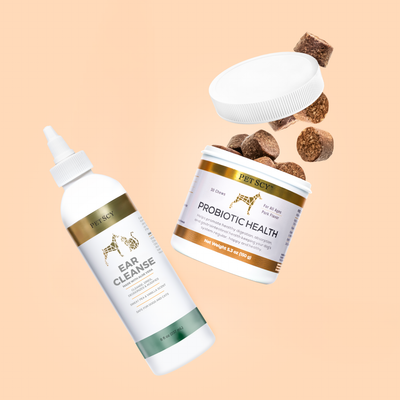
PetScy offers veterinarian-formulated supplements and topical care products for canine needs including allergies, digestive balance, joint support, calming, ear care, and skin health, with third-party testing referenced as part of its quality framework. Visit PetScy to review the product details, quality information, and subscription options before choosing care for your dog.