










Longevity Joint & Immune Chews — Daily Mobility & Immune Support.
You notice it before your dog makes a sound. The morning stretch takes longer, the first steps look careful, and the staircase becomes a decision rather than part of the routine. Later, a skipped meal, digestive upset, or slower recovery can raise a second question: is your dog's everyday resilience changing too?
Longevity Joint & Immune Chews are positioned as a convenient daily option for adult and senior dogs, combining mobility and immune-support ingredients in one chew. That convenience matters, but it shouldn't replace careful expectations. Canine osteoarthritis is a widespread chronic concern. A large UK primary-care study of 455,557 dogs found an annual period prevalence of appendicular osteoarthritis of 2.5%, which the authors estimated represented roughly 200,000 affected dogs per year in that population (the primary-care osteoarthritis study).
This guide looks at both sides of the purchase decision. You'll learn what a daily chew can realistically support, where evidence is strongest, how to compare formats, and how PetScy's guarantee, checkout, and subscription policies fit into a sensible buying process.
Table of Contents
- A Morning With a Senior Dog and Why Daily Chews Matter
- What Daily Mobility and Immune Support Actually Mean
- The Ingredient Story Behind Joint and Immune Chews
- Choosing the Right Chew for Your Dog's Stage
- How PetScy's Money-Back Guarantee and Subscriptions Work
- What Secure Checkout Really Means at PetScy
- Trust Signals Worth Checking Before You Buy
- Quick Answers Before You Order
A Morning With a Senior Dog and Why Daily Chews Matter
Milo is a mixed-breed senior dog who still wants to follow his owner into the kitchen every morning. He just doesn't rise as quickly as he once did. His front paws land first, his hips shift underneath him, and he pauses before crossing the room. On the stairs, he waits for a hand near his harness.
His owner doesn't need a dramatic limp to notice the change. She watches whether he stands comfortably, chooses the stairs, joins the short walk, and settles normally afterward. Those small observations often provide more useful information than a single enthusiastic sprint in the garden.
Mobility and immune resilience also appear connected in ordinary life, even though they involve different biological systems. A dog that moves less may lose conditioning, while dietary stress or digestive disruption can affect normal wellbeing. That doesn't mean one chew can correct every problem. It means a daily routine can give owners a consistent way to support basic nutrition while tracking meaningful changes.
What the owner is really deciding
The practical questions are usually simple:
- Is my dog comfortable getting up? Stiff first steps may deserve observation and a veterinary discussion, especially if they worsen.
- Is my dog still choosing normal activities? Reluctance to walk or climb can matter even when appetite remains normal.
- Am I asking a supplement to do too much? A chew may support daily wellness, but it isn't a diagnosis or a replacement for treatment.
- Can I buy without being trapped by the decision? PetScy presents Longevity Joint & Immune Chews with a money-back guarantee, giving owners a policy-based safety net while they evaluate fit.
Owners caring for dogs with vision loss may also need to reduce slips, collisions, and stair risks. Practical blind dog home safety tips can complement mobility support by making the home easier to navigate.
The useful next step is to define “daily mobility” and “immune support” in observable terms, rather than treating either phrase as a promise of restored health.
What Daily Mobility and Immune Support Actually Mean
Daily mobility means helping a dog perform ordinary movements with greater comfort and confidence. Think about rising from a bed, walking across a room, using stairs, turning around, joining age-appropriate play, and recovering afterward. It doesn't mean rebuilding damaged cartilage, reversing osteoarthritis, or guaranteeing that a diagnosed joint disorder will improve.
Daily immune support has a similarly modest meaning. It refers to nutritional support for normal immune responsiveness, gut barrier integrity, and recovery from ordinary dietary or environmental stress. It doesn't mean pushing the immune system above normal function or preventing infection.
Match the claim to the situation
Longevity Joint & Immune Chews fit the category of ongoing nutritional support for adult and senior dogs. They may be appropriate for an owner who wants one repeatable routine rather than several separate products. A natural dog joint comfort plan can also help owners think through supportive care as a broader routine involving movement, weight management, observation, and veterinary input.
The distinction becomes important when symptoms move beyond mild, gradual change. Sudden lameness, severe pain, repeated vomiting, marked lethargy, appetite loss, or rapidly declining activity needs veterinary assessment. A veterinarian may recommend imaging, weight adjustment, rehabilitation, prescription medication, or testing for a condition that supplements can't address.
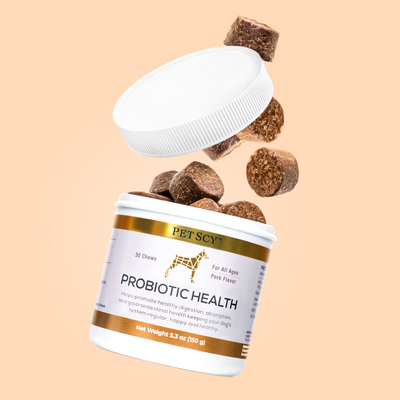
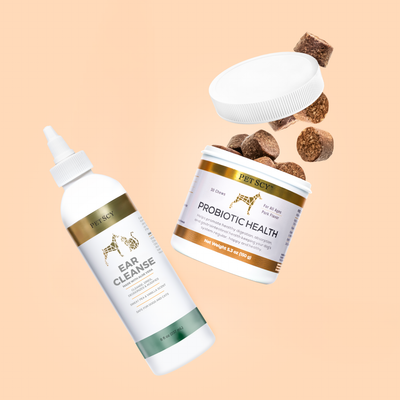
For immune concerns, the same boundary applies. Recurrent illness, persistent gastrointestinal signs, unexplained weight change, or poor recovery shouldn't be reduced to a vague “low immunity” label. Owners can review PetScy's Probiotic Health Chews and digestive and immune support information for related product context, but a diagnosed immune disorder requires professional care.
Practical rule: Use a chew to support a routine, not to hide a symptom.
A guarantee can help with purchase uncertainty. It can't make an unsuitable product medically appropriate, and it shouldn't delay a veterinary appointment.
The Ingredient Story Behind Joint and Immune Chews
Joint formulas usually combine structural ingredients with ingredients intended to influence comfort and inflammatory signaling. Glucosamine and chondroitin are commonly included as cartilage-related nutrients. MSM is often positioned around connective-tissue support, while green-lipped mussel contributes marine lipids and other bioactive compounds.
The evidence isn't equally strong across these categories. A 2022 systematic review and meta-analysis found beneficial modulation of osteoarthritis pain from omega-3 products in dogs and cats, while chondroitin-glucosamine combinations showed no analgesic effect (the veterinary omega-3 and nutraceutical review). That doesn't prove every formula will work for every dog. It does mean owners should look for a clearly quantified EPA and DHA dose instead of assuming a long ingredient list demonstrates effectiveness.
Immune positioning requires similar care. Gut microbes and fermentable substrates can influence short-chain fatty acid production, gut barrier integrity, and inflammatory tone. Veterinary literature describes the canine intestinal microbiome as relevant to mucosal and systemic immune signaling, while also emphasizing that supplement evidence is strongest when claims connect to measurable biological outcomes (the veterinary microbiome review).
| Category | Example ingredients | Intended role | Evidence strength |
|---|---|---|---|
| Marine omega-3s | EPA and DHA | Support inflammatory modulation and joint comfort | Strongest independent support among common canine joint nutraceuticals |
| Cartilage-associated nutrients | Glucosamine, chondroitin | Provide commonly used cartilage-support components | Mixed to negative clinical evidence when used as the primary analgesic strategy |
| Joint comfort compounds | MSM, green-lipped mussel, hyaluronic acid | Support connective tissue, lubrication, or comfortable movement | Uneven, dependent on ingredient, dose, and product quality |
| Gut-directed ingredients | Probiotics, prebiotics, postbiotics, yeast-derived components | Support gut-mediated immune homeostasis | Mechanistically plausible, but strain, viability, dose, and endpoint matter |
| Antioxidant and functional compounds | Vitamins, beta glucans, functional mushrooms | Address oxidative or immune-signaling pathways | Variable, with limited certainty for broad immune enhancement claims |
The combination makes practical sense because mobility and immune health both depend on steady daily care, nutrition, and monitoring. It doesn't make them one condition. Owners should evaluate each claim separately, especially because broader reviews describe canine immune-support evidence for vitamins, minerals, and phytonutrients as scarce and inconclusive across dogs (the canine immune-support review).
For additional perspective on supplement selection and joint-pain ingredients, owners can consult this Thermo Recovery Wear supplement advice. PetScy also provides information about LubriSyn for dogs, a separate joint-support topic that shouldn't be treated as interchangeable with every chew formula.
Choosing the Right Chew for Your Dog's Stage
A daily mobility and immune chew is one option, not a universal answer. The right choice depends on your dog's age, observable symptoms, diet, medication, and the specific ingredient dose you want to deliver.
A young adult dog with no mobility changes may need no supplement at all beyond a complete diet and appropriate veterinary care. A middle-aged dog with a demanding activity routine may benefit from a consistent maintenance approach, while a senior dog showing repeated stiffness may need a more targeted assessment rather than a simple product switch.
| Chew type | Best for | Key strength | Limitations |
|---|---|---|---|
| Daily joint and immune chew | Adult or senior dogs needing one routine for general support | Combines mobility and immune-positioned ingredients | May not provide a sufficiently targeted dose for a diagnosed condition |
| Advanced arthritis chew | Dogs with persistent stiffness or established joint concerns | Can focus more heavily on joint ingredients such as glucosamine or MSM | Still isn't a substitute for veterinary diagnosis or prescription treatment |
| Fish oil alone | Owners prioritizing flexible EPA and DHA delivery | Makes the marine omega-3 dose easier to identify and adjust | Doesn't automatically provide probiotic, mushroom, or cartilage-associated ingredients |
| Calming chew | Dogs with situational stress, travel anxiety, or noise sensitivity | Targets behavior and relaxation rather than mobility | Doesn't address joint discomfort or immune concerns |
The most useful comparison is often between a combined chew and standalone fish oil. Independent evidence favors omega-3s over glucosamine-chondroitin combinations for canine osteoarthritis pain modulation, so owners concerned primarily about mobility should inspect EPA and DHA disclosure carefully rather than relying on the word “advanced.”
Senior dogs with recurring stiffness can benefit from a broader plan that includes weight management, controlled exercise, home traction, and veterinary review. PetScy's senior dog joint supplements guide can help frame that decision, but product information shouldn't replace an examination.
If activity keeps declining, pain becomes obvious, or a new symptom appears, upgrade the conversation from product selection to veterinary care.
How PetScy's Money-Back Guarantee and Subscriptions Work
A guarantee is useful only when you understand its operating rules before ordering. PetScy's stated framework uses a 60-day satisfaction window, so the first task is to keep the order confirmation and note the date the product arrives.

Follow the claim process carefully
- Check eligibility. Contact support within the stated 60-day window and explain that you're dissatisfied.
- Provide order details. Support may request identifying information, purchase details, or feedback about your dog's experience.
- Ask about product return requirements. Opened containers, partial bottles, and multi-bottle bundles may be handled according to the current policy, so don't discard remaining product until support gives instructions.
- Wait for refund processing. The stated outcome is a full refund issued to the original payment method, subject to the policy's requirements.
A refund claim and a subscription are separate administrative matters. If you're subscribed, pause, skip, change shipment cadence, or cancel through the available account or support process. Canceling future shipments shouldn't be confused with withdrawing an active refund request. Keep written confirmation for both actions.
Subscriptions can make daily use easier, but they also create a risk of receiving more product than you need. Review the cadence after the first order, especially if your dog eats inconsistently, changes diets, or needs a veterinary reassessment.
Before opening the container: Save the order email, read the current guarantee terms, and check how returns apply to bundles or partially used bottles.
What Secure Checkout Really Means at PetScy
Secure checkout is a set of safeguards, not a promise that online shopping has no risk. SSL/TLS encryption scrambles information while it travels between your browser and the checkout system. The padlock symbol indicates that the connection is encrypted, although you should still confirm that you're on the intended PetScy site before entering payment details.
A PCI-compliant checkout follows industry requirements for handling payment information. In practical terms, reputable payment systems generally use tokenization, which replaces the usable card number with a payment token rather than storing card details as plain text in the merchant's ordinary account records.
Why a payment can request extra verification
Checkout and subscription renewals may use common fraud-prevention checks such as:
- Address verification, which compares the billing address with the card issuer's record.
- CVV checks, which confirm the security code associated with the physical card.
- 3-D Secure authentication, which may ask your bank to approve the transaction through an app, password, or one-time code.
These prompts can appear during a first purchase or when a bank detects an unusual device, location, or billing pattern. They aren't automatically evidence that something is wrong. They help reduce unauthorized transactions and can protect recurring billing when a subscription renews.
Payment methods can vary by checkout configuration and may change over time, so review the options shown at the moment you order. A declined renewal may require updating the payment method rather than creating a second subscription. If a charge looks unfamiliar, contact PetScy through its published support channel and your card issuer without sharing sensitive credentials.
Trust Signals Worth Checking Before You Buy
A polished product page isn't enough. Buyers should verify who makes the product, what the label discloses, how claims are tested, and whether the seller publishes usable support and refund information.
NASC membership is one relevant signal because the National Animal Supplement Council represents participation in an industry quality framework. The NASC Quality Seal is associated with checks involving label claims, adverse-event reporting, and random product testing. Those controls address manufacturing and labeling practices. They don't prove that every broad wellness claim has a strong clinical outcome behind it.
PetScy describes its products as made in the United States with globally sourced ingredients, and it references third-party testing for product verification. A buyer should still look for the specific testing scope, active amounts, serving instructions, and batch or lot information rather than treating “tested” as a complete explanation.
A two-minute product-page audit
- Check the manufacturer. Look for a verifiable business identity and address because accountability matters after purchase.
- Read the full ingredient panel. Active amounts are more useful than a proprietary blend that hides quantities.
- Find the quality program. Verify NASC membership and look for the Quality Seal where claimed.
- Review the policy pages. Shipping, refunds, subscriptions, and returns should be accessible from the site footer.
- Test the contact path. Confirm that email, phone, or chat details are visible and practical to use.

Vet-formulated positioning can be useful when the product page identifies the formulation basis and responsible credentials. It still shouldn't override evidence quality. Reviews can reveal palatability, delivery experience, and everyday observations, but they can't establish that a supplement treated a diagnosed disease.
Quick Answers Before You Order
How long does a refund take after approval? PetScy's stated guarantee describes a full refund to the original payment method after an eligible claim is approved. The actual posting time can depend on the payment processor and card issuer, so keep the approval message until the credit appears.
Can I pause or cancel a subscription without losing unused product? Contact PetScy or use the account controls to pause, skip, change cadence, or cancel future shipments. Keep any remaining chews stored properly, and ask support how the current policy handles opened containers, partial bottles, or bundles before returning anything.
How should I store the chews? Keep the container sealed in a cool, dry place away from direct sunlight. Follow the printed batch or expiration information, and don't use product that has changed noticeably in smell, texture, or appearance.
When should I call a veterinarian? Seek veterinary advice for sudden lameness, loss of appetite, vomiting after dosing, severe discomfort, or a clear decline in normal activity. If you see no meaningful improvement after a reasonable trial period, reassess the diagnosis and plan instead of just adding more supplements.
Can chews be used with prescription joint medication or an NSAID? Sometimes a veterinarian may approve combined use, but owners should confirm first because ingredients and medications can interact or create overlapping safety concerns. Supplements support daily wellness. They don't replace treatment for diagnosed arthritis, immune disease, injury, or pain.
PetScy offers Longevity Joint & Immune Chews as a daily option for owners who want mobility and immune-support ingredients in one routine, alongside subscription ordering and a stated money-back guarantee. Review the ingredient information and policy terms, then visit PetScy to decide whether the product fits your dog's needs and your veterinarian's advice.