




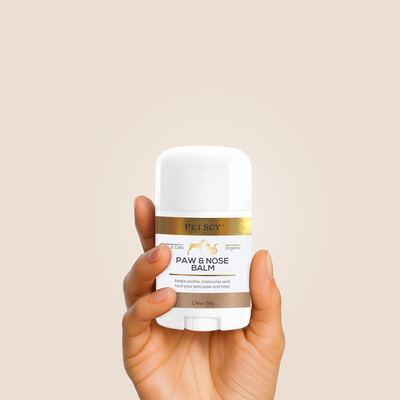
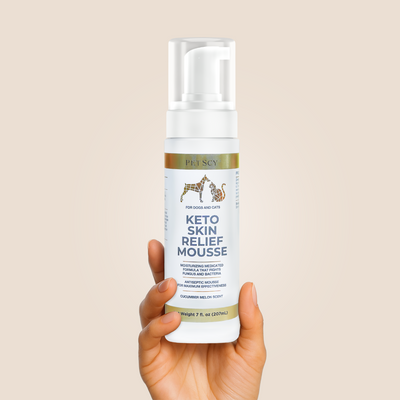

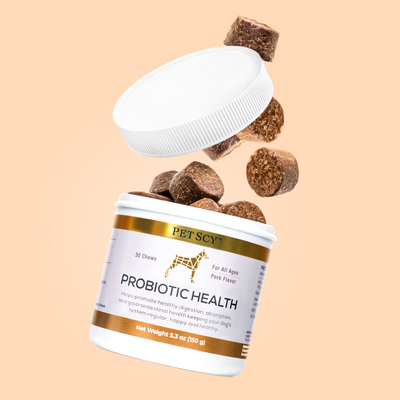
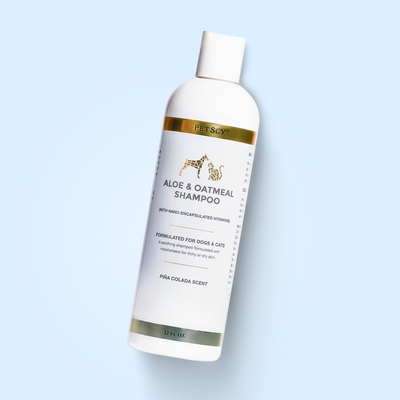
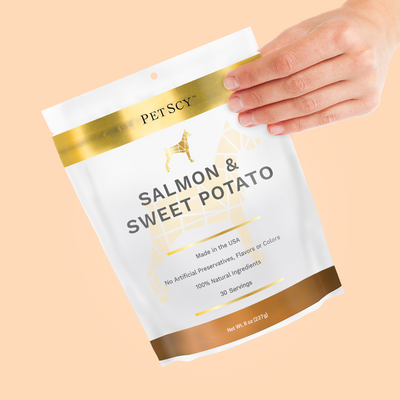


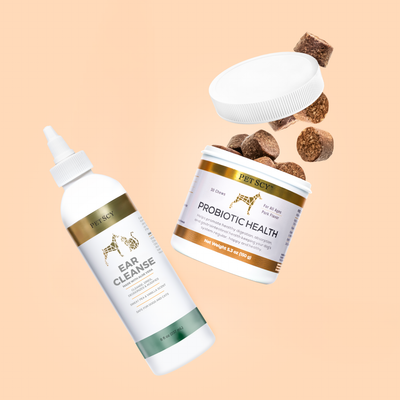


Made in the USA with Globally Sourced Ingredients.
You're standing in the supplement aisle with two dog bottles in your hands. One says Made in USA, the other says Made in the USA with globally sourced ingredients, and the difference feels important, even if the label copy is easy to skim past. For a pet parent trying to make a careful choice, that extra phrase can look confusing at first, but it tells you a lot about how the product was made, where the ingredients came from, and how much of the process happened under U.S. oversight.
Table of Contents
- What Made in the USA with Globally Sourced Ingredients Means
- The FTC Labeling Rule Behind the Phrase
- Why the Global Sourcing Part Exists in the First Place
- Quality, Safety, and Sustainability Trade-offs to Weigh
- How PetScy Demonstrates Compliance and Transparency
- A Pet Owner's Verification Checklist Before You Buy
- Common Misconceptions Worth Clearing Up
- Putting It All Together for Your Dog
What Made in the USA with Globally Sourced Ingredients Means
A label like Made in the USA with globally sourced ingredients is a qualified origin claim. It tells you the finished product was formulated, assembled, and packaged in the United States, while some raw materials came from outside the country and were brought in for use. That is different from an unqualified Made in USA claim, which carries a stricter meaning under the FTC standard. The FTC explains that an unqualified claim only works when final assembly or processing happens in the U.S., all significant processing happens in the U.S., and all or virtually all ingredients or components are U.S.-origin (FTC Made in USA rule announcement).
For a dog supplement, that distinction matters because ingredients do not always grow where the factory sits. A fish oil may start as a marine raw material in one region, a botanical may be extracted somewhere else, and the finished chew is then blended, tested, and bottled in the U.S. The label is describing the supply chain, not judging the product's worth.

What changes and what stays the same
The sourcing route can change the origin of raw inputs, but it does not automatically change the quality of the finished product. What matters is where the formula was built, where the lot was made, and how the brand checked what went into it. Product pages and labels should be read together, because one line on the front rarely gives the full picture.
Textile labels follow the same logic, a single qualifier can change what a buyer understands about origin and material quality. A source like Supima vs regular cotton shows how material labels work when one added phrase changes the meaning. In supplements, the same rule helps you separate domestic manufacturing from domestic sourcing.
A practical check is to open the product page and look for a plain-language explanation of where ingredients are sourced, where the product is made, and whether the brand describes testing or quality control. Pet parents can also compare that explanation with the company's about page to see whether the story on the label matches the story on the site.
Practical rule: if a dog supplement says Made in the USA with globally sourced ingredients, check the product page for the sourcing details and the testing steps before assuming the claim is incomplete.
The FTC Labeling Rule Behind the Phrase
A label can sound simple and still carry legal weight. For Made in the USA claims, the FTC treats country-of-origin wording as something brands must be able to support, not just a marketing phrase. That matters for pet owners because the front of the package often leaves out the part that explains where the ingredients came from and where the product was made.
The FTC's rule took effect in 2021 and applies to unqualified origin claims on packaging and in marketing. Its message is straightforward, a brand cannot use American-made language unless the claim matches the product's real manufacturing record. The agency's FTC press release explains why the rule was adopted, and the basic idea is easy to follow: origin claims need proof.
The core standard in plain language
An unqualified Made in USA claim is only appropriate when the product has no more than negligible foreign content and the manufacturing work is overwhelmingly domestic. The FTC does not give a simple percentage cutoff. Instead, it looks at the full picture, including material costs, direct labor, overhead, and how important any foreign content is to the finished product. If imported ingredients matter, the label usually needs a qualifier such as Made in USA with imported ingredients.
That standard works like a checklist, not a slogan test. A supplement brand has to know where the ingredients came from, what happened to them during manufacturing, and whether the foreign content is minor or material. The FTC's compliance guide says brands need competent and reliable evidence, so the claim has to be supported by records, not assumptions.
Why the rule changes what you should look for
For pet parents, the label is a quick way to separate manufacturing location from ingredient origin. If a jar says it was made in the U.S. and also uses globally sourced inputs, the qualified version is the one that tells the fuller truth. That wording is more useful than a broad patriotic claim because it shows the brand understands the difference between where a product is finished and where its ingredients begin.
The FTC can enforce false origin claims with civil penalties. A label should be traceable, defensible, and specific enough that a buyer can rely on it.

Why the Global Sourcing Part Exists in the First Place
A label that mentions globally sourced ingredients usually reflects a supply problem the brand had to solve, not a marketing flourish. If a formula depends on raw materials from more than one region, the company can keep making the same product more reliably when weather, shipping delays, or supplier bottlenecks affect one source. A recent industry statistic reported that 25% of ingredient manufacturers face supply chain disruptions annually, according to WorldMetrics ingredient industry statistics. That kind of disruption helps explain why a brand may avoid depending on a single geography for every raw material.
Some ingredients simply are not easy to source domestically at scale
Some pet supplement ingredients are tied to specific ecosystems or growing regions. Cold-water marine oils, certain botanicals, and specialty minerals may be available in limited volumes where they naturally occur. A brand can still make the finished product in the U.S., but it may need to source those inputs internationally to keep the formula consistent.
That choice is usually about fit, not convenience. If the ingredient itself is more reliably available overseas, global sourcing can help preserve the same formula from batch to batch. Tariff changes, climate events, and regional shortages can also affect cost and lead time, so the sourcing map has to account for more than one risk at once.
Domestic manufacturing still matters
Manufacturing in the U.S. still gives the brand tighter control over blending, testing, packaging, and lot release. The ingredients may cross borders, but the finished product can still move through domestic quality procedures before it reaches the shelf.
That distinction matters because sourcing and manufacturing solve different problems. Ingredient origin tells you where the raw materials began. Domestic production tells you where the brand handled the final decisions about the product you buy. In practice, that split is common because it lets a company combine ingredient access with oversight of the finished supplement.
Bottom line: global sourcing usually appears because a brand wants a formula it can keep making reliably, while still finishing and checking the product in the U.S.
Quality, Safety, and Sustainability Trade-offs to Weigh
A label that says globally sourced raises a practical question, what did the brand gain, and what did it give up? The answer usually depends on four things, supply resilience, ingredient control, environmental footprint, and contamination risk. None of those is automatic. A careful sourcing plan can improve one area while complicating another.
| Trade-offs of Globally Sourced Ingredients in U.S.-Made Pet Supplements | ||
|---|---|---|
| Dimension | Realistic Upside | Realistic Downside |
| Supply-chain resilience | Access to more than one sourcing region, which can help when one market has a shortage | More moving parts, which can create delays if one supplier fails |
| Ingredient quality controls | Ability to source specialized raw materials where they naturally originate | Oversight may be fragmented across multiple suppliers and countries |
| Environmental footprint | Fewer compromises on ingredient selection when a specialty raw material isn't grown domestically | Longer transport routes can increase shipping burden |
| Contamination or adulteration risk | Brands can choose suppliers with stronger documentation and testing | More handoffs can mean more opportunities for weak controls |
What a careful buyer should notice
The upside of global sourcing is easiest to see with ingredients that do not have good domestic substitutes. A fish oil sourced from wild marine fisheries, or a botanical tied to a specific climate, can fit the formula goal better than a stand-in that is merely nearby. The downside is that every extra handoff requires more documentation and more trust in the supplier chain.
That is why this is not a simple “local good, foreign bad” conversation. It is a management question. Brands either build controls around their sourcing map, or they hope customers will not ask.
A dog owner can usually tell more by asking what the brand can verify than by reading the front of the package alone. If a company talks about fish oil quality, the sourcing details should match the formula story, and this guide to fish oil for dogs gives useful context for the questions buyers should ask before choosing a product.
How PetScy Demonstrates Compliance and Transparency
A label only helps if the rest of the story matches it. With PetScy, the value for a dog owner is in how the claim, the testing, and the manufacturing trail fit together. The brand presents itself as NASC-member aligned, which matters because that kind of oversight is tied to label claims, adverse event handling, and manufacturing practices. For supplements, that gives buyers more to check than a polished front panel.
The trust stack, one layer at a time
Start with formulation. A veterinarian on the product team should shape ingredient choice and dosing, not just appear as a credential. PetScy describes its catalog as vet-formulated and science-backed, and its vet-formulated product overview shows how that approach is described across the line. That tells you the formulas are built for animal use, rather than borrowed from a general wellness shelf.
Next comes testing. Third-party testing adds a check beyond the factory floor, and a Certificate of Analysis is the paper trail that helps confirm what is in a lot. A good supplement company should be able to show that kind of documentation without making you guess where quality control lives.
Fish oil deserves its own review because omega-3 products are sensitive to raw material quality. PetScy says its fish oil comes from wild-caught Alaskan pollock and salmon, which is a concrete sourcing detail, not a vague “marine” claim. That gives a buyer something real to compare with the label and product page.
Practical rule: when a supplement makes a strong claim, ask what verified system stands behind it. NASC membership, third-party testing, and a published lot document are all signals that can be checked.

What transparency looks like in practice
Transparency should make the origin story easy to verify. Country-of-origin details belong on the label or product page in a way a buyer can find quickly, not buried in vague marketing. Batch consistency matters too, because it lets a dog owner notice whether the same formula keeps arriving with the same look, smell, and response pattern. That does not replace testing, but it gives repeat customers another way to watch for changes.
The clearest read comes from the full stack, not one claim alone. NASC-style oversight, vet formulation, third-party testing, and clear ingredient origin work together like checkpoints on the same road. If one checkpoint is missing, the story gets weaker.
A Pet Owner's Verification Checklist Before You Buy
A product page should let you verify the basics fast. If you have to click through several menus to learn where a supplement was made, who tested it, and what the wording means, that is a sign to slow down. Clear labeling works like a receipt, it should answer simple questions without a scavenger hunt.

Quick checks to run in the aisle or on the product page
Start with the exact claim. If the label says Made in the USA with globally sourced ingredients, it should say that plainly, not hide the qualifier in fine print.
Then look for the sourcing trail. A useful page names where major actives come from, or at least says they are imported when that is the case. For a dog owner, that detail matters because ingredient origin tells you more than a patriotic front-panel phrase ever could.
Third-party oversight is the next checkpoint. A recognizable seal means someone outside the brand reviewed part of the process. If the brand also shows a manufacturer name and contact information, that gives you a way to ask follow-up questions if something does not match.
Testing matters too. A published Certificate of Analysis, or COA, is one of the clearest signs that the brand can point to lot-level quality control. Batch details such as a lot number and expiration date also make the product easier to trace if you need to compare purchases later.
External resources can help you separate documentation from marketing. Checking the brand through FDA and NASC resources gives you another layer of verification, especially when the product page sounds polished but stays vague. That same habit is why checking breeder credentials before buying is so useful in other parts of pet ownership. The method is the same, confirm the claim before you rely on it.
Red flags that deserve a pause
Vague wording like crafted in America without a real qualifier deserves scrutiny. So do missing auditor details, no visible customer contact, or claims about purity that never name a test method. If a brand wants trust, it should show the work behind the label.
A fast review is enough to spot the difference between a clear claim and a fuzzy one. If you cannot verify it quickly, treat it as unverified.
Common Misconceptions Worth Clearing Up
A dog owner sees Made in USA on the front panel and may assume the whole product is automatically safer, cleaner, or stronger. That label does not carry those promises by itself. A supplement can be made domestically and still have thin documentation, weak testing, or a confusing label. The question is whether the brand can show how the product is sourced, made, and checked.
The opposite assumption causes trouble too. Globally sourced ingredients are not automatically lesser. If a formula depends on omega-3 fish oil, a marine ingredient, or a specialized botanical, the best source may be wherever that ingredient is naturally available, then brought into a U.S. manufacturing and testing system. That is the practical logic behind the phrase, and it is why supply-chain volatility matters. Ingredients move around the world for availability, consistency, and formulation fit.
What the seal tells you, and what it doesn't
NASC membership and similar oversight tools help because they focus on process, not geography alone. FDA cGMP expectations still apply when ingredients come from abroad, so the question is whether the brand can document sourcing, manufacturing, and batch testing. In other words, the map matters less than the controls.
Price can mislead too. A higher price does not automatically mean a cleaner domestic formula. It may reflect vet formulation, third-party testing, packaging, or customer support costs. That can add value, but it does not prove origin or potency.
The cleanest way to read the phrase is as one signal inside a larger check. Made in the USA with globally sourced ingredients means the brand chose domestic manufacturing while being clear about imported inputs. That is a credible position when the label, traceability, and testing all line up.
Putting It All Together for Your Dog
A label can look reassuring and still leave questions. The simplest way to read Made in the USA with Globally Sourced Ingredients is to start with the problem your dog has, then ask whether the product solves it with clear sourcing, clear testing, and a clear manufacturing path.
If you are comparing two formulas, use the same filter on both. One might be built around a general claim and little else. The other may show a purpose-built formula, ingredient origin details, and third-party testing, which gives you more to check before you buy. In practice, that is how a pet parent separates marketing from a product that can be verified.
For PetScy, the useful takeaway is simple. As noted earlier, it combines domestic manufacturing with disclosed global sourcing, NASC membership, and third-party testing.
A practical walk-through helps. First, match the formula to the concern, whether that is joint, skin, calming, or digestive support. Next, read the origin language and see whether it is specific or vague. Then look for testing records, batch information, or other proof that the brand can show, not just say. If the product is part of a routine you plan to keep using, check whether the purchase setup is easy enough to maintain without skipping doses.
The same habit applies beyond supplements. If you are comparing a breeder, a source, or any other pet purchase, start with checking breeder credentials before buying and ask for records that can be reviewed, not guessed at. Strong claims are easy to print on a label. Traceable proof is what helps you decide whether the claim holds up.
A dog owner does not need every detail of supply-chain logistics. What matters is whether the brand can explain where ingredients come from, why they are sourced that way, and how the finished product is checked. That is the meaning behind the phrase, and it is the standard worth using every time you compare one product with another.