









Paw and Nose Balm for Dogs: A Complete Care Guide
You notice it after a walk. Your dog's paw pads feel rough, the skin between the toes looks irritated, or the normally smooth nose has become dry and crusty. A little licking follows, then more licking, and it's easy to assume the answer is a thicker moisturizer.
A balm can help, but cosmetic softness and skin-barrier support aren't the same thing. The right product can reduce moisture loss and shield vulnerable tissue, while persistent cracking, redness, swelling, or licking may point to allergies, infection, environmental irritation, or a dermatologic condition that needs veterinary attention.
Table of Contents
- Why Your Dog's Paws and Nose Need Extra Protection
- How Paw and Nose Balms Support Skin Barrier Health
- Safe and Effective Ingredients to Look For
- How to Apply Paw and Nose Balm Correctly
- When Balm Alone Is Not Enough
- Choosing a Vet-Formulated Product You Can Trust
- Building a Long-Term Paw and Nose Care Routine
Why Your Dog's Paws and Nose Need Extra Protection
After a walk, your dog's paw pads may feel rough, or the normally smooth nose may look dull and dry. These changes can follow contact with rough ground, hot surfaces, moisture, salt, cleaning chemicals, or household dust. Indoor heating may also reduce comfort during colder weather.
Paw pads and the nasal planum, the hairless surface of the nose, have less hair and fewer follicles to buffer environmental stress. Repeated exposure can leave the outer keratin layer flaky, thickened, stiff, or split. A dog may lick or chew uncomfortable paws, adding moisture and friction that can further disturb the surface.

What early dryness looks like
Watch for dull, chalky, flaky, or hardened skin, rather than waiting for an obvious wound. Paw pads may feel less flexible. The nose may develop a rough edge or small surface cracks. These signs can reflect environmental stress, but persistent or worsening changes need more attention.
A balm can soften dry keratin and leave a light protective film. That is cosmetic moisturization plus short-term surface protection. It does not necessarily repair the reason the barrier keeps breaking down, so a balm should not conceal redness, swelling, discharge, pain, or ongoing licking.
Why breed and condition matter
Nasal hyperkeratosis is uncommon across the general canine hospital population. An 11-year retrospective study identified 35 affected dogs, representing 0.4% of canine dermatology cases and 0.1% of the total canine hospital population (Journal of Veterinary Dermatology study). The condition may affect the nasal planum with or without paw pad involvement, so some dogs may need care for both areas.
Risk can still differ among breeds. In a study of Griffon breeds, 34 of 107 dogs, or 31.8%, showed nasal hyperkeratosis, compared with 65 of 493 control dogs, or 13.2%. If the nose remains thickened or repeatedly cracks, use balm as supportive care while arranging a veterinary evaluation. Persistent dryness can reflect more than a need for moisturizer.
How Paw and Nose Balms Support Skin Barrier Health
A dog's paws and nose can feel rough after repeated exposure to dry air, hot surfaces, moisture, or irritants. The outer skin barrier normally helps hold water inside the skin and limits contact with those challenges. Once that barrier is disrupted, water escapes more easily through the surface. This loss is called transepidermal water loss, or TEWL.
A balm helps in two related ways. Emollients soften and smooth the spaces between rough surface cells, much like filling small gaps in a weathered protective coating. Occlusives form a light surface layer that slows evaporation and reduces direct contact with drying conditions. A useful formula should remain in place long enough to support the skin without becoming so heavy that it traps dirt or other contaminants.

What controlled research tells us
Research on topical care suggests that repeated application can influence measurable skin function, not only make tissue feel smoother. In a 30-day proof-of-concept study involving dogs with atopic dermatitis, once-daily topical emollient use was associated with a statistically significant reduction in pinnae skin pH, from 6.07 ± 0.97 at baseline to 5.41 ± 0.71 after 30 days (peer-reviewed study in PMC).
The study also recorded lower TEWL in that area, from 18.63 ± 17.33 to 9.56 ± 10.75. Earlier experimental work discussed in the same research found that a canine emulsion maintained an acidic skin pH after three applications and reduced inflammation most noticeably after five applications.
These results do not mean every retail balm will produce the same response on every paw or nose. They support a practical expectation: barrier care works through consistency. Surface softness may improve before irritated tissue has fully recovered, so cosmetic moisturization should not be mistaken for complete barrier repair.
Watch this visual explanation of how moisture loss, emollients, and occlusives interact:
A balm supports the surface, while infection, allergy, or a systemic problem requires veterinary assessment and treatment. If dryness persists, worsens, or returns quickly, arrange an examination instead of relying on moisturizer alone.
Safe and Effective Ingredients to Look For
The most useful formula usually combines several ingredient classes. Beeswax can provide structure and semi-occlusion. Shea, mango, or cupuaçu butter can make the product easier to spread across thickened tissue, while plant oils help soften the surface and replenish lipids.
Veterinary commentary commonly highlights beeswax, shea or mango butter, sunflower oil, jojoba oil, olive oil, and vitamin E as practical barrier-care ingredients (veterinary product review). Other formulas may add humectants or barrier-support ingredients such as glycerin, sodium hyaluronate, urea, or niacinamide. These ingredients can support hydration, but the full formula and the dog's tolerance matter more than a single appealing label claim.
| Beneficial Ingredients | Irritants to Avoid |
|---|---|
| Beeswax, for structure and a light protective film | Menthol, which can irritate and may be toxic to pets |
| Shea, mango, or cupuaçu butter, for spreadability and lipid support | Camphor, which should be excluded from lick-prone pet products |
| Sunflower, jojoba, or olive oil, for emollience | Salicylic acid, unless specifically directed by a veterinarian |
| Glycerin or sodium hyaluronate, for hydration support | Parfum and fragrance allergens, especially in sensitive dogs |
| Vitamin E, for formula and skin-care support | Essential oils, including peppermint or eucalyptus extracts |
Read beyond “natural”
“Natural” doesn't automatically mean safer for repeated nose application. A fragrance component such as linalool or limonene may be unsuitable for a dog with sensitive skin, and essential oils can make a lick-prone product less predictable. Choose a formula with a complete ingredient list, clear directions, and no unnecessary scent.
For a broader look at dry-skin care and complementary grooming choices, review this guide to conditioner for dogs with dry skin. A balm should leave a thin, stable film, not a greasy layer that immediately attracts dirt or prompts more licking.
How to Apply Paw and Nose Balm Correctly
Application works best as a small routine, not a large coating applied once in a while. The surface needs to be reasonably clean, and the product needs contact with the skin rather than loose dirt or residue.
- Clean gently. Use plain water or a pet-appropriate cleanser to remove surface debris. Don't scrub cracked tissue.
- Dry thoroughly. Pat the paws and nose dry with a soft towel. Moisture trapped between toes can increase maceration and discomfort.
- Use a thin layer. Start with a small amount and spread it across the paw pads, outer nose, or other intended area. More product isn't automatically more effective.
- Massage gently. Work the balm into rough edges and pad surfaces without pulling at flakes or hardened tissue. Keep the first applications brief if your dog dislikes handling.
- Allow it to settle. Distract your dog with calm interaction while the film sits on the skin. Recheck the area later rather than adding more immediately.

Match frequency to the problem
For chronic dryness, a consistent daily routine may be more useful than occasional heavy application. Preventive use can make sense before exposure to rough ground or harsh weather, while post-walk care can help remove residue and restore comfort.
Practical rule: Apply enough to leave a light, even film. If the paws look wet, collect debris, or trigger immediate grooming, reduce the amount.
Stop and reassess if the dog develops increased redness, swelling, or discomfort after use. A product that feels soothing to one dog can irritate another, particularly when the skin is already inflamed.
When Balm Alone Is Not Enough
A dog may lick its paws because the skin is dry, yet licking can also signal allergies, surface irritation, infection, or an injury. Balm can soften rough tissue and reduce water loss, much like a temporary cover over a damaged surface. It cannot identify or remove the underlying cause. If licking continues after the skin feels smoother, the issue may require more than cosmetic moisturization and deserves closer attention.
Hot pavement, winter salt, rough trails, household cleaners, and damp debris can all irritate the paws. Wipe them after walks, inspect between the toes, and consider protective booties during extreme conditions if your dog can wear them safely. For residue or mild surface exposure, follow the directions for antiseptic wipes for dogs, keeping products away from deep wounds unless your veterinarian recommends them.

Signs that call for veterinary evaluation
Contact your veterinarian when you notice:
- Persistent redness or swelling, especially between the toes.
- Discharge, odor, bleeding, or open sores.
- Sudden worsening, marked sensitivity, or reluctance to walk.
- Repeated nose cracking or thickening that does not improve with gentle care.
- Changes in appetite, energy, or behavior alongside skin changes.
Nasal hyperkeratosis can contribute to a thickened or crusty nose, but a dry nose alone is not a diagnosis. Persistent changes may reflect a condition that needs examination rather than indefinite home treatment.
Airborne irritants can also matter in some homes. You can find EcoQuest Purifiers as one environmental-management option. Air cleaning will not treat an allergy or infection, but reducing potential irritants can support a broader veterinary plan.
Choosing a Vet-Formulated Product You Can Trust
A dependable balm begins with a label you can interpret. Check that every ingredient is listed, the intended areas are named, and the directions address licking and sensitive skin. Words such as “healing,” “organic,” or “lick-safe” are descriptions, not proof that a formula will repair a damaged barrier.
Look for a simple barrier system. An occlusive helps reduce water loss, an emollient smooths rough spaces between skin cells, and hydration-support ingredients can improve the skin's water content. Moisturization may make paws or a nose feel softer, while barrier repair also requires avoiding irritants and addressing the cause of ongoing dryness. Strong fragrance adds little value and may bother sensitive skin. Nose products need extra scrutiny because dogs can lick them soon after application.
Quality signals that help
Use these checks when comparing products:
- Transparent formulation: The complete ingredient list is easy to find, including fragrance components rather than vague descriptions.
- Veterinary formulation: The company explains intended uses and limitations instead of presenting balm as a treatment for every dry-skin problem.
- Quality oversight: Membership in the National Animal Supplement Council and references to third-party testing may offer useful quality signals where applicable.
- Manufacturing information: Clear details about production and ingredient sourcing make the formula easier to assess.
- Usable directions: The label states how much to apply, where to use it, and when to stop or seek veterinary advice.
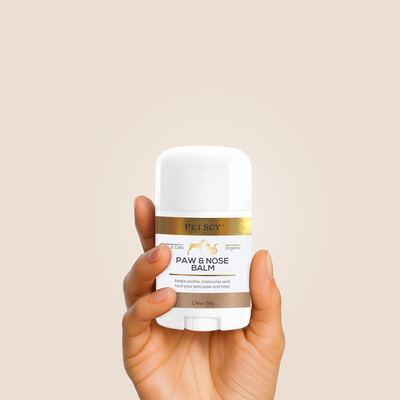
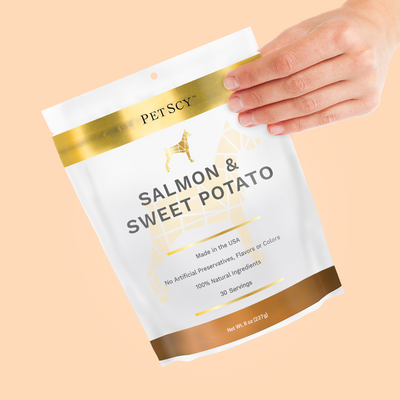
PetScy's Paw & Nose Balm is one example of a dog-care product positioned for dry or cracked paws and noses. Compare it with other formulas by reading the full label, considering your dog's sensitivities, and asking your veterinarian about persistent lesions, discomfort, or licking.
A vet-formulated product supports routine barrier care. It does not replace an examination when dryness keeps returning, because a softer surface can mask an unresolved skin problem rather than repair it.
Building a Long-Term Paw and Nose Care Routine
A good routine starts after the walk, not when a crack appears. Combine inspection, exposure control, and targeted topical care. Check paws after contact with hot, rough, salted, or chemically treated surfaces. During ordinary handling, observe the nose for gradual thickening or texture changes.
Adjust care to the conditions:
- Dry indoor periods: Apply a thin layer to intact, rough skin and note how quickly dryness returns.
- Harsh outdoor conditions: Use balm before exposure when suitable, then clean and inspect the paws.
- Wet or muddy walks: Dry between the toes first, so the product does not trap moisture or debris.
- High-activity days: Check for abrasions, tenderness, or altered gait before applying more balm.
A simple decision framework
Mild dryness that remains intact and improves with gentle cleaning and consistent balm can usually be monitored as part of routine barrier care. Record the response rather than repeatedly increasing the amount. Balm moisturizes the surface, but persistent recurrence suggests that irritation, allergy, infection, friction, or another condition may be preventing true barrier repair.
Persistent licking, inflammation, or a problem that returns in the same place warrants veterinary advice. If the nose becomes markedly thickened, cracked, bleeding, or painful, stop treating it as a cosmetic dryness issue. Nasal hyperkeratosis can affect the nose and paws, with frequency varying among breeds, as described in this veterinary dermatology study.
Daily care should make the skin calmer over time. If it doesn't, change the question from “Which moisturizer should I try?” to “What is keeping this skin irritated?”
Keep a brief record of the product used, walking surfaces, licking, cracking, and comfort. These details help your veterinarian distinguish temporary barrier stress from a problem needing targeted treatment.
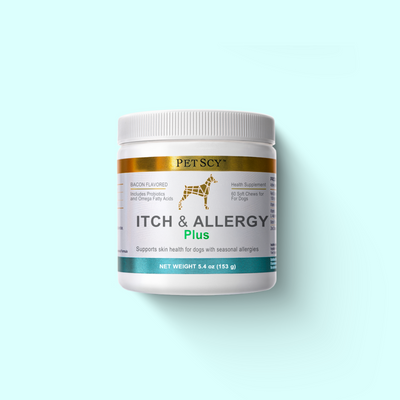
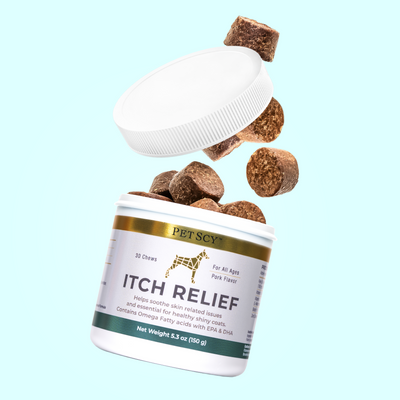
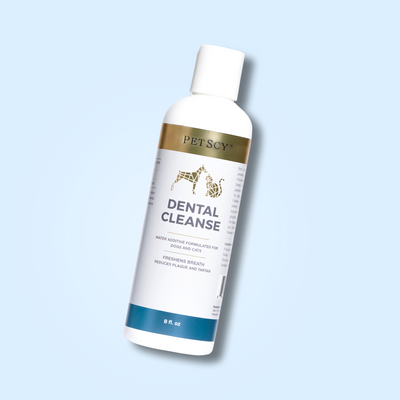
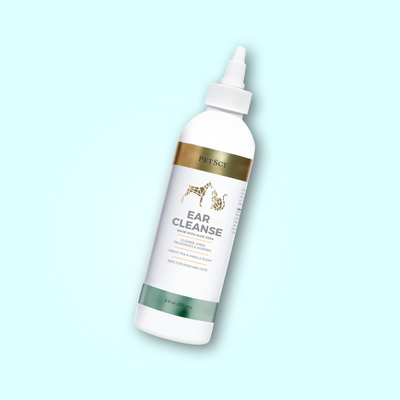
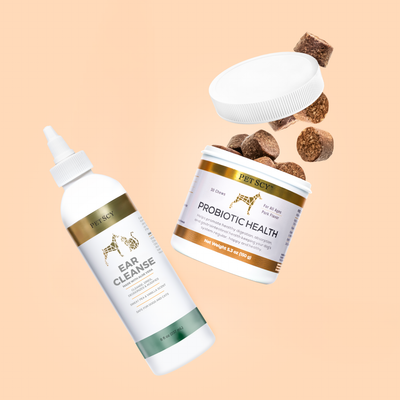
PetScy offers veterinarian-formulated topical and wellness products, including Paw & Nose Balm for dry or cracked skin, alongside options for allergy, ear, dental, and skin support. Visit PetScy to compare products and shape a routine around your dog's needs. A balm can support surface comfort, but recurring dryness still deserves an examination.