










Seasonal Allergies & Paw Licking — Reduces Itch & Supports Skin Barrier.
Late summer can turn a calm household into a nightly chorus of licking. Your dog was comfortable through winter, then outdoor walks became longer, pollen settled on the grass, and the paws that looked normal now seem pink, damp, or stained from saliva. The first response is often a rinse or a soothing balm, but recurring paw licking deserves more thought than “my dog is itchy.”
The useful question is whether you're interrupting a barrier-inflammation loop. Allergens trigger inflammation, inflammation increases itch, licking injures the outer skin, and the damaged barrier becomes more vulnerable to moisture, microbes, and further irritation. This guide helps you recognize that pattern, build a low-risk home routine, choose veterinary support when needed, and track whether the skin is recovering. For wider background on environmental triggers and treatment categories, this pet allergy treatment guide offers helpful context, and you can also review these signs in this overview of dog allergies.
Table of Contents
- Why Seasonal Allergies Make Dogs Lick Their Paws So Much
- How to Tell If Paw Licking Is Allergy Related
- At Home Plan to Reduce Itch and Support the Skin Barrier
- Vet Guided Options for Diagnosis and Lasting Relief
- Using Supplements and Topicals Safely and Effectively
- Tracking Progress and Knowing When to Escalate Care
Why Seasonal Allergies Make Dogs Lick Their Paws So Much
A dog with seasonal allergies often doesn't sneeze the way a person does. Instead, the discomfort shows up where the body meets the environment, especially on the feet. Grass, pollen, damp leaves, and other outdoor irritants contact the paw pads and the skin between the toes. Your dog then licks that area to soothe the sensation, but repeated moisture and friction can keep the skin inflamed.
The pattern can be easy to miss at first. A dog may lick after a walk, stop during the day, and start again at bedtime. Over time, the pauses become shorter, the skin becomes more sensitive, and the dog may chew between the toes rather than grooming. That change matters because licking is no longer just a reaction to exposure. It has become part of the injury.

The paw is often the first visible signal
Seasonality is common, but it isn't universal. One veterinary source reports that 40% to 75% of canine atopic dermatitis cases have seasonality, while a research summary found a recognizable seasonal pattern in 50.4% of affected dogs. Among dogs with that pattern, worsening was most often reported in summer, at 63.2%, with another 31.2% worsening in spring or autumn. These figures come from the EAACI veterinary dermatology research summary.
The same summary reported paw licking or chewing in 53% to 63% of dogs with allergy-related signs. Recurrent itching most often involved the fore paws, 58% of cases, and the hind paws, 36%, supporting what many pet parents observe at home. Paws can reveal the problem before the dog develops obvious generalized scratching.
A seasonal flare doesn't prove an allergy. Persistent licking can also reflect a splinter, nail injury, contact irritation, pain, parasites, yeast, or bacteria. If the paw is swollen, hot, wet, foul-smelling, bleeding, or open, skip prolonged home experimentation and arrange a veterinary examination.
How to Tell If Paw Licking Is Allergy Related
Allergy-related licking usually has a pattern, not just a location. Look at when it starts, which paws are involved, what else changes, and whether the behavior continues when your dog isn't outdoors. A simple log for several days can reveal more than a single glance at the paw.
Seasonal disease commonly affects the feet, ears, and face together. A large 2025 study reported paw pruritus in 56% of dogs with atopic dermatitis and ear pruritus in 48.1%, according to the published clinical characteristics study. Those figures don't diagnose your dog, but they make a combination of paw licking and recurrent ear discomfort more suggestive of an allergic skin pattern than an isolated foot injury.
Use a pattern checklist

Record the following observations rather than guessing at the cause:
- Timing: Does licking appear during a repeatable season, after time in grass, or following damp outdoor conditions?
- Distribution: Are several paws involved, especially the spaces between the toes, with ear, face, belly, or armpit irritation too?
- Frequency: Is your dog licking briefly after exposure, or returning to the paws throughout the day and night?
- Skin appearance: Is the skin mildly pink and intact, or is there swelling, crusting, hair loss, moisture, or an open sore?
- Competing explanations: Does your dog focus on one paw after exercise, or lick mainly when alone, bored, anxious, or settling down?
A single painful paw points more strongly toward a local problem than a symmetrical seasonal flare. Licking that happens only when your dog is alone may have a behavioral component, though anxiety and allergies can coexist. A musty or sour odor, greasy skin, discharge, or worsening redness raises concern for secondary infection and needs professional assessment.
Know when observation has ended
Home monitoring is reasonable only when the irritation is mild, the skin remains intact, and your dog is otherwise eating, sleeping, playing, and behaving normally. Don't keep testing new products if licking is increasing or spreading. A dog that repeatedly wakes to lick, breaks the skin, develops a hot spot, or shows painful swelling needs a veterinary plan.
Emergency signs are different. Facial swelling, breathing difficulty, collapse, or rapidly developing widespread hives calls for immediate veterinary care. Paw licking itself is rarely an emergency, but it can become a gateway to infection when the dog repeatedly traumatizes already inflamed skin.
At Home Plan to Reduce Itch and Support the Skin Barrier
The safest home routine removes exposure without stripping the skin. It also prevents the paw from staying damp, because moisture trapped between toes can make an already irritated area more uncomfortable. Consistency matters more than collecting a shelf of sprays, balms, and shampoos.

Build the daily sequence
- Inspect before you rinse. Check pads, nails, and toe webs for a thorn, split nail, stuck grass awn, cut, or focal swelling. A rinse won't solve a foreign body or painful injury.
- Rinse after outdoor exposure. Use cool or lukewarm water to remove surface pollen and dust. You don't need to scrub aggressively. Friction can worsen an irritated barrier.
- Dry between the toes. Press with a soft towel rather than rubbing. Dampness left in the toe webs encourages more licking and makes it harder to tell whether the paw is improving.
- Use a dog-safe topical sparingly. A veterinarian-recommended balm can reduce dryness and friction on intact pads. Keep it away from open, wet, infected, or very painful areas unless your veterinarian directs otherwise.
- Interrupt the licking cycle. Offer a chew, food puzzle, quiet rest, or supervised activity after the routine. If your dog immediately removes every topical, ask your veterinary team about a safe protective strategy rather than repeatedly reapplying it.
- Reduce indoor carryover. Wash bedding and vacuum resting areas regularly. If you're changing household products, review guidance on choosing non-toxic cleaning solutions and avoid heavily fragranced cleaners around an already reactive dog.
Protect the barrier without overdoing it
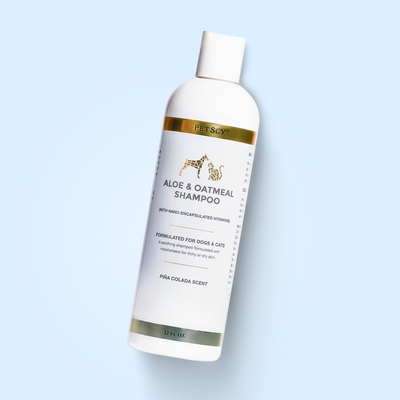
Gentle grooming can remove allergens caught in the coat, but vigorous brushing over red skin causes more trauma. A dog-specific, fragrance-free shampoo may help remove irritants when bathing is appropriate. Rinse thoroughly, dry completely, and stop if the skin becomes tighter, redder, or itchier afterward.
Barrier principle: Comfort is only half the job. A routine should also reduce friction, preserve surface lipids, and keep damaged skin from becoming a route for secondary problems.
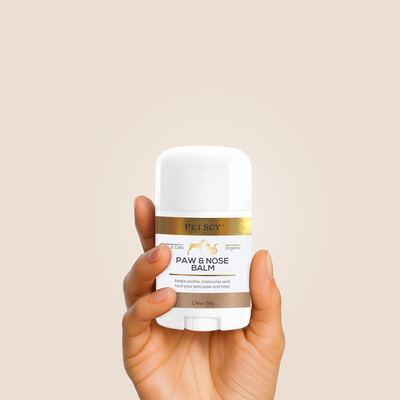
Bedding care helps because allergens don't stay outdoors. Wash blankets with a mild, fragrance-free detergent and rinse well. Vacuum rugs and the places your dog sleeps, and consider whether scented floor products, fabric sprays, or recently changed detergents are adding contact irritation. For a product-focused discussion of paw moisturization, see this guide to paw and nose balm for dogs.
Avoid undiluted vinegar, essential oils, human anti-itch creams, and strongly scented products. A soothing sensation doesn't prove that the barrier has improved. In a 2024 randomized, double-blinded study, a 50/50 vinegar-water spray did not lower skin pH or improve dermatitis during allergen challenge, as reported in the open-access veterinary study. That's a useful reminder that familiar home remedies can waste time or irritate inflamed skin.
Vet Guided Options for Diagnosis and Lasting Relief
A veterinary visit should do more than confirm that your dog is itchy. The clinician will look for parasites, foreign material, nail disease, bacterial or yeast overgrowth, ear involvement, and patterns that fit atopic dermatitis. Depending on the findings, the workup may include skin cytology, scrapings, ear samples, treatment trials, or a structured food trial.
Environmental allergy testing generally becomes useful after more common causes have been considered. Its main value is helping a veterinarian design allergen-specific immunotherapy, not replacing the physical examination. Bring your licking log, photos taken during a flare, product labels, and a list of everything applied to the paws.
Vet Guided Options Compared
| Approach | Primary Goal | Barrier Impact | Best For |
|---|---|---|---|
| Anti-itch prescription medication | Reduce itch and inflammation | May calm the inflammatory burden, but may not rebuild damaged lipids by itself | Dogs needing faster relief during an active flare |
| Topical medicated therapy | Address local inflammation, bacteria, yeast, or surface irritation | Can support local recovery when the formulation matches the problem | Paw or skin disease that is localized and suitable for topical care |
| Lipid or ceramide-directed topical care | Support stratum corneum structure and surface comfort | Directly targets barrier components, with results dependent on formulation and adherence | Dogs with dry, compromised skin as part of a broader plan |
| Allergen immunotherapy | Reduce sensitivity to identified environmental allergens over time | Successful immunotherapy has been correlated with improved barrier function | Persistent or recurring environmental allergy |
| Trigger and parasite management | Reduce ongoing exposure and competing causes | Prevents repeated injury rather than repairing an existing flare alone | Dogs with seasonal exposure, fleas, or environmental contributors |
The distinction between itch relief and barrier repair matters. Veterinary reviews report that ciclosporin and prednisone did not significantly improve water loss in a preliminary study, while successful allergen immunotherapy correlated with improved barrier function. That doesn't make anti-inflammatory treatment unhelpful. It means a dog may feel better before the outer barrier is fully restored.
A biopsy-based study found that repeated application of a topical skin lipid complex increased the proportion of inter-corneocyte space occupied by lamellar lipids from 31.8% in untreated control skin to 74% after treatment, according to the Veterinary Dermatology report. The finding supports targeted lipid replacement, but it shouldn't be translated into a promise that every balm will produce the same result. Product composition, diagnosis, application technique, and adherence all influence the outcome.
Using Supplements and Topicals Safely and Effectively
Supplements and topicals work best as supporting pieces, not substitutes for diagnosis. A supplement may help the inflammatory environment over time, while a topical can reduce dryness or support the surface. Neither can remove a grass awn, treat an untreated infection, or replace prescription control when a dog is damaging the skin.
Match the tool to the job
Omega-3 supplements are commonly considered for inflammatory and skin support. Choose a product with clearly identified EPA and DHA, ask your veterinarian about suitability, and account for calories and digestive tolerance. Avoid assuming that a human label provides the right amount for a dog.
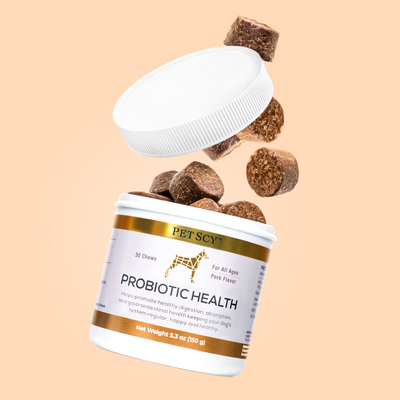
Probiotics may fit a broader gut and immune-support plan, but they aren't a direct treatment for every itchy paw. Product quality and strain selection vary, so introduce one change at a time and keep the rest of the routine stable.
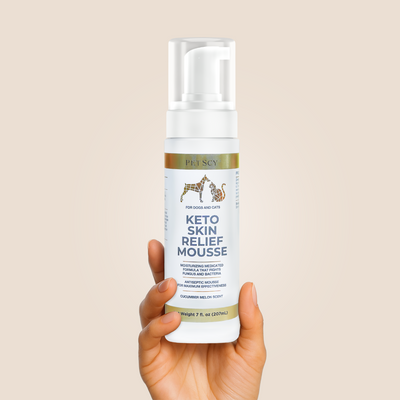
Lipid and ceramide-containing topicals make sense when the aim is barrier support rather than a temporary cooling sensation. Look for a veterinary-formulated product with clear directions, and apply it only to skin that is appropriate for that product. A greasy layer can attract dirt or trigger more licking if your dog dislikes the texture.
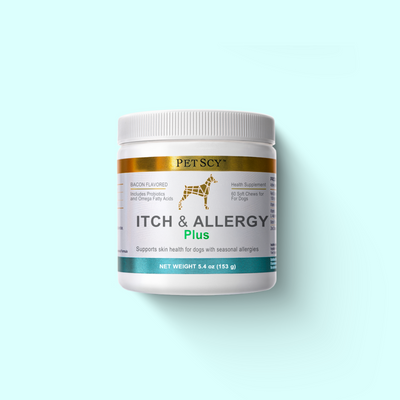
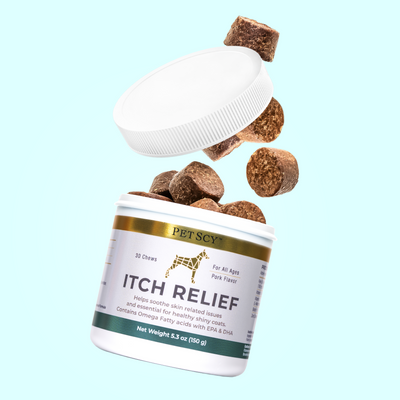
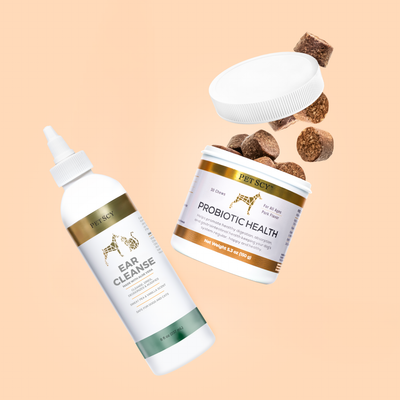
PetScy's Itch & Allergy Plus Chews are one option described as combining probiotics and skin-supporting ingredients for seasonal allergy discomfort and paw licking. Use any supplement as part of the exposure-control and veterinary plan, not as a stand-alone answer. This overview of itch, allergy, and probiotic chews provides additional product context.
Change one variable at a time
Adding a new chew, shampoo, wipe, balm, and diet change together makes the result impossible to interpret. Start with the lowest-risk environmental step, document the paw appearance and licking, then introduce a topical or supplement only if it fits your dog's needs. Stop a product if redness, swelling, discomfort, vomiting, diarrhea, or increased licking appears.
Over-bathing is another common mistake. Washing can remove allergens, but repeated harsh cleansing can remove surface oils and worsen dryness. A topical that merely masks itch may also create false reassurance while TEWL, pH, inflammation, or microbial imbalance continues to deteriorate.
The barrier is measurable. Research describes abnormal lipid lamellae, reduced or abnormal ceramides, and higher TEWL in atopic dogs. A PubMed-indexed review on canine skin-barrier function also found that lesion severity correlated positively with TEWL, with R=0.365 and p=0.0001, and negatively with pH, with R=−0.194 and p=0.03. These measurements explain why “looks a little less red” and “the barrier is recovering” aren't always identical conclusions.
Tracking Progress and Knowing When to Escalate Care
Track the dog, not just the product. Each evening, record how often licking interrupted rest, whether the dog finished meals normally, and whether the paws looked dry, pink, moist, swollen, or broken. Take photos in similar lighting and from the same angle so gradual changes don't rely on memory.
Use three practical progress markers
- Behavior: Licking should become less frequent, less intense, or easier to interrupt. A dog that still licks occasionally but sleeps comfortably may be improving, even if the skin color changes more slowly.
- Appearance: Look for less moisture, reduced redness, fewer cracks, and healthier hair regrowth around the toes. Worsening odor, discharge, heat, swelling, or an expanding sore points away from simple home management.
- Function: Your dog should walk normally, settle normally, and tolerate paw handling without marked pain. Reluctance to bear weight changes the urgency.
Barrier recovery may lag behind itch relief. In veterinary dermatology, TEWL, hydration, and pH are used as noninvasive measures of barrier integrity, and allergen challenge has been shown to increase both pH and TEWL as dermatitis severity rises, according to the 2024 study on canine barrier changes. A veterinarian can use these measures alongside the physical examination when the skin looks better but the licking remains difficult to interpret.
Call for a recheck when the plan isn't producing a clear directional improvement, when flares return repeatedly, or when the dog needs continual intervention to avoid self-trauma. Escalate sooner for open sores, infection signs, marked swelling, severe pain, ear disease, or any emergency allergic reaction. Early treatment can keep a seasonal flare from becoming a persistent cycle of inflammation and barrier injury.
If your dog's paws are caught in a seasonal licking cycle, start with a gentle rinse-and-dry routine, document the pattern, and involve your veterinarian before damaged skin becomes infected. Explore the veterinarian-formulated supplements and topical care options at PetScy to find practical support for itch comfort and everyday skin-barrier care.