











Why Does My Dog Keep Licking His Paws? Causes and Fixes
You're trying to sleep, but your dog is awake beside you, licking one paw with steady, wet clicks. You check the foot and don't see anything obvious. By morning, the fur may look damp or rusty, and the paw may be redder than it was the night before. That's when a normal grooming habit starts to feel like a health problem.
The answer to “why does my dog keep licking his paws?” usually isn't a single diagnosis. Paw licking is a final common pathway for several overlapping problems, including allergic itch, infection, parasites, injury, foreign material, pain, and stress. The pattern matters because a dog licking all four paws needs a different investigation from a dog suddenly fixated on one foot.
Table of Contents
- Understanding the Itch-Lick Cycle in Dogs
- Medical Causes Behind Persistent Paw Licking
- Behavioral Triggers and Environmental Factors
- Diagnostic Cues and When to See a Vet
- Short-Term Relief and Home Care Strategies
- Long-Term Prevention and Skin Barrier Support
Understanding the Itch-Lick Cycle in Dogs
Consider a dog that starts licking after a walk through grass. A small amount of pollen, plant material, or another irritant may bother the skin between the toes. Licking briefly distracts the dog from the discomfort, so the dog repeats it later, often when the house is quiet and there are fewer distractions.
The relief doesn't solve the original irritation. Saliva keeps the area moist, and repeated licking can damage the skin's protective barrier. Once the skin breaks down, yeast and bacteria may multiply more easily, creating additional inflammation and itch. Veterinary references describe this as a self-reinforcing itch-lick cycle, where the response to discomfort becomes part of the problem (canine pododermatitis review).
Why nighttime licking gets your attention
Nighttime can make the behavior seem sudden even when it has been developing for days. Your dog is resting, the room is quiet, and the repetitive sensation may become a self-soothing routine. That doesn't prove anxiety is the cause. Dogs with itchy or painful paws often lick more when they're inactive because they have fewer competing activities.
A dog can also learn the habit after the original trigger has faded. The skin may remain inflamed, or the licking itself may have become rewarding because it temporarily changes how the paw feels. This is why telling a dog to stop rarely works. The discomfort, damaged skin, or emotional trigger still needs attention.
Practical rule: Treat persistent licking as communication. Your dog may be saying, “This foot itches,” “This foot hurts,” or “I'm having trouble settling.”
When grooming becomes excessive
Occasional licking after coming indoors can be normal grooming. Persistent licking looks different. Your dog may interrupt sleep to lick, chew the toes, return to the same paw repeatedly, or resist when you move the foot away. Fur can become stained, skin can thicken, and the paw may develop an odor.
The earlier you identify the driver, the easier it is to interrupt the cycle. A cone or gentle distraction can protect the tissue temporarily, but those measures don't identify the cause. The next step is to look at medical triggers, environmental exposures, and the exact pattern your dog follows.
Medical Causes Behind Persistent Paw Licking
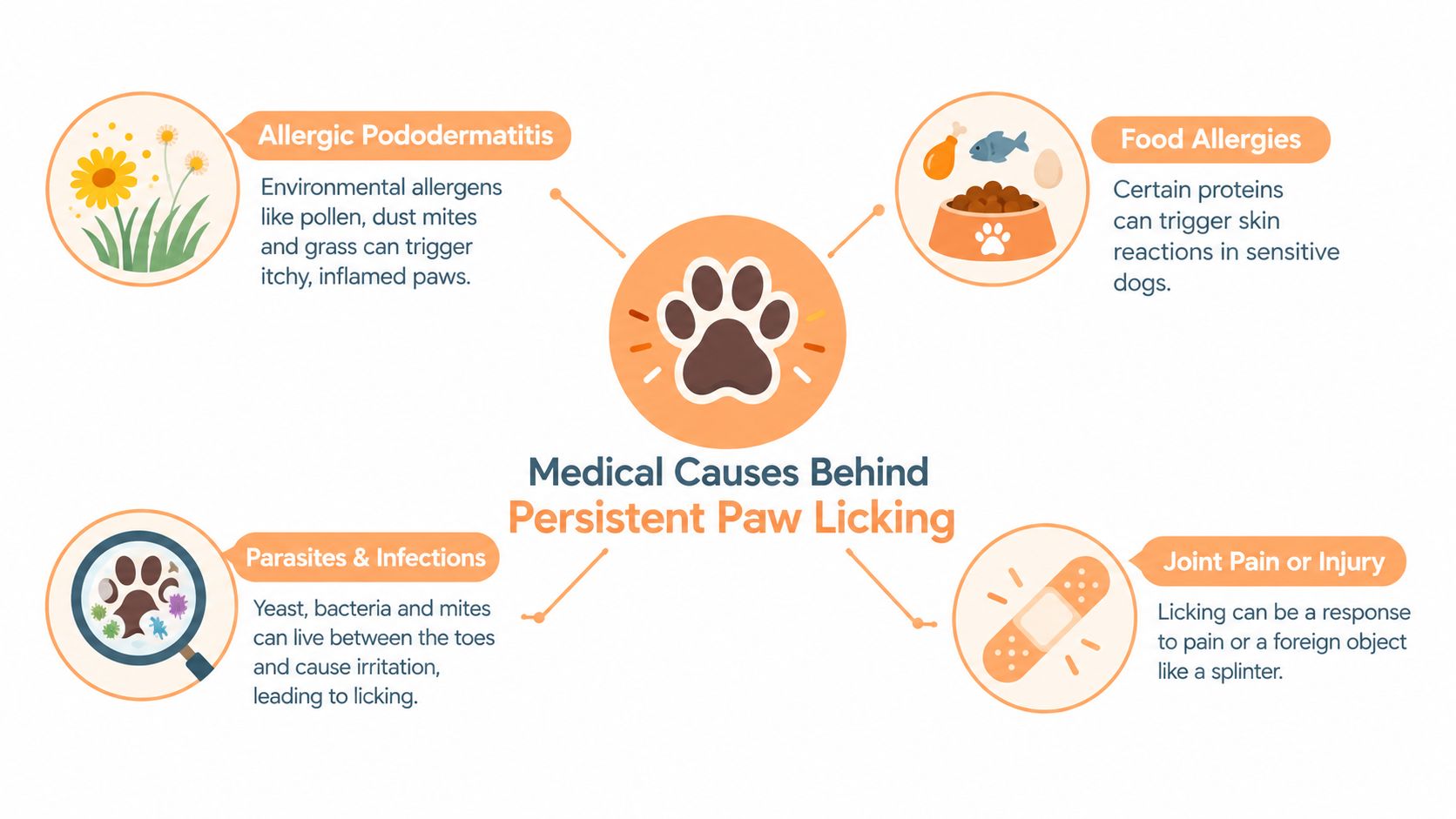
A dog may begin licking after a seasonal flare, then develop sore, infected skin that keeps the behavior going. Paw licking is therefore a final common pathway, not a diagnosis. Allergies, parasites, infection, injury, and pain can all feed into the same itch-lick cycle.
Allergic pododermatitis is a major medical cause of chronic licking. Atopic dermatitis is described as the second most common allergic skin disease in dogs, with signs commonly beginning between 1 and 5 years of age (PetMD's explanation of paw licking). Pollen, grass, molds, and house-dust mites can trigger an overactive immune response when the skin barrier is defective (PetMD's pododermatitis guide).
Allergies, parasites, and infection
Environmental allergies often involve several paws and may worsen after outdoor exposure. Grass, pollen, detergents, household chemicals, and de-icing products can irritate sensitive feet. Flea allergy is also possible, even when fleas are not immediately visible. Environmental control, including pet-safe flea yard treatment, should complement the flea-prevention plan recommended by your veterinarian.
Food allergy can cause itchy paws, but it is only one possible explanation. A veterinarian will consider the dog's complete history, other skin findings, and response to a carefully controlled diet trial before identifying food as the trigger. Repeatedly changing foods without guidance can make the pattern harder to interpret.
Infection often follows inflammation and self-trauma. Moisture between the toes can support yeast or bacterial overgrowth. Odor, redness, discharge, swelling, or moist skin may then intensify the licking. Treating the infection alone can quiet the symptoms temporarily while the original allergy remains active.
Injury and pain deserve equal attention
A thorn, splinter, grass awn, torn nail, cut, burn, or other foreign object can cause intense licking focused on one foot. Joint pain may produce similar behavior, especially if the dog is stiff, reluctant to move, or favoring a limb. One-paw licking points the examination toward injury or pain, while several affected paws make an allergic or environmental cause more plausible, though neither pattern proves the diagnosis.
Several problems can occur together. A seasonal itch may damage the skin, secondary infection may follow, and the resulting soreness may keep the dog licking. A veterinary examination can separate those layers more reliably than random creams or repeated diet changes.
Behavioral Triggers and Environmental Factors
A dog that licks from allergy usually shows physical clues, such as redness, irritation, chewing between the toes, or involvement of multiple paws. A dog that licks from stress may start during a predictable event, such as being left alone, hearing loud noises, or settling after an overstimulating day. These patterns can overlap, so timing alone can't rule out disease.
Boredom can also make repetitive licking more likely. A dog with little exercise, limited exploration, or few opportunities to use its brain may choose a behavior that is always available. Licking can become a coping routine, even after the initial emotional trigger changes.
Compare the context, not just the sound
| Pattern you notice | More consistent with | What still needs checking |
|---|---|---|
| Licking after grass exposure or outdoor activity | Environmental irritation or allergy | Redness, debris, and all affected paws |
| Licking during separation or loud noises | Stress-related self-soothing | Pain and skin disease must still be excluded |
| Sudden focus on one foot | Injury or foreign material | Splinters, torn nails, swelling, and heat |
| Licking with odor or moist skin | Possible yeast or bacterial overgrowth | Veterinary assessment and appropriate treatment |
Household and seasonal exposures can cause direct irritation rather than an emotional response. Detergents, cleaning products, de-icing salts, rough terrain, and wet outdoor surfaces may bother the pads or the skin between the toes. Rinsing or wiping the paws after exposure can reduce residue, but avoid assuming that every flare is behavioral.
If the licking appears during stressful situations and the paws look normal, provide a predictable routine, enrichment, and a calm resting area. Gentle redirection toward a safe chew, a sniffing activity, or a short training game may help. For broader anxiety support, this guide on how to calm an anxious dog offers practical ideas to discuss with your veterinarian.
The key distinction is simple: behavioral support should complement medical investigation, not replace it. A dog can be anxious and allergic at the same time. If the paws are inflamed, the dog is limping, or the licking continues outside stressful situations, arrange a veterinary examination.
Diagnostic Cues and When to See a Vet
Your dog's licking pattern can help you decide what to inspect first. One paw only raises concern about a localized problem, such as a splinter, wound, torn nail, foreign body, or infection. Several paws, especially with seasonal changes or other itchy skin, fit more closely with an environmental allergy pattern. Chronic paw licking is commonly associated with pododermatitis, but the underlying cause still needs to be identified (American Kennel Club guidance on pododermatitis).
A safe paw inspection
Choose a well-lit area and examine the paw only if your dog remains comfortable. Stop if your dog pulls away sharply, growls, cries, or appears frightened.
- Start on top of the foot. Compare it with the other paws for swelling, heat, hair loss, or unusual discoloration.
- Separate the toes gently. Look for redness, trapped plant material, discharge, a small puncture, or a swollen area between the toes.
- Check the paw pads. Look for cracks, cuts, burns, abrasions, embedded debris, or areas your dog guards.
- Inspect the nail beds. A split, broken, loose, or bleeding nail can cause intense licking.
- Note saliva staining and odor. Rust-colored fur suggests repeated moisture exposure, while a strong odor or discharge raises concern for infection.
Record which paws are affected, when the licking occurs, recent walks or chemical exposures, and whether your dog is limping. A short phone video can help your veterinarian understand the frequency and context.
Call your veterinarian promptly for persistent licking with redness, swelling, heat, bleeding, discharge, strong odor, limping, or obvious pain. Sudden intense licking, a visible foreign body, a deep wound, or a dog that won't bear weight shouldn't be managed with repeated home experiments. Your veterinarian may need to examine the skin closely and test for infection, parasites, or another source of pain.
Here's a concise visual guide to the warning patterns:
Short-Term Relief and Home Care Strategies
Home care can protect a paw while you arrange proper evaluation. It shouldn't mask worsening signs or delay veterinary treatment for a painful, swollen, infected, or injured foot.
A gentle cleaning routine
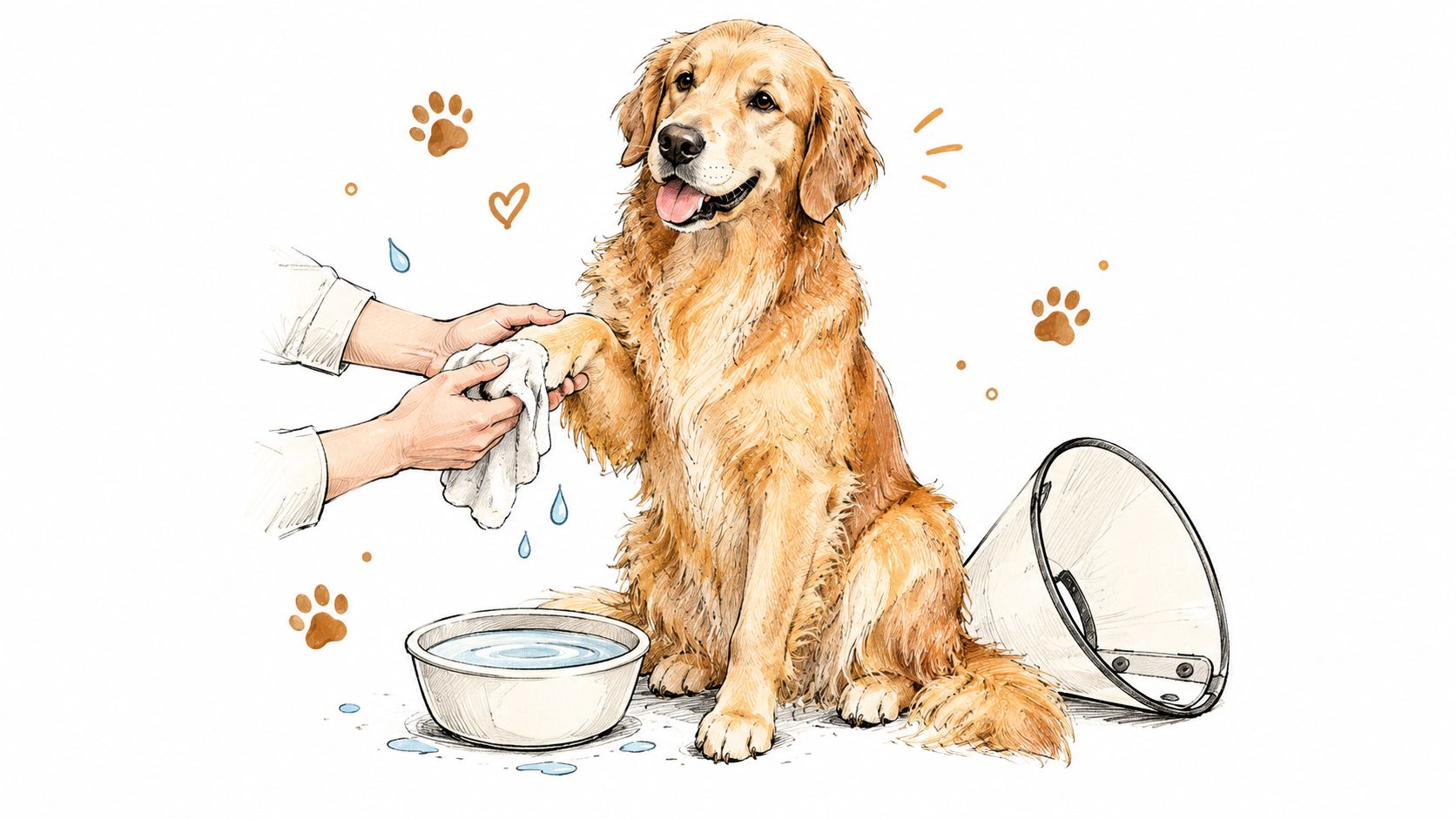
After outdoor exposure, rinse the paws with clean lukewarm water or wipe them with a product designed for dogs. Focus on the pads and spaces between the toes, where grass residue, dust, salt, and other irritants can collect. Pat the feet completely dry, because leaving moisture between the toes can worsen skin breakdown.
Use only pet-safe products. Human antiseptics, essential oils, fragranced lotions, and household disinfectants may irritate damaged skin or be unsafe if swallowed. For a practical reference on choosing and using dog-specific wipes, see antiseptic wipes for dogs.
Interrupt the licking without frightening your dog
If the paw is intact and your dog is comfortable, offer a food puzzle, a safe chew, gentle play, or a short sniffing activity. Redirection works best when you provide an alternative before the licking becomes intense. Scolding can increase stress and may make a self-soothing behavior harder to change.
A recovery cone can prevent access to the paw while irritated tissue heals. A breathable dog boot may help during a brief outdoor trip, but it must fit correctly, stay dry, and be removed regularly so you can inspect the skin. Don't wrap a paw tightly or apply a covering over a damp, infected, or unknown wound unless your veterinarian has advised you how to do it.
Be cautious with topical care
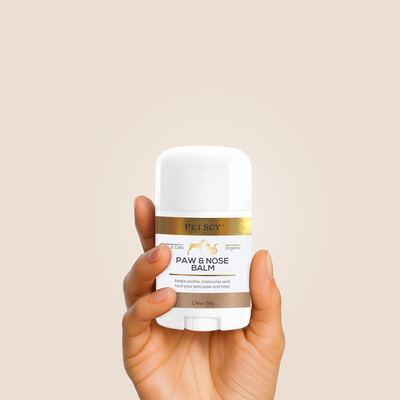
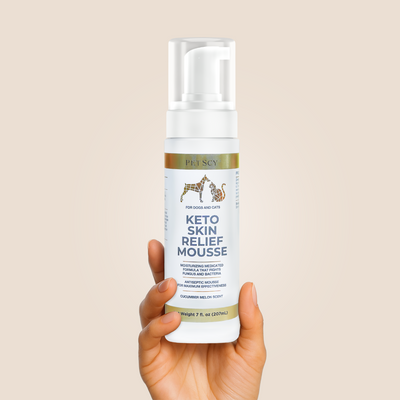
A veterinarian-approved balm may help protect dry, intact pads from environmental irritation. A lightweight product such as PetScy's Paw & Nose Balm is one option for moisturizing dry skin, while a topical product such as Keto Skin Relief Mousse may be relevant to some irritated-skin routines. Use products according to their labels and your veterinarian's advice, especially if your dog immediately licks them off.
Skip home remedies on raw or open skin. If the paw looks worse after cleaning, your dog becomes more painful, or the licking returns as soon as the barrier is removed, stop experimenting and arrange veterinary care.
Long-Term Prevention and Skin Barrier Support
Long-term control starts with identifying the trigger, then reducing the daily load on your dog's paws. For environmental sensitivity, wipe the feet after walks, wash bedding regularly, and choose gentle household cleaners that leave less irritating residue. Keep the spaces between the toes dry after bathing or wet-weather walks.
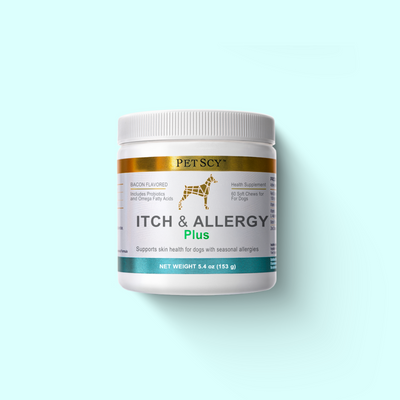
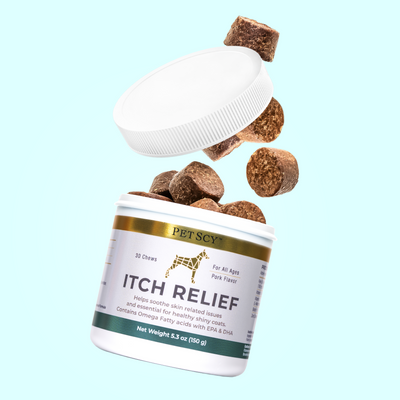
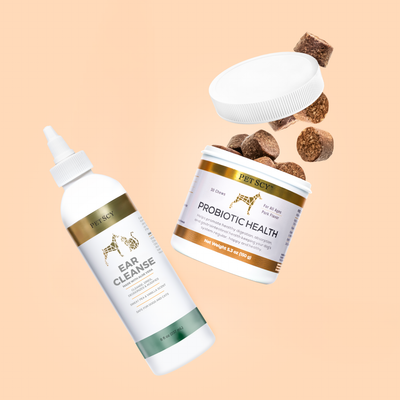
Nutrition may support the skin and immune system, but supplements aren't a substitute for diagnosing infection, parasites, injury, or allergy. Ask your veterinarian whether a probiotic blend or an omega-3 source such as fish oil fits your dog's diet and health history. PetScy's Itch & Allergy Plus Chews combine probiotic and skin-support ingredients, and its Fish Oil provides omega-3 EPA and DHA, but introduce any supplement with professional guidance.
A useful prevention plan often includes:
- Exposure control: Wipe paws after outdoor activity and review grasses, cleaners, detergents, and seasonal irritants.
- Skin maintenance: Keep paws dry, inspect them regularly, and ask about suitable topical care.
- Parasite prevention: Follow a veterinary flea-control plan for your dog and household environment.
- Behavioral enrichment: Provide predictable routines, exercise, sniffing opportunities, and calm alternatives during stressful events.
- Medical follow-up: Recheck recurring redness, odor, swelling, or licking rather than repeatedly treating the visible symptom.
For more ideas on supporting seasonal sensitivity and the skin barrier, explore this guide to seasonal allergies and paw licking. The right plan should make your dog more comfortable while addressing the reason the paws keep demanding attention.
PetScy offers veterinarian-formulated supplements and topical care products for concerns including seasonal allergies, skin support, calming, and daily wellness. Visit PetScy to review options such as itch-support chews, fish oil, paw balm, and skin-care products, then discuss the most appropriate choice with your veterinarian.