











Are Probiotics Safe for Dogs: A Vet-Backed Safety Guide
Yes, probiotics are generally safe for most healthy dogs over short periods. In controlled studies, 20 dogs tolerated 400 billion colony-forming units daily for 60 days without reported side effects, while a separate 12-week study of 11 dogs also reported no adverse effects.
Your dog may be having occasional loose stools, recovering from an illness, or scratching through allergy season, and you're wondering whether a probiotic chew could help. The answer isn't a blanket yes or no. Tolerating a supplement and benefiting from it are different questions, and the evidence for safety is stronger than the evidence for consistent clinical improvement.
That distinction matters because “natural,” “veterinarian-formulated,” and “high potency” are product descriptions, not guarantees. Your dog's health status, the organism in the formula, the dose, manufacturing quality, and any medications all affect whether supplementation is sensible.
Table of Contents
- Understanding What Probiotic Safety Really Means for Dogs
- What Canine Probiotic Studies Actually Show
- Common Probiotic Strains Used in Dogs and How They Work
- Why Product Quality Matters More Than Colony Counts
- When Probiotics May Not Be Appropriate for Your Dog
- Probiotics and Antibiotics What Dog Owners Need to Know
- Making Informed Probiotic Decisions for Your Dog
Understanding What Probiotic Safety Really Means for Dogs
A dog owner might search for probiotics after noticing soft stools or seasonal itching. They may find products promising digestive balance, immune support, and healthier skin, often with impressive colony counts on the label. The natural next question is, “Are probiotics safe for dogs?” But there are really two questions underneath it:
- Can the product cause harm?
- Does it provide a meaningful benefit for this dog and this problem?
The first question has a cautiously reassuring answer for many healthy dogs using studied products for limited periods. The second is much less settled. A review of canine probiotic research found no substantial adverse effects in short-term studies, but concluded that clear clinical benefits hadn't been demonstrated for healthy dogs, acute diarrhea, or chronic diarrhea. A more recent evidence review also described the effects of individual strains, combinations, and potential side effects as insufficiently evaluated (veterinary evidence review).

Safety is not the same as suitability
A supplement can produce no obvious side effects and still be unnecessary, poorly matched to the dog, or ineffective for the condition being treated. A high colony count doesn't prove that the organisms survive storage and digestion. “Natural” doesn't rule out contamination, intolerance, or an interaction with an existing illness.
The same caution applies to the phrase “veterinarian-formulated.” It can be a useful quality signal, but it doesn't replace checking the actual strain, intended use, directions, storage requirements, and warnings.
Practical rule: Treat a probiotic as a targeted supplement, not as a harmless default for every digestive or skin complaint.
For a healthy dog with a short-lived issue, a veterinarian may consider a canine-specific probiotic reasonable. Persistent diarrhea, repeated vomiting, weight loss, blood in stool, or marked lethargy points toward diagnosis rather than repeated supplement trials. A product may support care, but it shouldn't delay finding the cause.
What Canine Probiotic Studies Actually Show
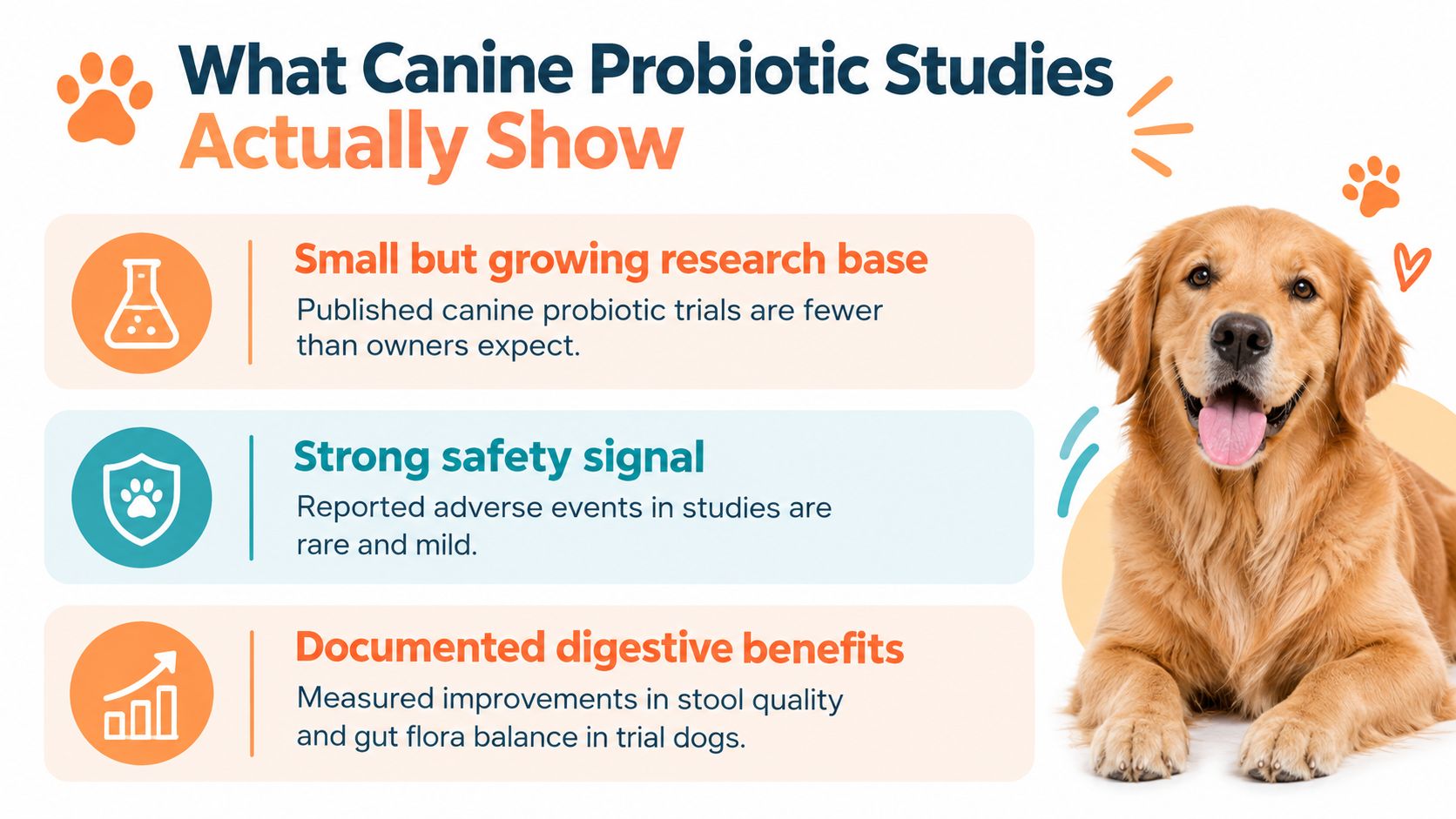
The canine research base is useful, but it's smaller and more strain-specific than product marketing often suggests. The available trials establish that some preparations have been tolerated in particular dogs at particular doses. They don't establish universal safety for every formula.
In a 2020 controlled trial, 20 healthy dogs received either standard food or food supplemented with 400 billion colony-forming units of a lyophilized bacterial mixture each day for 60 days. Researchers reported no side effects, and the dogs remained healthy. They also found no meaningful differences between groups in food intake, weight loss, or serum biochemical values, which suggests no measurable toxicity or systemic disruption at the tested dose and duration (2020 canine probiotic trial).
A separate randomized study followed 11 client-owned dogs with atopic dermatitis for 12 weeks. Seven received Bifidobacterium longum and four received placebo. No adverse effects were reported during treatment or after the experimental period. These findings are encouraging for short-term tolerability, including in dogs with a chronic inflammatory skin condition, but the sample was too small to identify very rare reactions.
The larger study still calls for caution
A 2023 veterinary clinical study screened 89 dogs, comparing 48 dogs receiving Escherichia coli Nissle 1917 with 41 receiving placebo. Adverse events occurred in 12.5% of probiotic-treated dogs and 4.5% of placebo-treated dogs. The difference wasn't statistically significant, with P = 0.28, and investigators classified only one event, a self-limiting vomiting episode, as possibly caused by the probiotic (2023 clinical safety study).
Reported events included diarrhea, vomiting, abnormal liver-enzyme activity, a kidney tumor, and bloody stool. That list doesn't mean the supplement caused each problem. It shows why researchers record every adverse event and why “safe” shouldn't mean “incapable of causing a reaction.”
The practical conclusion is narrow but valuable: several preparations were tolerated for periods ranging from 60 days to 12 weeks. The evidence doesn't show that every strain, dose, combination, or commercial product carries the same risk profile.
Common Probiotic Strains Used in Dogs and How They Work
A probiotic label names an organism, but the name alone doesn't tell you how well it fits your dog's situation. Strain identity matters because different organisms behave differently in the gastrointestinal tract, and evidence for one strain can't automatically be transferred to another.
Common ingredients include Lactobacillus acidophilus, Bifidobacterium animalis, Enterococcus faecium, and the yeast Saccharomyces. The 2023 canine safety study examined Escherichia coli Nissle 1917, but its use in dogs shouldn't be treated as proof that all E. coli products are interchangeable or broadly appropriate.
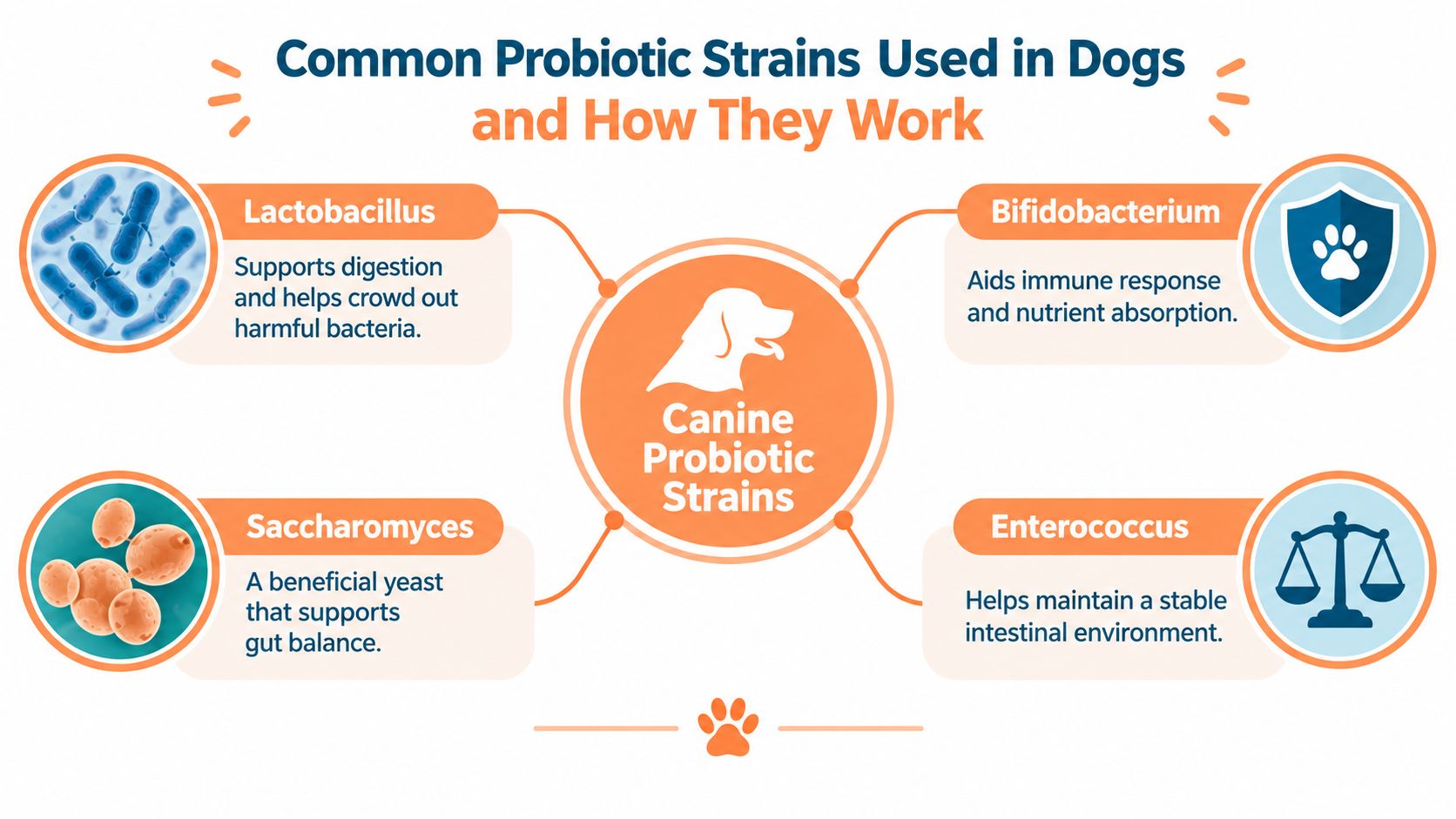
What the main groups are intended to do
- Lactobacillus: Often included in digestive-support formulas. These bacteria may compete with less desirable organisms and contribute to a balanced intestinal environment, but the effect depends on the specific strain and formulation.
- Bifidobacterium: Commonly used to support gastrointestinal balance. Bifidobacterium longum has been studied in dogs with atopic dermatitis, with no adverse effects reported in the small trial described above.
- Enterococcus: Enterococcus faecium appears in canine products intended to support stool quality and intestinal stability. Its presence on a label doesn't establish that a particular product will help your dog.
- Saccharomyces: A beneficial yeast rather than a bacterium. It may be useful in some gut-support strategies and has been studied in connection with antibiotic-associated microbiome changes, although a favorable microbiome shift isn't the same as proven symptom prevention.
A useful guide to probiotic supplements for digestive balance can help explain how products differ, but your selection should still match the dog, the symptom, and the evidence behind the formula.
The gut microbiome is also only one part of the picture. Diet changes, parasites, infection, inflammatory disease, medication, and food intolerance can all produce similar signs. A probiotic may alter microbial activity without addressing the reason your dog is unwell.
Why Product Quality Matters More Than Colony Counts
A label showing billions of colony-forming units can look persuasive. It's also easy to misunderstand. More organisms on the label don't automatically mean greater safety or better results, especially if the strains aren't clearly identified or the product doesn't protect viable cultures through storage and digestion.
A responsible evaluation starts with the information behind the number:
| Quality question | Why it matters |
|---|---|
| Are the organisms identified beyond a broad genus name? | Strain-specific evidence is more useful than a generic category. |
| Is potency guaranteed through the stated shelf life? | The count at manufacture may not match the count at use. |
| Does the manufacturer verify purity and potency? | Testing can help identify contamination or potency problems. |
| Does the formula suit dogs? | Human and canine products aren't automatically interchangeable. |
| Are directions and storage requirements clear? | Poor handling can reduce viability and create dosing confusion. |
The veterinary review cited earlier found no substantial adverse effects in short-term canine studies, but it also found no clear clinical benefit for healthy dogs, acute diarrhea, or chronic diarrhea. That combination is important. A product can appear well tolerated in limited research while still having uncertain value for the average dog.
The quality signals worth checking
Look for clear strain identification, a use-by date, storage instructions, and a manufacturer willing to explain testing. Membership in the National Animal Supplement Council can indicate participation in industry quality standards, while third-party testing offers additional verification of what the product contains. It isn't a guarantee of clinical effectiveness, but it's more meaningful than a large front-label number.
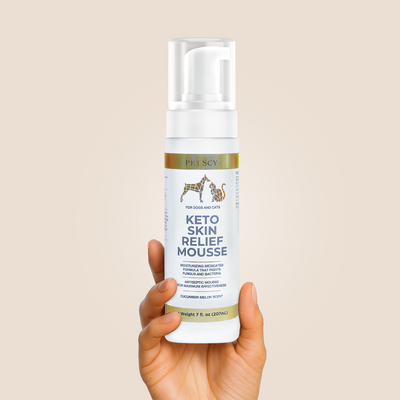
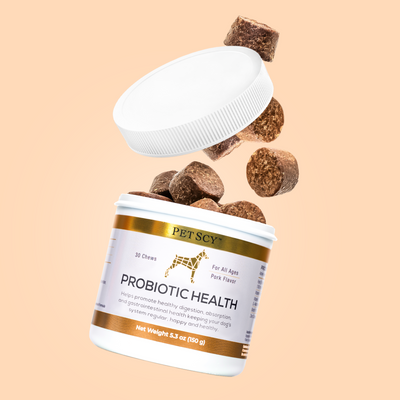
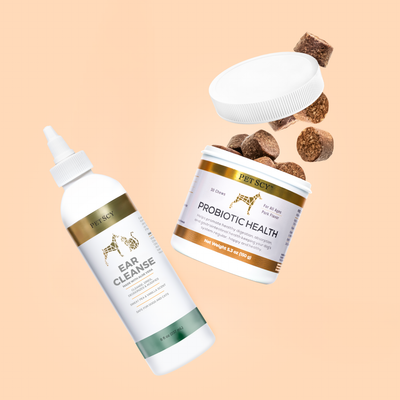
For owners comparing options, PetScy's Probiotic Health Chews are described as a canine probiotic blend for digestive and immune support. The product sits in the same category as other dog-specific supplements, so the sensible approach is to review its directions and quality information alongside competing products rather than assuming the label settles the question.
You can also learn why third-party testing supports product verification. The central principle remains simple: evaluate the whole product, not one marketing claim.
When Probiotics May Not Be Appropriate for Your Dog
Short-term tolerability data shouldn't be used to reassure every dog. The evidence is particularly limited for dogs that are immunocompromised, critically ill, hospitalized, or severely debilitated. Those animals may have a different risk profile, and their underlying condition deserves priority over routine supplement experimentation.
Veterinary input is also important when gastrointestinal symptoms persist. Diarrhea, vomiting, unexplained weight loss, or reduced appetite can reflect infection, parasites, dietary disease, inflammatory conditions, obstruction, or another problem that a probiotic won't diagnose.
Use a simple stop-and-check rule
Some dogs may experience temporary gas, softer stools, or a mild change in bowel habits after starting a supplement. If the change is mild, monitor closely and contact your veterinarian if it doesn't settle or if your dog's overall condition worsens.
Stop the supplement and seek veterinary advice promptly for:
- Persistent vomiting: Repeated vomiting can lead to dehydration and may signal more than routine intolerance.
- Worsening diarrhea: Escalating or ongoing diarrhea needs assessment rather than another product trial.
- Blood in stool: Bloody stool is a warning sign, especially when paired with weakness or abdominal discomfort.
- Dehydration: Dry gums, marked weakness, or inability to keep water down require prompt attention.
- Fever or lethargy: A dog that seems unusually dull or unwell may need examination and testing.
A probiotic should support a treatment plan, not conceal the need for one.
Before starting anything, tell your veterinarian about prescription medicines, chronic disease, immune problems, recent procedures, and previous reactions to supplements. Don't use a probiotic to postpone care when your dog's symptoms are severe or unexplained.
Probiotics and Antibiotics What Dog Owners Need to Know
Antibiotics can alter intestinal communities, but that doesn't mean a probiotic will reliably prevent diarrhea afterward. The result depends on the antibiotic, the organism used, the dog's health, the dose, the timing, and the outcome being measured.
In one controlled canine study, a synbiotic given after enrofloxacin and metronidazole reduced some food-intake disturbances but didn't significantly prevent vomiting. A perioperative study found that a veterinary probiotic failed to improve diarrhea-related outcomes in dogs receiving cefazolin. A 2025 study of Saccharomyces cerevisiae reported favorable microbiota shifts and possible attenuation of metronidazole-associated dysbiosis, but microbiome improvement isn't the same as proven symptom prevention (canine antibiotic and probiotic evidence).
Don't reduce the question to timing
Owners are often told to separate probiotics and antibiotics by a few hours. That may be a practical instruction for some bacterial products, but it doesn't answer whether the product is appropriate or whether it will prevent symptoms. A yeast-based product, a bacterial strain, and a multi-organism blend may not behave identically.
The safest process is:
- Give the antibiotic exactly as prescribed. Don't stop, skip, or change the dose because your dog seems better.
- Ask before adding a probiotic. Your veterinarian can consider the infection, medication, immune status, and digestive history.
- Use the recommended spacing and product directions. Timing may matter, but it's only one part of the decision.
- Track the dog, not just the stool. Monitor appetite, vomiting, diarrhea, water intake, hydration, and energy.
- Escalate persistent signs. Ongoing or severe symptoms need veterinary assessment, not repeated changes between supplements.
For a practical discussion of dog probiotics after antibiotics, focus on the specific medication and recovery pattern rather than assuming every antibiotic course calls for the same supplement.
Making Informed Probiotic Decisions for Your Dog
The most responsible decision combines three questions: Is this dog low risk? Is there a clear reason to try a probiotic? Can this particular product be evaluated? A healthy dog with a short-term digestive concern may be a reasonable candidate for a monitored trial. A dog with serious illness, immune compromise, persistent symptoms, or multiple medications needs individualized veterinary guidance first.
Use this checklist before buying:
- Identify the strains: Look for specific organisms and, where available, strain-level information.
- Check quality controls: Review testing, storage, expiry information, manufacturing details, and any NASC membership.
- Match the product to the goal: A digestive formula isn't automatically suitable for itching, chronic disease, or antibiotic recovery.
- Start with observation: Record stool quality, appetite, energy, vomiting, and skin changes before and after introduction.
- Set a stopping point: If the dog worsens or shows warning signs, stop self-treatment and contact the veterinarian.
The evidence supports short-term tolerability for several studied preparations, but it doesn't prove that every dog needs probiotics or that every product works. That's why the best choice is usually less about chasing the highest colony count and more about matching a clearly identified product to a clearly defined need.
If your dog has a complicated diagnosis or you're unsure what to ask at an appointment, guidance on finding comfort in diagnosis talks can help you prepare focused questions. A good conversation should cover the suspected cause, treatment alternatives, medication interactions, warning signs, and whether supplementation adds meaningful value.
For many owners, the answer to “are probiotics safe for dogs?” is cautiously positive, not automatic. Use a dog-specific product, introduce it thoughtfully, monitor the response, and involve your veterinarian whenever the dog is medically vulnerable or the symptoms don't resolve.
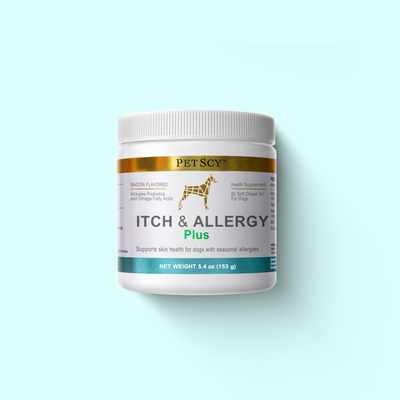
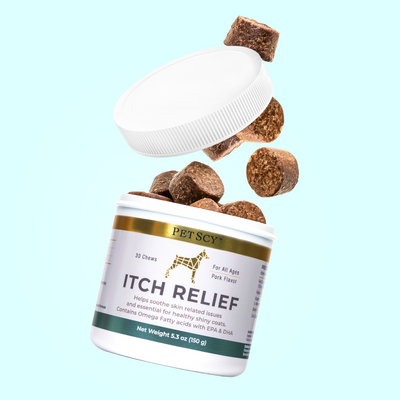
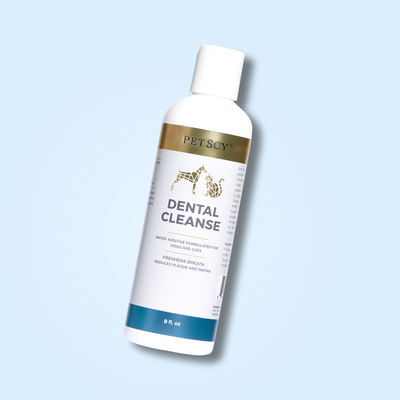
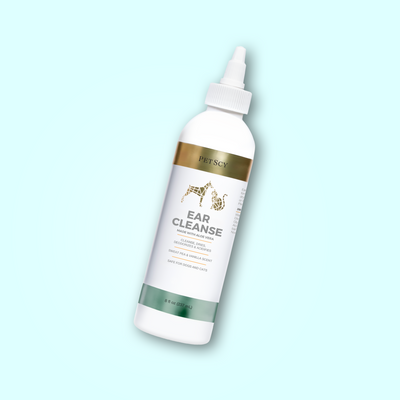
PetScy offers veterinarian-formulated dog supplements including Probiotic Health Chews for digestive and immune support, along with products for allergies, skin, dental care, calming, and joint support. Review the available options at PetScy, and choose supplementation with your dog's specific needs and veterinary advice in mind.