









Best Supplements for Senior Dogs: A Practical 2026 Guide
Your dog still wants the walk. That's the part people miss. The problem isn't motivation. It's that getting up takes longer, the curb looks higher than it used to, and slick floors suddenly require a plan.
That's usually the moment owners stop wanting generic “senior support” and start wanting actual answers. Not another tub of vague chews. Not another label with twelve ingredients and no clear reason to use any of them.
Here's my view. The best supplements for senior dogs should be chosen by symptom pattern, not by trend. If your dog is stiff in the morning, that's a different stack than a dog who seems mentally dull, paces at night, or has gone from iron stomach to fussy digestion. Aging doesn't hit every dog the same way, and the most useful supplement plan reflects that.
I'm going to be blunt about what has real backing, what's reasonable but secondary, and what often turns into supplement clutter. You'll also see how to build a simple regimen instead of throwing six products at the bowl and hoping one works.
Table of Contents
- When a Senior Dog Starts Slowing Down
- The Five Systems That Matter Most in Older Dogs
- Joint Support and Omega-3s The Evidence Backbone
- Brain Health Beyond the Buzzwords
- Digestive Skin Coat Dental and Calming
- Dosing Timing and What to Avoid Mixing
- Three Realistic Daily Regimens for Senior Dogs
- Choosing a Product and Talking to Your Vet
When a Senior Dog Starts Slowing Down
The common scene is boring, which is why it matters. Your dog gets up slowly, stands for a second before taking the first step, then loosens up halfway through the walk. Or they hesitate at the hardwood floor, avoid the car, and start choosing the rug over the rest of the house.
That pattern usually tells you more than the birthday does. A giant-breed dog can feel old early. A small dog can stay sharp in one system and struggle in another. Age matters, but presentation matters more.
Read the pattern, not the marketing
Start with the question, “What has changed?”
- Stiff mornings usually point you toward mobility support first.
- Night pacing, confusion, missed cues, or house-training slips make brain support a priority.
- Itchy skin, dry coat, or recurring dullness often push omega-3s higher up the list.
- Loose stool, flatulence, appetite shifts, or post-medication GI wobble can justify digestive support.
- Bad breath and visible tartar deserve dental support, not a random multivitamin.
That sounds obvious, but owners often do the opposite. They buy by ingredient category. Glucosamine for every older dog. Probiotic for every older dog. “Senior formula” for every older dog. That approach creates overlap, wasted money, and no clean way to tell what's helping.
If your dog also struggles with travel, loading in and out of the vehicle, or longer rides to family or a veterinary specialist, practical planning matters as much as supplements. This guide on moving senior pets by car is useful because mobility issues often show up first during transport.
Practical rule: Pick the one system causing the most daily friction and support that first.
What a useful regimen actually looks like
A good senior-dog supplement plan does three things:
- Targets the main complaint
- Uses ingredients with a believable role
- Stays simple enough to monitor
If you can't tell what each product is for, the regimen is already too messy. Older dogs do better with deliberate support, not a pile of “just in case” additions.
The Five Systems That Matter Most in Older Dogs
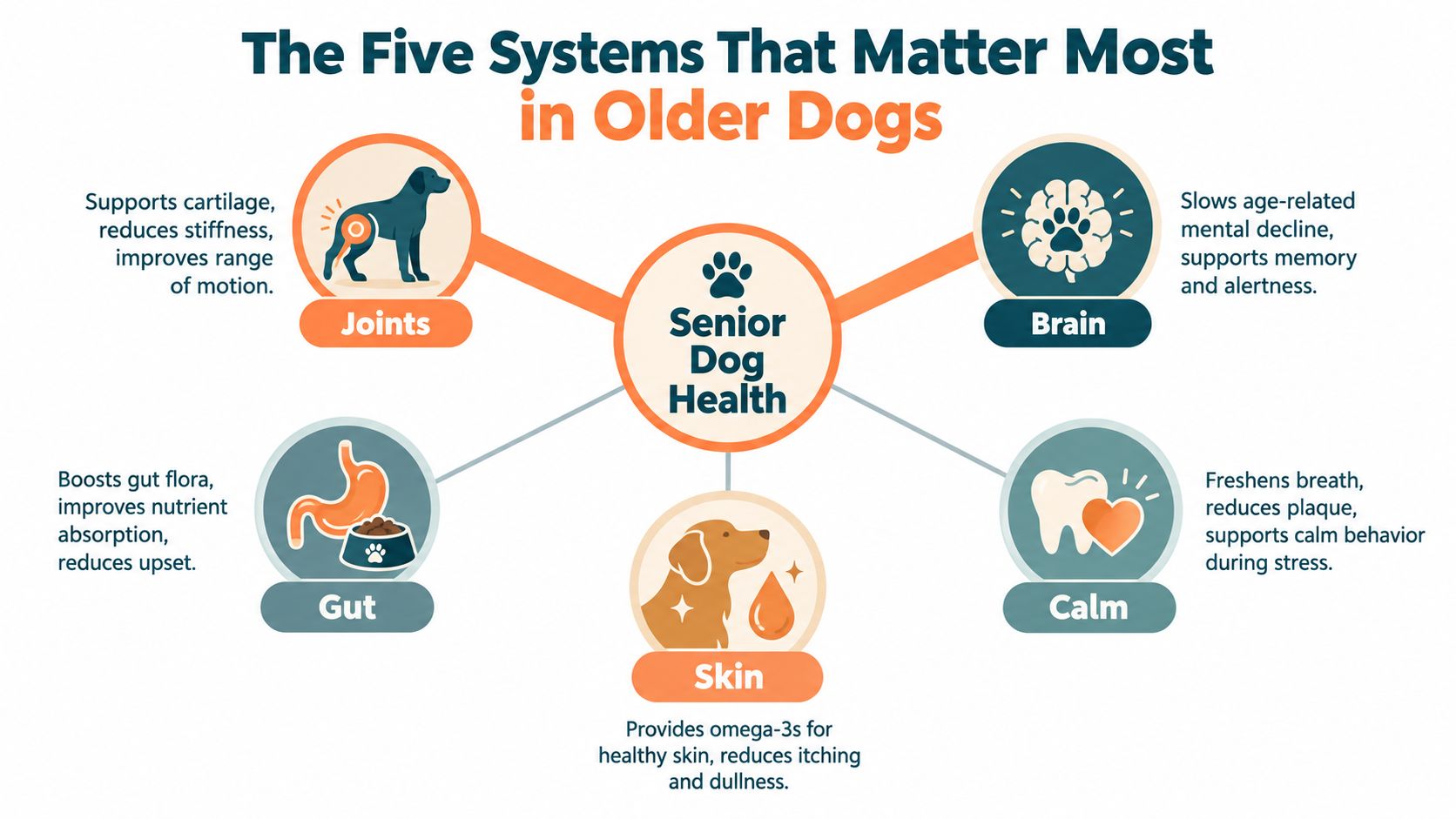
Most senior-dog supplement decisions fall into five buckets. They are not equal. Some have solid clinical footing. Others are worth using only when the dog's symptoms justify them.
Here's the fast view.
| System | What You Notice at Home | Evidence Tier | First-Line Supplement Thinking |
|---|---|---|---|
| Joints and mobility | Slow rising, stiff starts, reluctance on stairs, shorter stride | Strong | Joint support plus omega-3s |
| Cognition | Night pacing, confusion, altered sleep, missed cues | Moderate and improving | DHA/EPA first, then selective add-ons |
| Digestion | Loose stool, gas, appetite wobble, medication-related upset | Variable | Probiotic or fiber support when symptoms fit |
| Skin and coat | Dryness, itching, dull coat, flaky skin | Moderate for omega-3s, thinner for many add-ons | Start with fish oil before extra coat products |
| Dental and calming | Tartar, breath, stress events, nighttime restlessness | Mixed | Water additives for dental care, calming aids for specific situations |
Where the evidence is strongest
Joint support sits at the top because older dogs use these products heavily and for good reason. In a large Dog Aging Project analysis, 61% of senior dogs were reported to receive daily supplements, compared with 37% of puppies, and 52% of all enrolled dogs were taking at least one dietary supplement. Age clearly drove use, with the heaviest use in older dogs (Dog Aging Project analysis).
That doesn't prove every supplement works. It does tell you where owner demand and age-related need converge.
Where owners overbuy
The softer categories are where supplement creep starts.
- Digestive support can help, but it should answer an actual stool or appetite problem.
- Skin formulas often duplicate what good omega-3 support already covers.
- Dental powders and calming chews vary a lot in quality and are often marketed harder than they're validated.
Support one or two systems first. If you start four categories at once, you lose the ability to see cause and effect.
A senior dog with stiff mornings and mild brain fog needs a different plan than a dog with tartar and sensitive digestion. That's the frame to keep.
Joint Support and Omega-3s The Evidence Backbone
If your older dog is slowing down, this is the category to take seriously first. Not because it's trendy. Because it's where the evidence and the world need line up best.
A separate Dog Aging Project study found that 40% of adult dogs received some type of joint supplement, 46.7% were given at least one daily supplement, and 87.8% of those supplement users were specifically receiving a joint-support product (Dog Aging Project joint supplement study). That makes joint support the dominant supplement category in aging-dog care.
What belongs in a mobility stack
Start with the basics.
| Ingredient | Evidence Tier | Primary Action | Best For |
|---|---|---|---|
| Glucosamine | Moderate | Supports cartilage matrix and joint maintenance | Mild daily stiffness |
| Chondroitin | Moderate | Helps support joint structure and cushioning | Dogs already on glucosamine |
| Green-lipped mussel | Moderate | Combines joint-building compounds with marine lipids | Dogs needing broader joint support |
| MSM | Lower to moderate | Added inflammatory support | Dogs already on a core joint formula |
| Undenatured type II collagen | Moderate | Targets joint comfort through immune signaling | Stiff dogs needing another layer |
| Fish oil with EPA and DHA | Strong | Helps modulate inflammation and supports multiple aging systems | Arthritis, stiffness, skin, cognition |
The important point is this. Joint chews are not interchangeable. A formula built around glucosamine and chondroitin is not the same as one that also includes green-lipped mussel or collagen. They can complement each other, but they aren't magic and they won't rebuild worn cartilage.
Why omega-3s deserve equal billing
Fish oil isn't an optional extra if the dog has osteoarthritis signs. It's one of the few senior-dog supplements with useful trial support.
A review of canine osteoarthritis nutrition summarized multiple controlled studies showing that omega-3 enriched diets improved clinical mobility outcomes. In one 90-day randomized, blinded trial, a diet containing 2.9% EPA+DHA beat lower-omega-3 diets for lameness, weight bearing, arthritis progression signs, and overall condition. In another 6-month double-blind trial with 127 dogs, a 3.47% omega-3 diet improved rising from rest by 6 weeks and walking by 12 and 24 weeks compared with a 0.11% omega-3 control food. Another trial reported improvement in arthritis measures after 84 days at around 69 mg/kg/day EPA+DHA (AVMA osteoarthritis nutrition review).
That's why I put fish oil in the backbone tier, not the “nice bonus” tier.
If you need help comparing forms, concentration, and label transparency, this SupplementSource.ca fish oil guide is a practical primer. I'd also compare it against a dog-specific breakdown of the best fish oil for dogs so you can judge EPA and DHA content instead of buying by front-label hype.
Supplements can improve comfort and function. They do not replace weight control, traction, steady exercise, or pain medication when pain is already established.
My recommendation
If your dog has stiff mornings, start with fish oil plus a real joint formula. Not one or the other. That pairing makes more sense than chasing isolated ingredients one at a time.
Brain Health Beyond the Buzzwords
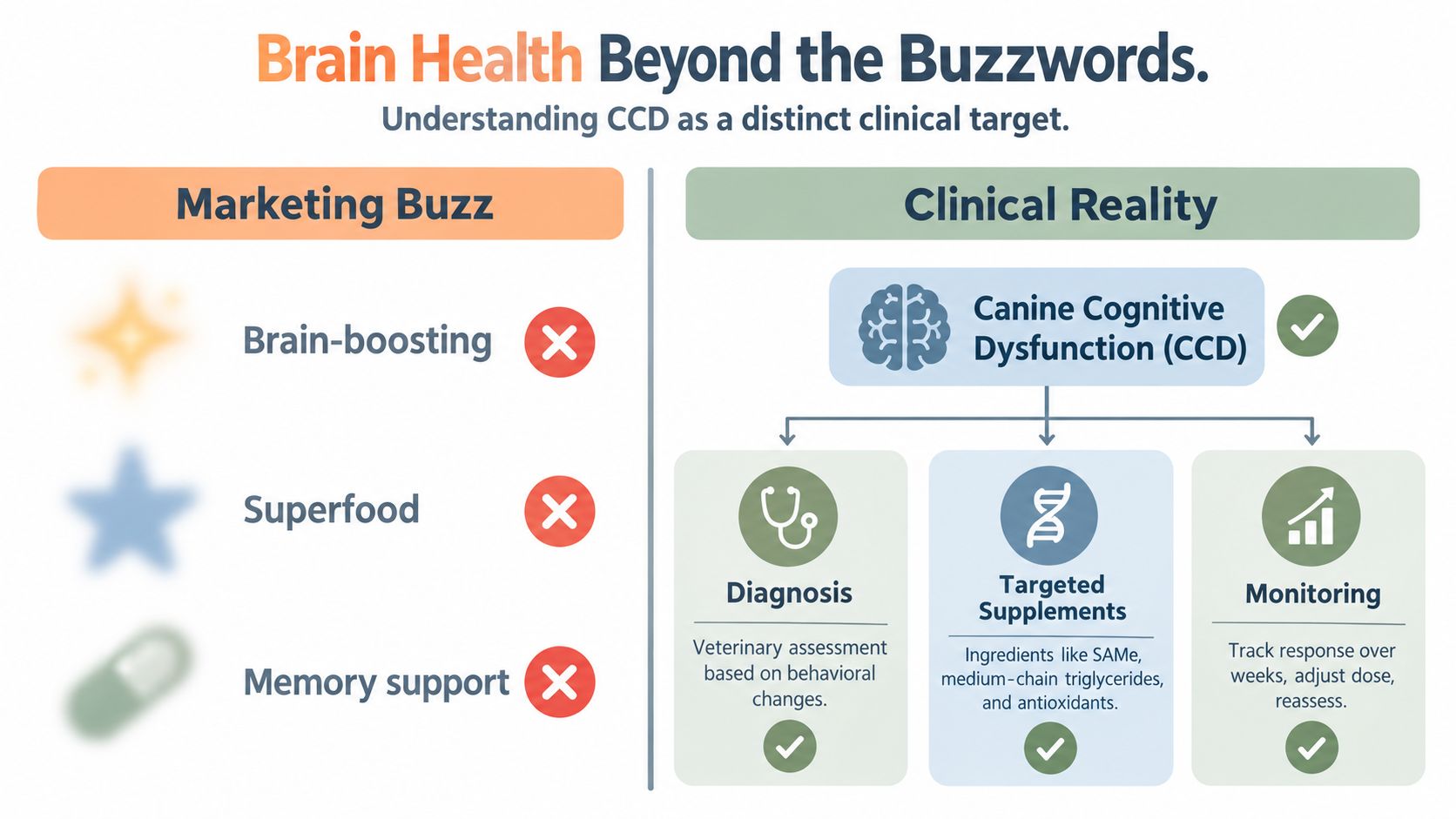
The pet market treats “brain health” like a decorative label. That's lazy. An aging dog who paces at night, seems disoriented, forgets routines, or sleeps at odd hours doesn't need a vague “senior blend.” That dog needs support aimed at cognitive decline as a distinct problem.
That distinction matters because the evidence is not evenly spread across ingredients.
What rises above marketing language
A 2025 systematic review found that omega-3 fatty acids, especially EPA and DHA, had the clearest cognitive benefits in aging dogs, while antioxidants alone were less effective. It also identified SAMe, medium-chain triglycerides, homotaurine, and apoaequorin as promising but earlier-stage options. The same review noted emerging clinical evidence that a senolytic and NAD+ precursor combination may improve owner-assessed cognition and frailty over 6 months in senior dogs (systematic review on cognitive support in aging dogs).
So no, every “brain supplement” is not equal. DHA-forward omega-3 support is the first tier. Antioxidants are support players, not the lead. Newer compounds are interesting, but they're not the place to start.
What to track before you judge a product
Use behavior, not vibes.
- Sleep pattern has your dog started waking, pacing, or vocalizing at odd hours?
- Orientation do they seem lost in familiar rooms or stand facing corners?
- House-training are there new accidents without another medical explanation?
- Social response do they respond more slowly to cues or seem less engaged?
Give a cognitive stack time. These products don't work like sedatives, and they shouldn't.
My recommendation
If the pattern looks cognitive, use omega-3s first, then consider SAMe or MCT support if your veterinarian agrees it fits the dog. I'm skeptical of “memory chews” that hide doses or blend ten trendy ingredients into a proprietary scoop.
Track one behavior at baseline and recheck it consistently. Night pacing, sleep disruption, and cue response are more useful than a general feeling that your dog seems “older.”
Digestive Skin Coat Dental and Calming
These categories matter. They're just not all automatic buys.
A lot of senior dogs already have enough on their plate, and figuratively. So add from these categories only when the symptom pattern justifies it.
Where these categories actually earn a spot
| Category | Best For | Evidence Tier | Add When... |
|---|---|---|---|
| Digestive | Loose stool, gas, appetite inconsistency, post-medication gut changes | Variable | Stool quality or tolerance has clearly changed |
| Skin and coat | Dryness, itching, dull coat | Moderate, mostly through omega-3 support | Fish oil alone hasn't covered the problem |
| Dental | Breath, plaque, tartar, dogs that won't tolerate brushing | Moderate for certain add-ons | Home brushing is poor or impossible |
| Calming | Travel stress, situational anxiety, nighttime restlessness | Mixed | The problem is episodic or tied to sleep patterns |
Dental support has more value than owners think
This one is easy to underrate because it seems cosmetic until the breath gets bad or chewing changes.
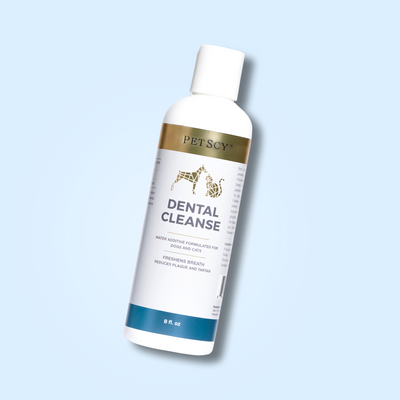
For low-effort daily support, certain water additives and seaweed-based products are worth considering. In a blinded randomized controlled trial, a pomegranate water additive used after professional cleaning reduced plaque by 47% and tartar by 24% over 30 days versus controls. A pilot xylitol-based water additive showed a 5.1% decrease in mean plaque score and a 14.9% decrease in mean calculus score. Independent veterinary literature also reports that Ascophyllum nodosum oral supplementation can reduce plaque and calculus accumulation (Frontiers summary of oral health additive research).
That's enough for me to take dental add-ons seriously, especially in dogs that hate brushing.
Where I'm more selective
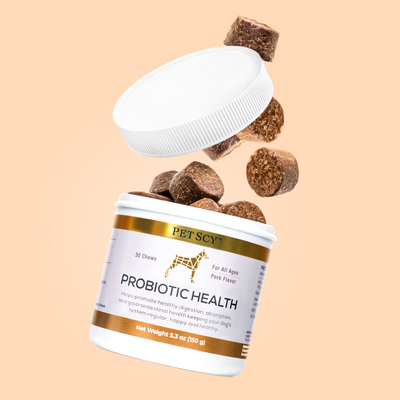
Digestive support is useful when there's a real GI reason. Think medication changes, post-anesthesia recovery, stool inconsistency, or obvious sensitivity. If your dog's digestion is stable, don't add probiotics just because “gut health” sounds responsible. If you do need that category, this guide to probiotic supplements for digestive balance gives a practical overview of when they make sense.
Skin and coat support often circles back to omega-3s. Many owners pile on biotin, zinc, collagen, and coat powders before they've even used fish oil consistently. I wouldn't.
Calming aids have a place too, but mostly for specific problems. Travel. Noise. Night settling. If the dog is anxious all day, reach for a veterinary assessment before turning chewables into a daily patch.
Dosing Timing and What to Avoid Mixing
The fastest way to make supplements confusing is to start all of them at once and toss them in whenever it's convenient. Don't do that.
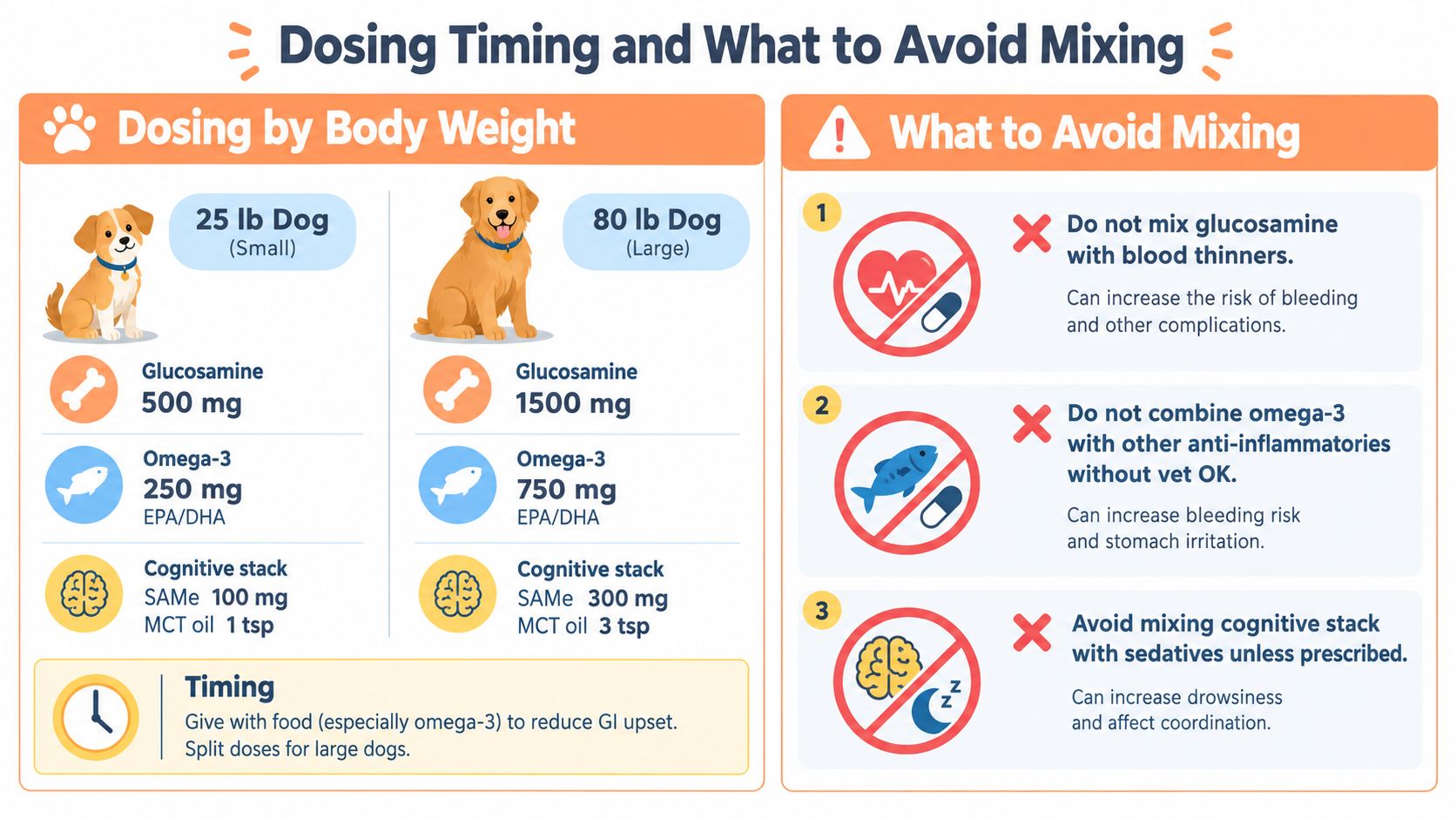
Timing affects tolerance. Sequence affects your ability to spot problems. Interactions matter more in older dogs because many are already on anti-inflammatories, heart meds, or other long-term prescriptions.
Keep the rollout boring
Use this rule: one new supplement at a time, then wait before adding the next. That way, if stool softens, appetite changes, or your dog seems off, you can identify the culprit without guessing.
Timing that usually works
- Omega-3s with the largest meal to improve tolerance and reduce GI upset.
- Joint chews with food if the formula tends to cause mild stomach sensitivity.
- Probiotics according to the label, since delivery format matters.
- Cognitive support split across the day when the product allows it, especially if you're trying to maintain steadier support.
- Nighttime calming aids only when the dog's issue is nighttime restlessness or situational stress.
Mixing cautions worth respecting
These aren't exotic concerns. They come up all the time in senior dogs.
- Omega-3s plus NSAIDs or anticoagulants can raise concern about compounded bleeding risk at higher intakes.
- Probiotics and antibiotics should be separated in timing.
- Liver-handled supplements such as SAMe or milk thistle deserve a medication review first.
- Duplicate formulas are common. Owners often buy a joint chew, fish oil, calming chew, and multivitamin that all overlap in small but messy ways.
Write the regimen down. Product name, active ingredients, timing, and what you're watching for. Memory is unreliable once the shelf fills up.
My recommendation
Keep the stack tight. Use food to improve tolerance. Add slowly. And don't combine high-dose fish oil with prescription drugs without asking the veterinarian who knows the case.
Three Realistic Daily Regimens for Senior Dogs
Most owners don't need a masterclass in ingredients. They need a regimen that matches the dog in front of them.
So here are three clean stacks built around symptom pattern, not around the fantasy that every older dog needs everything.
Symptom-first stacks
| Stack Profile | Core Supplements | Timing | Skip / Avoid |
|---|---|---|---|
| Early senior with mild slowing | Fish oil with EPA and DHA, a joint chew or green-lipped mussel formula, optional probiotic if digestion has become touchy | Fish oil and joint support with meals. Probiotic based on product directions | Skip separate skin products unless there's a real coat issue |
| Mobility-focused senior with osteoarthritis signs | Higher-intent omega-3 support, green-lipped mussel or glucosamine-chondroitin-MSM base, optional undenatured type II collagen | Mobility products with meals, split if needed for tolerance | Avoid stacking multiple joint chews that repeat the same actives |
| Brain-focused senior with cognitive changes | Omega-3 support, SAMe if appropriate, optional MCT support, melatonin only when nighttime rhythm is the issue | Omega-3 with meals, cognitive aids split if appropriate, sleep aid at night only | Skip random calming chews if the real issue is cognition |
Stack one for the dog just starting to show age
This is the dog who's slower, but not clearly struggling. They may take longer to rise, show less bounce on walks, or recover more slowly after hard play.
My default here is simple: fish oil plus a straightforward joint support formula. If stool quality has become inconsistent, a probiotic can earn a place. If digestion is normal, leave it out.
A product like PetScy Longevity Joint & Immune Chews fits this kind of starter stack because it's built around mobility support ingredients rather than a vague senior blend. That doesn't make it mandatory. It just makes it the kind of formula I'd look for.
Stack two for the dog with clear mobility loss
This dog has real stiffness, likely discomfort, and probably benefits from a more deliberate arthritis plan. The supplement core should support, not replace, the rest of treatment.
Use omega-3s seriously, not symbolically. Pair them with a stronger joint base, then consider collagen support if you need another non-drug layer. Keep the regimen NSAID-aware if your vet has already prescribed anti-inflammatory medication.
Stack three for the dog showing brain aging
This is the dog who seems different, not just slower.
Use omega-3s as the anchor. Add SAMe or MCT support selectively. Use melatonin only when the sleep-wake cycle is part of the problem. Don't throw in a calming chew just because pacing looks like anxiety. Cognitive decline and anxiety can overlap, but they aren't the same thing.
No stack should become a seven-product experiment. Once you push beyond a few oral products, reassessment usually helps more than addition.
Choosing a Product and Talking to Your Vet
A supplement label should answer basic questions fast. If it doesn't, move on.
What the bottle must show
Look for these before you buy:
- Active ingredients in actual amounts listed in milligrams per serving
- Species-specific formulation for dogs, not a human product repackaged with pet branding
- Quality signals such as third-party testing or NASC participation
- Expiration date and storage guidance
- Clear serving instructions tied to body weight or daily use
Red flags are just as important.
- Proprietary blends that hide doses
- “FDA approved” claims for supplements
- Kitchen-sink formulas that try to be joint, skin, gut, calm, and brain support all at once
- Megadose human products used without veterinary guidance
What to bring to the appointment
Bring a one-page list with every product your dog gets now. Include medications, chews, powders, oils, and treats with active ingredients. That's especially important if your dog already takes anti-inflammatories, aspirin, or anticoagulant-type drugs.
Ask plainly:
- Is this symptom pattern more likely pain, cognition, GI disease, or something else?
- Are any of these ingredients a bad fit with current medications?
- Do kidney or liver issues change what's safe to add?
- Would you keep the stack simple or build it in layers?
If you're comparing mobility products, it helps to review a practical guide to senior dog joint supplements before the visit so you can discuss formulas instead of just brand names.
The best supplement plan is the one you can explain in one minute. If it takes five minutes to decode, it's too complicated.
Buy for the dog's pattern. Use the smallest number of products that solve the biggest problem. That's how you keep senior-dog care useful instead of noisy.
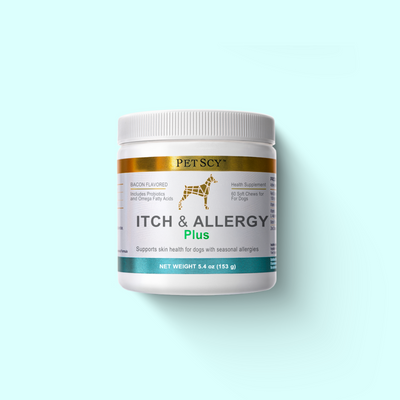
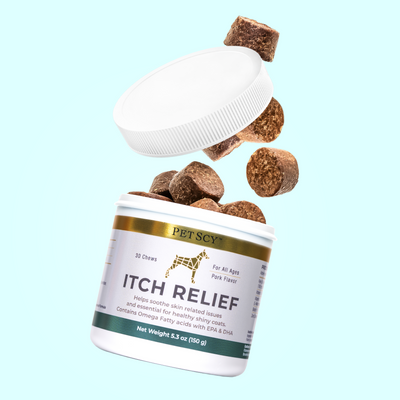
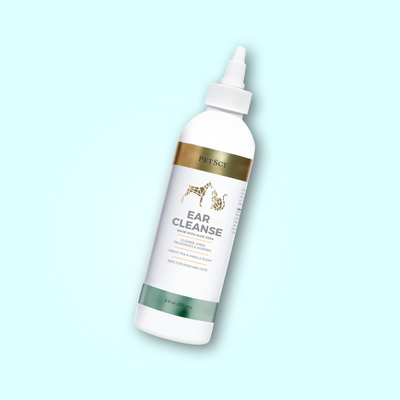
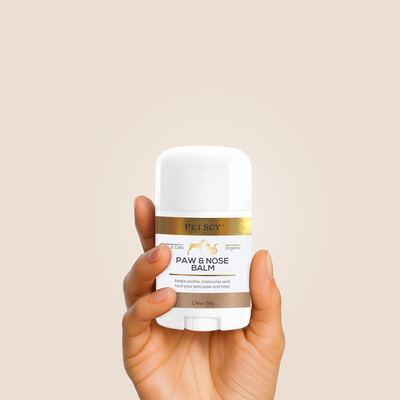
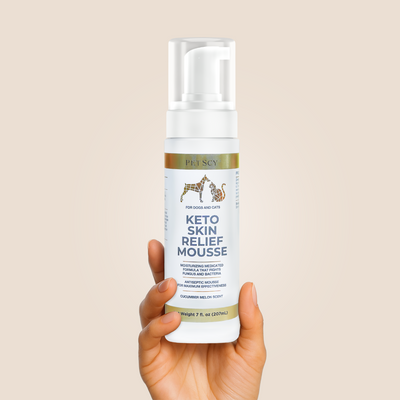
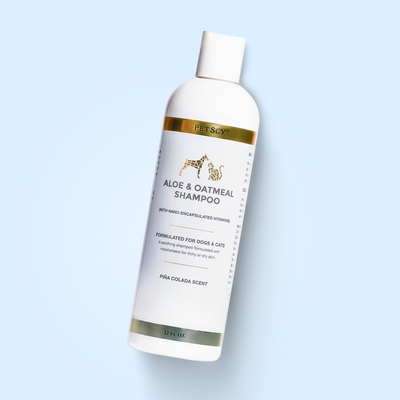
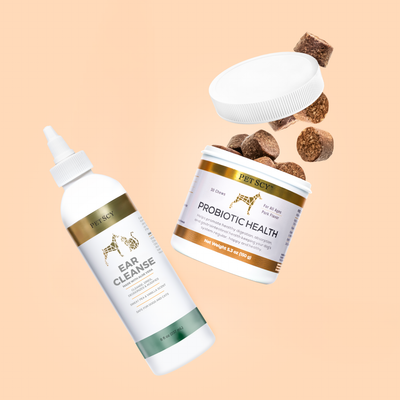
PetScy offers veterinarian-formulated dog supplements and topical care products for common senior-dog needs like joint support, digestive balance, calming, skin care, and dental hygiene. If you want products built for dogs rather than generic wellness marketing, visit PetScy and compare options based on the symptom pattern your dog is showing.