










Dental Care for Dogs: How to Keep Your Dog’s Teeth Healthy
More than 80% of dogs show signs of dental disease by age three, so dental care for dogs should begin before bad breath or visible tartar appears. A proactive routine combines daily mechanical cleaning, practical alternatives for resistant dogs, and veterinary checks when symptoms suggest disease below the gumline.
Many owners treat a dirty-looking tooth as a cosmetic concern. The bigger issue is what may be happening around the tooth roots and beneath the gums. Periodontal disease starts with plaque, a sticky bacterial biofilm that forms on teeth. If it isn't disrupted, it can harden into calculus, irritate the gums, and damage the tissues supporting the teeth.
The encouraging part is that prevention doesn't require perfection. You can build a routine around your dog's temperament, using brushing when possible and carefully chosen supporting methods when brushing creates a struggle.
Table of Contents
- Why Canine Dental Health Matters More Than You Think
- The Gold Standard of Daily Brushing for Dogs
- Effective Alternatives When Brushing Fails
- Integrating PetScy Products Into Your Routine
- Recognizing the Red Flags for Veterinary Visits
- Building a Sustainable Weekly Oral Health Plan
Why Canine Dental Health Matters More Than You Think
More than 80% of dogs show dental disease by age three, according to veterinary guidance on dental disease in dogs. A 2024 Banfield analysis also reported that 73% of dogs seen in 2023 were diagnosed with dental-related issues, showing how often oral disease appears in routine companion-animal practice.
Those figures don't mean every dog has the same severity. A visual check while your dog is awake may reveal only surface tartar, while an examination under anesthesia can uncover inflammation, pockets, damaged teeth, or disease below the gumline. Published estimates therefore vary widely, from 44% to 100%, depending on the population and diagnostic method.
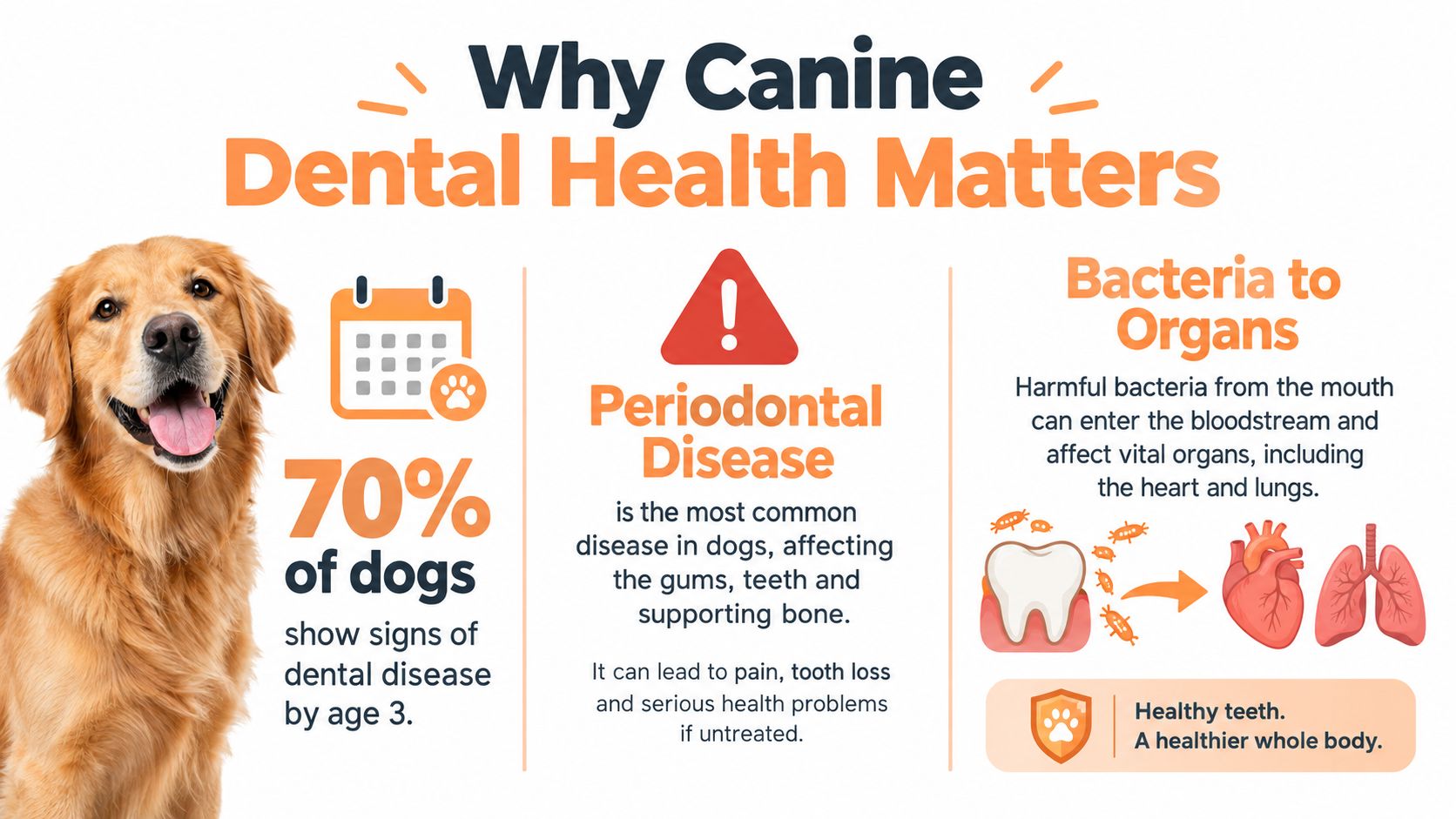
How plaque becomes periodontal disease
Plaque is soft enough to disturb with regular mechanical cleaning. Calculus is different. Once plaque mineralizes, brushing won't remove the hardened deposit. The rough surface then gives new plaque more places to collect, creating a cycle of gum irritation and tissue damage.
Early periodontal disease may look like mild redness along the gumline. Later, dogs can develop bleeding, loose teeth, pain, or difficulty eating. Bad breath deserves attention too. It isn't a normal feature of being a dog, even though many owners have learned to dismiss it.
Practical rule: Don't wait for dramatic tartar. A preventive routine works best before the mouth becomes painful.
Small dogs and certain breeds may face added challenges because crowded teeth can trap debris. The guide to bad breath and tartar prevention through daily care can help you recognize why routine plaque control matters. Home care supports oral health, but it can't replace a veterinary assessment when disease is already established.
The Gold Standard of Daily Brushing for Dogs
Brushing is the most direct way to disrupt plaque mechanically. It reaches the tooth surfaces where biofilm collects and addresses the cause rather than only masking odor. Daily brushing is ideal because plaque can begin accumulating again soon after cleaning, as described in the global veterinary dental guideline.
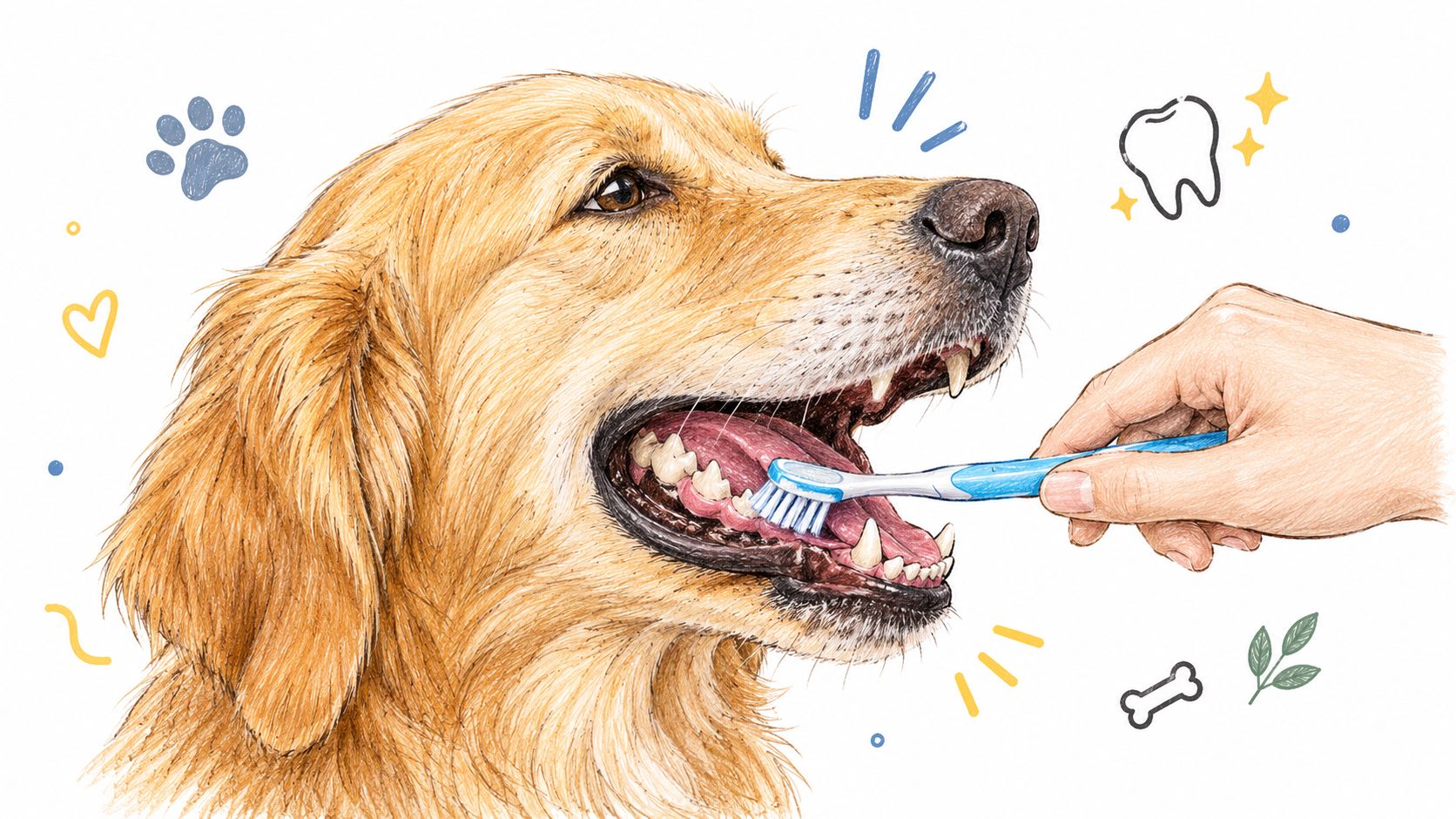
Teach the routine before you brush
Start without toothpaste or a brush. Touch your dog's cheek, lift the lip briefly, and reward calm behavior. Repeat until mouth handling feels ordinary. Then let your dog taste a dog-safe enzymatic toothpaste. Never use human toothpaste, since some ingredients can be unsafe for dogs.
A soft pet toothbrush gives you better reach than a finger brush, especially around the back teeth. A finger brush can still be useful during early training or for a dog that dislikes the shape of a conventional brush.
Use this progression:
- Touch the muzzle: Lift one side of the lip, touch the outer teeth, and reward immediately.
- Introduce the paste: Rub a small amount on a tooth with your finger, keeping the session brief.
- Add the brush: Start with the outer surfaces, where plaque commonly collects.
- Use a gentle angle: Hold the bristles toward the gumline, approximately 45 degrees, and make small, controlled strokes.
- End early: Stop while your dog is still relaxed, then offer a reward.
You don't need to force the mouth wide open. Most of the useful work happens on the outer tooth surfaces. Keep pressure light, particularly if the gums are already tender.
A dog that pulls away isn't being stubborn for no reason. Pain, unfamiliar handling, or a previous stressful experience may be involved. If the gums bleed easily, the dog cries, drops food, or refuses mouth handling, arrange a veterinary examination rather than pushing through the resistance.
Watch the brushing method in this short demonstration before practicing with your dog:
Effective Alternatives When Brushing Fails
Some dogs won't accept a toothbrush, even after patient training. That doesn't mean you should abandon oral care. It means you need to separate the ideal method from the most sustainable method your dog will tolerate.
Dental wipes provide direct contact without the shape and sensation of a brush. Slide a textured wipe over the accessible outer surfaces, focusing on the gumline and back teeth. Wipes won't reach every area equally, and they won't remove established calculus, but they can help remove soft debris during a low-conflict routine.
Powders take a different approach. You add them to food according to the product directions, so they require little handling. They may support breath control and plaque management, but they don't provide the same physical scrubbing as bristles. For a closer look at how this option fits into home care, see this guide to plaque powder for dogs.
Match the tool to the dog
| Option | What it contributes | Best fit |
|---|---|---|
| Toothbrush | Direct mechanical plaque disruption | Dogs that accept mouth handling |
| Dental wipe | Surface cleaning through gentle contact | Dogs that resist bristles |
| Powder | Food-based support for breath and plaque control | Dogs that won't tolerate oral handling |
| Water additive | Adds an oral-care step to drinking water | Owners seeking a simple supplement to another method |
Water additives are useful as a complement, not a guaranteed replacement for brushing. A 2025 study found that periodontal health improved when an additive was paired with either weekly brushing or daily functional vegetable fiber. The study identified weekly brushing combined with a daily water additive as the only tested regime that could partly remove deposits and improve periodontal health.
That evidence supports a tiered routine. Try brushing first. If your dog refuses, use wipes for direct contact and add a product such as a powder or water additive for consistency. Even choosing sustainable, plant-based household materials, such as vegan floss by Fillaree, shouldn't distract from the central rule: don't use human dental products in your dog's mouth unless your veterinarian specifically approves them.
Integrating PetScy Products Into Your Routine
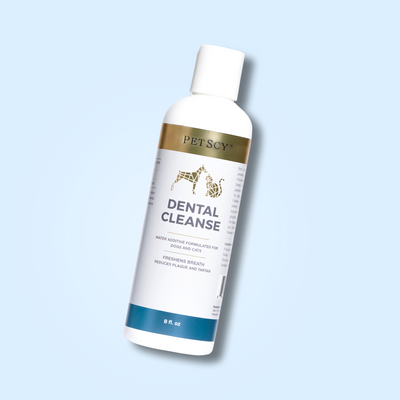
A practical routine should fit your dog's meals, drinking habits, and tolerance for handling. PetScy's Dental Cleanse, Dental Powder, and Dental Finger Wipes can be organized as separate layers rather than treated as interchangeable products.
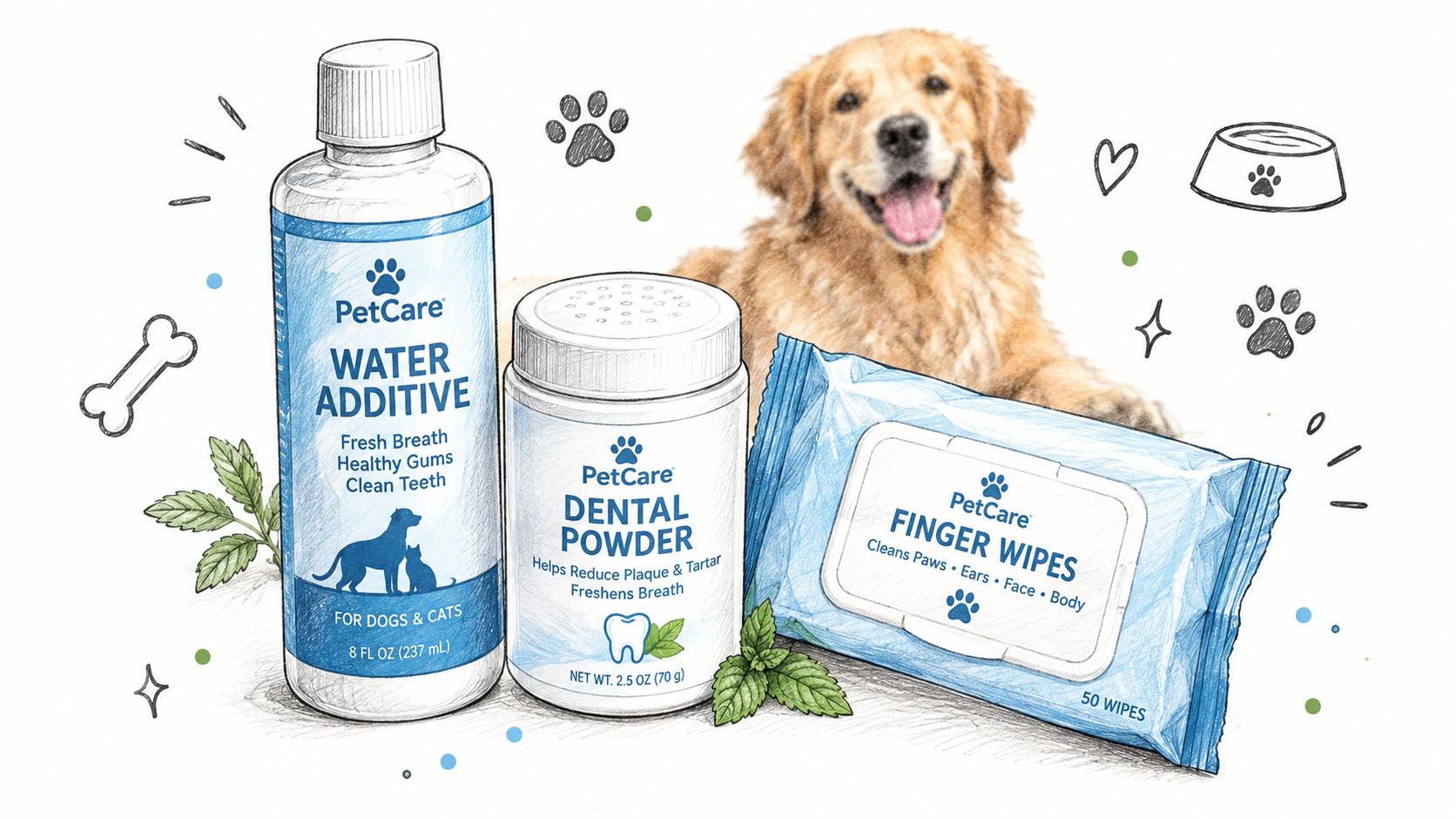
A simple tiered setup
Use Dental Cleanse in drinking water as a low-effort daily addition, following the label directions and preparing fresh water as instructed. This approach suits dogs that dislike mouth handling, although it should support, not replace, direct cleaning when your dog can tolerate it. The Dental Cleanse water additive guide explains its role in breath and oral hygiene care.
Add Dental Powder to food according to its instructions. This makes it useful for dogs that turn brushing into a wrestling match. Because food-based products don't scrub the tooth surface, think of the powder as a supplement to your routine, not a substitute for professional treatment or mechanical action.
Use Dental Finger Wipes when your dog accepts a finger near the lips but rejects a toothbrush. Gently wipe the outer teeth and gumline, avoiding force around painful or bleeding areas. Some owners may use wipes on a regular schedule that their dog tolerates, while continuing to introduce a brush gradually.
A workable combination might look like this:
- Cooperative dog: Brush regularly, then use an additive as supporting care.
- Partly resistant dog: Brush the easy-to-reach teeth and use wipes for the remaining surfaces.
- Highly resistant dog: Use food and water options while arranging veterinary guidance and continuing gentle mouth-handling training.
Check ingredient directions, monitor how your dog responds, and ask your veterinarian before adding products if your dog has a medical condition or is already receiving treatment. No home product can remove hardened calculus or diagnose disease beneath the gums.
Recognizing the Red Flags for Veterinary Visits
Home care is preventive maintenance. It isn't a diagnosis, and it can't repair a fractured tooth or clean infected areas hidden below the gumline.
Book a veterinary visit if you notice persistent bad breath, red or swollen gums, bleeding, heavy tartar, loose teeth, broken teeth, drooling, facial swelling, or a sudden change in appetite. Trouble chewing, dropping food, chewing on one side, or becoming irritable when the face is touched can also signal oral pain.
Why visible tartar isn't the whole picture
The AAHA dental guidelines describe a disease pattern that becomes more common with age and can be especially significant in smaller dogs. The same guidance recommends early professional dental evaluation and cleaning, by one year for small- to medium-breed dogs and by two years for large breeds, because disease may already exist before obvious signs appear.
A conscious visual examination has limits. A veterinary team can assess the mouth more thoroughly under anesthesia, clean below the gumline, polish the teeth, and evaluate tissues that an awake dog won't allow anyone to inspect safely. If the team finds a damaged or infected tooth, your veterinarian can explain the treatment options.
Don't mistake a quiet dog for a comfortable dog. Many dogs continue eating despite mouth pain until the problem becomes advanced.
If someone else will care for your dog during a veterinary appointment, travel period, or recovery, use practical safety guidance such as this resource on how to avoid bad sitters. The key health decision remains the same: seek professional help when symptoms suggest pain, infection, or structural damage.
Building a Sustainable Weekly Oral Health Plan
Consider a dog named Milo who dislikes a toothbrush but accepts food rewards and brief lip handling. His owner can practice calm mouth touches on several days, use a finger wipe during a cooperative session, and add a food or water product according to its directions. If Milo gradually accepts bristles, brushing can become the primary method rather than an all-or-nothing test.
The schedule should be repeatable:
- Most days: Use the chosen food or water support and check the mouth briefly.
- Several sessions during the week: Practice brushing or wipe the accessible outer surfaces.
- At every routine veterinary visit: Ask for an oral assessment.
- Whenever red flags appear: Stop experimenting at home and book an appointment.
Consistency matters more than turning each session into a battle. Start with the method your dog accepts, then build toward direct mechanical cleaning.
PetScy offers Dental Cleanse, Dental Powder, and Dental Finger Wipes for owners building a practical home dental routine around their dog's tolerance. Visit PetScy to explore these canine oral-care options and choose a manageable next step.