







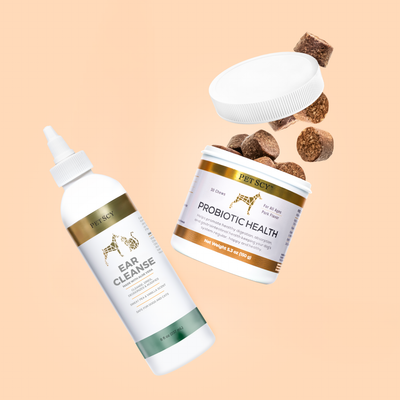


Digestive Upset & Loose Stools — Supports Gut Flora & Regularity.
Your dog wakes you before breakfast, circles the back door, and produces a loose stool before you've even found your shoes. By the next walk, you're watching every bowel movement closely, wondering whether it was a stolen snack, a food change, stress, parasites, or something more serious.
Occasional diarrhea is a symptom, not a diagnosis. The gut works as an ecosystem, and loose stools can appear when food, stress, microbes, hydration, or the intestinal lining fall out of balance. This guide will help you understand that ecosystem, recognize common triggers, consider probiotic support realistically, and decide when home monitoring is reasonable and when a veterinarian should become involved.
Table of Contents
- When Loose Stools Disrupt Your Dog's Day
- How Your Dog's Gut Flora Keeps Stools Regular
- Common Triggers Behind Occasional Digestive Upset
- How Probiotics and Digestive Support Help Restore Balance
- At Home Monitoring and Gentle Care for Loose Stools
- Safe Use Dosing and When to Call Your Veterinarian
- Building Long Term Digestive Resilience Through Diet and Routine
When Loose Stools Disrupt Your Dog's Day
A single soft stool after an otherwise normal morning may pass without becoming a larger problem. Repeated watery stools, urgency, accidents indoors, or a dog who seems uncomfortable deserve closer attention because diarrhea can affect hydration and energy. The key question isn't only “How loose is the stool?” It's also “How is my dog acting overall?”
Loose stools rank among the most frequently documented digestive complaints in dogs. In a prevalence study of common canine health problems, diarrhea represented 19.1% of recorded digestive cases, vomiting represented 13.6%, and concurrent vomiting and diarrhea represented 10.1% (canine digestive health research). Those figures describe recorded cases, not the risk for every individual dog, but they help explain why this problem is so familiar to dog parents.
A symptom with many possible stories
One dog may develop diarrhea after eating from a dropped plate. Another may react to a sudden diet transition, a stressful car ride, or an ingredient that doesn't agree with them. A third dog may have an underlying condition that needs testing and targeted treatment. The stool can look similar in each situation while the cause differs.
That's why a probiotic shouldn't be treated as a universal answer. Gut flora support may help some dogs, especially during certain short-lived digestive disturbances, but it can't diagnose food intolerance, parasites, inflammatory disease, or other medical problems.
Practical rule: Judge the stool alongside appetite, drinking, energy, vomiting, pain, and duration.
Regular bowel movements matter because they reflect more than bathroom convenience. A stable stool suggests that the digestive tract is processing food and managing water in a predictable way. When your dog remains bright, interested in food, and able to drink, careful observation can provide useful information. When those normal behaviors disappear, the situation moves beyond simple cleanup.
How Your Dog's Gut Flora Keeps Stools Regular
Digestion starts with food entering the stomach and small intestine, but the process doesn't end when nutrients are absorbed. The large intestine contains a community of microorganisms that interacts with leftover food material, the intestinal lining, and the immune system. This community is often called the gut flora or microbiome.
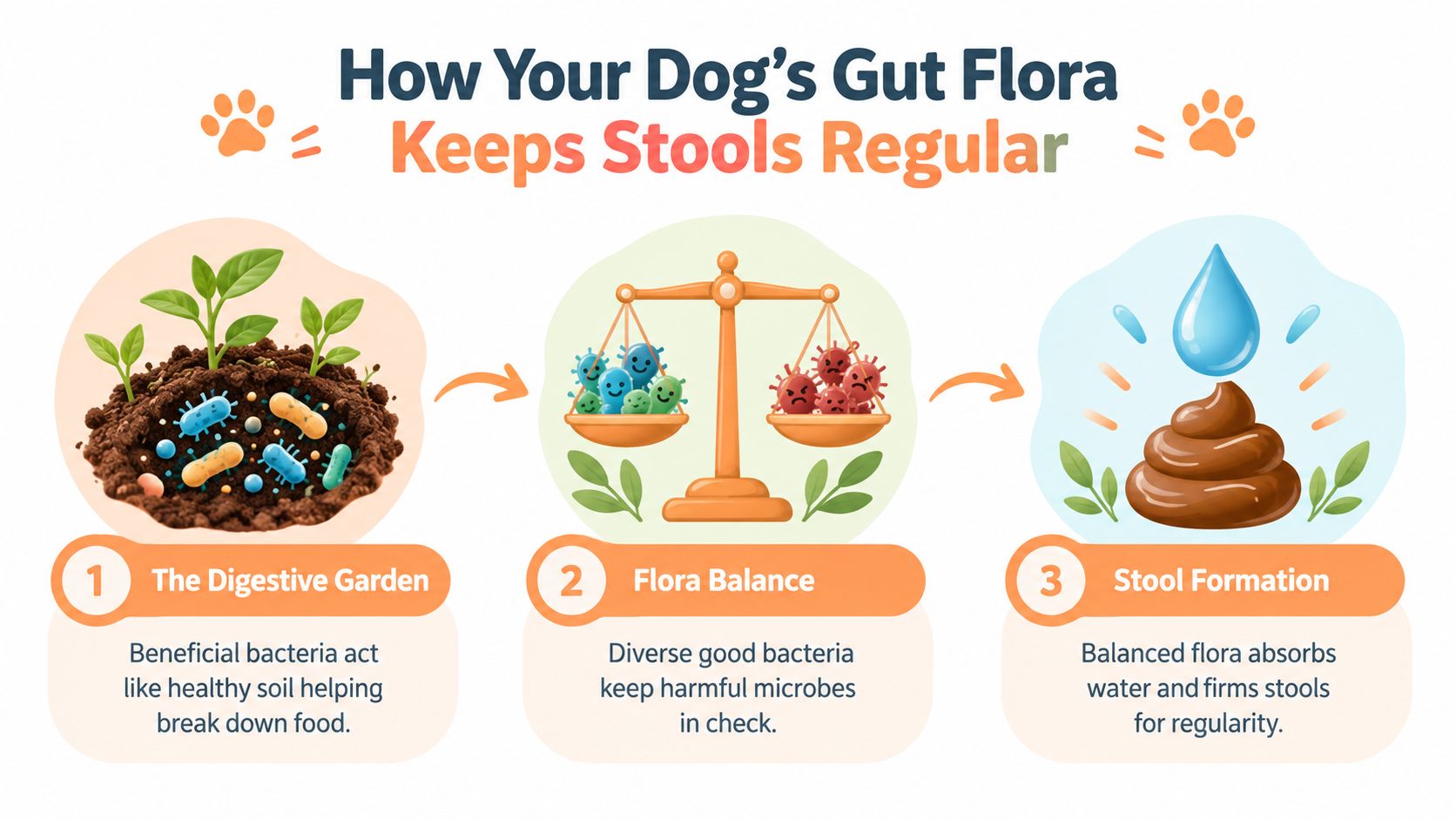
Think of the gut as a garden
A garden needs healthy soil, a range of useful plants, moisture control, and protection from invasive weeds. Your dog's gut is more complicated than a garden, but the analogy makes the basic biology easier to follow.
Beneficial microbes help process components of food that the dog's own enzymes don't fully break down. Their activity contributes to the chemical environment inside the intestine and supports communication with the gut lining. A stable microbial community can also make it harder for disruptive organisms to dominate.
This doesn't mean that every bacterium is either “good” or “bad.” The more useful question is whether the community remains balanced, diverse, and resilient when conditions change.
How balance influences stool form
Stool consistency depends partly on how quickly material moves through the intestines and how much water remains in it. If intestinal contents move too quickly, the colon has less opportunity to reclaim water, and the result can be soft or watery stool. Changes in the intestinal lining, inflammation, diet, or microbial activity can all contribute.
Gut flora also interacts with mucosal immune defenses. In a controlled canine study involving chronic diarrhea, a probiotic blend improved fecal quality and increased fecal IgA, a marker associated with intestinal immune activity (controlled study on canine probiotics and fecal IgA). This supports a broader view of probiotics. They may influence the gut environment and immune signaling, rather than just adding bulk to stool.
Gut flora is an ecosystem, not a bacteria count. A product's purpose isn't merely to add microbes, but to support a more stable intestinal environment.
What regularity actually means
Regularity doesn't require identical stools every day. A healthy pattern usually means your dog passes stool without repeated urgency or straining, maintains a familiar consistency, and returns to their usual routine after normal variations.
You can learn a lot by observing patterns:
- Timing: Did the change begin after a new food, treat, medication, trip, or stressful event?
- Texture: Is the stool soft but formed, pudding-like, or watery?
- Behavior: Is your dog eating, drinking, resting, and playing normally?
- Direction: Is the problem settling, staying the same, or worsening?
These observations are more useful than focusing on a single dramatic bowel movement. They also give your veterinarian a clearer starting point if the upset continues.
Common Triggers Behind Occasional Digestive Upset
The same loose stool can come from very different circumstances. Instead of asking only whether your dog needs a probiotic, first look for the event that may have disturbed digestion. Timing often provides the first important clue.
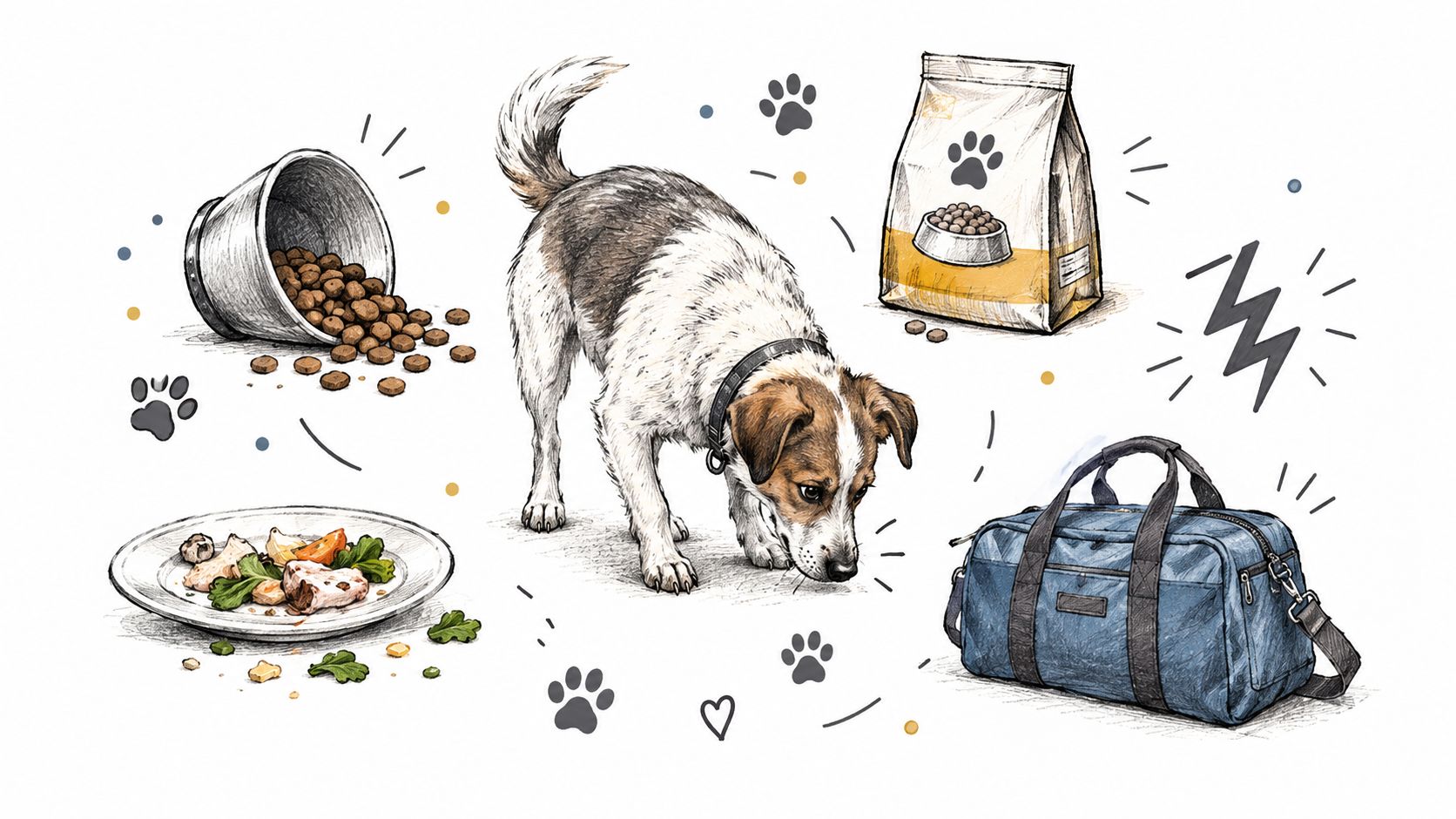
Food that arrives too fast
Dietary indiscretion is a common example. A dog may swallow table scraps, raid a bin, chew a rich treat, or eat something unfamiliar outdoors. A sudden load of fat, unusual ingredients, or too much food can overwhelm normal digestion.
A rapid switch between foods can have a similar effect. Even when both diets are complete and appropriate, the digestive tract may need time to adapt to differences in protein, fat, fiber, moisture, and ingredient structure. Gradual transitions are generally gentler than replacing one food with another overnight.
Stress, travel, and disrupted routine
The gut responds to the nervous system. Travel, boarding, visitors, loud events, separation, or changes in feeding time can affect motility and appetite. Some dogs develop soft stools during an otherwise enjoyable trip because their environment, sleep, exercise, and meal pattern all changed together.
Stress doesn't prove that microbes caused the diarrhea, but it can alter the conditions in which digestion takes place. A calm, predictable environment may be as relevant as a supplement during a short episode.
Infection, parasites, and ingredient sensitivity
Mild infections can cause temporary diarrhea, while parasites may produce recurring or persistent problems that require testing. Puppies, dogs from crowded environments, and dogs who investigate contaminated material may need particular care from a veterinarian.
Ingredient sensitivity creates another pattern. If loose stools return whenever your dog eats a particular food, treat, or chew, repeating the same probiotic won't address the trigger. Keep a food and stool record, and discuss an elimination diet or diagnostic testing with your veterinarian rather than removing large numbers of ingredients at random.
For practical ideas about food choices and routines, see this guide to dogs with sensitive stomachs.
A useful observation log can include:
- Recent intake: New foods, treats, chews, scraps, or outdoor finds.
- Recent change: Food transition, medication, travel, boarding, visitors, or stress.
- Stool pattern: Frequency, texture, unusual color, mucus, or blood.
- Whole-dog signs: Appetite, thirst, energy, vomiting, abdominal discomfort, and sleep.
The pattern won't replace veterinary evaluation, but it can prevent guesswork and reveal whether the episode is isolated or repeating.
How Probiotics and Digestive Support Help Restore Balance
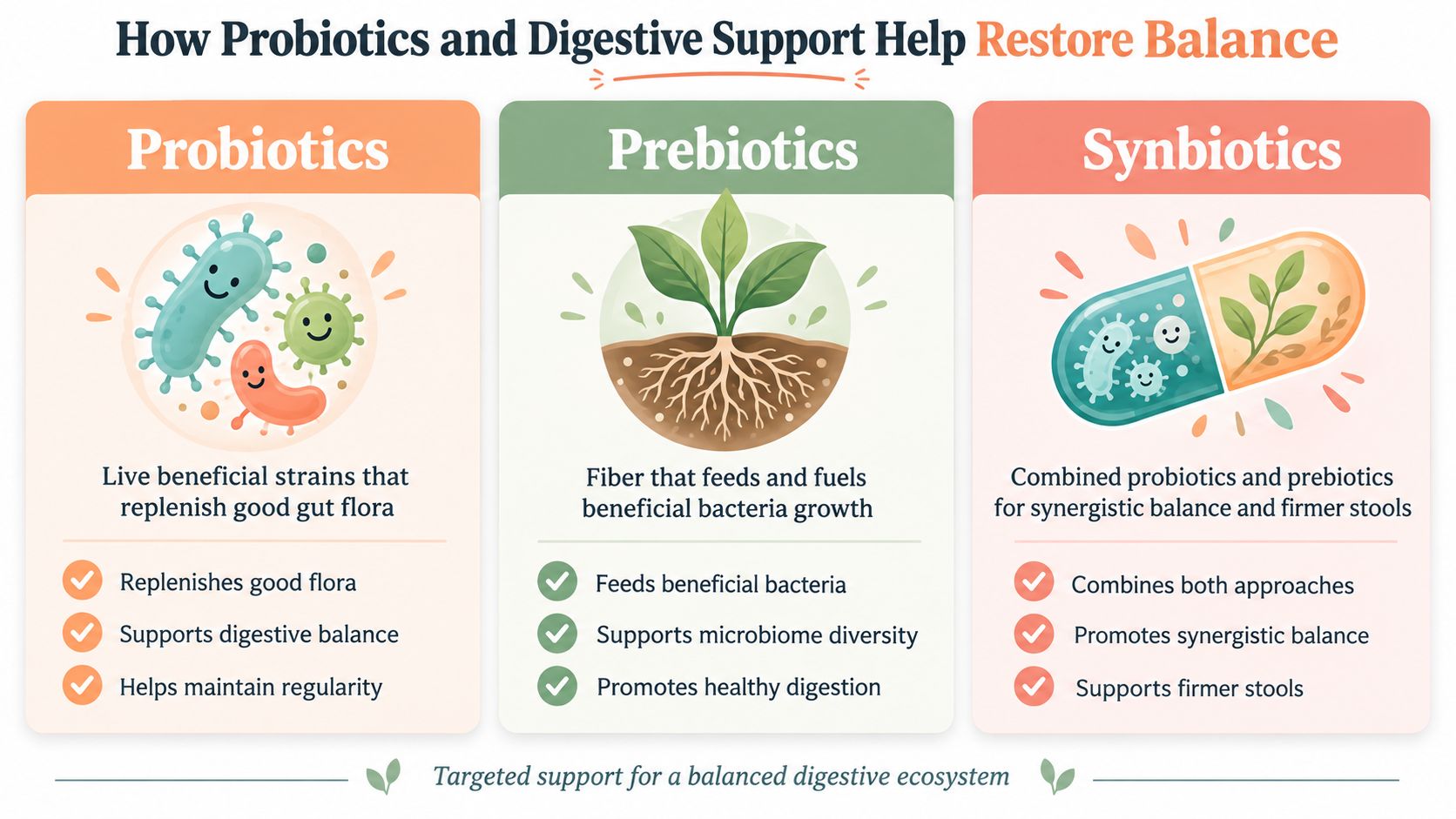
Probiotics, prebiotics, and synbiotics support the gut in different ways. Confusing them leads to unrealistic expectations, especially when a product is described broadly as “good bacteria.”
Three approaches, three jobs
Probiotics are live microorganisms supplied in a product. The relevant question isn't only how many organisms appear on the label. It's which strains are included, whether they suit dogs, how they're delivered, and whether the product has evidence for the digestive situation you're trying to address.
Prebiotics are fermentable ingredients that beneficial microbes can use. They don't directly replenish bacteria. Instead, they provide a type of nourishment that may help selected members of the existing community grow or function.
Synbiotics combine probiotics and prebiotics. The concept is complementary, but combination formulas still need appropriate ingredients and a sensible use case. A synbiotic isn't automatically more effective for every dog or every cause of diarrhea.
| Support Type | How It Works | Best For |
|---|---|---|
| Probiotic | Supplies selected live microbial strains | Targeted gut flora support when the formulation fits the situation |
| Prebiotic | Provides fermentable material for beneficial microbes | Supporting the existing microbial community, when tolerated |
| Synbiotic | Combines live strains with prebiotic ingredients | A combined microbiome strategy under appropriate guidance |
What the canine evidence suggests
Controlled studies have reported faster stool normalization in some dogs receiving probiotics. One trial reported a median diarrhea duration of 32 hours with an anti-diarrheal probiotic paste compared with 47 hours with placebo, with diarrhea resolution occurring 1.60 times faster in the treated group (randomized canine diarrhea trial). Another controlled study reported the last abnormal stool at 1.3 days with a probiotic compared with 2.2 days with placebo (randomized double-blind trial in dogs).
Those results are encouraging, but they don't make every probiotic interchangeable. A separate canine trial associated a specific product with faster stool normalization and lower fecal counts of Clostridium perfringens and Enterococcus faecium, while a systematic review cautioned that the overall evidence can be mixed and clinically modest for acute gastrointestinal disease (canine-specific probiotic treatment evidence).
For a product category overview, visit probiotic supplements for digestive balance.
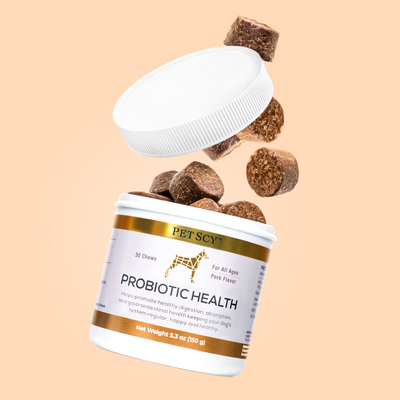
PetScy's Probiotic Health Chews are one example of a veterinarian-formulated canine supplement positioned for digestive and immune support. The company states that its products are made in the United States with globally sourced ingredients and that it belongs to the National Animal Supplement Council. Those quality cues can help with product evaluation, but they aren't a promise that a chew will resolve every episode.
At Home Monitoring and Gentle Care for Loose Stools
For a dog with mild, occasional loose stools who remains alert and comfortable, the first priority is observation. Don't focus only on finding a supplement. Record what happens, protect access to water, and avoid adding new foods that make the pattern harder to interpret.
A simple home checklist
- Track stools: Note frequency, texture, color changes, mucus, and any visible blood. A photo can help your veterinarian understand what you mean by “loose.”
- Check the whole dog: Watch appetite, drinking, energy, comfort, and interest in normal activities. A dog who acts ill needs more than routine monitoring.
- Keep food gentle: Ask your veterinarian what temporary, highly digestible feeding approach suits your dog. Avoid rich treats, scraps, abrupt diet changes, and prolonged fasting unless a veterinary professional specifically directs it.
- Protect hydration: Keep fresh water available and watch whether your dog is drinking normally. Repeated diarrhea, especially with vomiting, can increase fluid concerns.
- Reduce stimulation: Offer a quiet resting place and maintain a predictable schedule. Calm surroundings can help you observe whether the episode is settling.
- Clean carefully: Remove stool promptly, wash your hands, and clean contaminated surfaces. Hygiene protects people and other animals from possible infectious causes.
Reintroducing normal food
Once stools and behavior improve, return to the usual diet gradually rather than celebrating with a large meal or several new treats. Follow your veterinarian's feeding advice, particularly for puppies, seniors, dogs with chronic disease, or dogs already on a therapeutic diet.
A short log should include the start time, meals, treats, medication, bowel movements, water intake, and behavior. If gas is part of the picture, this resource on how to relieve gas in a dog may help you think through routine and feeding factors without overlooking illness.
Safe Use Dosing and When to Call Your Veterinarian
Use a probiotic as a labeled supplement, not as an emergency treatment. Follow the product's feeding directions for your dog's size, and don't double the serving because one dose didn't produce an immediate change. More isn't automatically better, particularly when a formula contains multiple active ingredients.
Ask your veterinarian or pharmacist about timing if your dog takes antibiotics, prescription medication, or other supplements. They can help determine whether products should be separated, avoided, or monitored. This matters most when your dog has an immune condition, a serious chronic illness, or a history of sensitivity to supplements.
Match the response to the evidence
Some canine trials report quicker normalization of abnormal stools with probiotic treatment, but results aren't consistent across all conditions. A randomized placebo-controlled study found that neither the probiotic nor metronidazole significantly improved time to resolution, and a review concluded that evidence remains insufficient to determine effectiveness for acute gastrointestinal disease (review of probiotic and metronidazole treatment).
That uncertainty doesn't make probiotics useless. It means the product should be treated as supportive care with a defined observation period, not as proof that the underlying cause has been fixed.
Red flags need professional assessment
Contact your veterinarian promptly if your dog has blood in the stool, repeated vomiting, marked lethargy, significant pain, refusal to drink, or diarrhea that persists or keeps returning. Puppies and senior dogs can become vulnerable more quickly, and dogs with existing disease may need a lower threshold for advice.
Don't wait for a supplement to work when your dog appears systemically unwell. Veterinary evaluation may involve a physical examination, stool testing, diet review, medication review, or other diagnostics based on the pattern.
Building Long Term Digestive Resilience Through Diet and Routine
A resilient gut is maintained through consistency. Feed a complete diet that suits your dog, make food changes gradually, keep treats predictable, and avoid letting rich human foods become a regular part of the routine. Your veterinarian can help assess whether fiber, a highly digestible diet, omega-3 support, or a synbiotic strategy fits your dog's individual needs.
The garden analogy remains useful here. A stable feeding schedule, suitable nutrition, exercise, clean water, and lower stress give the intestinal ecosystem dependable conditions. A probiotic may support that environment, but it can't compensate for repeated dietary indiscretion or an untreated medical problem.
Create a simple weekly routine:
- Review stool consistency and frequency.
- Note any new treats, chews, medications, or stressful events.
- Keep the main diet and feeding times steady.
- Reassess recurring patterns with your veterinarian.
Digestive upset and loose stools are signals worth interpreting, not reasons to panic. Support gut flora and regularity thoughtfully, watch the whole dog, and use veterinary guidance when the pattern doesn't resolve.
PetScy offers veterinarian-formulated Probiotic Health Chews for dogs whose families want daily digestive and immune support as part of a broader gut-health routine. Visit PetScy to review the digestive support options and choose a plan that fits your dog's needs.