










Dog Ear Is Red and Itchy: Causes, Care, and When to Worry
A dog shakes their head after breakfast, paws at one ear, then tilts their head just enough for you to notice. When you look closer, the ear flap seems pinker than usual, the opening looks warm and irritated, and your dog pulls away when you touch it. You may be wondering whether a dog ear is red and itchy because of allergies, an infection, or something that needs attention right away.
Most cases are manageable, but the right response depends on the pattern. This guide will help you sort the signs into four practical categories, allergies, infection, ear mites, and physical or product irritation, before deciding whether gentle care at home is reasonable or a veterinary examination makes more sense. Otitis externa, inflammation of the outer ear canal, is the most common ear disorder in dogs and appears in about 5% to 20% of dogs seen in small-animal practice, according to the Merck Veterinary Manual's overview of outer-ear disorders.
Table of Contents
- What a Red, Itchy Dog Ear Usually Signals
- How a Dog's Ear Works and Why It Gets Irritated So Easily
- The Four Main Causes of Redness and Itching
- Safe At-Home Care You Can Try First
- When the Treatment Itself Becomes the Problem
- Red Flags That Mean Call the Vet Now
- Preventing the Next Flare-Up
What a Red, Itchy Dog Ear Usually Signals
Start with what you can observe. The pinna, or ear flap, may look pink, bright red, swollen, warm, or slightly scaly. Your dog may scratch until sleep is interrupted, rub the ear against furniture, shake their head repeatedly, or hold one ear lower than the other. A faint odor or a little wax doesn't automatically mean infection, but a strong smell, wet discharge, or obvious pain changes the decision.
The pattern matters more than any single symptom. A dog with allergies may scratch both ears along with their paws, face, or armpits. A dog with an infection may have a painful canal, noticeable odor, and yellow-brown, black, or pus-like material. Ear mites can cause severe itching and dry, dark debris, while a grass awn, trapped moisture, or a newly used ear cleaner can cause sudden irritation in one ear.
A calm first look
You don't need to diagnose the ear in the next ten minutes. You only need to collect useful observations without making the tissue more inflamed.
- Look at both ears: Compare the red ear with the ear that appears normal.
- Notice the behavior: Is your dog mildly bothered, or are they shaking and scratching continuously?
- Check the smell: A strong, foul odor is more concerning than the normal mild wax scent.
- Look for discharge: Clear or pale wax is different from thick, wet, pus-like material.
- Watch the head position: A persistent head tilt or balance change needs prompt veterinary attention.
Practical rule: Redness tells you that the ear is inflamed. It doesn't tell you why.
Allergies, infection, mites, and irritants can overlap. An allergic ear can become infected after the skin barrier is damaged, and repeated cleaning can make already-sensitive tissue more uncomfortable. Think of the categories below as a decision tree for triage, not a substitute for an otoscope examination, ear cytology, or other veterinary testing when those are needed.
How a Dog's Ear Works and Why It Gets Irritated So Easily
The visible ear flap is the pinna. From the opening, the ear canal travels down and then turns inward, forming a vertical and horizontal passage that resembles an L. The eardrum sits at the deeper end, separating the outer canal from the middle ear.
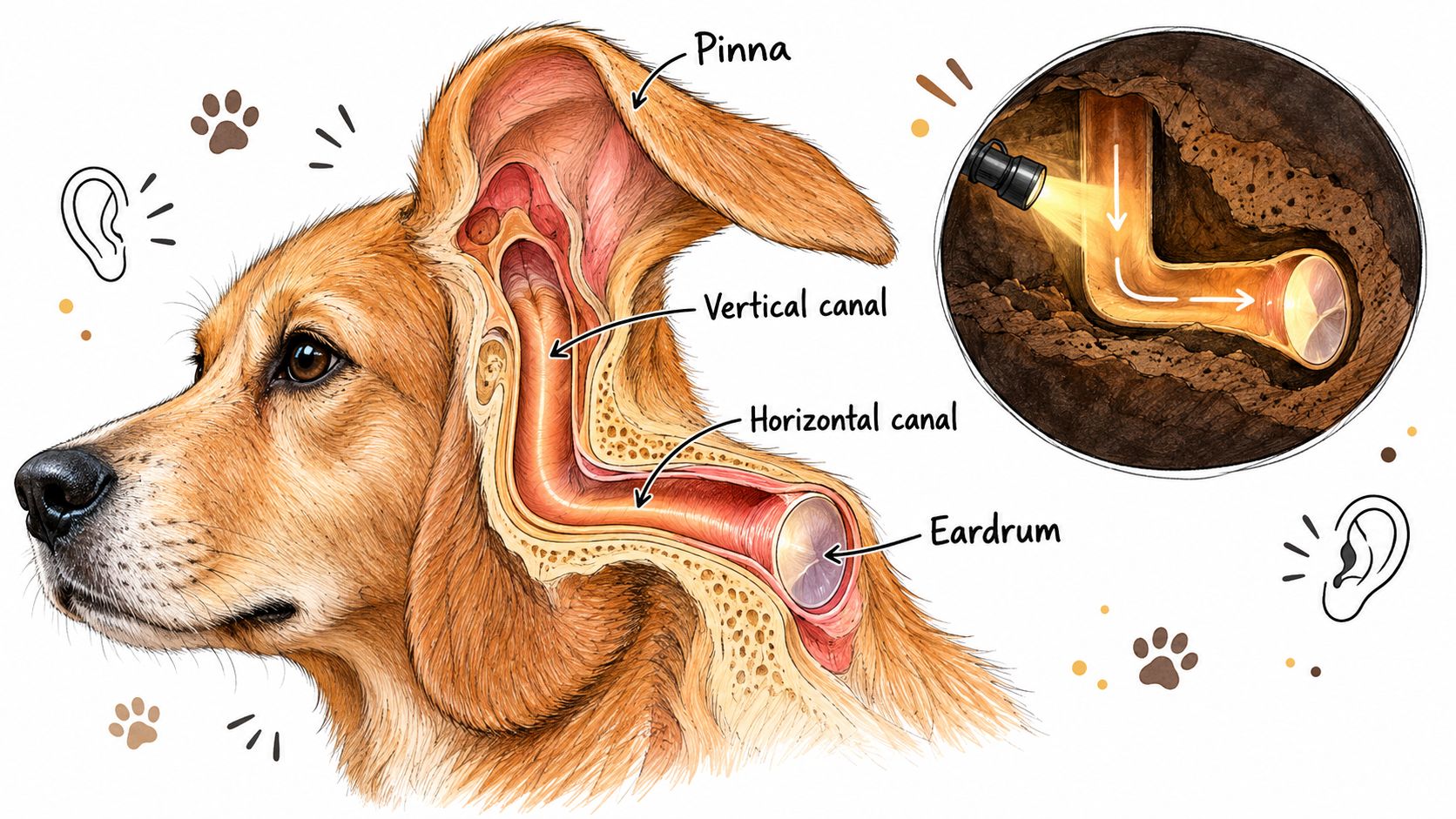
That shape helps explain why debris and moisture can remain hidden. The canal is like a warm, dark, slightly waxy cave with limited airflow. Yeast and bacteria can take advantage of that environment when inflammation, water, wax, or damaged skin disrupts the ear's normal balance.
The ear's built-in protection
Healthy ears aren't supposed to be sterile. Cerumen, commonly called earwax, helps trap particles and supports the skin's protective barrier. Normal head shaking also helps move loose material toward the opening, where you can see and remove it safely. A small amount of hair can protect the canal, although excessive hair and poor airflow may contribute to trapped moisture in some dogs.
Several features can interfere with those defenses:
- Water exposure: Swimming or bathing can leave moisture in the curved canal.
- Over-cleaning: Frequent or harsh cleaning can strip protective wax and irritate the lining.
- Ear shape: Floppy pinnas can cover the opening and hold in heat and humidity.
- Narrow canals: Some dogs, including Cocker Spaniels and Shar-Peis, may have anatomy that makes ventilation and examination more difficult.
The canal lining is thin and richly supplied with nerves, so modest swelling can feel intensely itchy or painful. Allergy-related inflammation can also affect the ears and other areas of the skin at the same time. That is why a dog may scratch an ear while also licking their paws or rubbing their face.
The anatomy connects directly to the four possible causes. Allergies inflame the skin, infections exploit the changed environment, mites create irritation and debris, and physical irritants damage one area suddenly. Your job at home is to recognize the pattern and avoid actions that could push material deeper or worsen an injured canal.
The Four Main Causes of Redness and Itching
Your dog may start scratching one ear after a bath, develop irritation in both ears during allergy season, or wake up with a strong smell and wet discharge. These patterns point in different directions. Both ears plus itchy skin elsewhere fits an allergy pattern more closely, while one suddenly painful ear raises concern about a physical irritant, foreign material, or a reaction to a new product. Odor, moisture, and tenderness increase concern about infection, but an examination is needed to identify the exact cause.
Compare the pattern, not just the color
| Cause | Typical redness pattern | Discharge and smell | Pain and behavior | Clues that raise suspicion |
|---|---|---|---|---|
| Environmental or food allergy | Often affects both ears and may involve the ear flaps | Wax may increase; odor can appear if infection develops | Itching is usually mild to moderate at first | Recurring skin itch, paw licking, face rubbing, or seasonal flare-ups |
| Yeast or bacterial infection | Canal becomes red, swollen, and progressively more inflamed | Yellow-brown, black, or wet material with a strong or foul odor | Tenderness, head shaking, and pain when touched | Moisture, trapped debris, or an earlier allergy flare |
| Ear mites | Irritation may affect the canal and ear flap | Dark, dry, crumbly debris that can resemble coffee grounds | Often intensely itchy, with discomfort from scratching | Puppies or contact with affected animals |
| Physical irritant or product reaction | Often sudden and one-sided, though a cleaner can affect both ears | Little discharge, or moisture left by the irritant or product | Burning, itching, or pain soon after exposure | Bathing, swimming, grass contact, grooming, or a newly introduced cleaner |
The ear can also move from one branch of this decision tree to another. Allergy inflames the skin, then scratching creates tiny breaks where yeast or bacteria can multiply. A dog may therefore begin with seasonal itching and later develop a smelly, painful ear that needs targeted treatment.
A strong smell, moist inflamed tissue, pus-like discharge, frequent head shaking, or persistent scratching warrants prompt veterinary evaluation. The Merck guidance on otitis externa in animals explains that treatment starts with identifying the underlying cause. Depending on the findings, care may include topical antibacterial or antifungal medication and treatment to reduce swelling, pain, and secretions. Recurrent or severe cases may require laboratory testing or imaging to check for deeper ear disease.
Why the treatment can become part of the problem
A product reaction deserves its own place on the list. If redness or burning begins soon after cleaning or medication, especially when the problem worsens with each application, the product may be irritating the already sensitive canal. Stop adding unapproved substances and contact your veterinarian for advice rather than switching between household remedies.
Seasonal patterns, recurring skin symptoms, and a dog's breed or age can provide useful clues, but they do not confirm a diagnosis. For broader household guidance on reducing one possible environmental trigger, see the resource on mold prevention for dog owners. A veterinarian can examine the canal and discharge to separate allergy, infection, mites, and product irritation before treatment makes the ear more uncomfortable.
Safe At-Home Care You Can Try First
Home care is reasonable only when the ear shows mild surface pinkness, your dog is otherwise bright and eating, there is no major odor or thick discharge, and touching the outer ear doesn't cause significant pain. The goal isn't to scrub the canal until it looks perfectly clean. The goal is to avoid adding trauma while you observe whether the irritation settles.
Inspect before you clean
Use a flashlight and examine the ear flap, the opening, and only the part of the canal you can see without pulling or probing. Look for redness, swelling, scratches, wetness, discharge, and changes between the two ears. If the canal looks ulcerated, narrowed, or very swollen, don't pour cleaner into it before speaking with a veterinarian.
For a mildly irritated ear, use only a veterinarian-approved canine ear cleaner. Avoid alcohol, vinegar, hydrogen peroxide, essential oils, and homemade mixtures. These substances can sting damaged tissue, and a product that seems mild on human skin may be unsuitable for a dog's ear.
Clean gently
- Warm the bottle: Hold the cleaner in your hand for a little while so it isn't startlingly cold.
- Lift the ear flap: Keep the ear upright without forcing it into an uncomfortable position.
- Use the cleaner as directed: If your veterinarian has approved flushing, fill the canal gently rather than pushing a nozzle deep inside.
- Massage the base: Rub the soft base of the ear briefly so the liquid can loosen material.
- Let your dog shake: Head shaking helps bring loosened debris toward the opening.
- Blot the outside: Use gauze or a cotton pad to remove what reaches the visible opening.
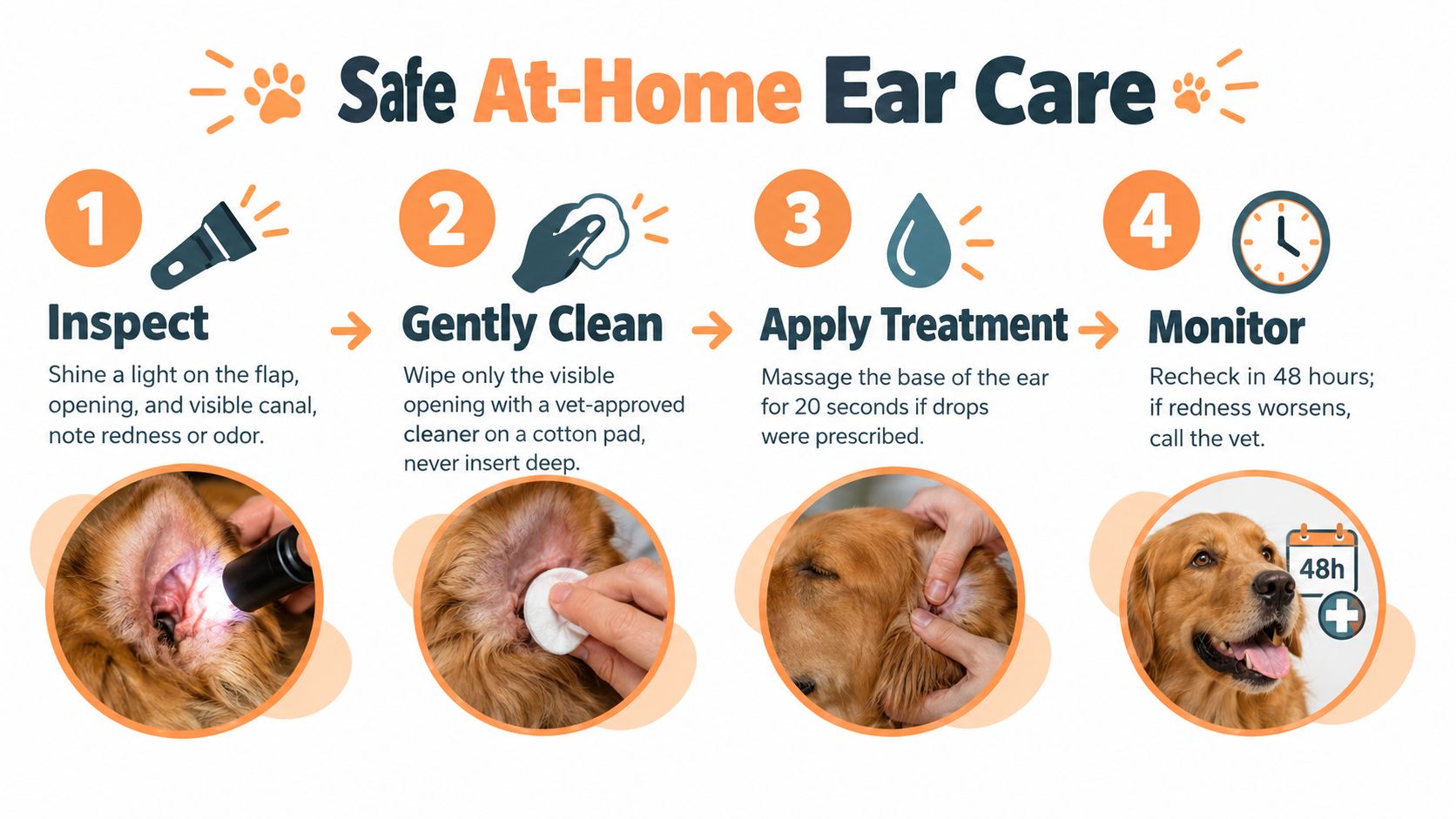
Don't insert cotton swabs deep into the canal. They can push debris farther inward or injure delicate tissue. Don't keep cleaning repeatedly because the ear still looks pink. Over-cleaning can strip wax and create more irritation.
Stop immediately if your dog yelps, bleeds, snaps from pain, or tries to escape. You can wipe the outer flap with gauze, but don't force a flush into an ear that may be damaged or infected.
A short watch period is appropriate only if the ear is gradually improving. If the redness or itching worsens, the odor changes, discharge appears, or your dog becomes painful, home care has reached its limit. For additional practical information about selecting and using a canine cleaner, see this guide to dog ear cleaner solution.
If drops were prescribed by your veterinarian, the base massage shown below helps distribute them through the canal. It isn't a replacement for a diagnosis or a reason to use leftover medication from a previous episode.
When the Treatment Itself Becomes the Problem
You clean your dog's ear, apply the recommended drops, and expect the redness to settle. Instead, the ear becomes itchier or develops new bumps. That change does not always mean the original infection is getting worse. The product itself may be irritating the already-sensitive skin.
Ear cleaners, medicated drops, antibiotic ointments, shampoos, and other topical products can cause a reaction. The result may resemble the starting problem: redness, itching, swelling, small bumps, sores, or pain. This creates an important branch in the decision tree: allergy, infection, mites, or a response to treatment can look similar from the outside.
Irritation versus delayed reaction
This reaction is called contact dermatitis. Merck notes that ointments or medications can trigger contact dermatitis on the ear pinna within 1 to 7 days, producing signs that may be mistaken for a worsening infection.
An irritant reaction often starts with burning or stinging soon after application. Redness may remain near the area that contacted the product. A delayed allergic reaction can appear after repeated use, with itching that extends across the ear flap or toward the face and paws. These patterns are clues, not a diagnosis. Infection can also be present at the same time, so improvement after stopping a product does not prove that infection was absent.
Record the product name, the first application time, and when the ear changed. This simple timeline gives your veterinarian a clearer way to compare treatment exposure with symptom progression.
Do not stop a prescribed medication without contacting the prescribing veterinarian, particularly if the ear has odor, discharge, or pain. Ask whether the product should be paused, replaced, or removed under supervision. If it was an optional cleaner or topical product, stop using it and seek advice if the reaction spreads or makes your dog uncomfortable. This guide to antiseptic wipes for dogs explains why topical products require careful selection, but it cannot replace veterinary guidance for an inflamed ear.
Saline may be suitable in some cases, but it is not automatically safe when the eardrum is damaged or the canal is severely inflamed. Let a veterinarian decide. Adding another cleaner, ointment, or home remedy can blur the trail and make the original cause harder to identify.
Red Flags That Mean Call the Vet Now
A mildly pink outer flap and a comfortable, alert dog can sometimes be watched closely. A painful, smelly, swollen, or neurologically abnormal ear shouldn't be managed by trial and error. Ear disease can extend deeper than the area you can see, and the L-shaped canal makes it difficult to judge its full condition from the outside.
Use this decision table
| Sign or Symptom | Call the Vet Now | Watch and Wait at Home |
|---|---|---|
| Behavior | Persistent head shaking, severe scratching, or inability to sleep | Occasional scratching with normal activity |
| Balance | Head tilt, stumbling, circling, or balance loss | Normal walking and head position |
| Discharge | Thick yellow, green, black, wet, or pus-like material | Light clear or pale wax |
| Smell | Foul or unusually sweet odor | Normal mild ear odor |
| Touch | Hot, swollen ear that your dog won't let you touch | Mild surface sensitivity without distress |
| Skin damage | Bleeding, open wounds, facial swelling, or hives | Intact skin with slight pinkness |
| General health | Fever, lethargy, appetite loss, or sudden worsening | Alert, eating, and gradually more comfortable |
Head tilt, balance loss, circling, or stumbling can indicate involvement beyond the outer canal and deserves same-day veterinary attention. Facial swelling or hives can signal a significant reaction, while a hot painful ear with thick discharge is more consistent with a problem that needs examination and targeted treatment.
Puppies, diabetic dogs, and immunocompromised dogs also deserve a lower threshold for calling. Their ear problem may progress differently, and they may need more careful assessment rather than prolonged home observation.
Don't wait for a dramatic change. If your dog seems painful or the ear is getting worse, calling early is safer than trying another product.
A veterinarian may examine the canal with an otoscope, collect a sample for microscopic evaluation, and decide whether culture, susceptibility testing, or imaging is appropriate. Those steps identify the cause instead of guessing from color alone.
Preventing the Next Flare-Up
Prevention works best when it matches your dog's pattern. A swimmer needs careful drying, a dog with seasonal itch needs allergy management, and a floppy-eared dog may need more frequent checks than a dog with upright ears. A routine should protect the ear without stripping away its normal defenses.
Dry the ears after every bath or swim. Use a soft towel or gauze on the visible flap and opening, and don't push material down the canal. If water repeatedly triggers discomfort, ask your veterinarian whether a drying product is suitable rather than choosing one at random.
Check the ears routinely during seasons when your dog tends to scratch more. Look and smell before there are obvious symptoms, especially in dogs with floppy ears or a history of ear trouble. Breeds such as Cocker Spaniels, Basset Hounds, and Labradors may need closer monitoring because ear shape and hair can reduce airflow or retain moisture.
Build prevention around the trigger
- Track allergy patterns: Note paw licking, face rubbing, skin redness, and ear changes together. Bring that record to your veterinarian when discussing food or environmental allergies.
- Keep grooming gentle: Trim hair around the opening when appropriate, but avoid aggressive plucking that can inflame the canal.
- Review parasite protection: Ask whether your dog's preventive plan includes coverage relevant to ear mites and other parasites.
- Schedule chronic-care reviews: Recurring ear problems may need a structured cleaning plan, allergy assessment, or examination for deeper disease.
- Adjust after water exposure: Make drying part of the bath and swimming routine, not an afterthought.
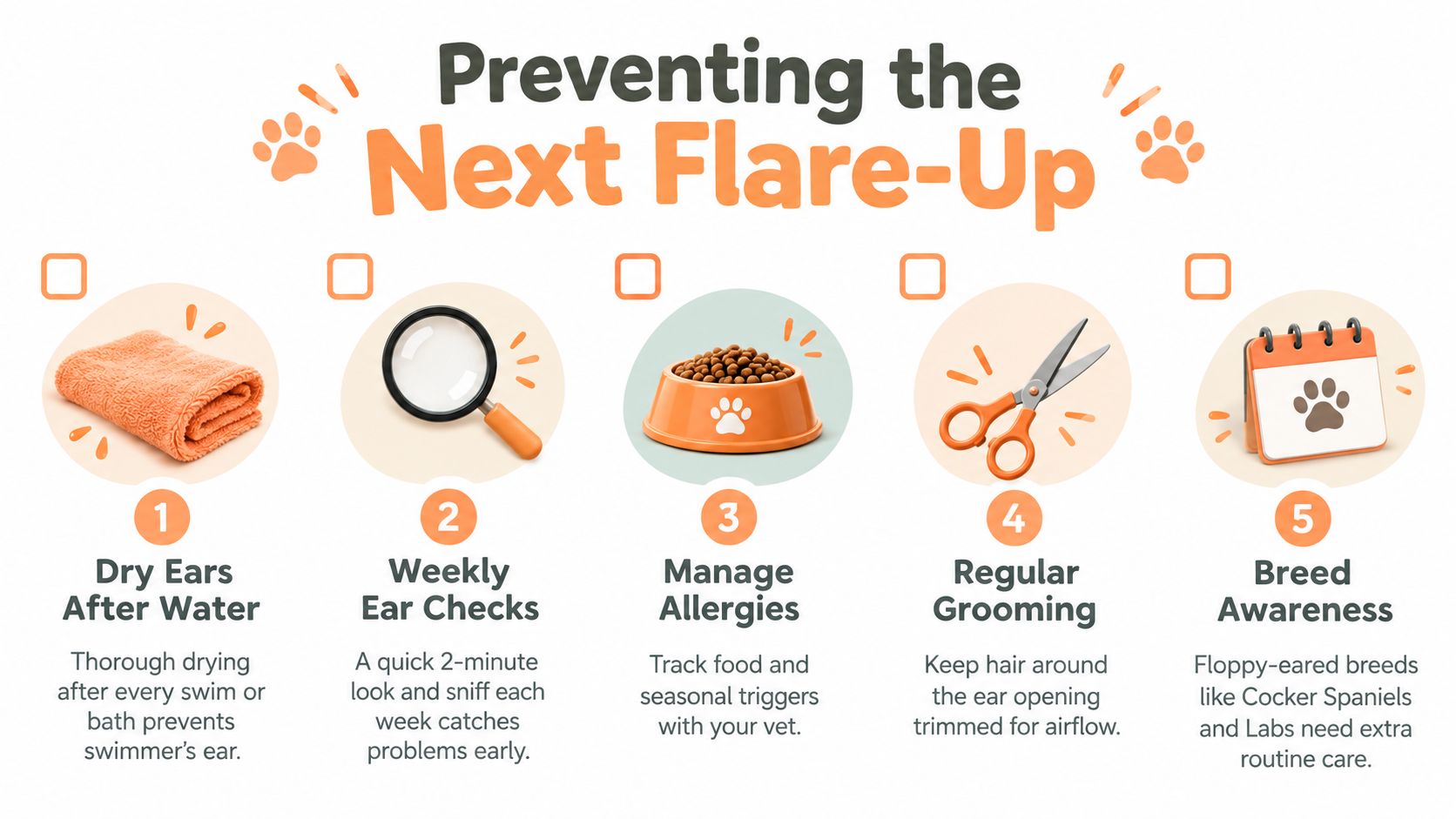
A simple seasonal calendar can keep prevention practical. During warm or wet periods, inspect more often and dry carefully after water exposure. During allergy seasons, watch for changes in paws, face, skin, and ears together. When your dog is comfortable and the ears look normal, routine checks are usually more useful than unnecessary cleaning.
Use a cleaning schedule based on your dog's veterinary advice, not a fixed routine copied from another pet. The guide on how often to clean your dog's ears can help you think through frequency, but persistent redness, odor, pain, or discharge still calls for an examination.
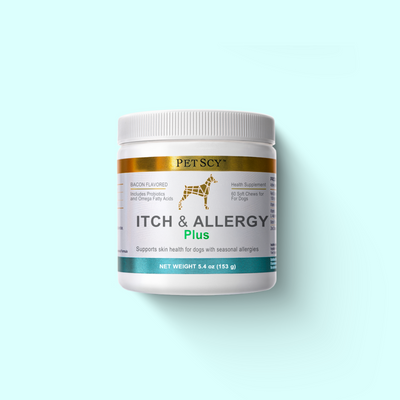
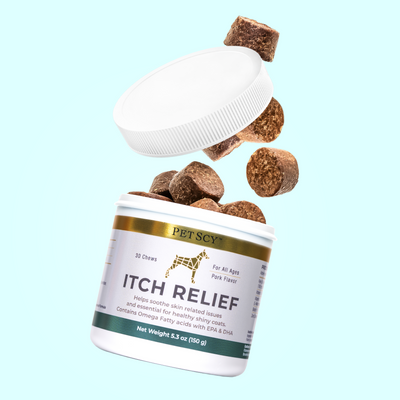
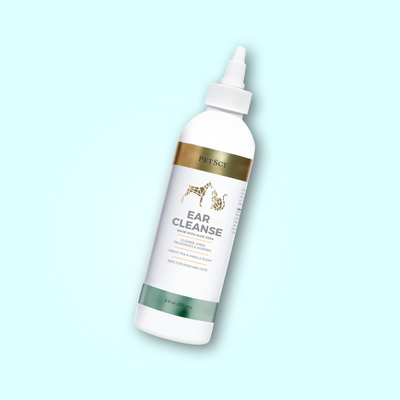
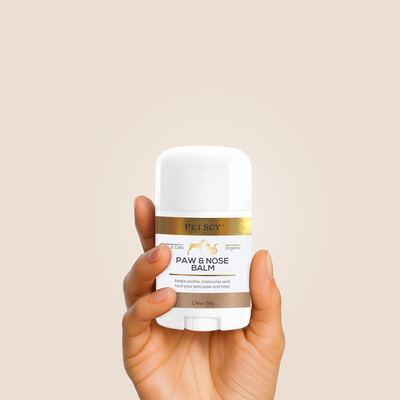
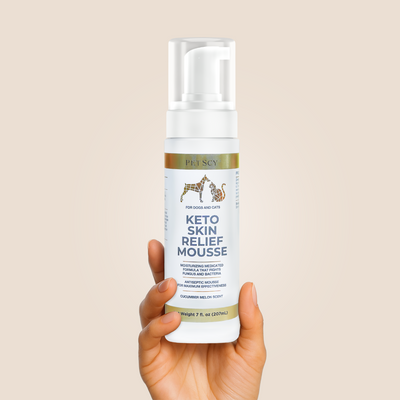
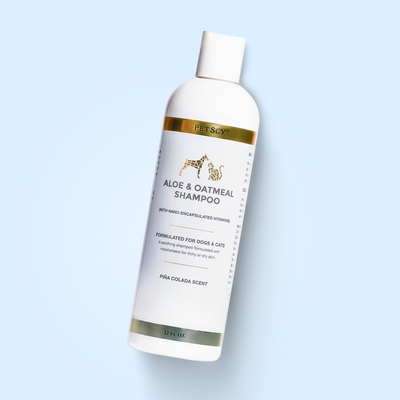
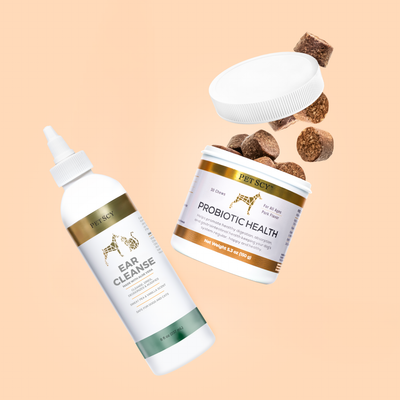
If your dog's ear is red and itchy, start by noting the pattern, avoiding harsh home remedies, and watching for pain, odor, discharge, or balance changes. PetScy offers veterinarian-formulated options such as Ear Cleanse and allergy-support products for routine canine care, and you can explore them at PetScy while contacting your veterinarian when the signs point beyond mild irritation.