









Dog Skin and Coat Health: Causes, Care and Checklist
Canine atopic dermatitis may affect up to 10% of dogs, according to a peer-reviewed review of canine atopic dermatitis, although reliable population-wide estimates remain limited. That reframes dog skin and coat health as more than a question of shine. A glossy dog can still have sore paws, inflamed ears, or persistent itching, while a dog shedding heavily may have perfectly healthy skin.
Table of Contents
- What Healthy Skin and Coat Look Like
- How the Skin and Coat Work as One System
- Common Skin and Coat Problems and Their Causes
- Diagnosing the Cause Before You Treat
- Daily Care from Bathing to Paw Balm
- Nutrition, Omega-3s and Supplement Doses
- Seasonal Adjustments Through the Year
- Build Your Skin and Coat Maintenance Routine
What Healthy Skin and Coat Look Like
Start with your dog's normal appearance and behavior, not a picture of an ideal coat. A wiry terrier won't feel like a golden retriever, and naturally pigmented skin doesn't need to be pink. Comfort, consistency, and intact skin matter more than gloss alone.
Use this baseline to spot changes rather than diagnose them.
| Indicator | Healthy baseline | Warning sign |
|---|---|---|
| Coat texture and sheen | Smooth for the coat type, glossy or naturally textured, and even across the body | Newly dull, brittle, patchy, or greasy |
| Shedding | Regular shedding, often with seasonal peaks in spring and autumn | Bald patches, broken hairs, or loose clumps accompanied by irritated skin |
| Skin colour and elasticity | Pink or naturally pigmented, supple, and returning promptly after gentle lifting | Red, thickened, scaly, or newly darkened patches |
| Odour | Mild and neutral | Persistent musty, sour, or yeasty smell |
| Scratching and licking | Occasional, brief, and easy to interrupt | Repeated bouts, persistent paw licking, or rubbing on furniture |
| Ears | Comfortable, without redness, excess debris, or strong odour | Head shaking, discharge, redness, or dark debris |
| Paws and nails | Intact pads, comfortable nails, and no persistent licking | Cracks, swelling, redness between toes, broken nails, or rust-coloured staining |
Seasonal undercoat can come out in impressive tufts without indicating disease. Look at what remains: even coverage and comfortable skin are reassuring; exposed patches and inflamed skin aren't.
Check beneath the coat
Ask three practical questions during a calm handling session:
- How does it look? Part the coat at the shoulders, belly, rump, and between the toes. Look for redness, flakes, scabs, and thinning.
- How does it smell? Check ears, folds, and paws separately. A new localised smell matters even when the rest of the dog smells normal.
- How does it feel? Run your fingertips gently over the skin for bumps, crusts, dampness, or tenderness.
An isolated change warrants a closer look. Persistent, recurrent, or worsening abnormalities warrant a veterinary appointment, rather than repeated experiments with grooming products.
Prevalence estimates differ because general practices and specialist hospitals see different patients. Even more to the point, visible coat changes may lag behind discomfort, so this home check is a way to notice problems, not a substitute for an examination.
How the Skin and Coat Work as One System
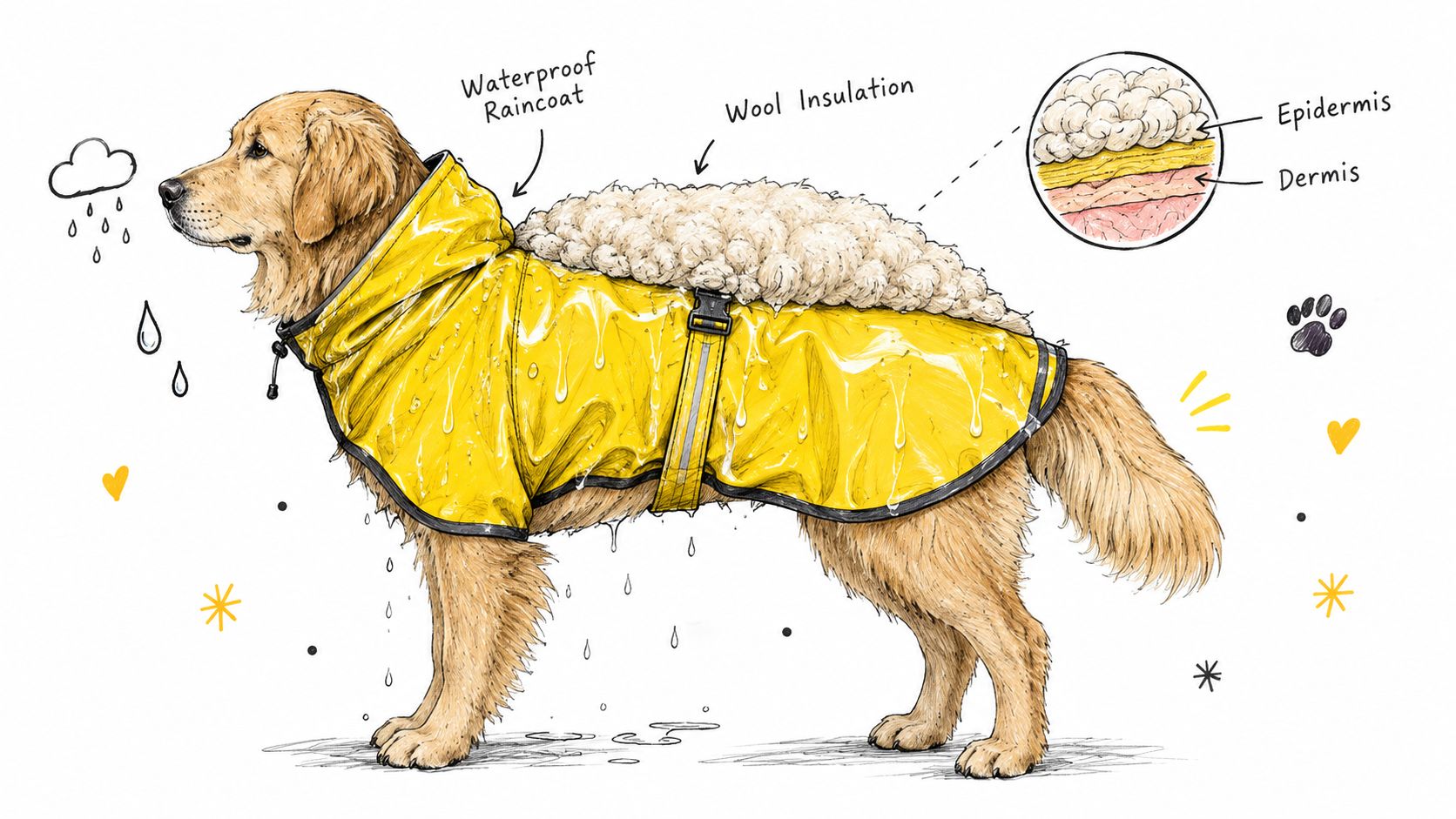
Think of the skin as a flexible, water-resistant raincoat and the coat as the insulating layer worn over it. Neither works well in isolation. Healthy hair can conceal irritated skin, and damaged skin can affect the quality of hair growing through it.
This illustration captures the protective-layer analogy.
The barrier beneath the fur
The epidermis is the outer protective layer. Its cells and lipids help limit water loss and keep environmental irritants outside the body.
Beneath it, the dermis contains supportive collagen, blood vessels, nerves, hair follicles, and sebaceous glands. Those glands produce sebum, an oily secretion that helps condition the skin and hair. That's why a newly flaky or greasy coat deserves more attention than just changing brushes.
Hair also follows a cycle:
- Anagen means growth. The follicle produces new hair.
- Catagen is transition. Active growth winds down.
- Telogen is rest. The hair remains before release and replacement.
Not every follicle moves through these phases together. Coat type, daylight, health, and living conditions all influence how noticeable shedding becomes.
Practical rule: Judge shedding by the skin underneath and the coverage left behind, not by the amount of hair in the vacuum.
A double-coated dog can release abundant undercoat while maintaining healthy coverage. Hair breaking off, persistent thinning, or new bald patches tell a different story.
The raincoat analogy has another useful limit: skin isn't meant to be scrubbed until it feels completely oil-free. When owners repeatedly strip or irritate the surface, they can undermine the very barrier they're trying to improve. Gentle care protects that surface while a veterinarian investigates unexplained changes.
Common Skin and Coat Problems and Their Causes
Among 743 itchy-disease cases collected by Swiss veterinarians, atopic dermatitis was diagnosed in 59.1%, while otitis occurred in 26.1%, according to the Swiss study of canine pruritic disease. These were dogs presented for itching, not a sample of all dogs. The useful lesson is that skin complaints often involve overlapping problems rather than a single isolated diagnosis.
The cause families below help organise those possibilities.
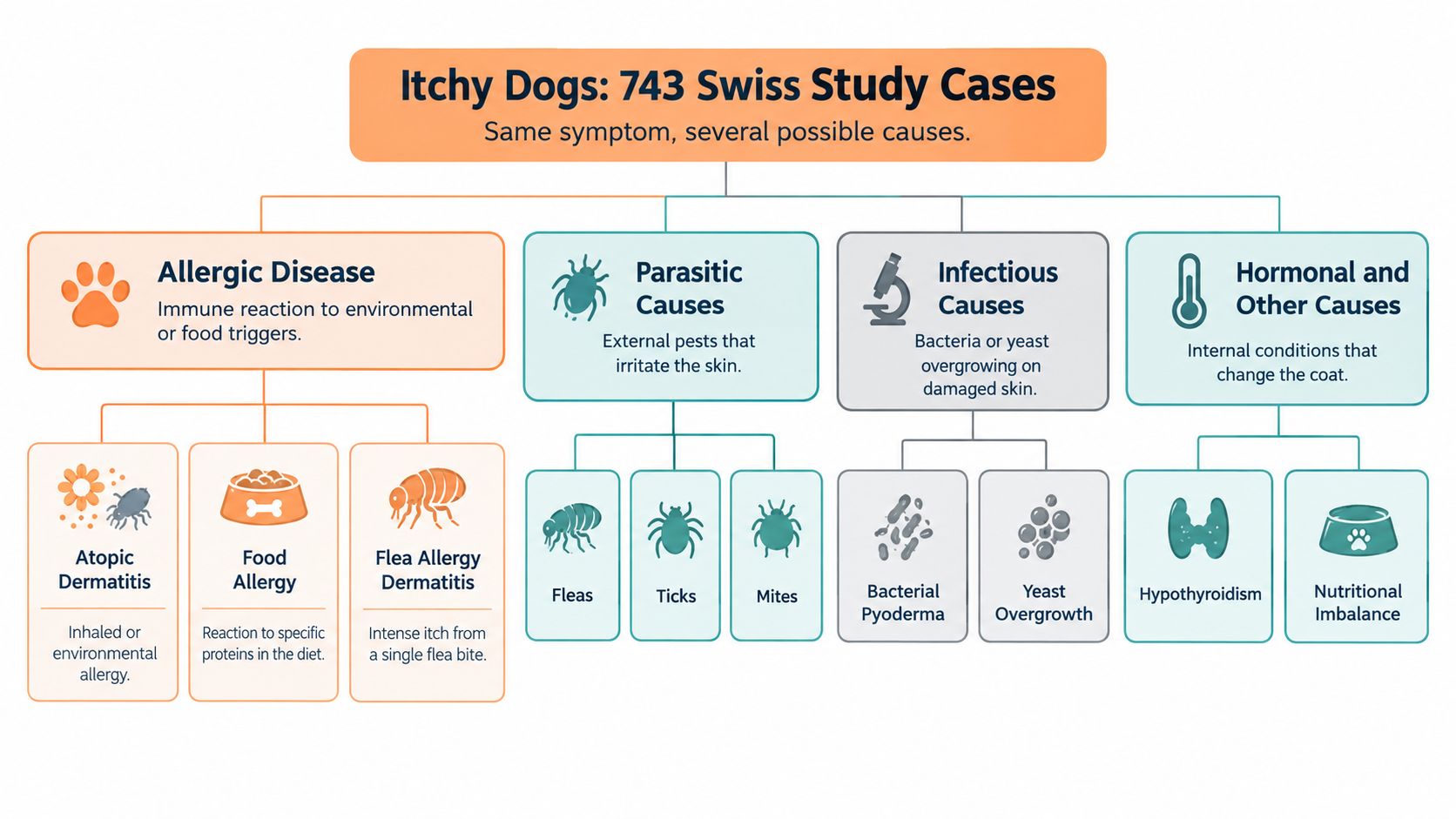
Match the pattern, not just the symptom
| Problem | Typical signs | Common causes |
|---|---|---|
| Allergic dermatitis | Itch, paw licking, ear infections, redness | Environmental allergens, food allergens, genetic susceptibility |
| Parasites | Itch, hair loss, flea dirt, scabs | Fleas, ticks, Sarcoptes or Demodex mites |
| Bacterial infection (pyoderma) | Pustules, crusts, odour, circular lesions | Staphylococcus overgrowth, often secondary to allergy |
| Yeast overgrowth | Greasy coat, musty odour, darkened skin, itch | Malassezia overgrowth in ears, paws, and skin folds |
| Nutritional deficit | Dry, scaly skin, dull coat, excess shedding | Inadequate essential fatty acids; zinc-responsive skin disease in rarer cases |
| Hormonal disease | Symmetrical hair loss; thin skin in some conditions | Hypothyroidism or Cushing's disease |
Allergic disease can involve environmental triggers, food reactions, or flea bites. Paw licking and recurrent ear trouble can be more noticeable than a rash. You can't reliably distinguish food allergy from environmental allergy by looking at the coat.
Parasites require a different approach. Fleas can be difficult to find, especially when a dog removes them through grooming. Sarcoptes and Demodex mites also behave differently, so an owner's description of mange isn't a diagnosis.
Infectious problems include bacterial pyoderma and yeast overgrowth. These may develop alongside an underlying allergy or another barrier disorder. Treating the infection can improve comfort, but recurrence should prompt a search for what allowed it to develop.
Consider what's happening beyond the skin
Nutritional and hormonal problems belong in the differential diagnosis, especially when coat changes occur without obvious itching. Symmetrical thinning shouldn't automatically trigger a new supplement, and zinc shouldn't be added casually to a complete diet.
Household exposure matters too. If redness follows floor cleaning, bedding treatment, or contact with a fragranced product, record the product and timing. For practical housekeeping changes, safer cleaning advice from Gmaids offers a useful starting point, but switching cleaners won't resolve an established infection.
Say a dog has itchy paws, a musty smell, and recurring ear discharge. A shampoo might temporarily change the smell, yet the veterinarian may need to address both inflammation and microbial overgrowth. A sign provides a clue; the combination of signs determines the investigation.
Diagnosing the Cause Before You Treat
A useful diagnostic test answers a question that changes treatment. The starting point isn't a large test panel. It's the timing, distribution, and character of the problem.
Before the appointment, record when symptoms began, whether they come and go, recent food or treat changes, parasite prevention, and every topical product used. Photograph untreated lesions if you can do so without delaying care.
How the investigation usually proceeds
- History and full examination. The veterinarian maps the affected areas and checks the rest of the dog. Belly irritation, paw chewing, and rump-focused scratching suggest different possibilities, but none proves a cause alone.
- Flea and parasite assessment. A flea comb can uncover fleas or flea dirt. Skin scrapings or other sampling may help investigate mites, although a negative sample doesn't always exclude them.
- Skin and ear cytology. Tape samples, impressions, or swabs allow examination for bacteria, yeast, and inflammatory cells. The findings help determine whether antimicrobial treatment is appropriate.
- Culture when indicated. Recurrent infection or poor treatment response may justify bacterial culture and susceptibility testing rather than another empirical medication.
- Hair or systemic investigation. A trichogram examines plucked hairs. Bloodwork and targeted endocrine testing may be appropriate when hair-loss patterns or other symptoms suggest an internal disorder.
- A supervised elimination diet. When food allergy is suspected, the veterinarian selects an appropriate diet and explains how to exclude other foods, flavoured medications, and treats.
- Allergy testing for a defined purpose. Environmental allergy testing can help plan immunotherapy after a clinical assessment. It isn't a shortcut that identifies every cause of itching.
The order changes with the dog. A painful ear may need immediate attention, while unexplained symmetrical thinning may shift the investigation toward systemic health.
If you haven't found fleas, why a dog may scratch without visible fleas can help you organise observations before the visit. Absence of visible fleas doesn't establish an allergy diagnosis.
When not to wait
- Arrange prompt assessment for foul odour, pustules, bleeding, circular crusted lesions, patchy hair loss, or ear discharge.
- Seek same-day veterinary advice for fever, lethargy, rapidly worsening skin, substantial pain, or a dog that seems generally unwell.
Don't scrub, squeeze, or repeatedly disinfect a suspicious lesion before asking the clinic how to prepare for the appointment.
Daily Care from Bathing to Paw Balm
Bathing should leave your dog clean and comfortable, not tight-skinned or intensely itchy. Choose the schedule around coat type, dirt exposure, and any prescribed treatment rather than a universal calendar.
Use this sequence as a handling guide, not a fixed bathing timetable.
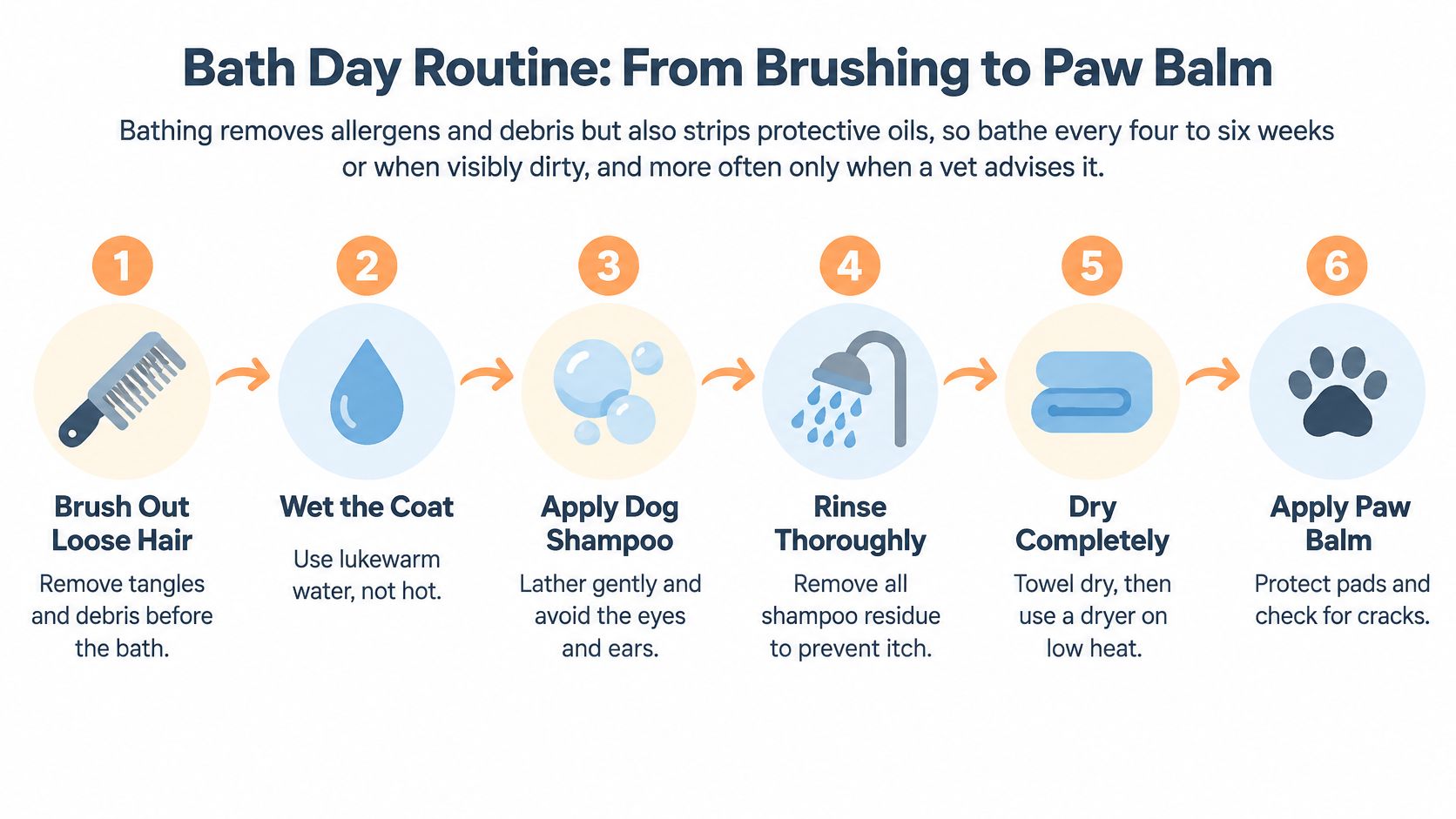
A gentler bath procedure
- Brush before wetting. Remove loose hair and manageable tangles. Tight mats need a groomer's help rather than forceful pulling.
- Wet the coat thoroughly with lukewarm water, working down to the skin without spraying into the ears or eyes.
- Massage in dog shampoo gently. Follow the stated contact time, especially for prescribed products.
- Rinse carefully under the belly, between limbs, and through dense coat until no slippery residue remains.
- Dry without overheating. Towel-blot, then use a low, comfortable dryer setting if your dog tolerates it. Pay attention to folds and dense undercoat.
- Check the paws and outer ears. Stop if you find tenderness, discharge, or raw skin.
A bath is also a useful opportunity to notice changes that ordinary petting misses. Don't put cotton swabs down the ear canal or use skin wipes inside ears unless the product is specifically intended for that location.
For a visual demonstration alongside these precautions, use the bathing video below.
Choose the topical for the problem
| Product type | Best for | Check with a vet first when |
|---|---|---|
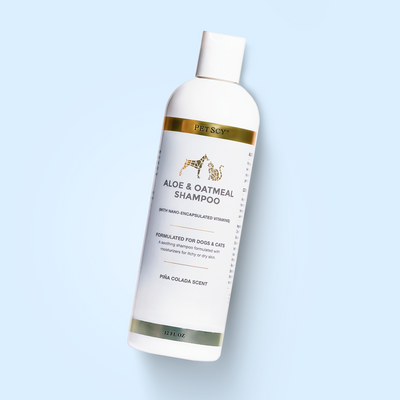
| Gentle oatmeal or aloe shampoo | Routine coat care and uncomplicated mild dryness | Lesions are open, painful, or possibly infected |
| Medicated antibacterial shampoo | Diagnosed bacterial surface infection | There's no diagnosis, or repeated use seems necessary |
| Antifungal shampoo or wipes | Diagnosed yeast overgrowth on appropriate external skin sites | Skin is raw, or the ear canal needs treatment |
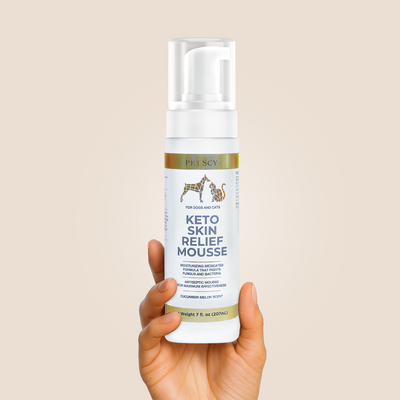
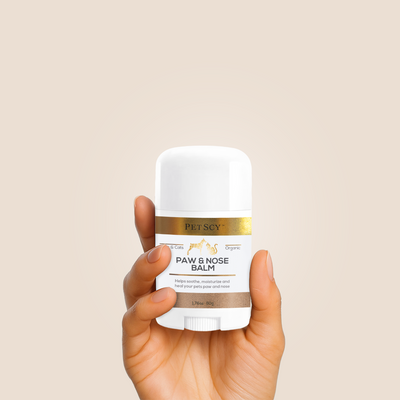
| Moisturising mousse or balm | Minor dryness, or dry pads and nose, according to formulation | There are deep cracks, pus, bleeding, or persistent licking |
PetScy Aloe & Oatmeal Shampoo is one routine-care option alongside other dog-formulated gentle shampoos. A medicated mousse isn't interchangeable with a plain moisturiser, so match its active ingredients and intended use to the problem.
For pad care, the guide to paw and nose balm for dogs explains where moisturising care fits. For cold-weather exposure, Denver Dog's winter paw protection tips for 2026 provide additional practical context.
The microbiome isn't identical everywhere
A small canine skin sequencing study found Staphylococcus predominating in 12 of 16 inflammatory lesion samples, while its healthy comparison group included only six dogs. That's a biological signal, not a universal diagnostic threshold or proof that every Staphylococcus finding needs treatment.
Paws, ears, folds, and trunk have different local conditions. An at-home microbiome result shouldn't determine treatment without clinical assessment. Persistent odour, redness, or lesions call for examination and appropriate sampling, not progressively stronger cleansing.
Nutrition, Omega-3s and Supplement Doses
Read the combined EPA plus DHA amount before considering an omega-3 dose. Total fish oil content isn't the same measurement, and a label that emphasises oil volume may not make the relevant fatty-acid content obvious.
Start with a complete, balanced diet appropriate for your dog's life stage. Adding a skin supplement won't make an unsuitable homemade diet nutritionally complete, and adding several overlapping products can make intake harder to assess.
Understand the fatty-acid label
Alpha-linolenic acid, or ALA, is found in flaxseed oil. Oily fish, krill, and algae oils provide EPA and DHA. These aren't interchangeable label terms, so don't assume a plant oil supplies the same EPA and DHA as a marine-derived preparation.
The Merck Veterinary Manual's discussion of canine atopic dermatitis lists approximately 65–90 mg/kg/day of combined EPA+DHA as a veterinary reference for canine atopic dermatitis. The table below is calculated from that reference, not a product instruction or a recommendation to start treatment.
| Body weight | EPA+DHA at 65 mg/kg/day | EPA+DHA at 90 mg/kg/day |
|---|---|---|
| 5 kg | 325 mg daily | 450 mg daily |
| 10 kg | 650 mg daily | 900 mg daily |
Ask your veterinarian to account for the dog's food, existing supplements, medications, and underlying disease before selecting a dose. Don't increase it just because scratching continues.
Absorption doesn't guarantee relief
In a randomised, double-blind, placebo-controlled trial involving 29 dogs with nonseasonal atopic dermatitis, supplementation changed fatty-acid concentrations over 10 weeks, but those changes didn't significantly correlate with clinical outcome. A measurable nutritional change therefore doesn't guarantee less itching.
The gut–skin connection needs similar caution. A study examining gut microbiota in dogs with atopic dermatitis identified altered microbial communities, but inflammation and its treatment may themselves influence those communities. Finding a difference doesn't prove that gut imbalance started the skin disease.
Set a measurable goal: Judge a supplement by your dog's comfort and skin condition, not by the promise of microbiome balance or a shinier coat.
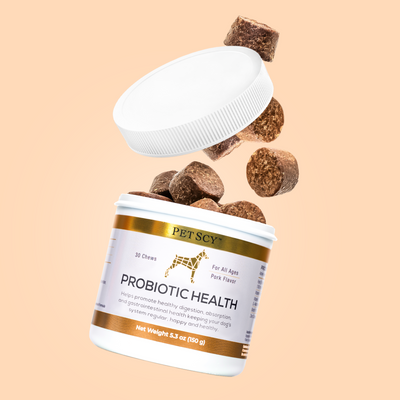
Probiotics may offer supportive benefits, but effects can differ by strain and dog. They shouldn't replace allergy management or treatment of secondary infection.
Use the fish oil dosage guide for dogs to prepare label questions for your veterinarian. Agree on an evaluation period, introduce changes deliberately, and record licking, redness, scratching, and digestive tolerance alongside coat appearance.
Seasonal Adjustments Through the Year
Your dog's environment matters more than the month on the calendar. A warm, humid region may bring prolonged parasite exposure, while a heated apartment can produce dry-skin challenges during cold weather.
Use seasonal patterns to anticipate care, not to explain away a new symptom.
| Season | Main exposure to watch | Practical adjustment |
|---|---|---|
| Spring | Pollen, grass contact, and seasonal coat release | Wipe paws and belly after walks; arrange an allergy review before the usual flare |
| Summer | Parasites, heat, swimming, and prolonged dampness | Maintain prescribed parasite prevention; rinse after swimming and dry thoroughly |
| Autumn | Coat transition, rain, and damp undercoat | Brush according to coat density and check beneath wet or tangled fur |
| Winter | Indoor dryness, road salt, ice melt, and cracked pads | Rinse exposed paws, dry between toes, and use an appropriate balm on intact dry skin |
Adjust to your dog's actual exposure
In spring, a dog that licks after walking through grass may benefit from a simple rinse and careful drying. Keep a record of where you walked and whether symptoms followed, rather than assuming every springtime itch is pollen-related.
Summer care requires more than a shorter haircut. After swimming, remove salt or pool residue with fresh water and dry areas that stay damp, including folds and the coat behind the ears. Don't shave a double coat automatically as a response to heat.
During autumn, brush gently enough to remove released undercoat without scraping the skin. New bald areas aren't an expected consequence of seasonal grooming.
- On wet days, remove damp harnesses and dry the chest, armpits, and belly.
- On salted pavements, rinse paws after the walk rather than allowing prolonged residue contact.
- Before predictable allergy flares, ask the clinic whether the existing management plan needs adjusting.
A dog travelling between climates may need a different routine immediately, not at the next seasonal change. Keep parasite prevention aligned with veterinary advice rather than stopping it because the weather feels cooler.
Build Your Skin and Coat Maintenance Routine
A sustainable routine should help you recognise change without turning every grooming session into a medical examination. Attach checks to activities you already do, such as removing the lead, brushing, or preparing food.
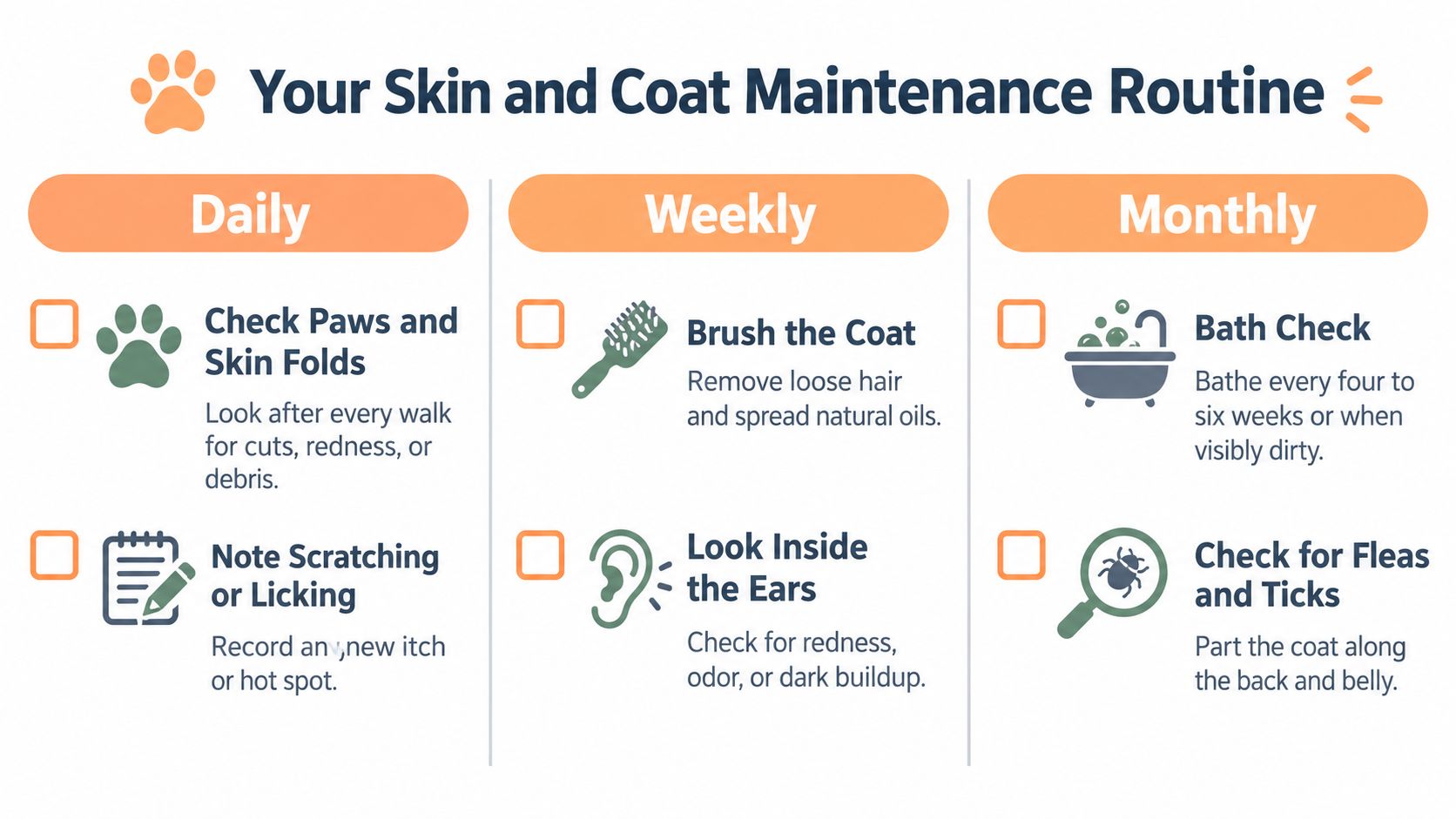
This checklist provides a starting framework; adjust bathing and grooming frequency to your dog.
Make observation part of ordinary care
- Daily: Check paws and accessible folds after walks. Notice whether licking interrupts rest, play, or meals, and remove visible debris gently.
- Weekly: Brush with tools suited to the coat, inspect the outer ears, and run a flea comb through accessible areas. Feel for new lumps, crusts, damp patches, or tenderness.
- Monthly: Review body weight, food intake, supplement labels, and nail comfort. Decide whether a bath is needed rather than bathing automatically, and check product expiry dates.
- Seasonally: Adapt walking, drying, and paw care to local conditions. Arrange a veterinary review before a predictable flare if your dog has an established allergy history.
Long or mat-prone coats may need brushing more often than this framework suggests. Likewise, prescribed skin treatment may require a very different schedule.
Know when maintenance has reached its limit
Book a veterinary visit when concerning signs appear, when symptoms recur, or when supportive care isn't producing improvement. Don't wait for a routine checkpoint if your dog is painful, bleeding, developing discharge, or becoming unwell.
Keep the routine simple enough to identify what changed. Starting a new food, shampoo, probiotic, and oil together makes it difficult to judge either benefit or intolerance.
Take dated baseline photographs of the coat, belly, paws, and any affected area today. Use similar lighting and angles for later pictures, then bring the log and a current product list to veterinary appointments so decisions rest on visible changes rather than memory.
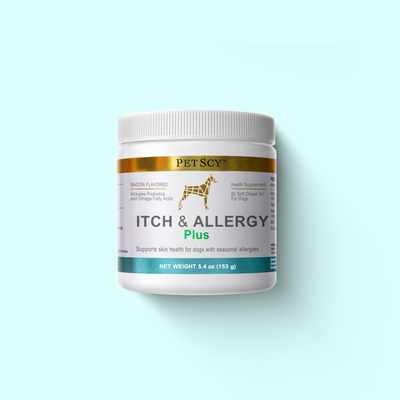
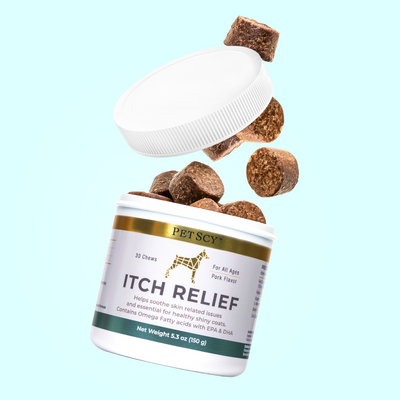
PetScy offers veterinarian-formulated supplements and topical care products for skin and coat support, including fish oil, gentle shampoo, and paw moisturising care. Visit PetScy to review ingredients and intended uses, then choose options that fit your dog's maintenance routine and veterinary treatment plan.