









Fish Oil for Dogs Itchy Skin: What Owners Should Know
Your dog scratches through the night. By morning, a raw hot spot has appeared, the paws are damp from licking, and an empty fish oil bottle sits on the kitchen counter. You may be wondering whether you chose the wrong product, stopped too soon, or missed the reason your dog is uncomfortable.
Fish oil can support dogs with itchy skin, but it isn't a universal itch cure. EPA and DHA may help regulate inflammation and support the skin barrier, while parasites, yeast, bacteria, food reactions, and ear disease can continue driving the itch. The useful question isn't, "Does fish oil work?" It's, "What is causing this dog's itch, and can correctly dosed fish oil help alongside proper treatment?"
Table of Contents
- Why Itchy Dogs Lead Owners to Fish Oil
- How Omega-3s Actually Calm an Itchy Dog
- What the Research Actually Shows
- How to Dose Fish Oil the Right Way
- Choosing a Quality Fish Oil Without the Marketing Hype
- When Fish Oil Is Not the Right First Move
- Layering Fish Oil with Other Skin Support
- A Practical Starting Plan and Common Questions
Why Itchy Dogs Lead Owners to Fish Oil
Seasonal paw licking, recurring ear irritation, flaky skin, and a dull coat often push owners toward something they can add at home. Fish oil feels like a sensible choice because it comes from food, is widely available, and contains omega-3 fatty acids associated with inflammatory balance and skin health.
That instinct is understandable. If your dog is uncomfortable, a supplement seems less intimidating than a prescription, especially when the itching appears mild or comes and goes. Resources such as these home remedies for canine irritation can also help owners think through gentle supportive care while they decide whether professional assessment is needed.

The problem starts when “natural” becomes a substitute for diagnosis. Fish oil may soften the inflammatory response, but it won't remove fleas, clear a yeast overgrowth, treat a bacterial infection, or identify a food reaction. A dog can receive a thoughtful supplement and still worsen because the trigger remains active.
What fish oil can and cannot promise
Think of fish oil as supportive skin care, not an emergency off-switch. Its potential value depends on several practical details:
- The diagnosis: Inflammation linked with allergic skin disease may respond differently from itching caused by mites or infection.
- The label: The useful dose is based on EPA plus DHA, not the total weight of the oil or the number of capsules.
- The timeline: Skin changes usually require consistent use over several weeks, not a single serving.
- The rest of the plan: Parasite control, ear care, food trials, medicated treatment, or other veterinary measures may matter more than the supplement.
The central idea: Fish oil may help the skin cope with inflammation, but it doesn't explain why the inflammation started.
That distinction keeps expectations realistic. You can use omega-3 support thoughtfully while still arranging a veterinary examination when the itch is persistent, intense, spreading, or accompanied by odor, discharge, hair loss, or damaged skin.
How Omega-3s Actually Calm an Itchy Dog
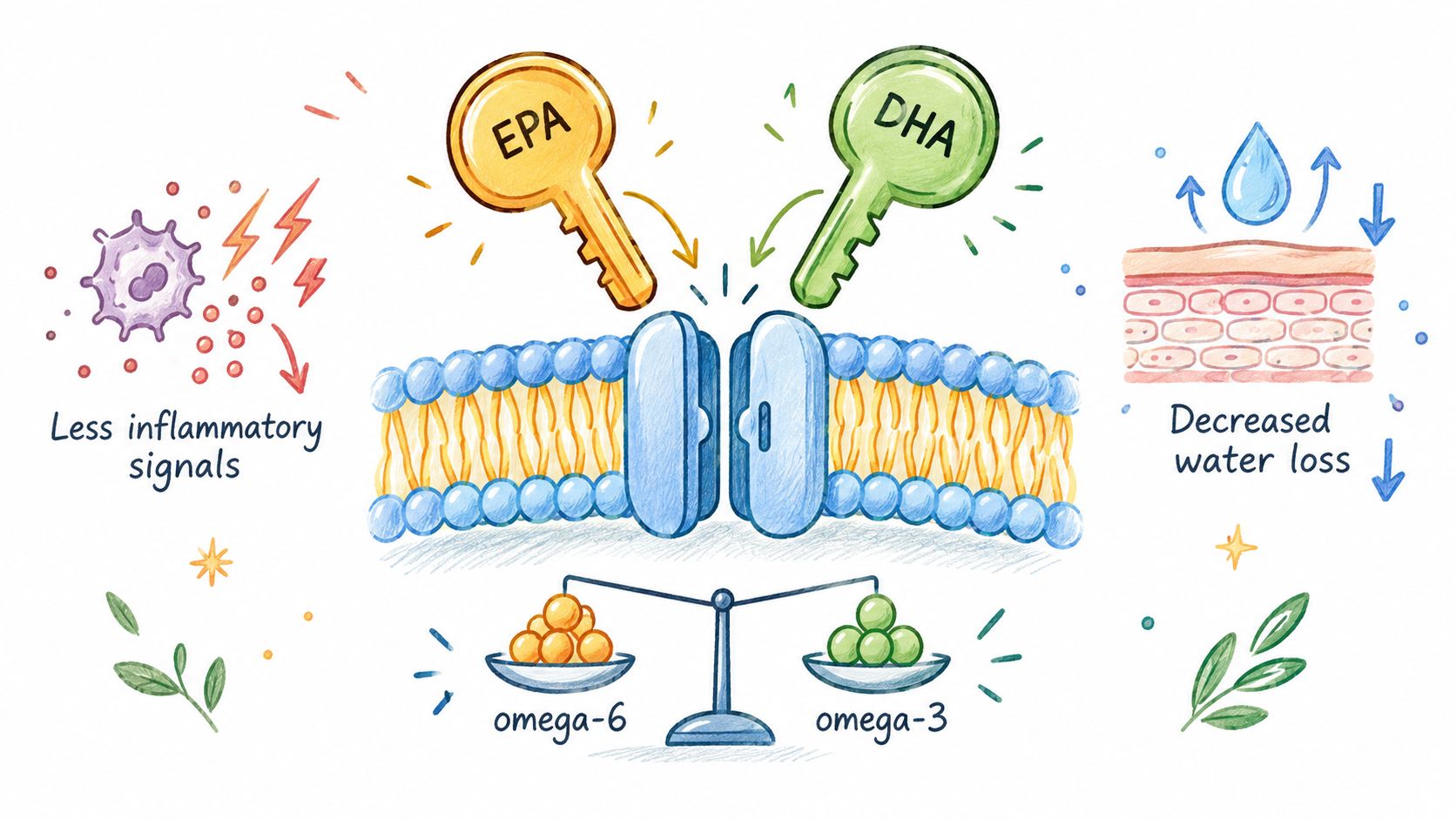
EPA and DHA are long-chain omega-3 fatty acids found in marine oils. A useful analogy is to picture skin-cell membranes as flexible doors. Fatty acids sit inside those doors, and the type of fatty acid present influences which inflammatory signals the cell can produce when the immune system reacts.
Many diets contain omega-6 fatty acids, including arachidonic acid. The body uses these fats to make signaling compounds involved in inflammation. Inflammation itself isn't always harmful. It helps the body respond to injury or infection. The difficulty comes when allergic or irritated skin keeps sending inflammatory signals after the original trigger has not been resolved.
EPA and DHA can enter cell membranes and compete within some of the same biochemical pathways. The resulting mediators tend to be less inflammatory than several compounds derived from arachidonic acid. That doesn't mean omega-3s erase inflammation. It means they can help shift the character of the response.
EPA, DHA, and the skin barrier
The skin barrier works like a protective seal. It helps keep moisture inside and limits the entry of irritants. Omega-3 fatty acids can influence the lipid composition of that barrier, which may support more resilient skin and reduce the cycle of dryness, irritation, scratching, and further barrier damage.
Fish oil is useful here because it supplies EPA and DHA directly. Plant oils may contain alpha-linolenic acid, or ALA, but dogs convert ALA into the long-chain fatty acids used in skin-related pathways inefficiently. A food or supplement containing declared EPA and DHA therefore provides a more direct route than choosing any product labeled “omega-3.”
This mechanism explains both the promise and the limitation. Fish oil can support the inflammatory pathway and skin structure, but it doesn't neutralize an allergen, kill a parasite, or remove infected material from an ear canal.
Fish oil changes the ingredients available to inflammatory cells. It doesn't switch off itching on contact.
The body also needs time to incorporate fatty acids into tissues and for damaged skin to recover. That's why a sensible trial involves sustained, correctly measured supplementation and observation over several weeks, rather than increasing the amount after a day or two because the scratching hasn't stopped.
What the Research Actually Shows
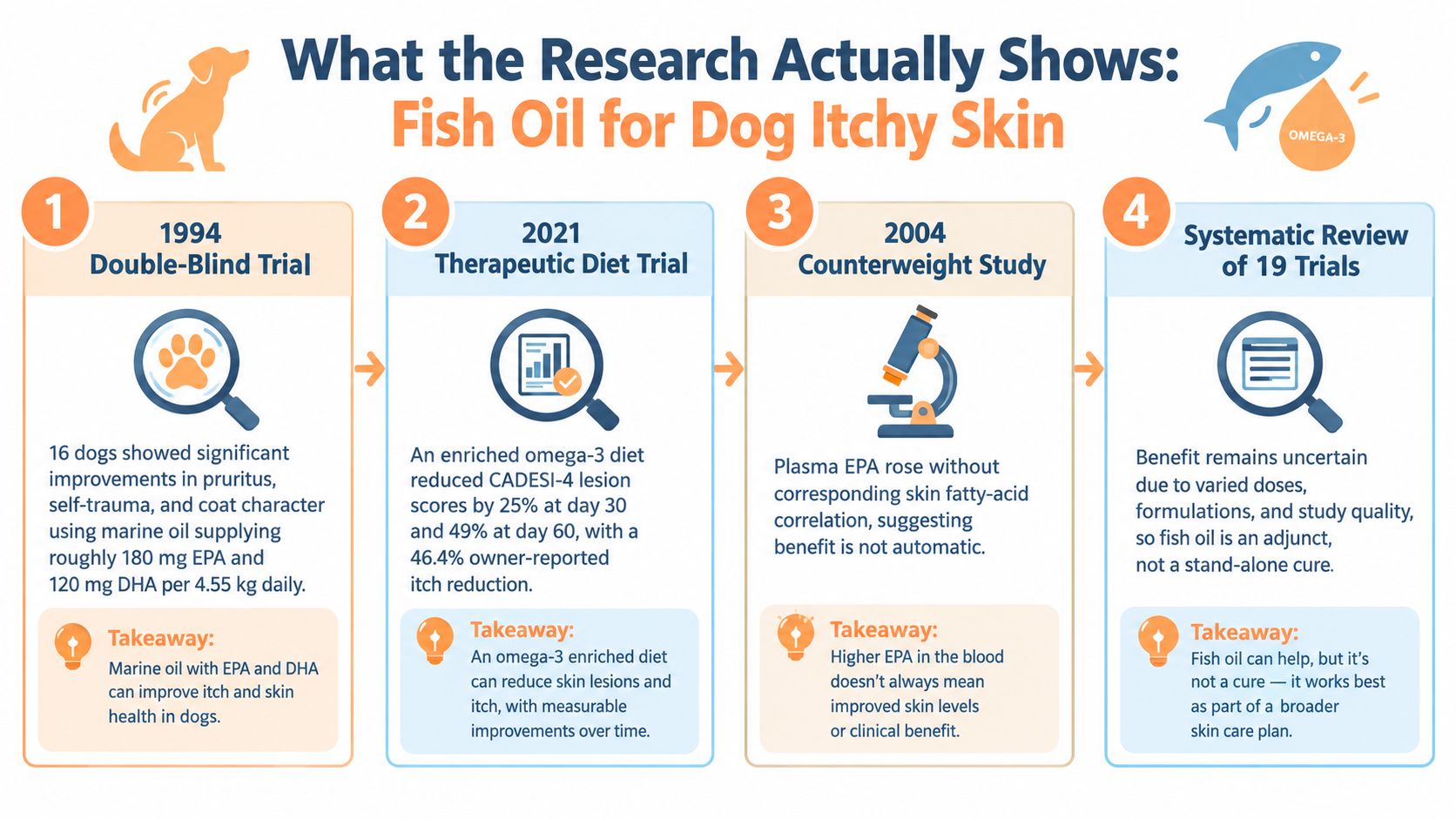
The clinical evidence is encouraging, but it doesn't support the idea that fish oil works for every itchy dog. A foundational 1994 double-blind, randomized crossover study evaluated 16 dogs with idiopathic pruritus, confirmed atopy, and/or flea allergy. During the treatment period, the marine oil supplied 180 mg of EPA and 120 mg of DHA per 4.55 kg of body weight daily, and researchers reported significant improvements over time in pruritus, self-trauma, and coat character. Compared with the control oil, improvements were also reported for pruritus, alopecia, and coat character. Read the 1994 marine-oil trial
That result helped establish marine omega-3s as a plausible adjunct for inflammatory skin disease. It wasn't proof that every itchy dog would respond. The sample was small, and the dogs had mixed diagnoses, which makes broad conclusions risky.
Why the larger picture is more complicated
A 2021 randomized, double-blind, placebo-controlled trial studied a complete diet enriched with antioxidants, polyphenols, EPA, and DHA. CADESI-4 skin-lesion scores fell by 25% after 30 days and 49% after 60 days, with the day-60 result statistically significant. Owners reported a 46.4% reduction in itching in the enriched-diet group by day 60, compared with 26.8% in the control group. Review the 2021 therapeutic-diet findings
Those results apply to a multi-component therapeutic diet. They can't be credited to fish oil alone, because antioxidants, polyphenols, and the overall diet were part of the intervention.
A separate 2004 randomized, double-blind trial involving 29 dogs with nonseasonal atopic dermatitis found that EPA and DHA supplementation increased EPA in plasma, but it didn't establish a significant relationship between fatty-acid concentrations and clinical outcome. A systematic review covering 19 randomized trials involving 527 dogs also found that differences in diets, formulations, doses, treatment periods, and study quality prevented dependable pooled efficacy estimates. See the systematic review of essential-fatty-acid interventions
The honest conclusion is measured: fish oil may provide mild, useful support for some dogs, but it isn't a standalone cure. Improvement can be partial, gradual, and highly dependent on the diagnosis and the rest of the treatment plan.
How to Dose Fish Oil the Right Way
Dosing starts with the back label, not the front of the bottle. A softgel might be described as containing 1,000 mg of fish oil, but that figure doesn't tell you how much EPA and DHA it supplies. Look for separate milligram amounts, then add them together.
For dermatologic support, veterinary reference guidance has listed approximately 65 to 90 mg of combined EPA and DHA per kilogram of body weight once daily, while another nutrition guideline has cited approximately 70 mg/kg/day. Dermatology studies have used a wide range, roughly 0.99 to 43 mg/kg of EPA and 0.66 to 30 mg/kg of DHA, which is why a veterinarian should help interpret the product, the dog's diet, and the intended use. Review veterinary dosing considerations
A label-reading example
Suppose a product lists EPA and DHA separately. You would:
- Add the two amounts: EPA plus DHA equals the relevant daily omega-3 total.
- Check the dog's body weight: Convert the target into the dog's kilograms.
- Compare the product's concentration: Work out how many capsules or milliliters provide the intended amount.
- Account for the complete diet: A therapeutic food may already supply meaningful omega-3s, so extra supplementation may not be appropriate.
A product's serving suggestion can be useful, but it shouldn't replace this calculation when the label and your veterinarian's recommendation differ. A practical fish oil dosage chart for dogs can help you identify the information you need before discussing it with your veterinary team.
Introduce the oil gradually rather than moving immediately to the full amount. A slow increase over 7 to 14 days can make loose stools, stomach upset, or fishy burps less likely. Stop and ask your veterinarian for advice if digestive signs persist, the dog has a history of pancreatitis, takes medication that affects clotting, has a bleeding disorder, or is preparing for surgery.
The safest rule is simple: count EPA and DHA, introduce gradually, and review the plan when the dog has another medical risk.
Choosing a Quality Fish Oil Without the Marketing Hype
A clear label tells you more than a glossy picture of salmon. Start by checking whether the product identifies the amount of EPA and DHA, the source fish, storage instructions, lot information, and any testing or quality standards.
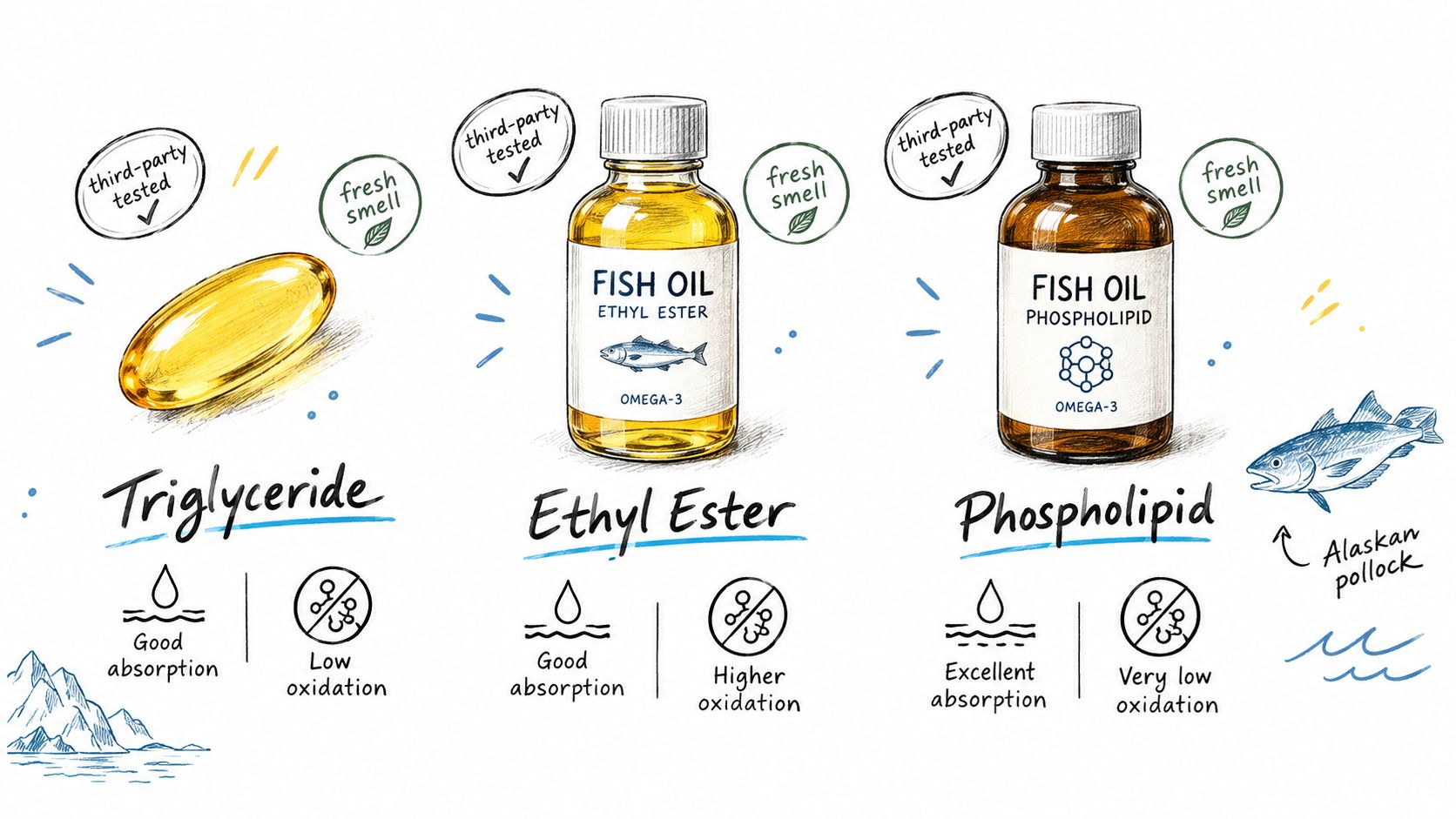
Fish oil can appear in several molecular forms:
| Form | What it means for an owner |
|---|---|
| Triglyceride | Closer to the form found in whole fish and commonly chosen for practical absorption. |
| Ethyl ester | A concentrated form used in some products that deserves careful attention to freshness and storage. |
| Phospholipid | Commonly associated with krill-style products and often positioned as a premium option. |
These categories don't automatically determine whether a product is appropriate. Declared EPA and DHA, freshness, quality controls, and veterinary suitability matter more than a premium-sounding format.
Freshness is not a minor detail
Oxidation can make an oil rancid and reduce confidence in the product. A strong smell resembling old pennies, paint, or stale cooking oil is a reason to stop using it. A mild marine smell can be normal, but “fresh ocean” is a better sign than an aggressively sour or stale odor.
Look for evidence of peroxide testing, third-party verification, and transparent manufacturing practices. NASC membership can indicate adherence to industry quality standards, although owners should still inspect the actual label and storage conditions. Keep liquid products sealed, protected from heat and light, and use them within the stated period after opening.
Wild-caught and farmed sources aren't interchangeable marketing terms. Products made from smaller, shorter-lived fish such as Alaskan pollock may be selected partly because those fish can accumulate fewer contaminants than larger, longer-lived species. Salmon can also be used, but the source and testing information still matter.
If you're already comparing household products by material, filtration, and testing claims, the same label-reading habit applies to this guide to compare shower filters for hard water. For dog supplements, however, keep your focus on EPA, DHA, freshness, and veterinary appropriateness. A dog fish oil selection guide can help organize those checks without treating packaging claims as proof of clinical benefit.
When Fish Oil Is Not the Right First Move
“Natural” doesn't mean diagnostically sufficient. Fish oil may support inflammation while the trigger continues to irritate the skin, which is why some dogs can finish an entire bottle with little visible change.
Four broad categories deserve attention:
- Parasites: Fleas, mites, and sarcoptic mange can produce intense itching. Omega-3s won't eliminate the parasite or stop exposure.
- Infections: Bacterial pyoderma and Malassezia yeast can cause damaged, inflamed, or smelly skin. These problems may need targeted veterinary treatment.
- Food reactions: A food-related response requires a structured dietary investigation, not simply a new oil.
- Structural or behavioral causes: Skin folds, trapped moisture, contact irritation, and repetitive licking can maintain a sore area even when inflammation is only part of the problem.
A dog with flea allergy dermatitis may keep chewing because the flea exposure continues. A dog with yeast in the ears may keep shaking its head because the canal needs examination and treatment. Fish oil can be an adjunct in either situation, but it shouldn't delay the work needed to identify the cause.
Signs that deserve veterinary attention
Arrange a veterinary assessment before relying on supplementation when the itch is sudden or severe, hot spots are spreading rapidly, the ears smell or produce discharge, the skin has become thickened, or hair is falling out. Itching concentrated around the paws and ears alongside digestive signs also deserves a closer look.
The supplement can support the inflammatory component, but it can't remove the trigger.
Keep the home environment clean without using products that could further irritate exposed skin. Advice such as how to trust Canes Cleaners for tips may help you think about pet-safe household cleaning, but environmental cleaning should complement, not replace, a veterinary skin and parasite evaluation.
Layering Fish Oil with Other Skin Support
A useful routine often combines inside-out and outside-in care. Oral EPA and DHA support the inflammatory pathway, while topical products address the surface where dryness, licking, and irritation are visible.
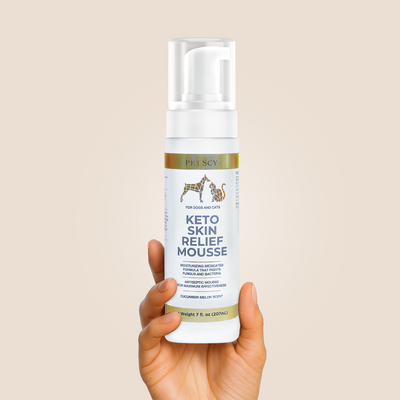
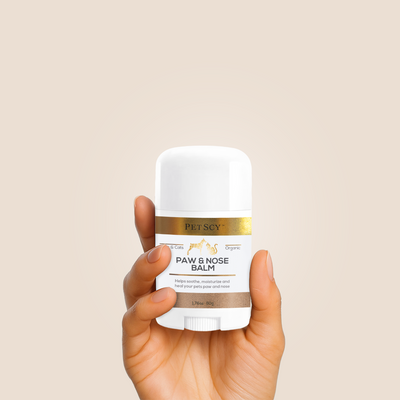
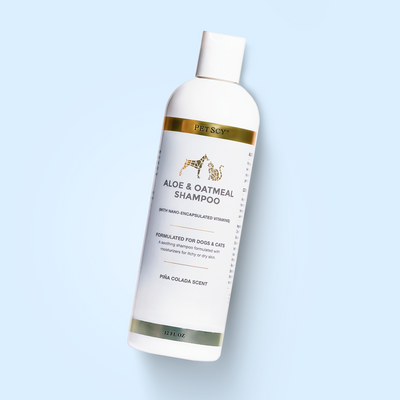
A gentle Aloe & Oatmeal Shampoo may soothe and clean the coat during a flare-up, provided the veterinarian hasn't prescribed a medicated wash instead. A topical mousse or balm can provide targeted support for dry areas, and a paw balm may help protect cracked pads from further irritation.
Build the routine around the actual problem
- Skin surface: Use gentle bathing or a veterinary-recommended topical for dry, irritated zones.
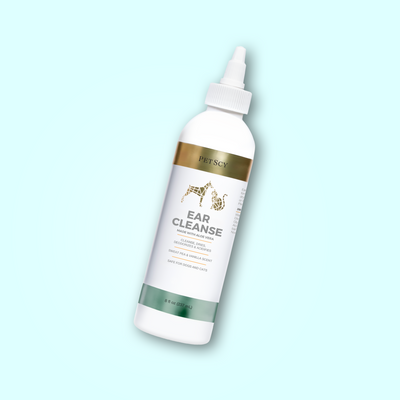
- Ear involvement: Clean the ears only with an appropriate ear product and veterinary guidance, especially when there is odor, discharge, pain, or repeated head shaking.
- Dietary support: Use fish oil when the EPA and DHA amount fits the dog's overall diet and health status.
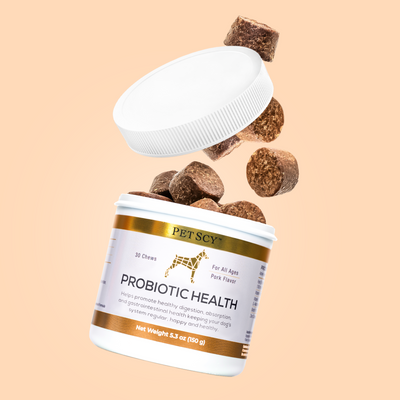
- Gut and immune support: A probiotic chew may be discussed during seasonal allergy periods, particularly when digestive balance is also a concern.
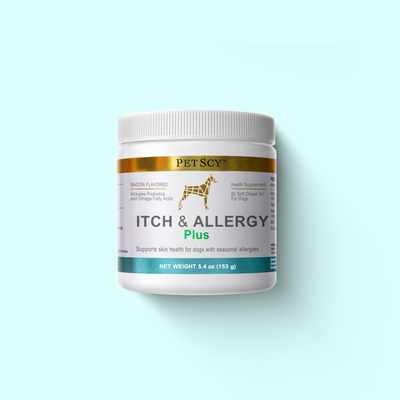
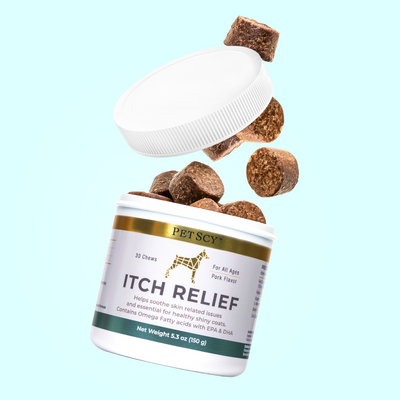
PetScy's Itch & Allergy Plus Chews combine probiotics with skin-supporting ingredients, and the company also offers a Fish Oil food topper, so owners can review those options as part of a broader conversation about diet and supplements. The relevant probiotic and skin-support chew information should be considered alongside the dog's diagnosis, current food, medications, and veterinary recommendations.
The goal isn't to stack products indiscriminately. It's to assign each tool a clear job and stop using anything that causes digestive upset, worsens the coat, or provides no meaningful benefit after a fair trial.
A Practical Starting Plan and Common Questions
Start by asking your veterinarian to check for parasites and infection. Then choose a transparent fish oil with declared EPA and DHA, calculate the amount from the back label, introduce it gradually, and record scratching, paw licking, redness, coat quality, and ear symptoms each week.
How long before results? Visible skin or coat changes often take 4 to 8 weeks, so don't increase the dose quickly when there is no immediate response.
How can you spot oxidation? A harsh stale, metallic, or paint-like odor is a reason to stop using the bottle and contact the manufacturer.
What if the dog already eats a therapeutic omega-3 diet? Ask whether additional oil is needed. Extra supplementation may add unnecessary fat or duplicate the diet's intended nutrient plan.
Is krill oil worth paying more for? Not automatically. Compare declared EPA and DHA, freshness controls, testing, and suitability rather than assuming a higher price means better itch control.
Fish oil is supportive skin care. Its value grows when the diagnosis is clear, the dose is calculated correctly, and topical, ear, dietary, or prescribed treatments address the parts fish oil cannot.
PetScy offers dog-focused options including Fish Oil, Itch & Allergy Plus Chews, Aloe & Oatmeal Shampoo, Ear Cleanse, and topical skin products for owners building a coordinated support routine. Visit PetScy to review the available products and choose what fits your dog's needs alongside veterinary guidance.