









NASC Member Adhering to Strict Industry Quality Standards.
You're standing in a pet aisle with two joint supplements in your hands. Both list familiar ingredients, both promise support for an aging dog, and one costs more because it carries the NASC Quality Seal. The other bottle looks polished, but its label tells you little about how consistently the manufacturer produces each batch, investigates complaints, or verifies that the finished product matches its claims.
That uncertainty is exactly why it helps to understand what an NASC member adhering to strict industry quality standards does. The seal isn't a promise that every dog will experience the same result, and it isn't a substitute for veterinary advice. It's a visible sign of a quality system involving documented procedures, facility audits, label controls, adverse event reporting, and independent product testing. Here's how to read that system before you buy.
Table of Contents
- Why the Supplement Label Matters More Than the Ingredient List
- How the National Animal Supplement Council Came to Exist
- The Four Pillars Behind the NASC Quality Seal
- How Audits and Random Testing Keep the Seal Honest
- How to Verify NASC Compliance Before You Buy
- What NASC Compliance Means for Your Dog Day to Day
- How PetScy Aligns With NASC Quality Practices
- Putting It All Together and Your Questions Answered
Why the Supplement Label Matters More Than the Ingredient List
An ingredient panel answers one basic question: what the manufacturer says is in the product. It doesn't, by itself, show whether the company verifies ingredient identity, controls production records, monitors complaints, or checks finished goods for consistency.
That distinction matters when two products appear similar. A bottle might list glucosamine, chondroitin, fish oil, or probiotics, but the list won't reveal whether the manufacturer uses written procedures for receiving ingredients, storing materials, blending formulas, and releasing finished batches. It also won't tell you whether the company has a structured way to investigate a report that a dog became ill after use.
Animal supplements developed in a regulatory environment where the product category hasn't always fit neatly into an appropriate legal framework. The National Animal Supplement Council's historical summary explains that NASC formed in 2001 after concern that regulators could remove many animal dietary supplement products from the market because no suitable legal category existed. That history helps explain why voluntary quality systems became important to responsible manufacturers.
What the label can't show
A label can identify an ingredient, serving direction, warning statement, and intended animal species. It can't independently demonstrate that:
- Every batch follows the same written process
- The company can trace an ingredient through production
- Complaints enter a monitored reporting system
- The finished product supports its label claims
- Warning and caution language follows relevant guidance
Those controls sit behind the packaging. They're the difference between reading a recipe and knowing whether the kitchen follows sanitation, measurement, and inspection procedures.
For additional context, you can also review how product origin and ingredient sourcing are described in this guide to made-in-the-USA products with globally sourced ingredients. Country-of-origin language still doesn't replace quality verification, but it can help you ask better questions about manufacturing and sourcing.
Practical rule: Treat the ingredient list as the starting point, not the complete quality assessment.
The NASC Quality Seal gives shoppers another layer to examine. Later, you can verify whether the company is listed and whether the specific product displays the seal. That product-level check matters because membership alone doesn't automatically mean every item from a company carries the mark.
How the National Animal Supplement Council Came to Exist
NASC was formed in 2001 in response to a practical problem. Animal supplement manufacturers needed an appropriate legal and quality framework, while regulators faced a product category that didn't fit cleanly into existing classifications. The council's stated purpose was to improve and standardize the animal health supplement industry, rather than leave quality decisions entirely to individual companies. (NASC historical overview)
A useful comparison is the UL mark on electrical products. A UL mark doesn't mean an appliance will last forever or suit every household. It tells you that the product has been evaluated within a defined safety framework. NASC works similarly as an industry quality signal, although the specific requirements relate to animal health supplements, manufacturing controls, labeling, and post-market monitoring.

Voluntary participation with defined obligations
NASC membership isn't merely a logo subscription. Primary Suppliers must sign the NASC Member Accountability Guidelines and remain in ongoing compliance with stringent quality requirements. A company earns permission to display the Quality Seal only after passing an independent facility audit and meeting the program's continuing expectations. (NASC Quality Seal requirements)
Those expectations include a written Quality Control Manual, a monitored system for adverse events and complaints, and label rules covering warning and caution statements recommended by veterinary regulators. The council's framework therefore asks companies to document what they do, monitor what happens after sale, and communicate product information responsibly.
Why the origin still matters
The council's founding story shows why the seal should be understood as a compliance framework, not a decorative badge. When a product category lacks a single, simple government approval pathway, a manufacturer's internal discipline becomes especially important. NASC creates a common set of expectations that responsible companies can adopt and maintain.
That doesn't mean shoppers should stop asking questions. It means they have a clearer set of questions to ask: Does the company follow written procedures? Does it investigate complaints? Does it submit to independent review? Does its label communicate the product accurately?
The Four Pillars Behind the NASC Quality Seal
The seal rests on several controls that work together. If one control is missing, a company may have less ability to detect or correct a problem. The four most useful ideas for shoppers are quality systems, label compliance, adverse event reporting, and independent audits and testing.

Quality systems
What it is: A member must maintain a written Quality Control Manual with standard operating procedures. Those procedures create a repeatable record of how the company receives materials, manages production, controls equipment, documents decisions, and handles quality issues. (NASC program description)
What it prevents: Without documented procedures, employees may handle similar batches differently, records may be incomplete, and the company may struggle to identify where a deviation occurred. A written system gives auditors something concrete to review and gives staff a consistent process to follow.
Label compliance
What it is: NASC's quality framework includes stringent label compliance and caution statements aligned with FDA-CVM and NASC Scientific Advisory Committee guidance. The label should communicate the product's ingredients, intended use, directions, and relevant warnings without creating a misleading impression. (NASC seal standards)
What it prevents: Clear label rules reduce the risk of inaccurate ingredient descriptions, unclear serving directions, and omitted cautions. They also help distinguish a measured formulation from broad marketing language.
Adverse event reporting
A company needs a formal way to receive and evaluate complaints or reports of possible side effects. That system shouldn't depend on one employee remembering an email or a customer service note disappearing into an inbox.
What it prevents: Structured reporting improves signal detection. If multiple customers describe a similar reaction, the manufacturer has a defined process for logging, reviewing, and responding to the pattern.
Audits and testing
Independent facility audits examine whether the company's documented system operates in practice. Random independent product testing then provides another check on finished goods and label claims. Together, these controls address both process quality and product output.
A reliable seal connects the procedure on paper with the product in the bottle.
These pillars aren't separate marketing benefits. They form a feedback loop. Procedures guide production, audits examine implementation, complaint systems capture real-world signals, and testing checks whether the finished product continues to match its label.
How Audits and Random Testing Keep the Seal Honest
The Quality Seal depends on continuing verification. NASC's public audit program states that members must complete a facility audit every two years, maintain ongoing compliance with quality requirements, participate in annual continuing education, and pass random independent product testing. (NASC audit program)
That schedule changes how you should interpret the mark. It isn't the equivalent of passing one inspection and keeping the result forever. A member must keep its quality system active between audits and continue meeting the program's expectations.

What an audit examines
An auditor is looking for evidence that the company can control its operations and account for its products. That may include:
- Written procedures: Are production and quality activities documented?
- Records: Can the company show that employees followed those procedures?
- Complaint controls: Does the reporting system capture and evaluate adverse events?
- Label review: Do product statements and caution language meet program expectations?
- Facility practices: Does the site support controlled, repeatable manufacturing?
The exact records vary by operation, but the principle is straightforward. Auditors don't just ask whether a company claims to value quality. They look for evidence that people perform defined tasks and preserve the records needed to verify them.
Why random testing adds another safeguard
A facility audit reviews the system. Random product testing checks what comes out of that system. Independent testing can help verify whether a finished product supports its label claims and can identify problems such as ingredient substitution, potency drift, or manufacturing variability over time.
That combination matters because a company could have attractive procedures yet fail to execute them consistently. Conversely, a product might test well once while the broader manufacturing system remains poorly documented. NASC's model addresses both possibilities by requiring documented controls, recurring audits, and random independent testing.
A current seal therefore represents an ongoing obligation. It doesn't certify efficacy for your individual dog, but it gives you evidence that the manufacturer accepts external scrutiny of its facility, records, labels, and products.
How to Verify NASC Compliance Before You Buy
Verification starts with the product in your hand. Look for the NASC Quality Seal on the front or back of the package, then compare the product information with the manufacturer's website. Don't assume that a company's membership automatically covers every supplement or treat it sells.
Use a product-level check
Follow this simple sequence:
- Inspect the package: Look for the recognizable NASC Quality Seal rather than a phrase such as “high quality” or “professionally tested.”
- Read the full label: Check the species, directions, ingredient identity, amounts, cautions, and contact information.
- Check the company's claims: “NASC member” describes the company's status. “NASC Quality Seal” should refer to a qualifying product authorized to display the mark.
- Search the official directory: Visit the NASC website and member resources to confirm that the company appears in the organization's current listings.
- Ask for clarification: If the package lacks the seal but the brand claims NASC involvement, contact the manufacturer before purchasing.
The seal should support a transparent label, not distract from a vague one. A company that provides clear answers about lot identification, complaints, testing, and product status gives you more useful information than a brand that relies on broad quality language.
Red flags worth pausing over
Be cautious when a product claims to be “NASC approved” but doesn't explain whether the specific SKU carries the Quality Seal. Also pause if the company's listing appears outdated, the package omits basic directions or warnings, or customer support can't explain how to report a possible reaction.
No quality mark can replace a veterinarian's advice. Your dog's age, medications, allergies, diagnosis, and diet all affect whether a supplement is appropriate. Verification helps you choose a more accountable product, but it doesn't determine whether the product belongs in your dog's care plan.
What NASC Compliance Means for Your Dog Day to Day
For a dog owner, quality controls matter because supplements are often used repeatedly. A senior dog may receive a joint formula every day. A dog with seasonal itching may use a skin-support product through recurring flare-ups. In those situations, consistency and traceability matter as much as the ingredient name printed on the front.
A structured quality system gives the manufacturer a way to control production across batches. Label rules make the product's identity and directions easier to interpret. Adverse event reporting creates a defined channel for information that might otherwise remain scattered across customer emails, phone calls, and online reviews.
Fewer surprises in routine use
Suppose your dog starts a supplement and appears to tolerate it. You later buy another bottle. A strong quality framework is designed to reduce unexpected differences between those purchases by requiring documented procedures and checks around manufacturing and labeling. It can't guarantee identical outcomes for every animal, but it supports more dependable product control.
That's especially relevant for dogs with sensitive digestion, complex medication schedules, or long-term mobility and skin routines. You want to know what you're giving, how to follow the directions, and where to report a concern if your dog reacts.
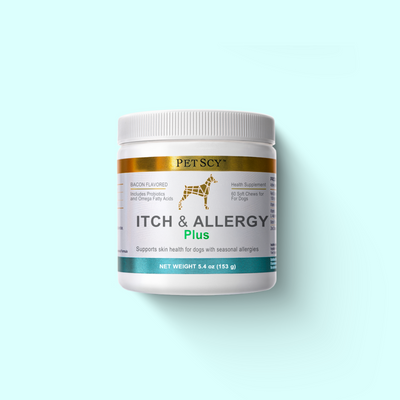
For an example of how a dog owner might evaluate a product aimed at skin and digestive support, review the Itch & Allergy Plus Chews with probiotics. The same questions still apply to any brand: Does the label identify the ingredients clearly? Are directions and cautions easy to find? Can the company explain its quality controls?
For long-term routines: Choose traceable information over impressive wording.
NASC compliance doesn't promise that a supplement will cure an illness or produce a particular health result. It addresses how the company manages quality, safety signals, and label accuracy. Your veterinarian remains the right person to help decide whether a product fits your dog's medical needs.
How PetScy Aligns With NASC Quality Practices
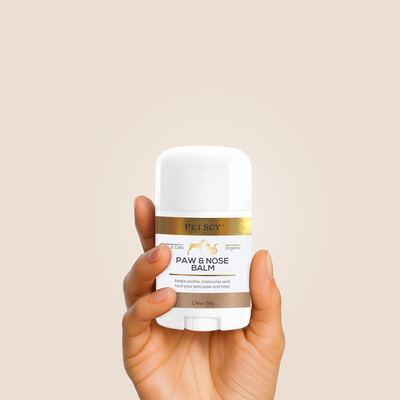
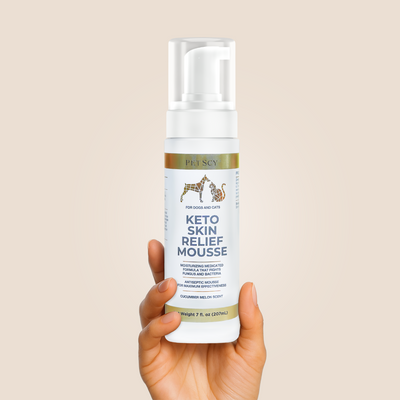
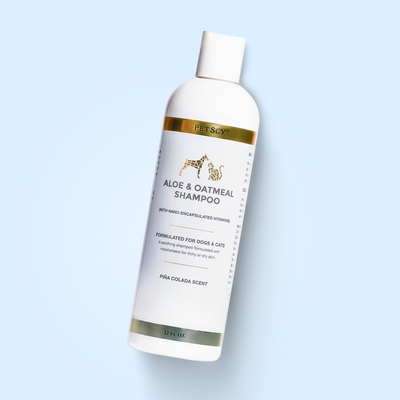
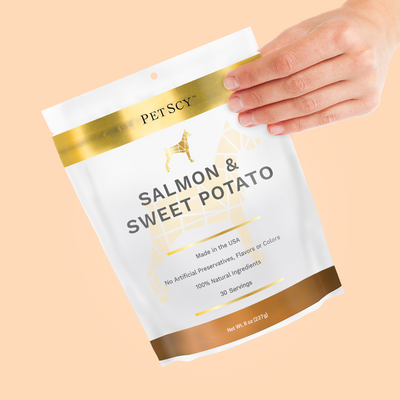
PetScy provides a practical example of how a brand can present quality information within the NASC framework. Its published practices include membership in NASC, United States manufacturing with globally sourced ingredients, and references to third-party testing. Those details are useful because they connect a consumer-facing product to the same categories shoppers should examine across the market.

Reading the practices through the four pillars
A written quality manual supports the quality system pillar because it gives the manufacturer documented procedures to follow and review. Manufacturing protocols aligned with current Good Manufacturing Practice principles can help organize personnel responsibilities, equipment controls, sanitation, records, and corrective actions.
For label compliance, the useful test is whether the claims match the formulation and whether the package communicates ingredients, directions, and cautions clearly. A brand's quality statement matters more when customers can connect it to product-specific labeling and lot information.
Audits and testing provide outside checks. PetScy references third-party testing for product verification, while NASC membership requires independent facility auditing and random product testing as part of continued compliance. Consumers can ask whether a Certificate of Analysis is available for a particular lot and whether the company can explain what the testing evaluated.
Finally, adverse event reporting gives customers a defined route for raising concerns. If your dog experiences a possible reaction, record the product name, lot details, amount given, timing, and symptoms, then contact the manufacturer and your veterinarian.
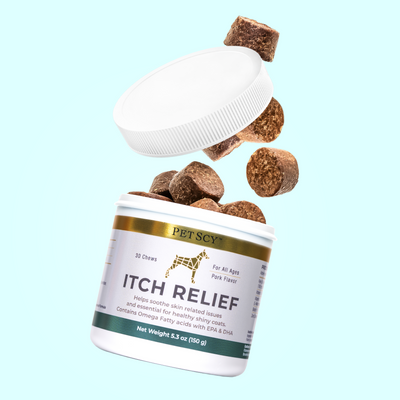
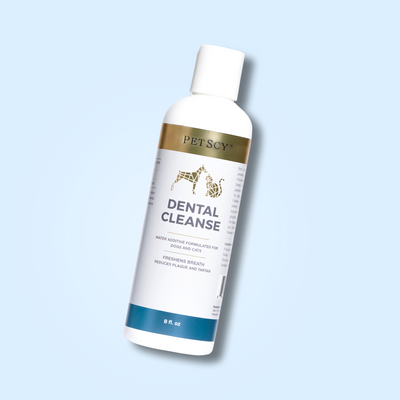
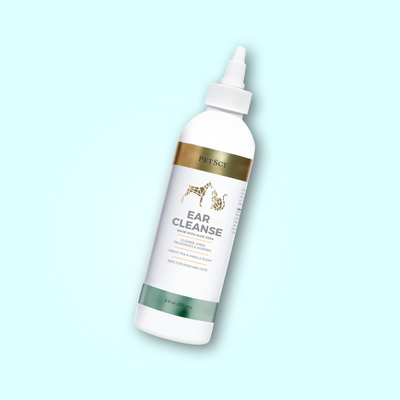
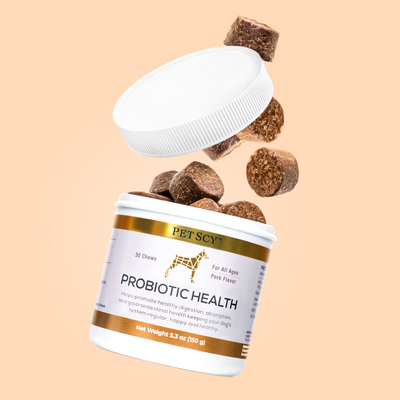
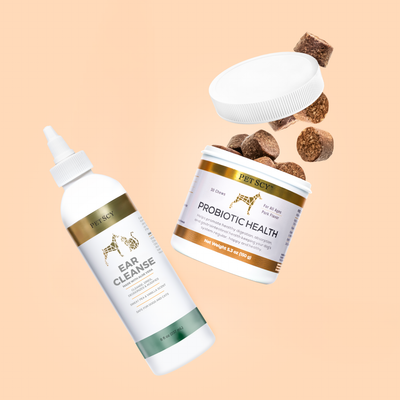
PetScy's catalog includes products such as Itch & Allergy Plus Chews, Probiotic Health Chews, Fish Oil, Dental Cleanse, and Longevity Joint & Immune Chews. You can use the same framework to assess any of them, or any competing product, by reviewing PetScy's veterinarian-formulated and science-backed catalog and checking the specific package you intend to purchase.
Putting It All Together and Your Questions Answered
A sensible supplement decision uses four checks:
- Find the seal: Confirm that the specific product displays the NASC Quality Seal.
- Read the label: Look for clear ingredients, directions, species information, and cautions.
- Check accountability: Make sure the company provides a way to report complaints or possible adverse events.
- Look for verification: Ask about independent testing, lot information, and current NASC standing.
NASC membership is best understood as a living compliance system, not a permanent endorsement. Recurring audits, annual education, ongoing quality requirements, and random product testing help keep the company accountable after the initial qualification.
Common questions
How can I confirm current NASC membership?
Search the official NASC website and member resources by company name. Then check the product package, because company membership doesn't necessarily mean every SKU carries the seal.
What if a brand claims NASC membership but the product has no seal?
Ask the manufacturer whether that exact product is authorized to display the Quality Seal. Don't treat “NASC member” and “NASC Quality Seal product” as interchangeable statements.
Does the seal prove that a supplement works for my dog?
No. It signals compliance with quality, labeling, reporting, auditing, and testing requirements. It doesn't guarantee efficacy or replace veterinary guidance.
How often are members audited?
NASC's public program description states that members must complete an independent facility audit every two years, alongside continuing compliance activities and random testing. (NASC audit requirements)
Use that checklist the next time you compare bottles. If you're considering products for allergies, digestion, dental care, calming, joints, or skin support, start with your veterinarian's recommendation, then verify the company's quality signals before adding anything to your dog's routine.
PetScy offers veterinarian-formulated supplements and topical care products for common canine needs, including allergy, digestive, dental, calming, joint, and skin support. Visit PetScy to review the catalog, product details, and quality information before choosing a supplement for your dog.