









Perio Support Powder for Dogs Explained
You notice it at the same time every day. Your dog finishes breakfast, leans in for a cuddle, and the smell from their mouth hits you before they do. It's easy to shrug that off as “dog breath,” but that odor is often the first clue that plaque is sitting on the teeth and changing what's happening along the gumline.
That's where perio support powder enters the conversation. It isn't just a breath topper, and it isn't a substitute for dental care. It's a daily oral support powder designed to work in the mouth, where plaque starts, before the soft film hardens into something much harder to remove.
Table of Contents
- Understanding Perio Support Powder for Dogs
- Active Ingredients and Plaque Prevention Mechanisms
- Integrating Dental Powder Into Daily Feeding Routines
- Evaluating Safety and Manufacturing Quality Standards
- Recognizing the Limits and When to Consult a Vet
- Building a Comprehensive Canine Dental Care Strategy
Understanding Perio Support Powder for Dogs
A lot of pet parents start the same way. They notice the smell, buy a dental product, and hope the problem goes away without much effort. That reaction makes sense, because bad breath is what you can detect first, but the underlying issue often begins with plaque, a transparent bacterial film that builds on teeth and can harden into calculus if it stays there, according to Cornell's Canine Health Center dental care guidance.
Perio support powder sits in the “daily prevention” category. The better ones are formulated to change the oral environment rather than just cover odor, which is why they're usually sprinkled on food and used consistently. In practice, that means thinking of the powder as part of home oral hygiene, not as a treat or flavor enhancer.
What makes it different from a simple topper
A plain topper changes taste. A perio support powder is built to interact with the mouth's biology, usually by supporting a healthier microbial balance and making it harder for plaque to mature. That distinction matters, because once plaque mineralizes, it becomes much harder to remove with home care alone.
If you're documenting dental findings for a busy practice or an owner consult, a resource like periodontal charting for AI scribes can help you keep the observations organized without losing the clinical picture. For pet parents, the takeaway is simpler, if the breath smell is persistent, the gums deserve attention too.
Practical rule: if a product only makes breath smell better for a short time, but doesn't fit into a real oral-care routine, it's probably acting like a cosmetic, not a dental aid.
The useful mindset shift is this. Perio support powder can be a daily biological adjunct, but it only earns its place if it helps slow plaque progression over time. That means consistency, not miracle thinking.
Active Ingredients and Plaque Prevention Mechanisms
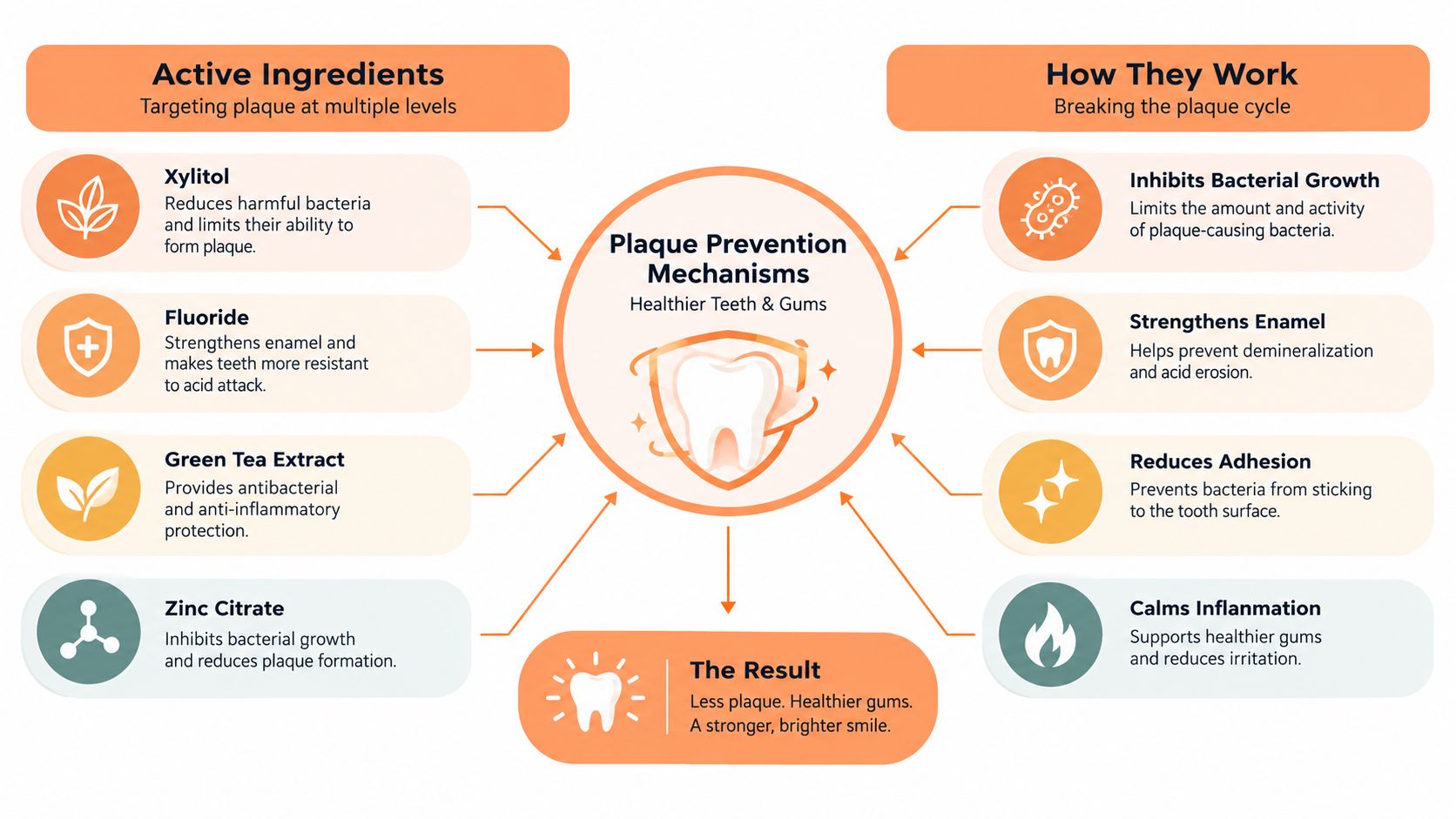
The label tells you a lot about how a powder is supposed to work. One published formulation uses a 2.5 g serving, about 1 teaspoon, with 500 mg of natural zeolites and 355 mg of a proprietary probiotic blend, plus cranberry powder, yucca schidigera extract, taurine, and zinc as ascorbate as listed on the product label. That ingredient mix shows a multi-ingredient dental-support approach, not a single-purpose odor masker.
Reading the formula for function
The strongest clue is the balance of the actives. Probiotics can support a healthier oral microbiome, while ingredients such as cranberry and yucca are often used in formulas that aim to reduce odor and bacterial sticking. Zinc and taurine are included as supportive nutrients, which makes more sense when you think about gum tissue and oral comfort rather than breath alone.
The label also lists multiple probiotic strains, including Lactobacillus acidophilus, Enterococcus faecium, Bacillus subtilis, Lactobacillus casei, Lactobacillus fermentum, and Lactobacillus plantarum on the product label. That variety suggests the product was designed around microbial support, not just flavor.
For a broader product overview and label-reading angle, this plaque-powder guide for dogs is useful because it forces you to compare what's in the scoop, not just what the front of the jar promises.
Why history and recognition matter
Perio Support's history also matters. The product was later renamed Dental Care while keeping the same formula, with sellers describing it as “new name, same great Perio Support formula,” which tells you the identity changed more than the recipe did VOHC accepted-products listing. That same veterinary dental category is not marketing-free, either, it has a standards history.
The Veterinary Oral Health Council says its seal is reserved for products that show statistically significant plaque or tartar reduction in controlled clinical trials VOHC accepted-products listing. So when you evaluate a powder, you're not just asking whether it smells pleasant. You're asking whether the formulation has a credible path to slowing plaque before it becomes hardened tartar.
Integrating Dental Powder Into Daily Feeding Routines
The biggest mistake pet parents make is assuming a dental powder works no matter how it's used. Product pages state weight-based daily use, but there's little consumer-facing guidance on what happens if a dog only eats part of a meal or if the powder is sprinkled on wet food versus dry food, which creates a real-world adherence gap VetriScience product page. That gap matters because oral support only helps if the dog gets the dose and keeps it in contact with the teeth long enough to matter.
A simple routine that's easier to stick with
Start with the meal your dog reliably finishes. If your dog is a grazer or gets distracted, split the day's food into the portion they usually eat with confidence, then add the powder there. The point is consistency, not perfection, because missed doses break the daily rhythm that oral products depend on.
If you're already using other home-care tools, a short comparison with dog dental water additives can help you decide where a powder fits best. Powders usually make sense when mealtime is predictable and your dog tolerates food-based supplements well.
Keep the routine boring. The more ordinary the dosing step becomes, the less likely you are to skip it on busy mornings.
Wet food can still work if your dog finishes it consistently, but dry kibble often gives you a cleaner, more repeatable delivery pattern. If the powder disappears into a meal that's half-eaten, you haven't really given a full oral-care dose, you've just flavored the bowl.
What to watch for at home
A good routine is one you can observe. Look for:
- Reliable intake, your dog finishes the portion that contains the powder.
- Clean feeding habits, the powder isn't left at the bottom of the bowl.
- Calm acceptance, no lip-licking, refusal, or obvious irritation after meals.
- Routine consistency, the powder is used the same way each day.
That last point matters more than people expect. Oral care is repetitive by design, and the dogs that do best are usually the ones whose owners make the supplement part of an ordinary feeding habit instead of a rescue project.
Evaluating Safety and Manufacturing Quality Standards
Not every dental powder earns trust the same way. A product can look impressive on the front label and still be weak on quality control, while a more modest-looking formula may be better documented and more careful about how it's made. For pet supplements, the difference usually comes down to how clearly the company defines the ingredients, the dosage, and the manufacturing standards.
What a careful buyer should compare
A vet-formulated product gives you a better starting point than a vague blend, because the ingredient intent is clearer. Third-party testing matters too, since it adds another layer of verification beyond the company's own claims. That's especially relevant in a category where the goal is daily use, because you want a product that behaves consistently from batch to batch.
The presence of a quality seal can help, but it shouldn't replace label reading. In the dental space, the most meaningful question is whether the product has evidence for oral use and whether its formulation makes sense for repeated, long-term feeding. A powder with named ingredients is easier to evaluate than one that hides behind a proprietary cloud.
Quality markers to look for
A practical checklist usually includes:
- Clear ingredient disclosure, so you can see what's in the scoop.
- Appropriate daily dosing, so the product fits normal feeding.
- Vet-formulated intent, which helps align the product with oral-health goals.
- Independent verification, such as third-party testing or recognized standards.
- Manufacturing consistency, so the powder you buy this month matches the one you bought last month.
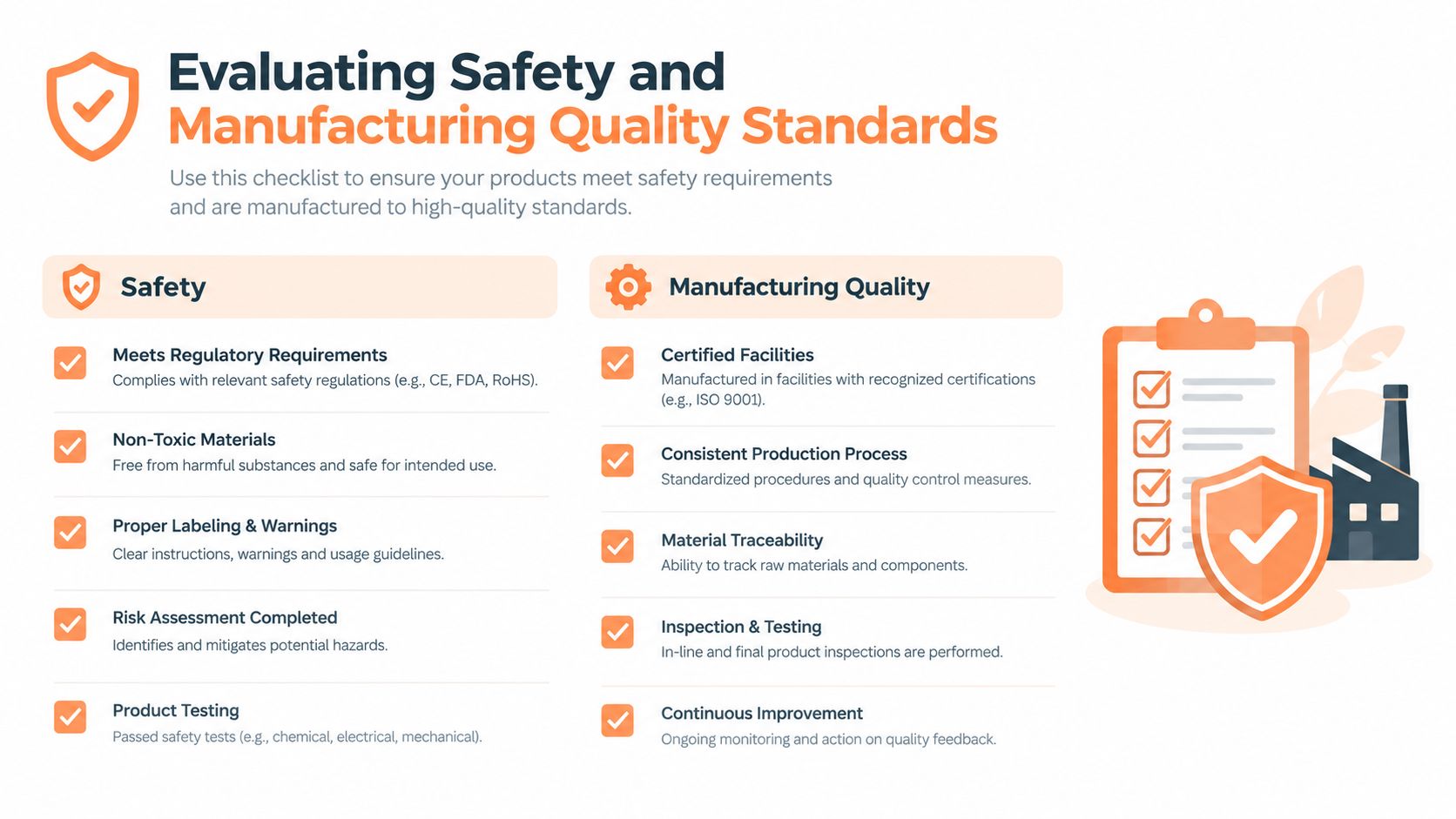
That checklist isn't about chasing the fanciest label. It's about reducing the chance that you're relying on a product with unclear dosing, weak oversight, or a formula that sounds better than it performs.
Recognizing the Limits and When to Consult a Vet
Your dog may finish every meal while hiding a painful mouth. A perio support powder can contribute to daily plaque control, but it cannot remove established tartar or manage advanced periodontal disease. It works as a biological adjunct, not a breath-freshener that substitutes for brushing, other mechanical cleaning, or veterinary care. Consistent dosing matters, yet the powder only supports prevention when the mouth is checked and cleaned regularly.
Visible changes should guide your next decision. Cornell Canine Health Center guidance supports treating suspicious oral changes as a reason for professional assessment rather than extending a supplement trial.
Signs that home care isn't enough
Arrange a veterinary examination if you notice:
- Bleeding gums, particularly during meals or gentle contact.
- Loose or painful teeth, which may indicate deeper disease.
- Chewing changes, such as dropping food, chewing on one side, or avoiding hard kibble.
- Persistent odor that does not improve with consistent care.
- Mouth sensitivity, including pawing at the face or resisting tooth contact.
A dog can continue eating despite significant dental discomfort. Appetite alone is therefore a poor health check. Watch how your dog picks up food, chews, reacts to touch, and behaves after meals.
A guide to how to remove tartar from dog teeth at home can help you understand home-care boundaries. It should not encourage scraping or delaying an examination when the gums are inflamed, the teeth move, or eating appears painful. Home routines support a healthy mouth. A veterinary exam determines whether disease requires treatment beyond those routines.
If the mouth looks painful, do not wait for the powder to take effect. Pain and suspected infection call for a vet visit, not a longer supplement trial.
Building a Comprehensive Canine Dental Care Strategy
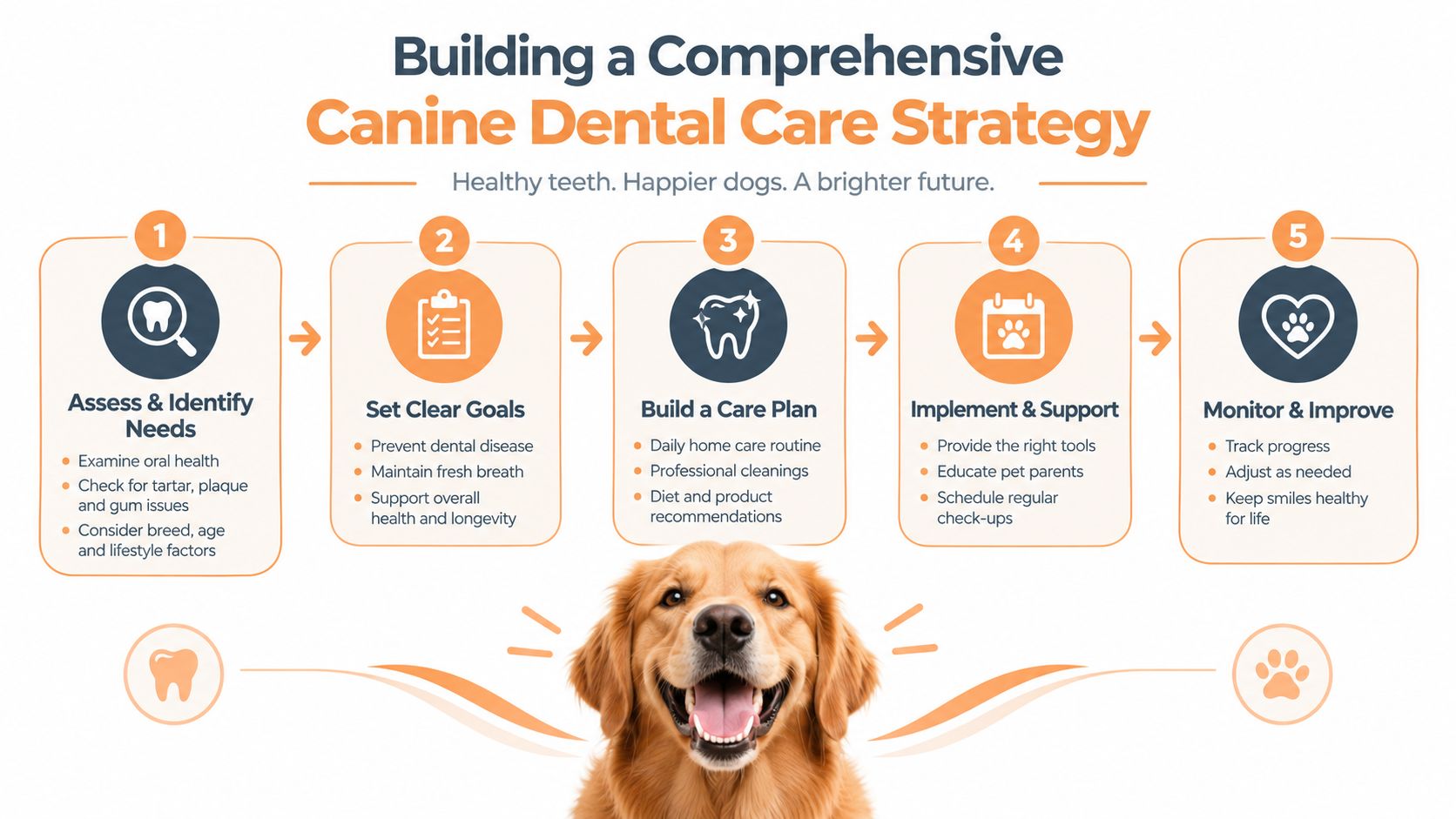
A good canine dental plan uses more than one tool because plaque doesn't form for just one reason. The best routine pairs a daily oral adjunct like perio support powder with mechanical cleaning, routine mouth checks, and professional dental care when needed. That layered approach makes more sense than hoping one product can do all the work.
How the pieces fit together
Think of the powder as the daily biological layer. Mechanical cleaning, such as dental finger wipes or brushing when your dog allows it, helps remove debris before it hardens. Professional cleanings handle the mineralized buildup that home care can't address, which is why the home routine and the clinic visit solve different problems.
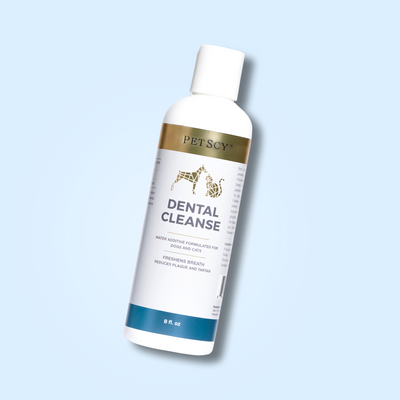
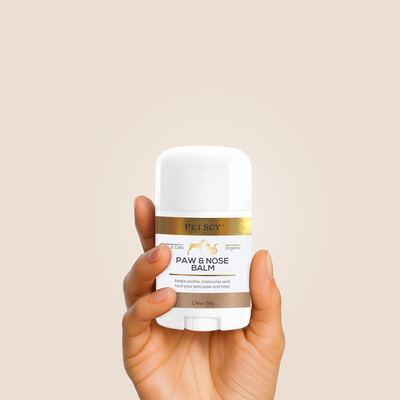
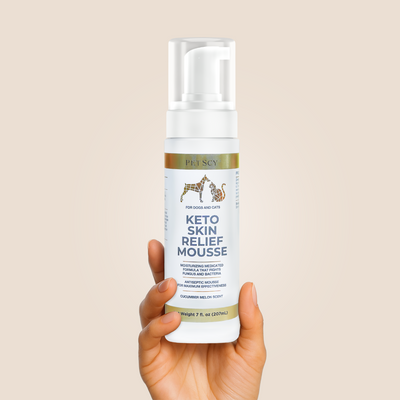
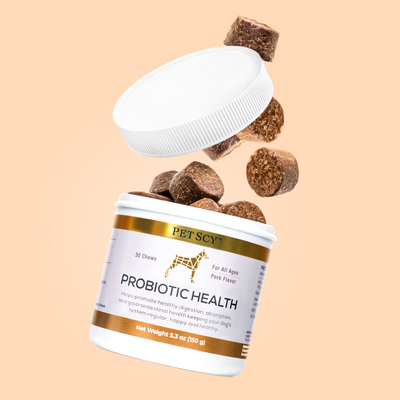
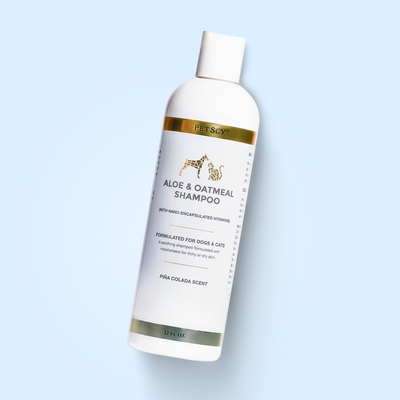
If you want a practical home-care option from a single brand ecosystem, PetScy offers a Dental Powder along with Dental Cleanse water additive and Dental Finger Wipes, which fits the same layered logic of food-based support plus mechanical cleaning. That doesn't replace veterinary care, but it gives pet parents more than one way to stay consistent at home.
A realistic daily framework
- Use the powder consistently, because oral support depends on repeated contact.
- Add a mechanical step, even if it's short and partial, so plaque doesn't sit untouched.
- Watch for warning signs, because smell alone doesn't tell you how healthy the gums are.
- Schedule professional care when needed, especially if tartar is visible or the mouth seems painful.
- Keep the routine sustainable, since the best plan is the one you'll reliably repeat.
The insight is simple. Perio support powder works best when it's treated as one layer in a dental system, not the whole system. When you pair daily biological support with physical cleaning and vet oversight, you give your dog a much better chance of keeping plaque from turning into a bigger problem.
If you want a practical next step, visit PetScy and look at the dental care products built for daily use at home. You'll find options that fit into feeding routines, which makes it easier to stay consistent and support your dog's oral health without turning every meal into a project.