










Recurring Ear Infection in Dog: Causes and Care
A recurring ear infection in a dog isn't usually a sign that you need a stronger bottle of ear drops. It often means the ear is reacting to a problem elsewhere, such as allergic skin disease, endocrine illness, parasites, a foreign body, or long-standing inflammation. Cleaning may remove debris and medication may settle the current flare, but neither necessarily explains why the ear became vulnerable in the first place.
That distinction matters because canine ear disease is common enough to become a frustrating cycle. A large UK primary-care study recorded a one-year prevalence of 7.30%, while published estimates across different settings ranged from 8.7% to 20%. In a Canadian clinic study, 320 of 2,012 dogs examined over six years had at least one episode of otitis externa, a diagnosis frequency of 15.9%. These findings are reported in the large veterinary study of canine otitis externa.
Table of Contents
- Why Ear Infections Are More Than Just an Ear Problem
- The Hidden Drivers of Chronic Canine Otitis
- The Diagnostic Workup Your Vet Should Perform
- Long-Term Management and Treatment Strategies
- At-Home Prevention and Ear Care Routines
- When to Escalate Care to a Veterinary Dermatologist
- Building a Sustainable Wellness Plan for Your Dog
Why Ear Infections Are More Than Just an Ear Problem
The popular advice is simple: clean the ear, apply the prescribed drops, and wait for the smell and scratching to disappear. That approach can help an active infection, but it can fail as a long-term plan when the ear keeps becoming inflamed.
The ear canal is often the victim, not the original culprit. Allergic skin disease can make the canal itchy and swollen. Endocrine disease can alter the skin's resilience. A narrow canal, heavy ear flap, retained foreign body, or parasite can keep irritating the tissue. Once the protective skin barrier is damaged, yeast and bacteria can multiply in the warm, enclosed space.
This is why an owner may see the same pattern repeat. The dog shakes its head, the ear smells sour or musty, the discharge returns, and another short treatment appears to solve the problem. The medicine may have reduced the secondary overgrowth, while the primary trigger continued operating in the background.
Practical rule: If the same ear problem returns, ask not only “Which medication will clear this flare?” Ask “What keeps making this ear easy to infect?”
The inflammation cycle
Healthy ear skin acts like a protective wall. It limits moisture, controls microbial growth, and helps the canal tolerate ordinary exposure to the environment. Allergic inflammation weakens that wall. Swelling narrows the passage, debris becomes harder to remove, and the altered environment supports further overgrowth.
Repeated inflammation can also change the canal itself. Tissue may become thickened, painful, or less responsive to treatment. At that point, a dog may appear to have a medication problem when the deeper issue is persistent inflammation and structural damage.
A plain-language guide to a red and itchy dog ear can help owners recognize early warning signs, but visible redness alone can't identify the cause. A red ear may reflect yeast, bacteria, allergy, trauma, a foreign body, or a combination of problems.
A better question for worried owners
Don't treat recurrence as a personal failure. Dogs can have genuine biological predispositions, and some triggers aren't obvious from the outside. Instead, treat each repeat episode as useful information.
Seasonal recurrence may point toward environmental allergy. Year-round irritation may raise concern about a constant exposure, food hypersensitivity, or another chronic driver. One-sided disease may make a foreign body or local structural issue more important to investigate. These patterns don't diagnose a dog by themselves, but they help your veterinarian choose the next question.
The long-term goal isn't just a clean-looking ear. It's a comfortable dog whose underlying inflammation is controlled well enough that the ear can defend itself again.
The Hidden Drivers of Chronic Canine Otitis
Veterinarians often sort ear disease into primary, secondary, and predisposing factors. This model prevents a common mistake: treating yeast or bacteria as if they caused the entire problem when they may have taken advantage of an already damaged canal.
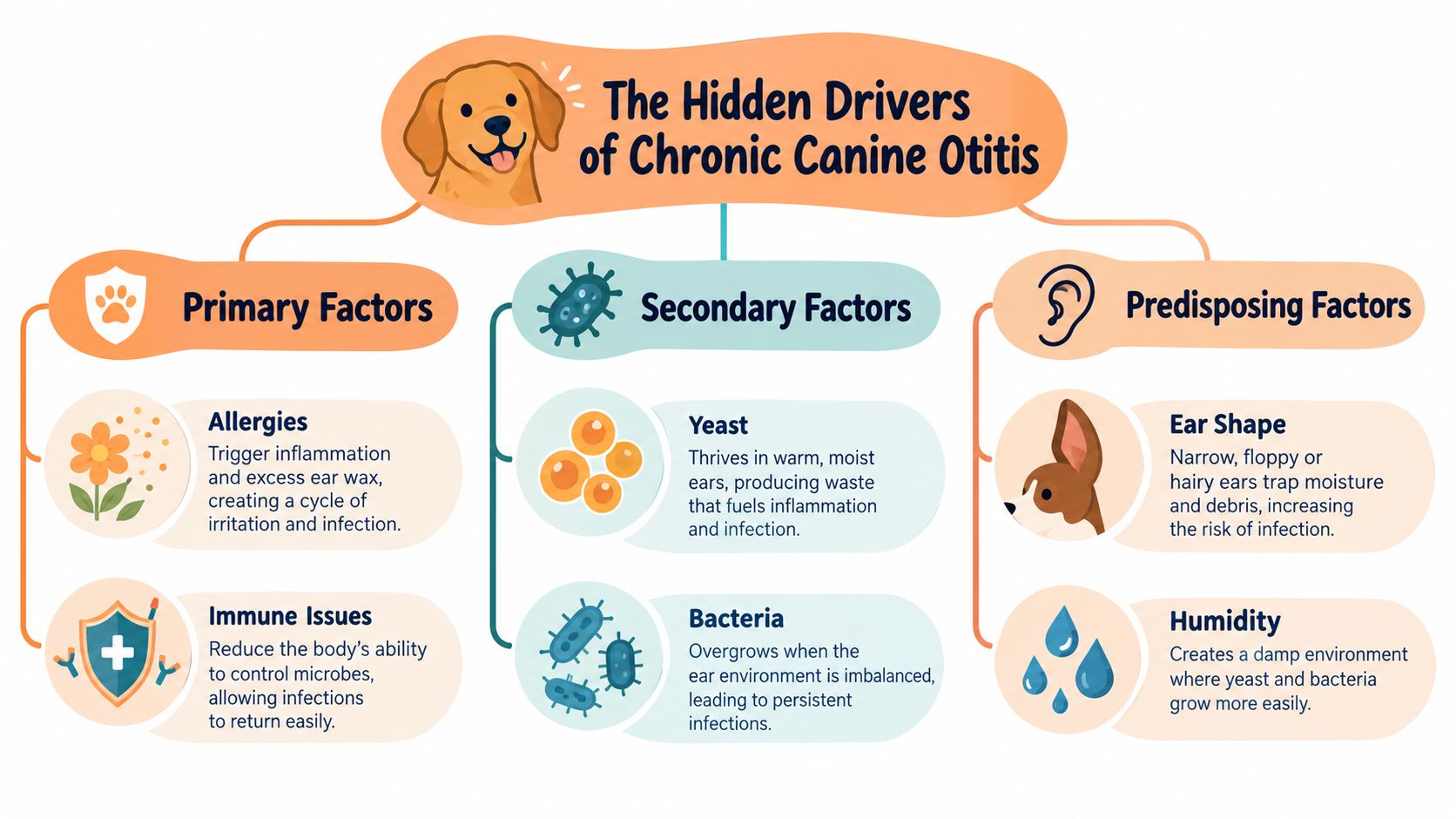
Primary factors start the irritation
Allergy is one of the most important primary drivers. Environmental allergens may inflame the skin seasonally or throughout the year. Food hypersensitivity can also affect the ears, even when a dog doesn't have obvious digestive symptoms. Some dogs show ear inflammation as their most noticeable sign of allergic disease.
Other primary factors include immune-mediated skin problems and endocrine disease. Conditions affecting hormone balance can alter the skin and coat, leaving the canal more vulnerable. A dog with recurring otitis may therefore need a broader health assessment rather than an ear-only prescription.
The pattern matters, but it isn't conclusive. Ear disease that worsens during pollen season suggests one line of investigation, while persistent disease through every season suggests another. Your veterinarian may need to evaluate skin history, diet, medications, general health, and the timing of each flare.
Secondary factors take advantage of damaged skin
Yeast and bacteria are often secondary inhabitants. They multiply after inflammation, moisture, swelling, or microscopic skin damage has changed the canal. Mixed infections can occur, so brown discharge or odor can't reliably tell an owner which organism is present.
Think of the ear as an ice-cream cone. The visible opening is wide enough to inspect, but the canal extends inward and changes direction. Its enclosed shape can trap warmth, humidity, wax, and debris. If inflammation makes the passage narrower, the inner part becomes harder to examine and clean, much like trying to reach the bottom of a cone through a small opening.
Cleaning or medication may reduce what has accumulated inside, but the cone remains vulnerable if allergy continues to inflame the lining.
Predisposing factors create a favorable setting
Ear shape makes a meaningful difference. Pendulous ear flaps can reduce airflow and hold moisture against the opening. Hair, narrow canals, frequent swimming, and humid conditions can add to the challenge. These traits may not create disease alone, but they can make recovery harder when a primary trigger is active.
Owners should also consider less obvious possibilities. A grass awn or other foreign body can irritate one ear. Ear mites can contribute to inflammation, particularly in susceptible animals. Chronic disease deeper in the ear can cause persistent pain even when the outer canal seems to improve.
The useful mental model: Primary factors ignite the problem, secondary organisms amplify it, and predisposing features make the fire easier to relight.
That model gives you a stronger basis for discussion at the clinic. Instead of accepting another treatment without questions, ask whether the current findings suggest allergy, endocrine disease, parasites, a foreign body, structural narrowing, or involvement beyond the outer canal.
The Diagnostic Workup Your Vet Should Perform
A recurring case deserves more than a quick look at the ear opening. The veterinarian needs to determine what is inflaming the canal, which organisms are present, whether the eardrum can be assessed safely, and whether disease extends into the middle ear.
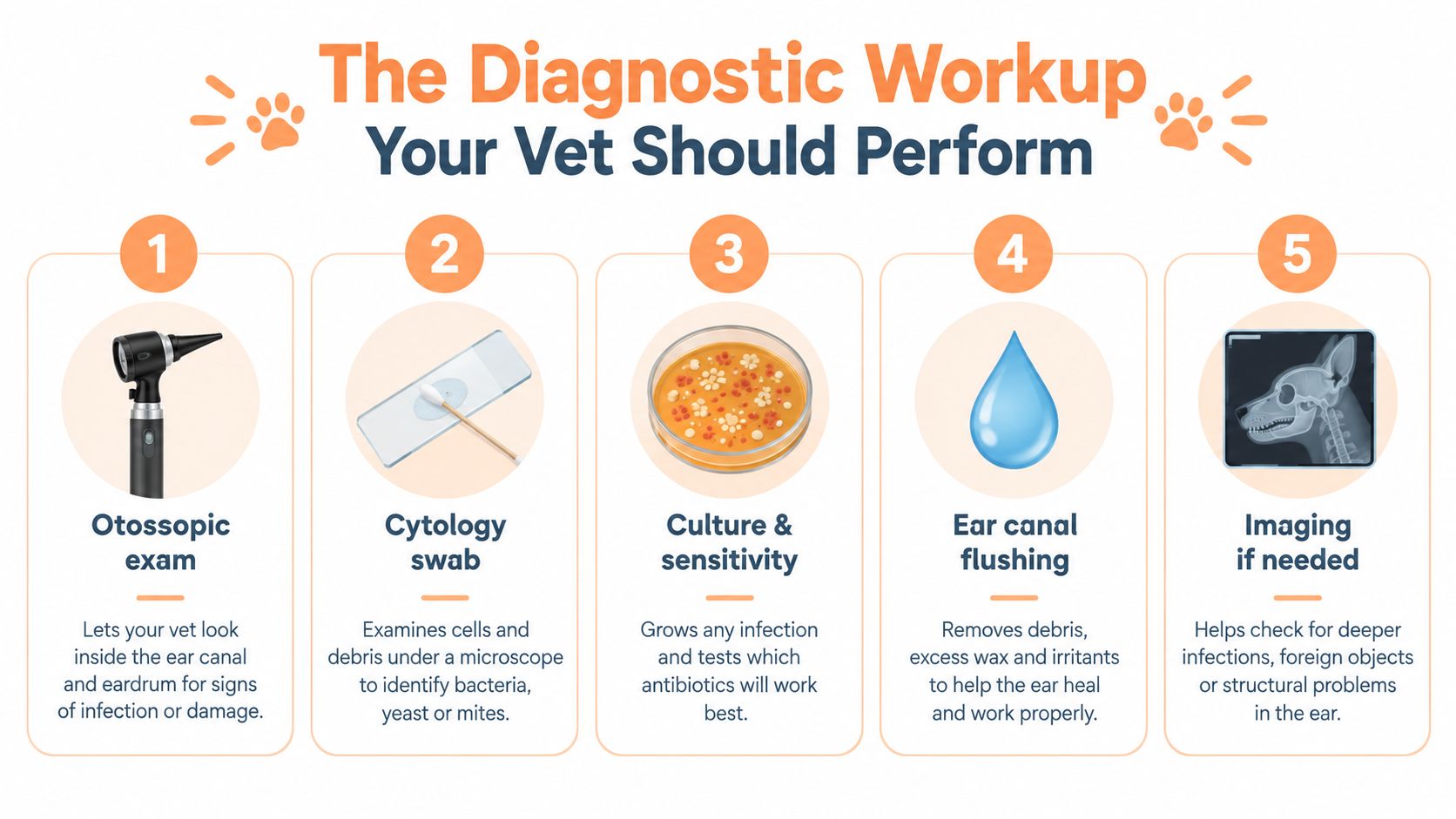
Start with history and otoscopy
Bring a clear timeline. Note when the odor, discharge, head shaking, or scratching began. Record whether one or both ears are affected, whether signs are seasonal, what treatments were used, and how long improvement lasted. Mention skin itching, paw licking, digestive changes, increased thirst or urination, weight changes, and any recent swimming or grooming.
An otoscopic examination allows the veterinarian to inspect the canal and look for swelling, narrowing, foreign material, polyps, damaged tissue, or abnormalities near the eardrum. Severe pain may make this difficult while the dog is awake. In some cases, safe examination and cleaning require sedation.
Cytology identifies the active population
Cytology involves collecting material from the ear and examining it under a microscope. It can help distinguish yeast, bacteria, inflammatory cells, parasites, and mixed populations. That information matters because a medication aimed at one type of organism may be poorly matched to another.
Veterinary guidance specifically emphasizes otoscopy and cytology for recurrent disease. The veterinary guidance on diagnosing and managing otitis externa explains why microscopy helps clinicians choose treatment based on the pathogens present rather than on appearance alone.
Culture and sensitivity may become important when bacteria are persistent, unusual, resistant to previous treatment, or associated with deeper disease. A culture doesn't replace cytology, because the two tests answer different questions. Cytology shows what is present in the sample at that moment, while culture can help determine which drugs are likely to work against selected bacteria.
Check for the reason behind the recurrence
The veterinarian may recommend blood testing when the history or physical examination raises concern about endocrine or systemic illness. Allergy investigation can involve a structured diet trial, assessment of environmental patterns, or referral to a veterinary dermatologist. Food testing should be planned carefully, because casual ingredient changes and unrecorded treats can make results difficult to interpret.
Ask these practical questions during the appointment:
- What did the cytology show? Ask whether yeast, bacteria, parasites, inflammation, or a mixture was found.
- Can the entire canal and eardrum be examined? If swelling or pain prevents a complete view, ask what will happen next.
- Could a foreign body or middle-ear problem be involved? Persistent one-sided disease and ongoing pain deserve attention.
- What is the plan after the infection clears? A maintenance strategy should address the primary driver, not only the current discharge.
A suitable dog ear cleaner solution may support routine care when your veterinarian approves it, but no cleaner can substitute for diagnosis when the ear is painful, severely inflamed, or repeatedly infected.
Long-Term Management and Treatment Strategies
Long-term control combines targeted medical treatment, trigger management, and sensible daily support. The order matters. An active infection needs appropriate veterinary treatment first. Once the canal is calmer, the team can work on the condition that keeps restarting the process.
Topical medication is often selected according to cytology findings. A product may target yeast, bacteria, inflammation, or more than one of these at the same time. The right application technique matters because swollen canals can prevent medication from reaching deeper areas. Owners should follow the prescribed duration rather than stopping as soon as odor improves.
Repeated short courses can create a misleading sense of progress. Symptoms may settle quickly while the underlying allergic inflammation remains. A major veterinary review discusses the risk that repeated treatment without control of the primary cause can contribute to chronic inflammatory change and antimicrobial resistance. Read the AVMA review on recurrent otitis externa for the clinical reasoning behind a more complete approach.
Match treatment to the driver
If allergy is suspected, management may involve reducing exposure, treating itch and skin inflammation, and conducting a veterinarian-supervised dietary investigation when appropriate. If endocrine disease is suspected, the underlying condition needs its own diagnostic and treatment plan. If the ear canal has become severely narrowed, routine drops may not reach the affected tissue effectively.
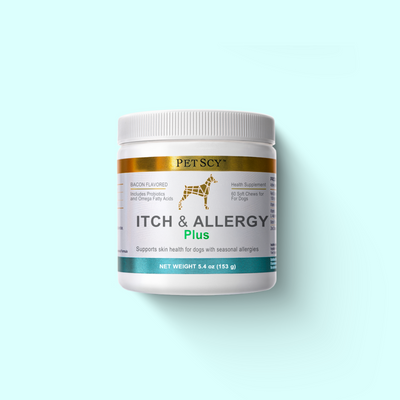
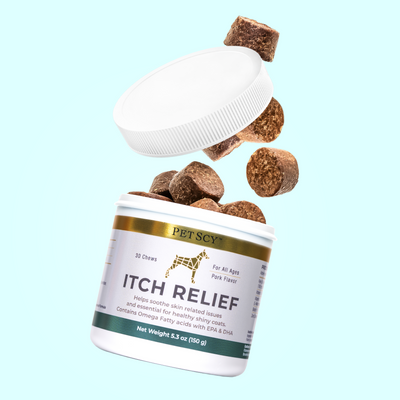
Daily nutritional support can complement medical care, but it shouldn't be presented as a cure for an active infection. Omega-3 fatty acids may form part of a broader skin-support plan. Probiotic products may be considered when digestive and immune support are relevant. Allergy-support chews can fit into a routine when the ingredients are appropriate for the dog and the veterinarian agrees.
The key is to introduce one change at a time when possible. If several supplements, foods, cleaners, and medications change together, you won't know which intervention helped or caused a reaction.
A coordinated management plan
| Intervention Type | Primary Target | Examples |
|---|---|---|
| Veterinary examination | Cause and extent of disease | Otoscopy, cytology, assessment of the eardrum |
| Targeted ear treatment | Yeast, bacteria, and local inflammation | Prescribed topical medication selected for test findings |
| Root-cause control | Allergy or systemic illness | Diet investigation, environmental management, endocrine workup |
| Skin-barrier support | Ongoing irritation and susceptibility | Vet-approved omega-3 support, appropriate bathing, itch control |
| Maintenance care | Debris and moisture between flares | Approved cleanser, careful drying, scheduled rechecks |
Use supplements as support, not substitution
A dog with allergic ears may benefit from a routine that supports the whole skin system, including adequate nutrition, appropriate parasite prevention, and control of environmental triggers. However, supplements can't safely replace cytology, prescription treatment, or investigation of a painful ear.
A good plan also includes a stopping rule. If the ear becomes more painful, develops a strong odor or heavy discharge, or fails to improve as expected, contact the veterinary team rather than adding another product at home.
At-Home Prevention and Ear Care Routines
Home care works best after the veterinarian has confirmed that cleaning is safe and has shown you the technique. A painful ear, a damaged eardrum, severe narrowing, or a deep infection may require a different approach. More cleaning isn't automatically better, and vigorous rubbing can worsen an already fragile canal.
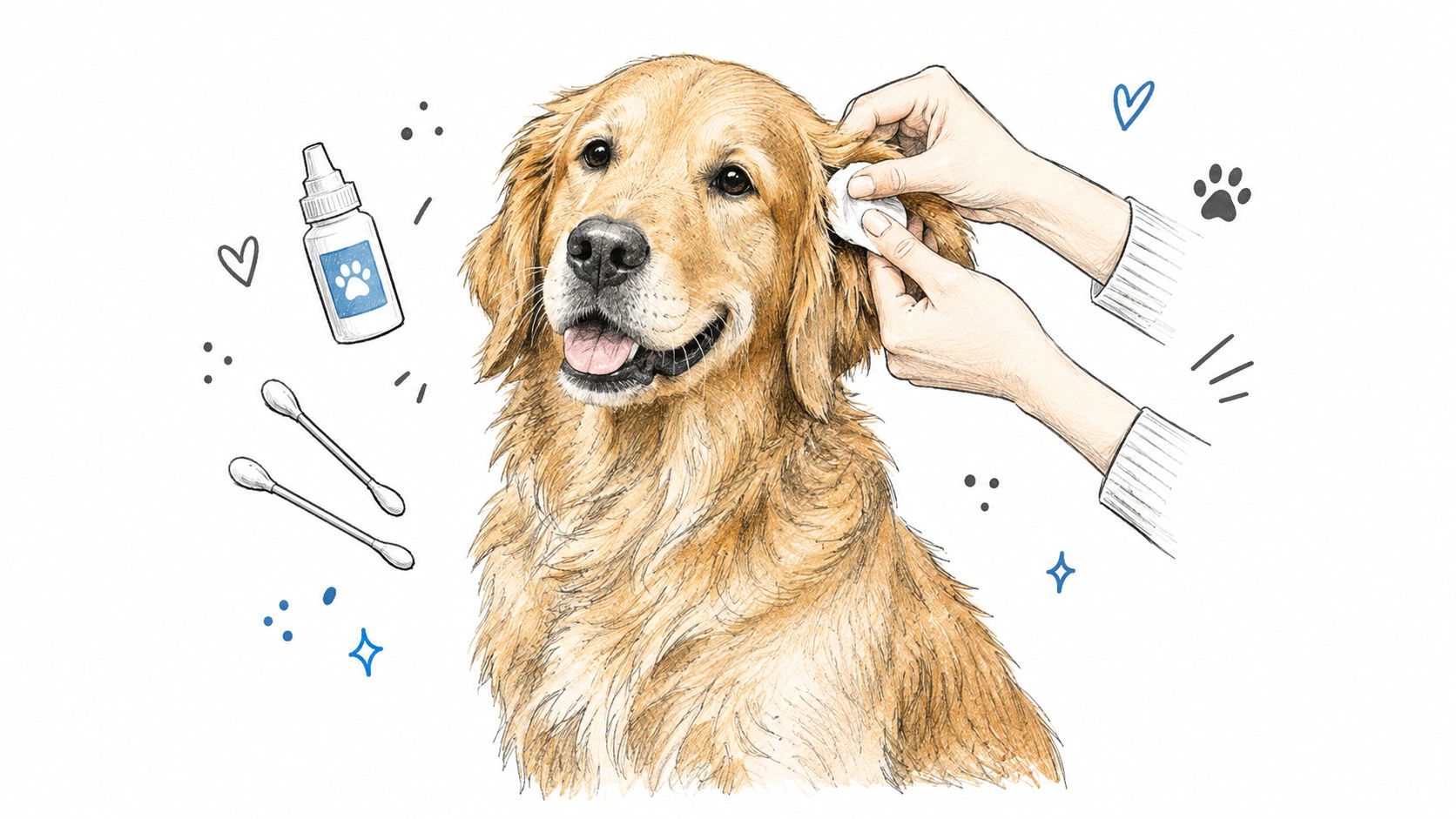
A gentle cleaning sequence
- Choose the approved cleanser. Use the product your veterinarian recommends for your dog's condition. Avoid household liquids, cotton swabs pushed into the canal, and improvised mixtures.
- Prepare the dog first. Work in a calm place and reward cooperation. If the ear is sharply painful, stop and call the clinic.
- Apply the solution as directed. Lift the ear flap gently and place the recommended amount at the canal entrance. Don't force the nozzle far into the ear.
- Massage the base. A soft massage at the base helps distribute fluid through the canal. The sloshing sound can be normal, but pain or panic isn't.
- Allow shaking. Step back and let the dog shake its head. This helps move loosened material outward.
- Wipe only what you can see. Use cotton or gauze around the opening and folds. Never dig toward the eardrum.
- Dry the outer area. Moisture left around the flap can contribute to irritation, particularly after bathing or swimming.
For frequency, follow the individual schedule rather than copying a routine from another dog. A dog with allergies, heavy ear flaps, or a history of moisture-related flares may need a different maintenance plan from a dog with erect ears and no chronic skin disease. The practical guidance in how often to clean a dog's ears can help you prepare questions for your veterinarian.
Outdoor exposure can matter for dogs with allergic skin disease. Wiping the coat and paws after time outside may reduce the material carried indoors. Wash bedding regularly, keep grooming tools clean, and discuss indoor humidity with your veterinary team if moisture appears to worsen the pattern.
Use a simple weekly log. Record odor, discharge, redness, scratching, head shaking, bathing, swimming, diet changes, and any medication. This record can reveal patterns that are easy to miss when each flare feels like an isolated emergency.
The video below demonstrates the general idea of an ear-cleaning routine. Follow your veterinarian's instructions if they differ, especially when your dog has pain or a history of eardrum problems.
Call the clinic if the ear becomes more painful, the dog develops balance changes, the head tilts, hearing seems reduced, or discharge persists despite treatment. Those signs can indicate that the problem is more extensive than routine outer-ear irritation.
When to Escalate Care to a Veterinary Dermatologist
Primary-care veterinary treatment is appropriate for many first-time or straightforward ear infections. Referral becomes more valuable when the disease is persistent, painful, structurally advanced, or repeatedly returns despite careful treatment.
Signs that need a broader level of care
Ask about referral when your dog has:
- Severe canal narrowing: Medication and cleanser may not reach deeper tissue when swelling or chronic change has reduced the opening.
- Ongoing pain: Pain after treatment can indicate unresolved inflammation, deeper disease, or an examination that hasn't fully assessed the canal.
- Repeated treatment failure: Temporary improvement followed by rapid relapse suggests that the primary driver or a resistant organism may remain.
- One-sided persistent disease: A foreign body, mass, or local anatomical problem deserves careful investigation.
- Neurological signs: Head tilt, imbalance, facial changes, or marked hearing loss require prompt veterinary attention.
- Suspected middle-ear disease: The outer canal may look better while deeper disease continues.
A dermatologist may coordinate advanced allergy evaluation, detailed skin assessment, dietary investigation, and long-term anti-inflammatory management. Imaging can help assess deeper structures when the examination suggests middle-ear involvement or advanced chronic change. A surgeon may be consulted when the canal is irreversibly diseased and painful, including discussion of procedures such as total ear canal ablation in selected end-stage cases.
Why anatomy can change the threshold
Ear structure should influence how early owners seek help, not how much blame they place on the dog. In the cited veterinary review, incidence estimates were 13% to 14% in dogs with pendulous ears compared with 5% in dogs with erect ears, with higher risk reported in some breeds including Cocker Spaniels, Poodles, and German Shepherd Dogs. These figures appear in the review of breed and ear-structure risk factors.
A specialist isn't just a source of stronger medication. The value lies in connecting the ear findings with skin disease, immune reactions, anatomy, and long-term prevention. For a dog trapped in a recurring cycle, that wider view can prevent months of treating the same visible symptom.
Building a Sustainable Wellness Plan for Your Dog
A sustainable plan begins with a change in perspective. Instead of treating each flare as a separate accident, keep a record that connects ear signs with food, seasons, outdoor exposure, skin itching, bathing, and general health. Share that record during rechecks so your veterinarian can see the pattern rather than relying on a single appointment.
The plan may include periodic ear examinations, cytology when signs return, a carefully chosen maintenance cleaner, allergy management, parasite prevention, and nutritional support for the skin barrier. It should also say what you won't do, such as using leftover medication, inserting objects into the canal, or continuing a product that causes pain.
Consider the dog whose ears improve with treatment but relapse whenever outdoor exposure increases. That pattern calls for more than repeated drops. The owner and veterinary team might combine allergy management, coat and paw cleaning, approved ear maintenance, and follow-up examinations. Another dog with year-round disease and digestive changes may need a structured dietary investigation, while a dog with one painful ear may need imaging or a search for a foreign body.
For broader, practical reading about canine care from maxijournal.com, use sources that support discussion with your veterinarian rather than replacing it. Ear disease is manageable for many dogs, but the most reliable progress comes from matching each intervention to the reason that dog's canal keeps becoming inflamed.
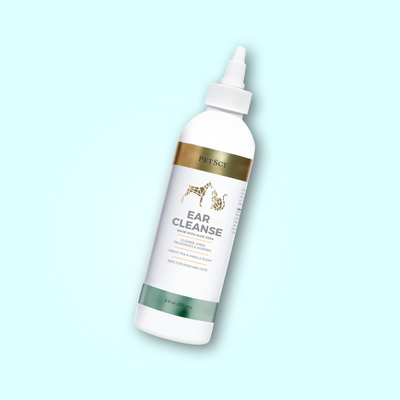
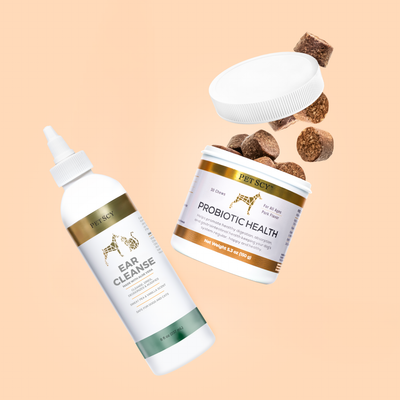
PetScy offers veterinarian-formulated options including Ear Cleanse, allergy-support chews, probiotics, and fish oil that can be considered as part of an appropriate daily-care routine. Visit PetScy to review these products and discuss with your veterinarian which, if any, fit your dog's recurring ear-care plan.