











Seasonal Allergies in Dogs Symptoms: A Practical Guide
Your dog is sprawled on the carpet, chewing between the toes of one front paw. You wipe the paw, check for a thorn, and notice that the same routine has returned with the warmer weather. Perhaps the ears are also bothering your dog, or the face is being rubbed against the sofa after walks.
That pattern can fit seasonal allergies in dogs, but “seasonal” describes timing, not a diagnosis. Environmental triggers such as pollen, mold, dust mites, grasses, weeds, and trees may contribute to canine atopic dermatitis, yet fleas, food reactions, parasites, yeast, and bacterial infections can look similar. The most useful first step is to recognize the body sites and behaviors involved, then record when they appear.
Table of Contents
- Why Spring Itching Is More Than a Habit
- The Hallmark Sign Every Owner Should Recognize
- Common Symptoms Worth Checking at Home
- Tracking Symptoms in a Simple Calendar
- How Seasonal Allergies Differ From Other Conditions
- What Should Happen at the Vet Visit
- A Layered Plan for Daily Comfort
- Red Flags and Routines That Actually Help
Why Spring Itching Is More Than a Habit
A dog that licks a paw once after a walk may just be cleaning it. A dog that returns to the same paw repeatedly, gnaws between the toes, or interrupts sleep to scratch is communicating discomfort. When the behavior appears during a recurring outdoor season, environmental allergy becomes one possibility, particularly if the paws, ears, face, armpits, or belly are involved.

Canine atopic dermatitis is an allergic skin condition. Merck Veterinary Manual estimates that approximately 10% of dogs develop canine environmental allergies, although estimates vary with the population studied and the way cases are identified. In a large U.S. study involving 31,484 dogs examined at 52 veterinary practices, atopic or allergic dermatitis appeared in 4.7% of all dogs evaluated (Merck Veterinary Manual guidance).
The important point is that dogs usually show allergies through their skin, not through sneezing alone. Persistent itch can lead to licking, chewing, scratching, rubbing, redness, small bumps, scaling, hair loss, scabs, and wounds. Self-trauma also weakens the skin barrier, making secondary bacterial or yeast infections more likely.
Practical rule: A repeatable seasonal pattern is a reason to investigate, not proof that pollen is the cause.
Some dogs flare only during certain months. Others continue itching after the outdoor trigger seems to have passed, perhaps because several allergens are involved or because inflamed skin has become vulnerable to infection. Cornell veterinary guidance estimates that itching has a seasonal component in approximately 40% to 75% of atopic cases (Cornell's canine atopic dermatitis guidance).
The useful approach is to map the signs, note their timing, and bring that record to a veterinarian. A body-site checklist and a simple symptom calendar can reveal more than the word “spring” ever could.
The Hallmark Sign Every Owner Should Recognize
A dog that keeps working at the same itchy spot after a walk may be showing more than a habit. The veterinary term is pruritus, meaning itch. It includes any repeated action used to relieve skin discomfort, even when obvious scratching is absent.
Learn the behavior vocabulary
Watch for scratching with a hind leg, licking or chewing, repeated grooming, face rubbing on furniture or carpet, scooting, and head shaking. Dogs may look settled during an appointment yet itch intensely at home, so your daily observations give the veterinarian important context.
The body site helps describe the pattern:
- Paws: Repeated licking between the toes, nail chewing, or brown saliva staining can indicate irritation. The behavior may start on one paw and spread to several.
- Ears: Head shaking, ear rubbing, or scratching behind the ears suggests involvement of the ear canals or nearby skin. Odor or discharge can point to a secondary problem.
- Face: A dog may press the muzzle, cheeks, or area around the eyes against a rug or sofa. Facial rubbing can occur even when the skin appears almost normal.
- Front-leg flexures and armpits: These warm, thinner-skinned areas may become pink or inflamed as repeated friction irritates them.
- Belly: Scratching or licking the abdomen can cause redness, small bumps, scaling, or thinning hair.
A single lick has little meaning. Several behaviors appearing in the same areas, especially during a repeatable outdoor season, form a more useful pattern. That pattern suggests when to investigate, but it does not prove pollen is responsible. Food reactions, fleas, and infection can create similar itch.
For more context on persistent paw licking, read this guide to why a dog keeps licking his paws. Record the date, body site, behavior, outdoor exposure, and any new food or parasite treatment.
The Merck overview of allergies in dogs identifies itching as the characteristic sign and lists the feet, face, ears, front legs, and abdomen among commonly affected areas. This map helps you observe consistently without diagnosing the cause at home.
Common Symptoms Worth Checking at Home
Your dog may come in from a walk, settle on the rug, and begin licking one paw. Later, the ears may need scratching, or the muzzle may rub against the sofa. One sign alone rarely identifies the cause. A group of signs that returns during the same outdoor season gives your veterinarian a more useful pattern to investigate.
Begin with observation. Do not press sore skin or put anything inside the ears. Watch how your dog moves and rests, gently part the coat where tolerated, and record the date, location, behavior, outdoor exposure, and any new food or parasite treatment.
Paws and ears
Paws can show irritation after contact with grass, soil, or other outdoor surfaces. Look for licking after walks, chewing between the toes, damp fur, or brown saliva staining. Redness, swelling, cracked skin, small cuts, or a lodged object may also be present. A sore paw after a walk can resemble allergy-related inflammation, so the timing and repeated pattern matter.
Ear signs include head shaking, rubbing, redness, wax buildup, odor, or discharge. Allergies can contribute to recurring ear inflammation, but infection and other canal problems can look similar. An examination is needed because treatment depends on what is inside the canal.
Skin, coat, and face
Check the belly, armpits, groin, front legs, and skin around the muzzle. Pink or red areas, small bumps, scaling, scabs, thinning hair, and moist hot spots show that the skin has been irritated. Scratching and licking can create these marks, meaning the visible damage may be the result of itch rather than its original trigger.
Facial rubbing may look like play. Notice whether your dog presses the muzzle into carpet, drags the cheeks along furniture, or paws at the eyes. Watery or irritated eyes can occur with environmental exposure. Discharge, pain, or swelling calls for veterinary advice rather than home treatment.
The pattern matters more than the loudest symptom. Paw licking, ear discomfort, and facial rubbing together provide stronger context than one dramatic scratch.
Nose and breathing
Skin signs are more typical, but respiratory signs can accompany them. Approximately 15% of dogs with atopy also develop rhinitis or asthma, so watery nasal discharge and sneezing may appear with the broader pattern.
A brief sneeze after grass sniffing does not establish an allergy. Record repeated sneezing, wheezing, coughing, or unusual breathing, especially when these signs follow outdoor exposure or occur with paw and ear problems. Breathing difficulty requires urgent care, whatever the suspected cause.
Tracking Symptoms in a Simple Calendar
A symptom calendar turns “my dog gets itchy in spring” into information a veterinarian can use. The record doesn't need to be elaborate. A phone note, spreadsheet, or paper calendar works if you update it consistently.
Record five useful details
- Date and intensity: Note when a flare begins, whether itching is occasional or persistent, and whether it interrupts rest.
- Body sites: List paws, ears, face, belly, armpits, or another area rather than writing only “skin.”
- Exposure: Record walks, grass contact, hikes, damp areas, yard work, indoor dust, and changes in location.
- Other changes: Include diet changes, treats, shampoos, medications, household products, and flea-prevention dates.
- Visible damage: Note redness, odor, discharge, hair loss, scabs, open sores, or moist patches.
A useful entry might read: “After a walk, both front paws were licked for several minutes. Right ear shaken repeatedly that evening. No diet change. Flea prevention current.” That gives a clinician a timeline, affected sites, and relevant context.
Seasonality doesn't rule out allergies when signs persist all year. One prevalence review found that 65% of atopic dermatitis cases had seasonal manifestations, while 35% had persistent symptoms (the veterinary prevalence review). Year-round itching may reflect indoor allergens, multiple triggers, ongoing infection, food reactions, flea allergy, or a combination.
Track the pattern, not just the peak. The quiet weeks can help your veterinarian understand what changes before a flare begins.
Don't use a symptom calendar to decide that a single allergen is responsible. It helps narrow the possibilities and shows whether timing, exposure, body location, and flea control move together.
How Seasonal Allergies Differ From Other Conditions
Itchy skin overlaps across many canine conditions. The table below is a reasoning aid, not a diagnosis.
Comparing likely causes of recurring dog itch
| Likely cause | Typical body sites | Seasonal pattern | Response to flea control | Key clue |
|---|---|---|---|---|
| Environmental allergy or atopic dermatitis | Paws, ears, face, armpits, front legs, belly | May flare with outdoor seasons or persist year-round | Doesn't resolve solely because flea control is given | Repeating itch pattern linked to exposure, often with paw and ear involvement |
| Flea allergy dermatitis | Often concentrated around the rear body, tail base, and hindquarters | Can appear whenever flea exposure occurs | Improvement supports flea involvement, but control must be consistent | Fleas or flea dirt may be found, though their absence during an exam doesn't exclude the problem |
| Food reaction | Can involve multiple skin sites and ears | Often less tied to a particular season | No reliable response from flea control | Diet history and a veterinarian-guided food evaluation matter |
| Bacterial or yeast infection | Inflamed, moist, scaly, or odorous areas, including ears and paws | May follow any underlying flare | No direct response | Odor, discharge, greasy scale, pain, or worsening self-trauma suggests infection |
| Sarcoptic mange or another parasite | Distribution varies and may include intense widespread itch | Not defined by pollen season | No reliable response | Exposure history, skin findings, and diagnostic testing guide evaluation |
A dog that improves after consistent flea control may have flea-related disease rather than a pollen problem. Conversely, a dog whose paws and ears flare during a recurring outdoor period may fit an environmental pattern, but infection still needs to be checked.
Indoor triggers can confuse the calendar. Dust, mold, and mites may be present indoors, so a dog can appear “seasonal” because humidity, ventilation, open windows, or time spent inside changes. For household context, this resource on winter allergies in Connecticut homes explains how indoor conditions can contribute to allergy concerns, although it isn't a veterinary diagnostic guide.
If you're unsure how to interpret persistent scratching despite no visible fleas, review why dogs scratch without fleas and bring the question to your veterinarian.
What Should Happen at the Vet Visit
A worried dog parent may arrive expecting an allergy panel. A useful appointment usually starts with a timeline and physical examination. Bring your symptom calendar, photographs of flare-ups, food and treat details, flea-prevention records, recent products, and notes about where your dog spends time. Seasonality is a pattern to investigate, not a diagnosis.
The stepwise pathway
- History and examination: The veterinarian reviews when itching began, which body sites are affected, how intense it is, and whether the ears, paws, skin, or general health have changed. Your records can show links with outdoor exposure, diet, indoor conditions, or a new product.
- Parasite checks: Fleas and other parasites remain possible even when none are visible. The clinician may examine the coat and recommend testing or treatment based on the findings and exposure history.
- Skin and ear testing: Cytology can identify yeast, bacteria, and inflammatory cells. Skin scraping may help investigate mites and other causes. The 2025 Frontiers study reported that veterinary clinicians considered cytology followed by scraping especially important, including when financial limits affected testing choices.
- Address secondary disease: An infection can intensify itching and redness, like smoke obscuring the original fire. Treating it first gives the veterinarian a clearer view of any underlying allergic pattern.
- Evaluate allergic disease: The veterinarian may compare the history and examination with validated clinical criteria. Favrot's criteria have reported sensitivity around 85% and specificity near 80%, but they help frame atopic dermatitis rather than identify a specific allergen or confirm the condition alone. Clinical signs cannot reveal which allergen is responsible.
Allergy testing may guide later management after parasites, infection, and other explanations receive appropriate attention. Ask, “Could the ears or paws be infected?” “Which tests are appropriate today?” “How will we assess flea control?” and “What should I record before the follow-up?” Clear answers keep the visit focused on cause, pattern, and comfort rather than one test result.
A Layered Plan for Daily Comfort
Comfort care works best as a layer over diagnosis, not as a replacement for it. A topical product may soothe irritated skin, while a supplement may support skin health, but neither can determine whether a dog has mites, food-related disease, bacterial infection, or yeast overgrowth.
Build support around the affected areas
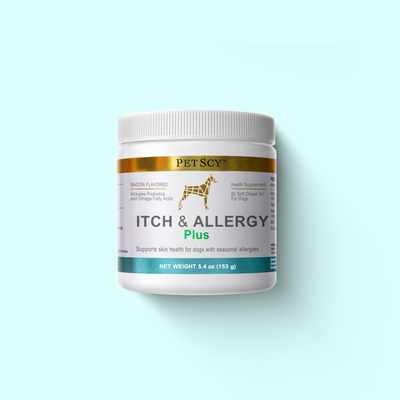
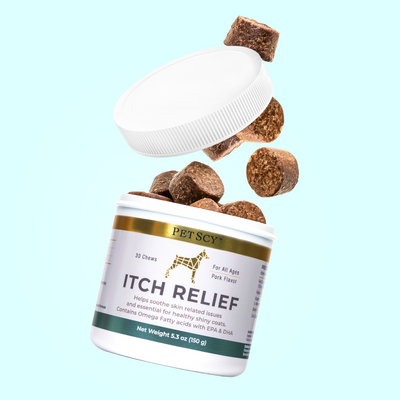
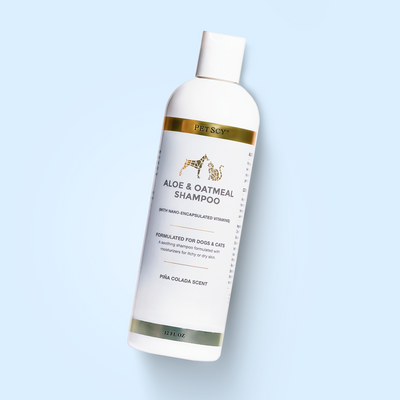
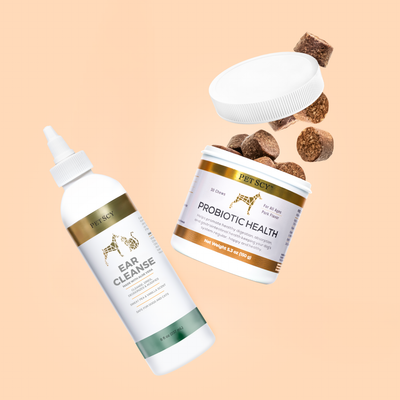
For the skin barrier, ask your veterinarian whether omega-3 fatty acids such as EPA and DHA, bathing, or a specific diet fits your dog's health plan. PetScy's Fish Oil is one example of an omega-3 product, while its Itch Relief Chews and Itch & Allergy Plus Chews are formulated as supportive options for itching and seasonal allergy-related skin sensitivities. Use products according to veterinary advice, especially if your dog has other medical conditions or takes medication.
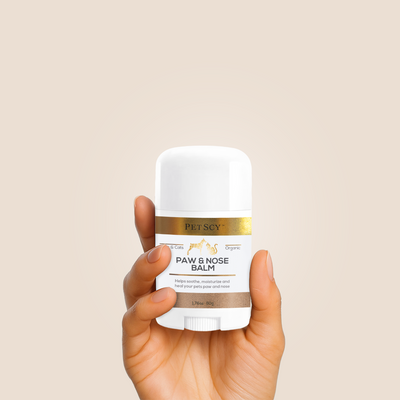
For paws, gentle cleaning after outdoor exposure can remove surface irritants. A veterinarian-approved topical such as a paw balm may support dry or cracked skin, but don't apply products to open, infected, or painful areas without guidance. PetScy also offers Keto Skin Wipes, Keto Skin Relief Mousse, and Paw & Nose Balm as topical care categories.
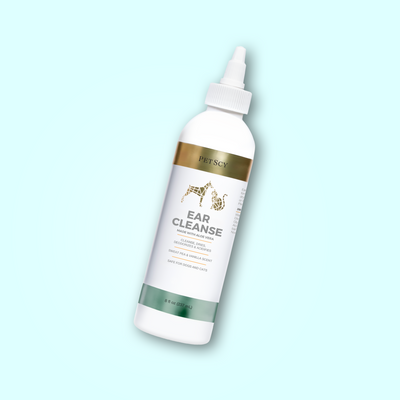
Ears require particular caution. Wiping the outer ear may be appropriate, but inserting cotton swabs or using leftover medication can worsen an untreated infection or damage the canal. An ear-cleaning product, such as PetScy Ear Cleanse, should be used only in a way your veterinarian considers suitable for your dog's ear condition.
Indoor management can complement outdoor routines. Washing bedding, vacuuming, and controlling damp areas may reduce irritant load, while this guide to reducing indoor allergens in Tucson offers household-maintenance ideas that owners can adapt to their climate.
For a broader overview of supportive options, see seasonal allergy relief for dogs. The most reliable plan is usually consistent and layered, with veterinary treatment for active disease and daily habits that reduce repeated irritation.
Red Flags and Routines That Actually Help
Seek prompt veterinary care for facial swelling, breathing difficulty, rapidly spreading lesions, painful skin, open wounds, hot spots with discharge, strong odor, or severe self-trauma. Persistent ear discharge and intense itching also deserve attention, especially when your dog can't rest comfortably.
A simple routine can reduce avoidable irritation:
- After walks: Wipe or rinse paws when your veterinarian approves, then dry between the toes.
- Every week: Check ears, paws, belly, and armpits for new redness, odor, bumps, or hair loss.
- Consistently: Keep flea prevention on schedule and record each application.
- During flares: Photograph changes and update the symptom calendar rather than changing several products at once.
Seasonal allergies can be managed, but the calendar is your starting point. It helps your veterinarian separate a recurring environmental pattern from conditions that need different treatment.
PetScy offers veterinarian-formulated chews, omega-3 support, ear care, and topical products for dogs dealing with itch, paw licking, and skin discomfort. Review the available options at PetScy, then discuss any supplement or topical plan with your veterinarian before use.