









What Can I Give My Dog for Diarrhea Safe Home Help
Your dog has had a loose stool, then another, and now you're standing in the kitchen wondering whether chicken, rice, pumpkin, or a probiotic is the right answer. The safest answer starts before food or supplements: decide whether this is mild diarrhea that can be monitored or a problem that needs veterinary care now.
Acute diarrhea is a common reason dogs visit primary-care veterinarians. One large study found that about 1 in 12 dogs were diagnosed with acute diarrhea each year, while a clinical review reported that diarrhea makes up roughly 7% of dog visits to small-animal practices (clinical review and study overview). Many uncomplicated cases improve with supportive care, but persistent or severe diarrhea shouldn't be managed indefinitely at home.
Table of Contents
- What Mild Diarrhea Looks Like and What It Means
- How to Decide If Home Care Is Safe Right Now
- Immediate Actions for Hydration and Gut Rest
- Safe Foods and Home Options You Can Offer
- Probiotics and Digestive Support When They Help
- Recovery Monitoring and Preventing the Next Episode
What Mild Diarrhea Looks Like and What It Means
It's late at night. Your adult dog has passed soft or watery stool, yet remains alert, interested in you, willing to drink, and comfortable. A new treat, scavenged food, stressful day, or no clear trigger may explain it. In that pattern, the problem may be a mild, uncomplicated digestive upset, but the next step is triage, not immediately choosing chicken, rice, pumpkin, or a supplement.
Mild diarrhea often occurs when the intestines move contents too quickly or react to irritation. Stool appearance matters, but the whole dog matters more. Check energy, appetite, water intake, comfort, vomiting, and any blood in the stool before deciding whether home monitoring is reasonable.
Many uncomplicated cases improve within 24–48 hours with proper support, according to reviewed veterinary guidance on canine acute diarrhea (reviewed guidance on canine acute diarrhea). A short period of hydration, gentle feeding, and observation can be appropriate when your dog otherwise seems normal. It is not a reason to wait through worsening symptoms.
Set a firm monitoring limit
Cornell-referenced guidance recommends veterinary care if a bland diet has not worked after 2–3 days. Other veterinary guidance advises calling sooner when diarrhea continues beyond 24 hours, especially if other symptoms or risk factors are present (PDSA guidance on diarrhea in dogs).
Use those time frames as boundaries, not promises. A bright dog that drinks, stays comfortable, and shows steady improvement may be monitored closely. A dog that worsens, appears dehydrated, or develops warning signs needs veterinary advice even if the diarrhea began recently.
Key takeaway: Home care fits only a dog with mild diarrhea, near-normal behavior, and no warning signs. If improvement does not begin within the short monitoring window, contact your veterinarian.
How to Decide If Home Care Is Safe Right Now
A dog with one loose stool may need observation, not an immediate menu change. Before asking what can I give my dog for diarrhea, decide whether home care is appropriate. Fluid loss becomes more concerning when diarrhea occurs with vomiting, refusal to drink, weakness, pain, or a clear change in behavior.
Use this screen before offering food, supplements, or any medication.
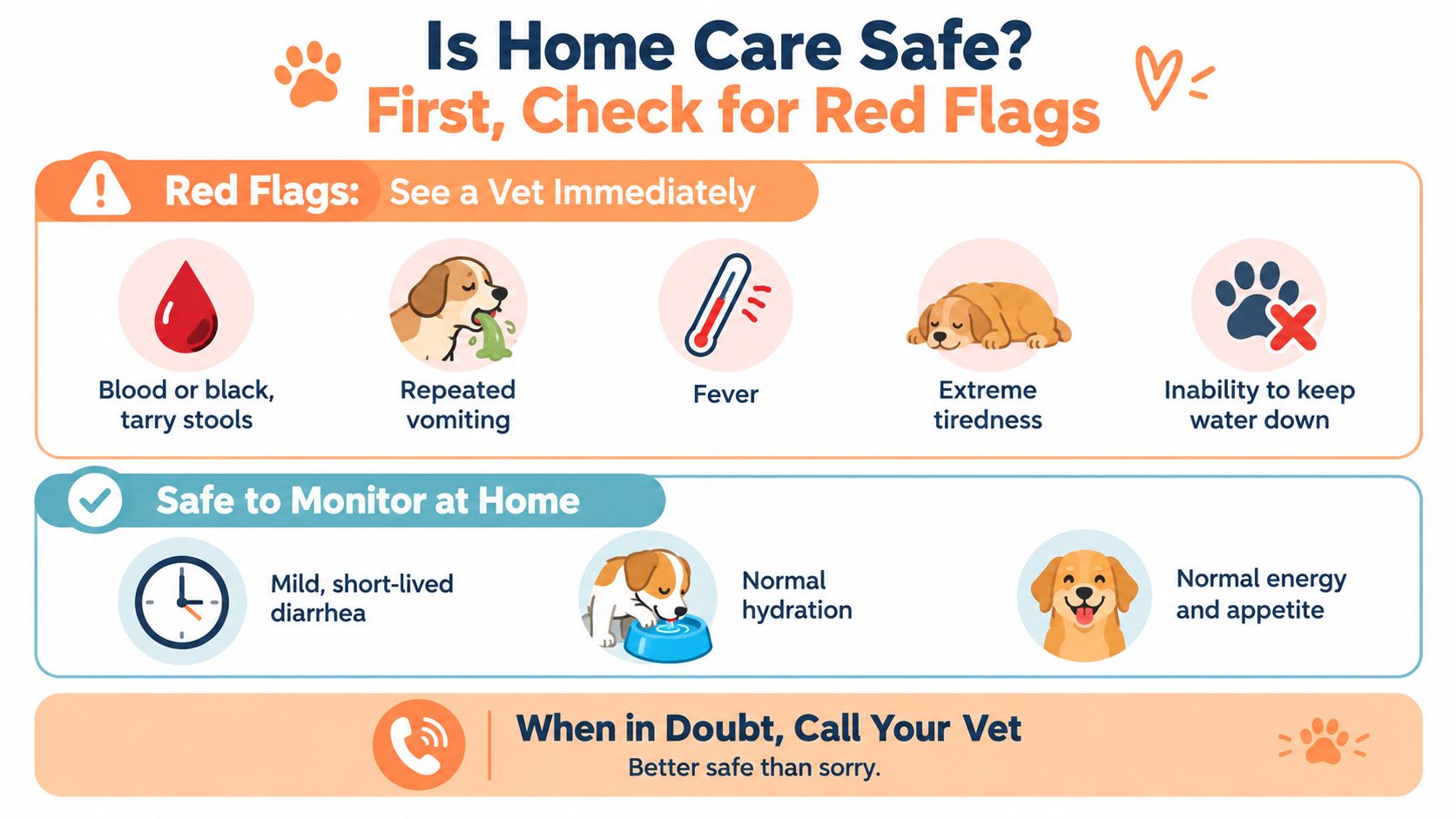
Call your veterinarian promptly if you notice
- Blood or black, tarry stool: Bright red blood or dark, tar-like stool can indicate bleeding and is not a routine home-care sign.
- Vomiting: Diarrhea plus vomiting makes hydration harder, particularly if your dog cannot keep even small amounts of water down.
- Lethargy or unusual weakness: Marked tiredness, dullness, pain, reluctance to move, or collapse suggests more than a mild dietary upset.
- Loss of appetite: Skipping one meal is different from persistent refusal, especially when it occurs with vomiting, pain, or low energy.
- Mucus, abdominal pain, or straining: These details help your veterinarian judge severity and possible causes.
- Higher-risk circumstances: Be more cautious with very young dogs, senior dogs, and dogs taking NSAIDs. Their reserve may be lower, and diarrhea that continues beyond a day or appears with other symptoms warrants veterinary advice.
If any warning sign is present, do not try to mask it with medication. Contact your veterinary practice and report the stool's appearance, when it started, appetite, water intake, energy, and any possible exposure.
If no red flags are present
Home monitoring is more reasonable when your dog stays responsive, drinks voluntarily, keeps water down, and remains interested in food and normal surroundings. Record when the diarrhea began so the trial does not become open-ended.
Recheck your dog each time you go outside. A wagging tail alone does not confirm adequate hydration, so watch behavior, drinking, and overall comfort together. If the dog worsens or fails to show improvement within the short monitoring window, contact your veterinarian.
Immediate Actions for Hydration and Gut Rest
Fresh water comes first. Keep a clean bowl available and offer frequent access. If your dog gulps water and vomits, stop encouraging large drinks and contact your veterinarian. Repeated vomiting changes whether home care is appropriate.
Diarrhea can remove fluid faster than a dog replaces it. In a retrospective study of 237 hospitalized dogs with suspected acute hemorrhagic diarrhea, 73% were assessed as at least 5% dehydrated on admission and needed fluid therapy before discharge without detectable dehydration (study of hospitalized dogs with acute hemorrhagic diarrhea). This does not mean every loose stool requires an emergency infusion. It does mean drinking, vomiting, and hydration deserve close attention.
A calm first-day routine
For the first several hours, provide quiet rest, regular bathroom breaks, and frequent chances to drink. Note stool frequency and volume. Skip rich treats, table scraps, fatty foods, and sudden diet experiments. If your dog remains comfortable and is not vomiting, a brief gut rest followed by small meals is usually more useful than switching foods repeatedly.
Veterinary research has found oral electrolyte solution safe and effective for mild-to-moderate dehydration in otherwise healthy dogs with sudden hemorrhagic diarrhea. Human sports drinks and homemade mixtures are not reliable substitutes. Ask your veterinarian which product and amount fit your dog.
Do not give antibiotics or human anti-diarrhea medicine without veterinary direction. Guidance on acute diarrhea indicates that antimicrobials are generally unnecessary for mild or moderate cases, so antibiotics are not the default for a stable dog (WSAVA guidance summarized in the veterinary literature).
Stop home care and call your veterinarian if vomiting begins, drinking falls, energy drops, or diarrhea worsens. A short, defined monitoring window is safer than waiting indefinitely.
Safe Foods and Home Options You Can Offer
Once your dog is keeping water down and still seems comfortable, reintroduce food carefully. The traditional option is plain boiled, skinless chicken with white rice. Prepare both without salt, butter, oil, garlic, onion, seasoning, or gravy. The food should be bland and easy to digest, not a flavored version of a normal meal.
Offer small, frequent meals rather than one full bowl. The exact amount depends on your dog's size, normal diet, health history, and appetite, so don't force food or use a generic portion as a prescription. Water should remain available between meals.
A bland diet is a short-term bridge, not a complete long-term feeding plan. If your dog improves, gradually mix regular food back in over several days rather than switching abruptly. Owners dealing with recurring sensitivity may also find this guide to dogs with sensitive stomachs useful when discussing a longer-term diet with a veterinarian.
Compare the practical options
| Option | Give or Skip | Why It Matters |
|---|---|---|
| Plain boiled, skinless chicken | Give in small meals | Provides a simple protein option without the fat and seasoning found in many leftovers. |
| Plain white rice | Give alongside chicken | Commonly used as part of a short-term bland diet for uncomplicated diarrhea. |
| Fresh water | Give freely | Replaces an essential fluid source and supports hydration monitoring. |
| Plain canned pumpkin | Consider cautiously | Some dogs tolerate it, but it isn't a universal treatment. Review guidance on canned pumpkin for dog diarrhea and ask your veterinarian about suitability. |
| Fatty meat or greasy leftovers | Skip | Extra fat can add digestive strain during an upset. |
| Spicy, seasoned, or salty food | Skip | Ingredients such as onion and garlic can be unsafe, while seasoning can irritate the gut. |
| Dairy products | Usually skip | Many dogs don't tolerate dairy well, and it can worsen loose stool. |
| Human anti-diarrhea medicine | Skip unless prescribed | A medication that seems familiar may be inappropriate or unsafe for a particular dog. |
| Antibiotics | Skip unless prescribed | Mild and moderate cases generally don't require antimicrobials according to current acute-diarrhea guidance. |
Don't keep adding new remedies if the first plan isn't working. More ingredients make it harder to identify a trigger and can delay the veterinary assessment your dog needs.
Probiotics and Digestive Support When They Help
A probiotic may help some dogs with mild, short-term diarrhea, but it should follow triage, not replace it. The evidence is mixed. Results vary with the strain, product, cause of diarrhea, and individual dog.
One placebo-controlled trial reported that dogs given a probiotic reached their last abnormal stool in 1.3 days, compared with 2.2 days for dogs given a placebo (placebo-controlled probiotic trial). Another randomized study found acceptable fecal consistency at 3.5 ± 2.2 days with a probiotic, compared with 4.8 ± 2.9 days with placebo and 4.6 ± 2.4 days with metronidazole. These findings support a possible modest benefit for some dogs, not a reliable advantage in every case.
Match the tool to the situation
Use a probiotic as supportive care when your dog remains bright, drinks normally, and has no warning signs. It should never postpone veterinary care for bloody stool, repeated vomiting, pain, marked lethargy, or dehydration. Evidence for naturally occurring acute diarrhea remains weak or mixed, and studies have not established a clear benefit for chronic diarrhea or broader gastrointestinal disease. As noted earlier, those cases need attention to the underlying cause rather than repeated add-on remedies.
Choose the product carefully. Check that the ingredients and directions are clearly listed, the formulation is intended for dogs, and the manufacturer follows credible quality standards. National Animal Supplement Council membership can provide one quality signal, but it does not guarantee that a supplement will resolve diarrhea.
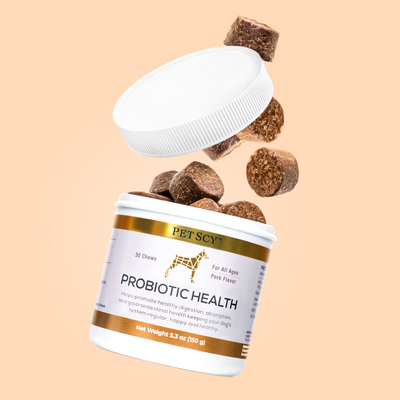
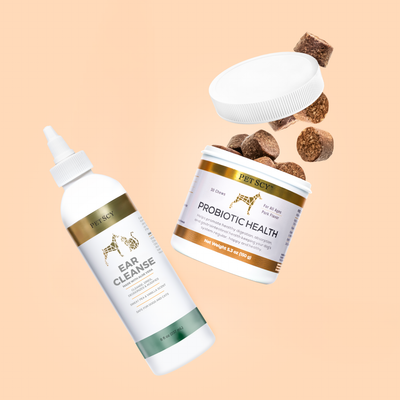
PetScy Probiotic Health Chews are veterinarian-formulated digestive and immune support chews made in the United States with globally sourced ingredients. They may suit daily gut-balance support for an otherwise stable dog, but they are not emergency treatment and cannot replace an examination. For criteria that can help you compare products and use cases, review this guide to probiotics for dogs with diarrhea.
Recovery Monitoring and Preventing the Next Episode
Improvement should show up in several ways, not just one better bowel movement. Track stool consistency, frequency, appetite, energy, water intake, and comfort over the next 24–72 hours. A dog that is gradually brighter and producing more formed stool is moving in the right direction. A dog that remains flat, stops eating, vomits, develops blood or black stool, or fails to improve needs veterinary guidance.
When stool has stabilized, mix regular food back into the bland meals gradually over several days. Keep portions measured and avoid celebrating recovery with rich treats or a large meal. If the diarrhea returns during the transition, stop making diet changes and contact your veterinarian.
Prevention usually comes from boring consistency. Change food gradually, secure trash, limit scavenging, keep treats simple, and note which ingredients have caused trouble before. For dogs prone to recurring loose stools, ongoing digestive support may be worth discussing with a veterinarian, including information in this resource on supporting gut flora and regularity.
Practical rule: Use home care as a short observation plan, not an open-ended treatment. Improvement earns a careful return to normal food. Stalled progress earns a call to the vet.
PetScy offers veterinarian-formulated products such as Probiotic Health Chews for ongoing digestive and immune support, along with other canine wellness options. If your dog has recovered and you're looking for a consistent gut-support routine, visit PetScy to review the available formulas and care products.