










What Causes Yeast in Dogs and How to Treat It
Your dog has started shaking their head, licking their paws, or carrying a strong musty odor that wasn't there before. You may have already searched for answers and found suggestions ranging from special diets to home remedies. The important first step is understanding that canine yeast usually isn't an outside invader your dog “caught.” It often acts more like an alarm signal, telling you that the skin barrier, immune defenses, or local environment has changed.
The most useful question isn't only, “How do I kill the yeast?” It's “Why did the yeast have an opportunity to multiply?” Once you understand that distinction, diagnosis, treatment, and prevention become much more logical.
Table of Contents
- Understanding the Yeast Living on Your Dog
- The Hidden Triggers Behind Yeast Overgrowth
- Recognizing the Signs in Ears Paws and Skin Folds
- Diagnosis and Effective Treatment Strategies
- Preventing Recurrence Through Barrier Support
- When to Seek Professional Veterinary Care
- Common Questions About Canine Yeast Infections
Understanding the Yeast Living on Your Dog
When Bella came home from a walk, her paws smelled faintly like corn chips. A few days later, she was licking between her toes, scratching her ears, and rubbing her face on the carpet. Her owner assumed she had picked up a fungal infection outdoors, perhaps from wet grass or another dog.
That assumption is understandable, but canine yeast is usually more complicated. The organism most often involved is Malassezia pachydermatis, a lipophilic yeast that can normally live on canine skin and in the external ear canal without causing disease. A WSAVA veterinary dermatology reference estimates that approximately 50% of healthy dogs carry this organism, which shows why simple exposure usually isn't the main explanation for a flare-up.
A peaceful neighborhood can become disrupted
Think of your dog's skin as a peaceful neighborhood. Yeast is one of the residents, alongside bacteria and other microorganisms. In a stable neighborhood, each population stays within its usual boundaries. The presence of yeast alone doesn't mean the skin is infected or unhealthy.
Trouble begins when the local conditions change. Allergic inflammation may weaken the outer skin barrier. Scratching can create tiny injuries. Extra oil, earwax, moisture, warmth, or reduced airflow can give yeast a more favorable place to multiply. The result may be itching, greasy scaling, reddish-brown discoloration, odor, or ear inflammation.
The central idea: yeast is often the visible consequence of a changed skin ecosystem, not the original cause of the change.
That distinction matters because antifungal treatment may reduce the overgrowth while leaving the neighborhood problem untouched. If an allergy, damaged barrier, endocrine disorder, parasite, or anatomical feature continues to affect the skin, the odor and itching may return after treatment ends.
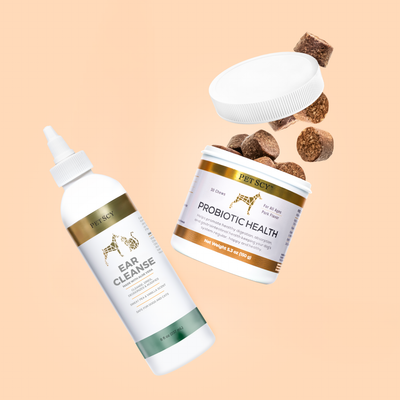
Supportive care can still have a place in a broader plan. For example, some owners explore probiotic supplements for digestive balance, but supplements shouldn't replace cytology, prescription treatment, or investigation of recurring skin disease. The practical goal is to calm the current flare while identifying what allowed it to develop.
The Hidden Triggers Behind Yeast Overgrowth
A dog may finish antifungal treatment, smell better, and then begin itching again weeks later. That pattern often means yeast is acting like an alarm system. It signals that the skin's protective barrier or immune balance is being disturbed, while the deeper trigger remains active.
Yeast gains an advantage when the skin environment changes. Common influences include allergic inflammation, excess moisture, altered oils, immune disruption, parasites, bacterial disease, medication exposure, or systemic illness. These factors can work together. For example, an allergy may cause scratching, scratching may damage the barrier, and the resulting irritation can make the skin more suitable for yeast growth.
The main pathways to overgrowth
- Allergic skin disease: Canine atopic dermatitis and flea-allergy dermatitis inflame the epidermis, the outer protective layer. Food-related allergy can also contribute to hypersensitivity. Ongoing inflammation increases scratching and may weaken the barrier, much like a repeatedly damaged wall that no longer keeps outside problems out.
- Moisture and restricted ventilation: Skin folds, narrow ear canals, and spaces between the toes can hold warmth, humidity, secretions, and friction. These areas have less airflow, so yeast can multiply more readily when the skin is already irritated.
- Bacterial or parasitic disease: Recurrent bacterial pyoderma and parasites such as demodicosis can disturb the skin and its defenses. Treating yeast alone may quiet the alarm without removing the condition that keeps setting it off.
- Endocrine and metabolic disorders: Hypothyroidism, diabetes mellitus, and hyperadrenocorticism may alter immune function, skin oils, or the nutrients and growth factors available to microorganisms.
- Medication-related changes: Prolonged antibiotic use can change the balance among normal microorganisms. Glucocorticoids can also reduce protective immune responses, particularly during extended treatment.
A 2015 review indexed by the National Institutes of Health identifies atopic or seborrheic dermatitis, parasitic infestation, diabetes mellitus, and prolonged antibiotic use combined with glucocorticoid treatment as conditions that may predispose dogs to Malassezia overgrowth. It also discusses endocrine disease and reduced immune protection.
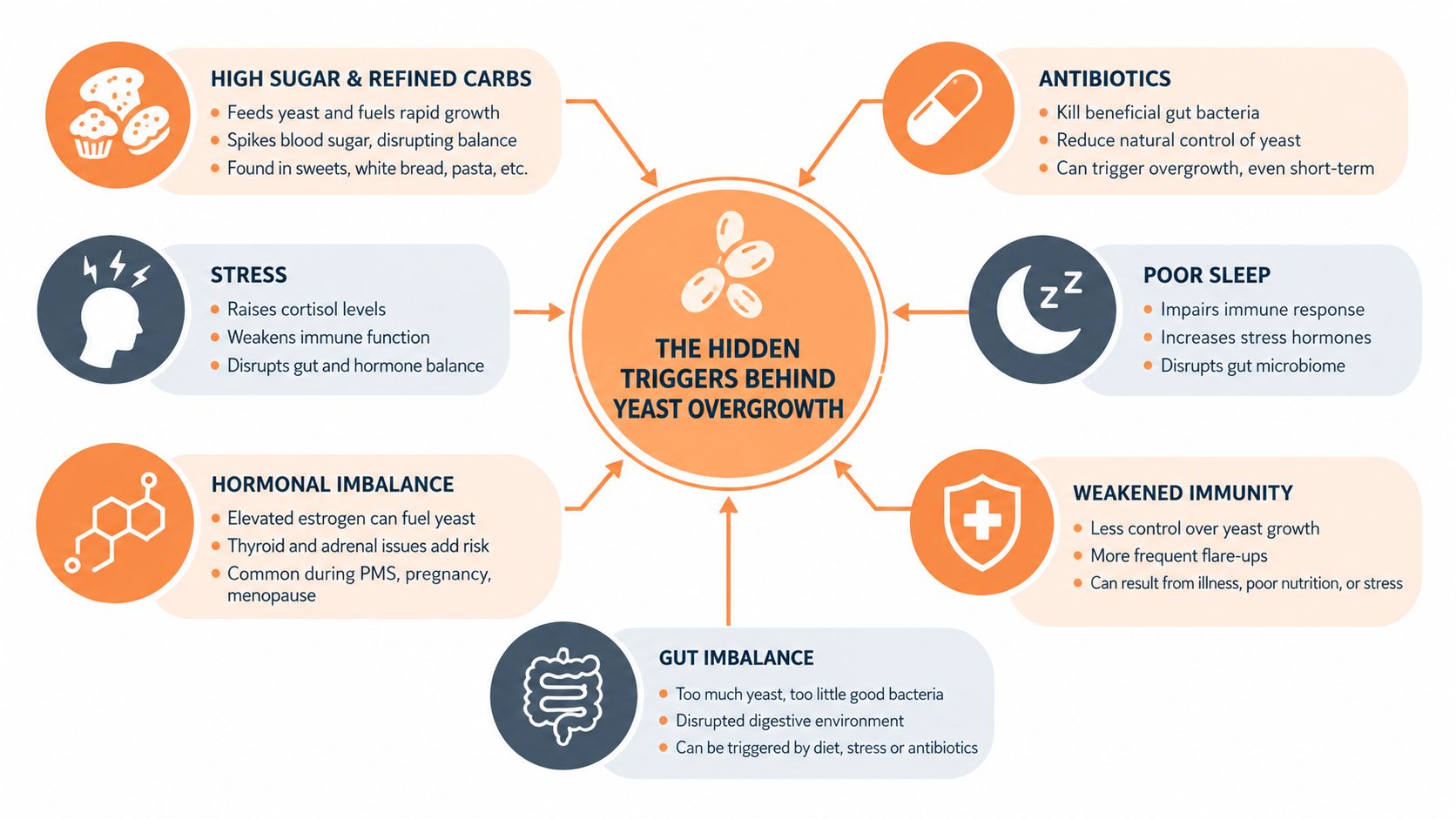
Clinical screening has also associated canine malasseziosis with demodicosis or tick infestation, pyoderma, sarcoptic mange, dermatophytosis, diabetes, hypothyroidism, and flea-allergic dermatitis. These findings describe conditions seen alongside affected cases, not the chance that any dog will develop yeast overgrowth.
Recurrence deserves a broader response. Targeted topical care can reduce the current yeast burden, while veterinary assessment, allergy management, barrier support, and appropriate nutritional support help address the conditions that keep activating the alarm. A recurring odor or itch is a reason to investigate, not just repeat antifungal treatment.
Recognizing the Signs in Ears Paws and Skin Folds
A quick home check can help you notice changes early, but it can't confirm that yeast is responsible. Several skin conditions can produce similar redness, itching, discharge, or odor, so treat these signs as reasons to observe and arrange appropriate care rather than as a diagnosis.
Ears
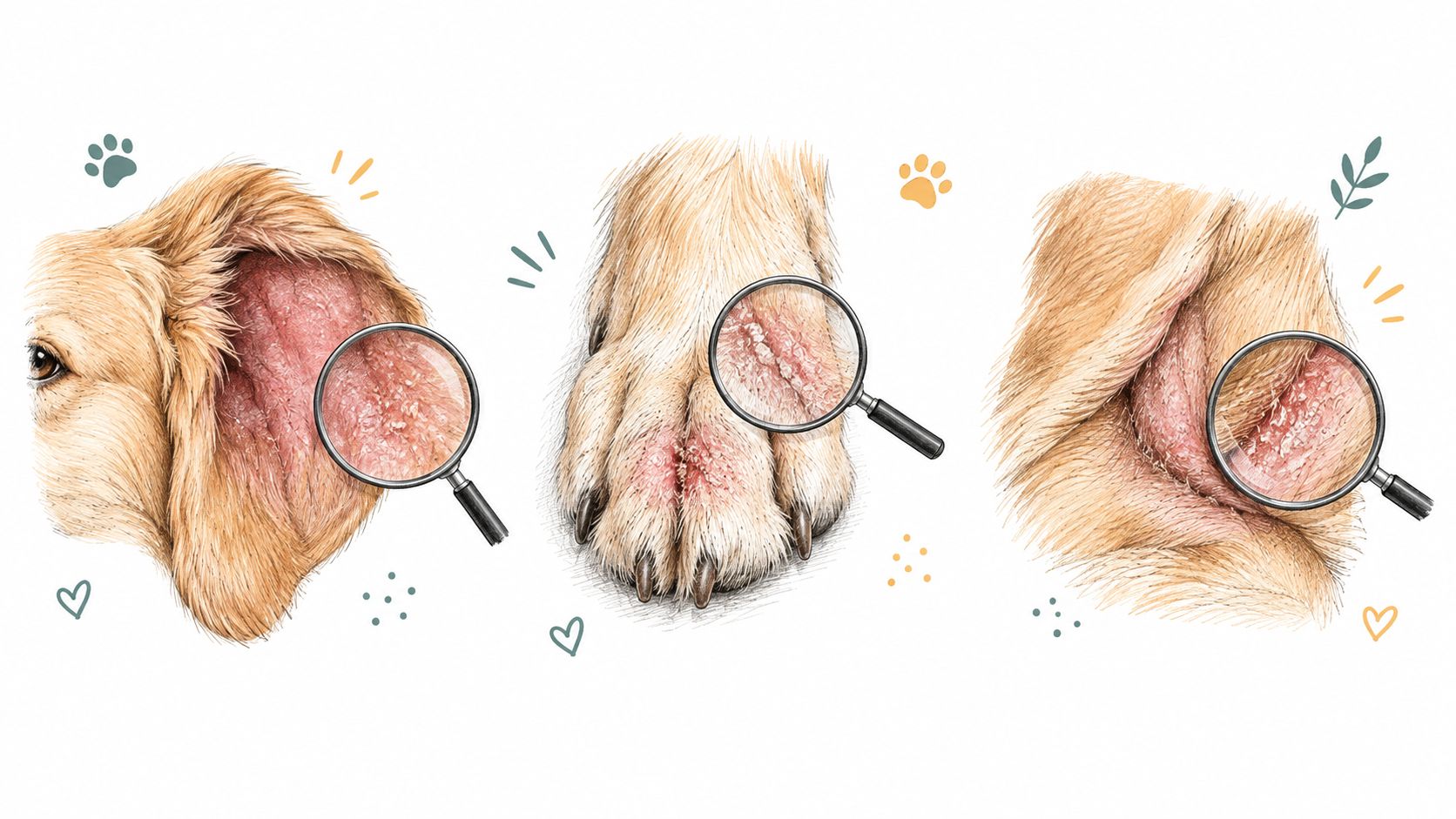
Look for head shaking, ear scratching, redness, odor, or dark waxy material. A dog may rub one side of the head against furniture or hold the ear differently from usual. Narrow canals and limited ventilation can retain warmth, moisture, earwax, and secretions, making the ear a vulnerable location.
Don't push cotton swabs deep into the canal. If the ear is painful, swollen, or producing discharge, a veterinarian should examine it before you place a cleanser or medication inside.
Paws
Between the toes and pads, check for persistent licking, chewing, redness, dampness, or reddish-brown staining on the hair. Licking creates more moisture and friction, which can further irritate already sensitive skin. Look at the nail beds and the spaces between the toes without forcing the paw open if your dog is painful.
Skin folds
Check facial folds, areas where the legs meet the body, the groin, and other places where skin touches skin. Greasy scaling, redness, thickening, darkening, hair loss, or a musty odor can indicate that the local environment needs attention. Dogs with pronounced wrinkles may benefit from careful guidance on caring for wrinkly dog breeds, especially when folds stay damp after cleaning or outdoor activity.
A simple weekly “smell and check” routine can be useful:
- Smell gently: Notice a new or stronger odor from the ears, paws, or folds.
- Look closely: Check for redness, greasy residue, discharge, staining, or thickened skin.
- Watch behavior: Record increased licking, chewing, scratching, head shaking, or face rubbing.
- Dry carefully: After washing or walks, pat moisture from the paws and folds rather than rubbing irritated skin.
- Escalate persistent changes: Contact your veterinarian when signs are painful, widespread, recurrent, or worsening.
For minor external cleaning, some owners use products such as antiseptic wipes for dogs. Use only products appropriate for the location, and avoid putting skin wipes into the ear canal unless the product and your veterinarian's instructions specifically allow it.
Diagnosis and Effective Treatment Strategies
A dog that smells yeasty may have yeast, but odor alone can't tell you whether the problem is yeast, bacteria, parasites, allergy, or a combination. Veterinary diagnosis commonly relies on cytology, a sample from affected skin or ear material examined under a microscope. This helps identify yeast organisms and can reveal inflammatory cells or concurrent bacterial involvement.
Your veterinarian may collect material with a tape preparation, swab, or another suitable sampling method. Ear disease deserves particular care because inflammation, discharge, and pain can occur deeper in the canal, where home treatment may be ineffective or harmful.
Treatment has two jobs
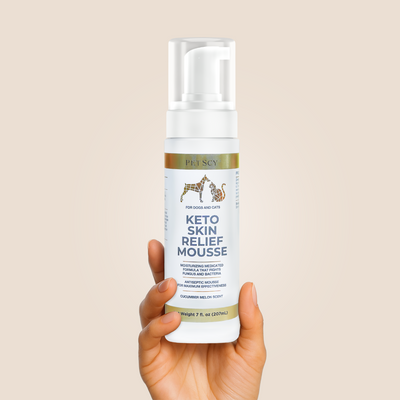
The first job is to reduce the current overgrowth. Depending on location and severity, a veterinarian may recommend medicated shampoos, antifungal creams, wipes, sprays, or prescription ear medication. Widespread, severe, or persistent disease may require an oral antifungal, with veterinary monitoring for safety and response.
The second job is to improve the skin environment. A cleanser or antifungal may address the immediate microbial imbalance, while a gentle, barrier-supporting product helps reduce irritation and excessive stripping of skin oils. These roles are complementary, not interchangeable.
| Treatment Type | Best Used For | Examples |
|---|---|---|
| Veterinary topical therapy | Localized skin or external ear disease | Medicated shampoo, antifungal wipe, topical cream, prescribed ear cleanser |
| Systemic medication | Widespread, severe, or difficult-to-control disease | Oral antifungal prescribed and monitored by a veterinarian |
| Barrier-supportive care | Irritated or dry skin alongside the primary plan | Gentle cleansing, careful drying, soothing topical products |
| Root-cause management | Recurrent disease | Allergy assessment, parasite control, evaluation for endocrine or metabolic disorders |
Avoid improvised remedies
Home remedies can irritate inflamed skin or delay treatment for a bacterial infection, ear disease, or parasite problem. Don't apply household acids, essential oils, or products intended for people unless your veterinarian has specifically approved them for your dog and the affected location.
A 2017 veterinary review describes the usual pathway as barrier disruption from an underlying hypersensitivity disorder, followed by scratching, inflammation, changes in sebum or earwax, and local microbial proliferation. It also notes that cytology showing numerous yeast organisms can support diagnosis, while recurrence after treatment may signal that the predisposing disease remains uncontrolled.
Preventing Recurrence Through Barrier Support
A dog may improve after antifungal treatment and still flare again. Prevention therefore starts with the condition that keeps disturbing the skin, not with repeated treatment of odor alone. If seasonal itching, flea exposure, food-related hypersensitivity, endocrine disease, or a persistent anatomical moisture problem remains active, the same local environment can return.
Build a skin-support plan
Manage the trigger identified by your veterinarian. Allergy control may involve environmental management, parasite prevention, an appropriate food investigation, or prescription allergy therapy. The correct approach depends on the pattern of disease and your dog's examination findings.
Protect the surface after outdoor activity. Rinse or wipe away irritants when appropriate, then dry the paws and folds thoroughly. Pay special attention to the spaces between the toes and to wrinkles that hold moisture against the skin.
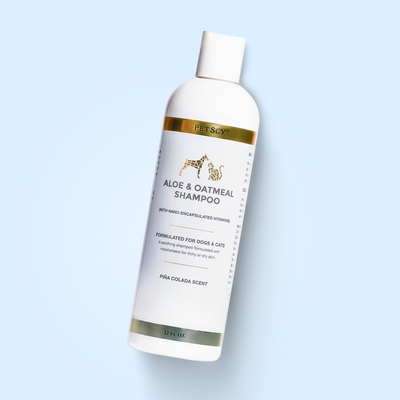
Choose cleansing products carefully. A harsh product can worsen dryness and irritation, while inadequate cleaning may leave secretions behind. Ask your veterinarian which hydrating or medicated shampoo is suitable and how often it should be used for your dog's condition.
Support the whole animal, not just the itchy spot. Omega-3-rich fish oil, probiotic products, and itch-support formulas may be considered as part of a broader wellness plan. They shouldn't be presented as stand-alone cures for confirmed yeast disease, and your veterinarian can help you decide whether a supplement fits your dog's diet, medications, and health history.

Make prevention observable
Keep a simple record of when itching, odor, paw licking, or ear discharge appears. Note weather changes, walks, bathing, new foods, medications, and flea-prevention dates. This record can help your veterinarian recognize whether signs follow a seasonal pattern, a treatment change, or a recurring exposure.
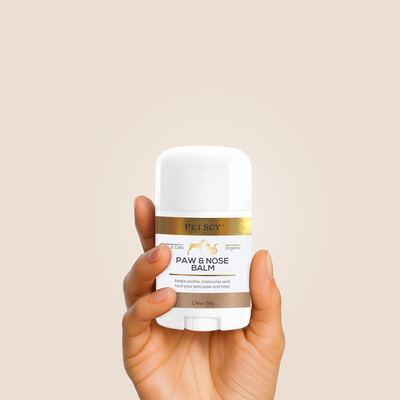
Digestive support may be useful for some dogs as one part of nutritional care, but a supplement won't correct an untreated ear infection or replace allergy investigation. Similarly, a paw balm can help protect dry or cracked external skin, while it shouldn't be applied over infected, moist, or open areas without professional guidance. Information about paw and nose balm for dogs can help owners understand where moisturizing care may fit into a routine.
A useful prevention rule: the best long-term plan reduces the reason your dog scratches, rubs, or stays damp.
When to Seek Professional Veterinary Care
A small, superficial area of irritation may seem manageable, but yeast-like signs can overlap with bacterial infection, mites, allergy, and other disorders. Professional care becomes especially important when the problem involves the ear canal, causes significant pain, spreads quickly, or keeps returning.
Arrange prompt veterinary care when
- The ears are painful or severely inflamed: Repeated head shaking can injure the ear flap, and discharge or swelling may indicate disease that requires examination.
- The skin is open or bleeding: Scratching can create wounds that invite additional infection and make topical care more difficult.
- The problem is spreading: Widespread odor, greasy scaling, darkened skin, or extensive hair loss needs more than spot cleaning.
- Your dog seems systemically unwell: Lethargy, changes in thirst, weight changes, or other new health signs should be discussed with a veterinarian.
- The condition repeatedly returns: Chronic or recurrent yeast may justify evaluation for allergies, parasites, hypothyroidism, diabetes mellitus, hyperadrenocorticism, medication effects, or other predisposing problems.
A first-time flare also deserves confirmation before you commit to a treatment routine. Your veterinarian may need to sample the skin or ear and decide whether bacterial disease or another condition is present at the same time.
When home support isn't enough
Wiping the outside of a paw and keeping folds dry can support comfort. It cannot determine whether yeast is present, and it will not resolve an underlying hormonal or allergic disorder. Stop home treatment and seek advice if your dog becomes more painful, resists handling, develops open sores, or fails to improve.
Don't measure success only by odor. A temporary reduction in smell doesn't prove that the underlying inflammation has been controlled.
The practical aim is not to avoid all veterinary treatment. It's to use professional diagnosis early enough that your dog doesn't spend months in an itch, scratch, moisture, and inflammation cycle.
Common Questions About Canine Yeast Infections
Did my dog catch yeast from another animal?
Usually, canine yeast disease reflects overgrowth of Malassezia pachydermatis, a yeast that can already live on healthy canine skin and in the external ear canal. That makes a changed skin environment more relevant than a simple exposure story. If another condition could look similar, such as a bacterial infection or parasite problem, cytology and examination are more reliable than guessing.
Will a special yeast-free diet cure the problem?
Not necessarily. The verified veterinary evidence identifies allergies, including food-related allergy, as possible underlying drivers, but it doesn't establish that a generic “yeast-free” diet cures canine yeast overgrowth. If your veterinarian suspects food allergy, ask about a structured dietary investigation rather than making several uncontrolled food changes.
How often should I bathe a dog with active yeast?
There isn't one safe schedule for every dog. The appropriate frequency depends on the location, severity, product, coat, skin barrier, and veterinary diagnosis. A medicated shampoo may be useful for some skin cases, while an inflamed ear or painful fold may need a different treatment entirely. Follow the product directions and your veterinarian's plan, including any required contact time.
Can I keep cleaning the area if it smells better?
Continue only as directed. Over-cleaning can irritate the barrier, while under-treatment can leave the cause unresolved. If odor or itching returns after treatment, treat recurrence as useful information for your veterinarian rather than repeatedly changing products.
What is the most important question to ask?
Ask, “What allowed this yeast to overgrow?” That question directs attention toward allergy, moisture, parasites, bacterial disease, endocrine conditions, medication effects, and barrier support. Treating the alarm while ignoring the source is why some dogs experience the same cycle repeatedly.
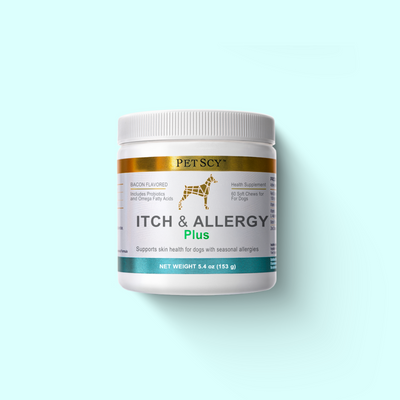
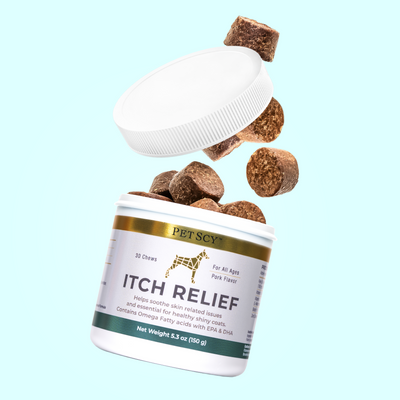
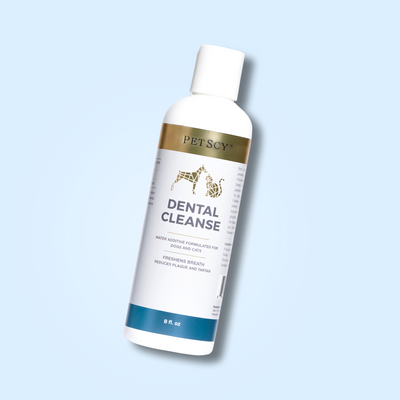
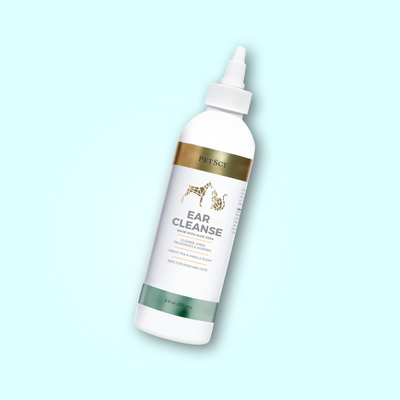
PetScy offers veterinarian-formulated supplements and topical products for areas such as digestive balance, seasonal allergy support, ear care, skin and coat health, and paw care. Visit PetScy to review options that may complement, but not replace, your veterinarian's plan for diagnosing and managing recurring yeast problems.